
Used 2011 Conventional Sleeper Trucks For Sale in North Carolina
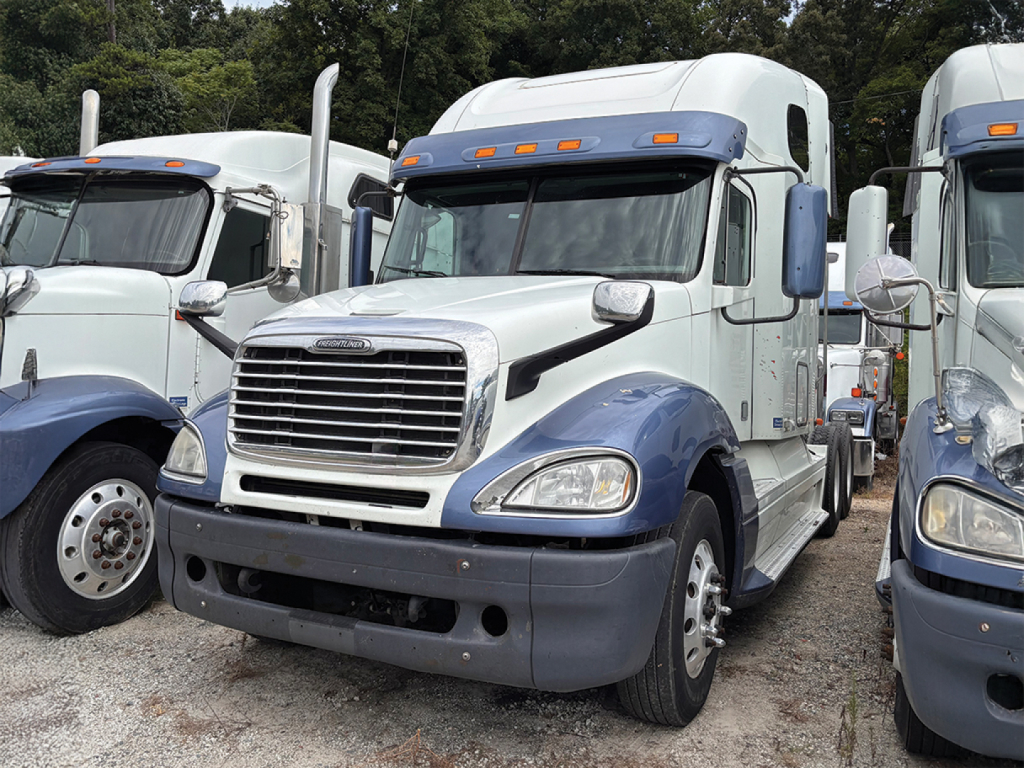
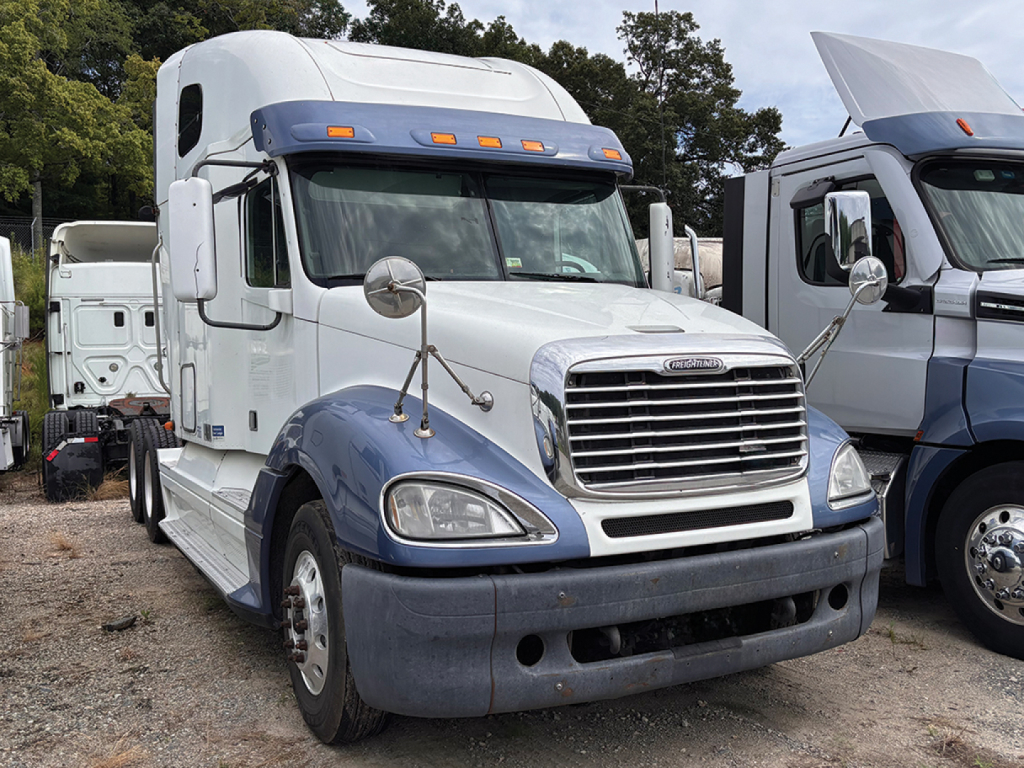
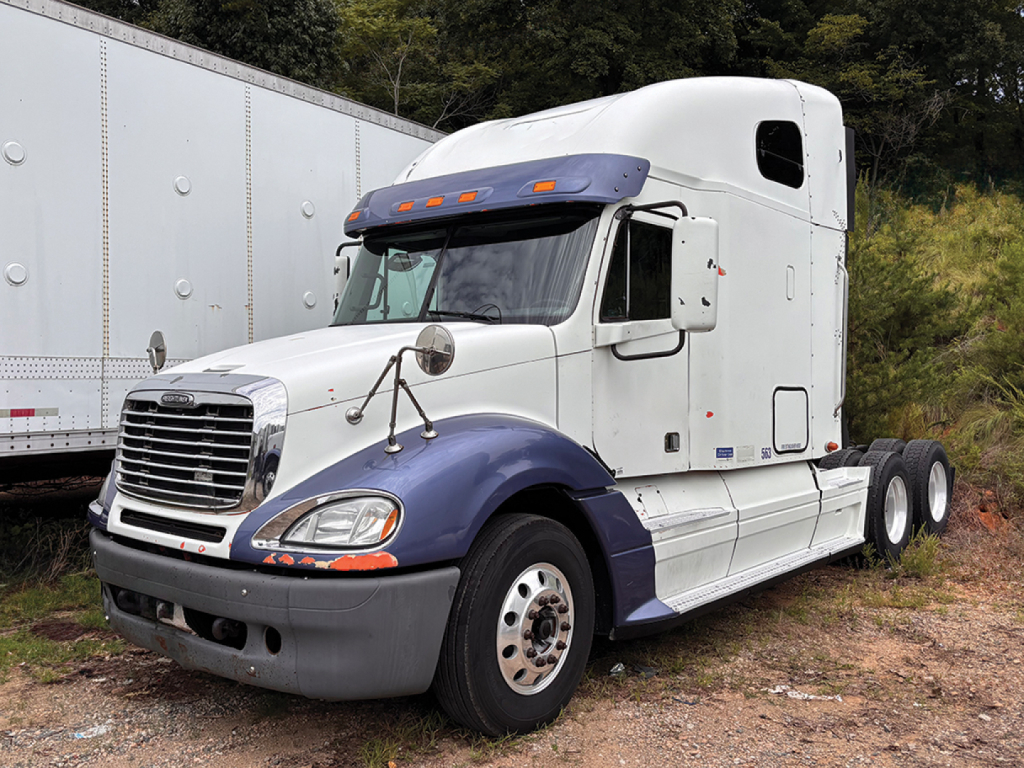
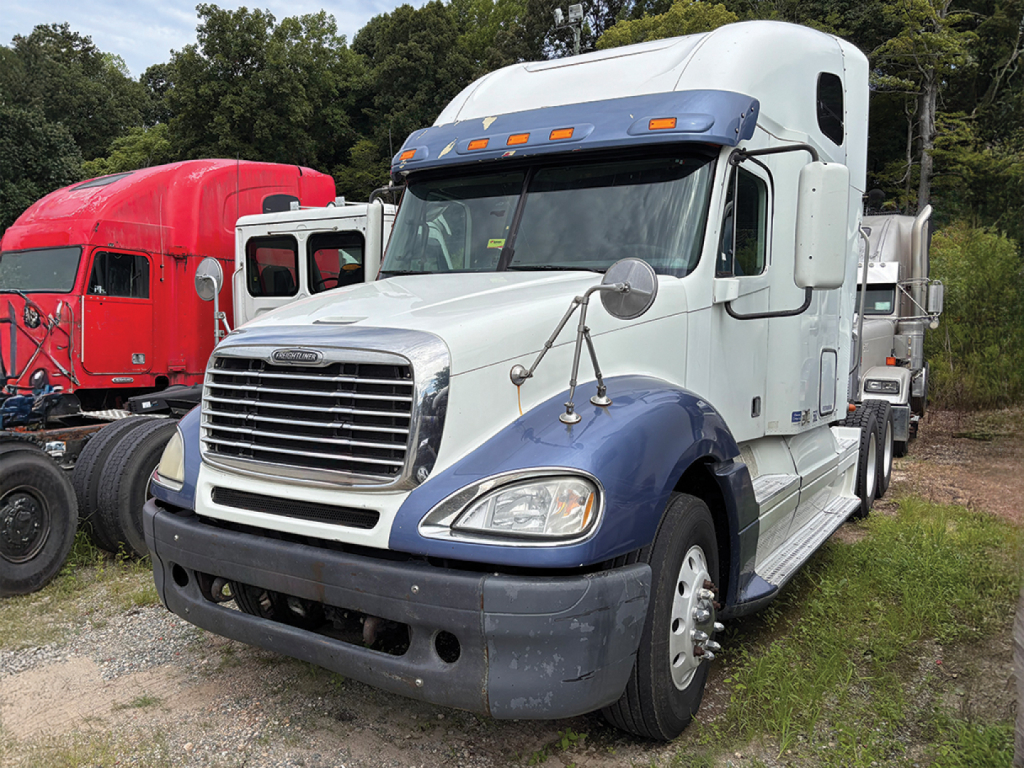
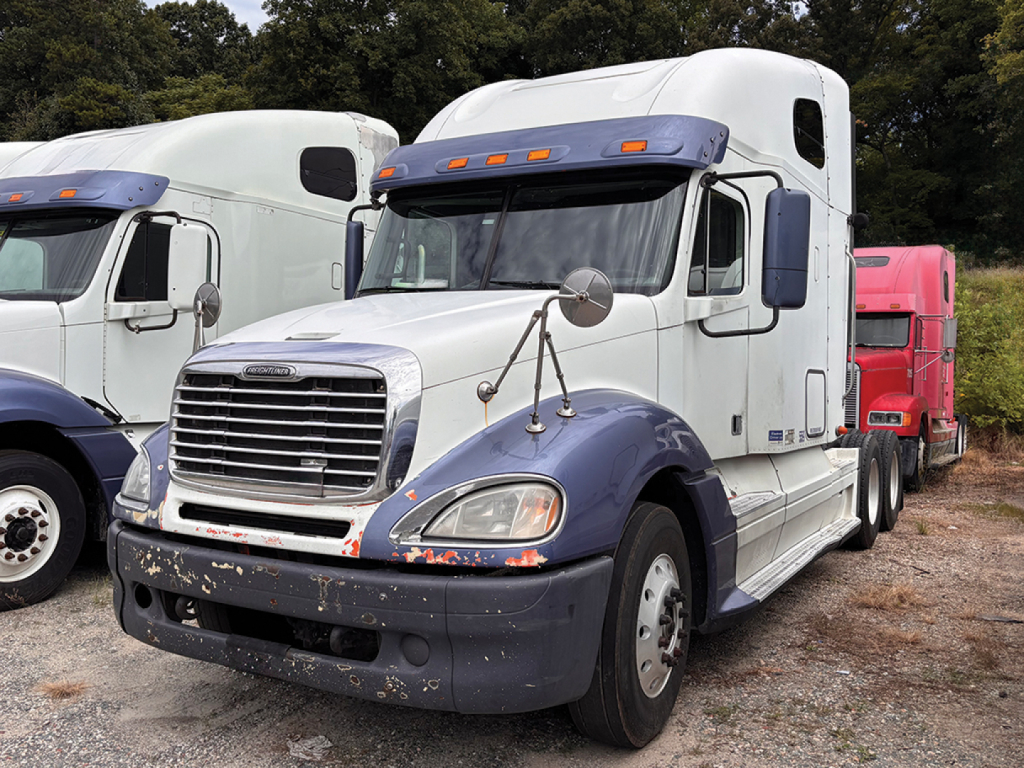

Have used 2011 conventional sleeper truck to sell? List it here to reach thousands of buyers.
Used 2011 Conventional Sleeper Trucks in North Carolina
The biggest buying decision on a 2011 conventional sleeper is the drivetrain. Many trucks from this era were spec'd with 10-speed or 13-speed manual transmissions, though some automatics appear in fleet-oriented configurations. Engine choices often include Detroit, Cummins, CAT in pre-emissions carryover situations, or glider kit combinations that pair a newer chassis with an older powerplant. Horsepower in this class commonly lands around 425 to 500 HP, with 40,000 lb rear axles and ratio choices that affect cruise RPM, gradeability, and fuel economy. A 2.64 highway gear can work well for flatland freight and fuel mileage, but buyers running heavier loads or mountain lanes in western North Carolina may want to look closely at rear ratio, transmission gearing, and engine brake performance.
Sleeper layout and chassis dimensions matter more than many buyers expect. A 60-inch to 76-inch sleeper is common on conventional sleeper trucks from this period, with raised-roof versions offering better standing room and more storage for team or extended-run operations. Wheelbase, often in the 230-inch range or beyond, affects trailer swing clearance, weight distribution, and maneuverability at tight docks. Other spec points worth checking include fuel tank capacity, fifth wheel type and air-slide function, fairings and cab extenders, APU installation, bunk heater, and the condition of the interior touch points that show how the truck was used. In North Carolina, where trucks may move between port freight, manufacturing lanes, and long interstate runs, a balanced spec is usually more useful than an extreme fuel-mileage or heavy-haul setup.
Condition is where a used 2011 sleeper either makes sense or becomes expensive fast. Buyers should pay close attention to engine history, emissions status, suspension wear, clutch life on manual units, cooling system service, and signs of frame or fifth wheel stress from heavy vocational crossover work. On glider trucks, verify title structure, engine documentation, and how the unit will fit your insurance and compliance requirements. A clean 2011 conventional sleeper can still be a practical owner-operator or small fleet tractor if the specs match the route and the maintenance records support the miles.
Frequently Asked Questions about Used 2011 Conventional Sleeper Trucks in North Carolina
What should I look for first on a used 2011 conventional sleeper truck?
Start with the drivetrain and service history. Engine make, horsepower, transmission type, rear axle ratio, and maintenance records will tell you more about the truck's real fit than cosmetic condition. After that, inspect the sleeper size, wheelbase, fifth wheel setup, suspension condition, tire wear pattern, and any emissions-related repairs or deletes that could affect legality and resale.
Are 2011 conventional sleeper trucks good for long-haul work?
Yes, many 2011 conventional sleeper trucks were built specifically for over-the-road freight. A raised-roof sleeper, dual fuel tanks, air ride suspension, and highway gearing make them well suited for extended runs. The key is matching the truck's gearing, engine brake, and sleeper configuration to the lanes you run, especially if your operation includes mountain grades, heavy van freight, or team driving.
Is a manual or automatic transmission better in a 2011 sleeper truck?
That depends on the application and driver preference. Manual transmissions were very common in 2011 and are still favored by some owner-operators for control, simplicity, and repair familiarity. Automatics can reduce driver fatigue and improve consistency in fleet use, but the buyer should review clutch actuator, calibration, and transmission service history closely on older automated units.
Why do rear axle ratio and wheelbase matter on a conventional sleeper?
Rear axle ratio affects cruise RPM, startability, hill performance, and fuel economy. A tall highway gear may save fuel on flat interstate routes but can feel underpowered in hills or with heavier loads. Wheelbase affects ride quality, bridge law flexibility, trailer gap, and maneuverability. A longer wheelbase often rides well on the highway, but it can be harder to place at tight docks or older distribution sites.
What is the advantage of a glider-kit 2011 conventional sleeper truck?
A glider kit can appeal to buyers who want an older pre-emissions engine in a newer rolling chassis, often for serviceability or engine preference. That said, glider trucks require extra due diligence. Buyers should verify engine serial information, title and registration details, emissions compliance in their operating area, and how lenders, insurers, and future buyers will view the truck.