
Used 2011 Freightliner Conventional Sleeper Trucks For Sale in North Carolina
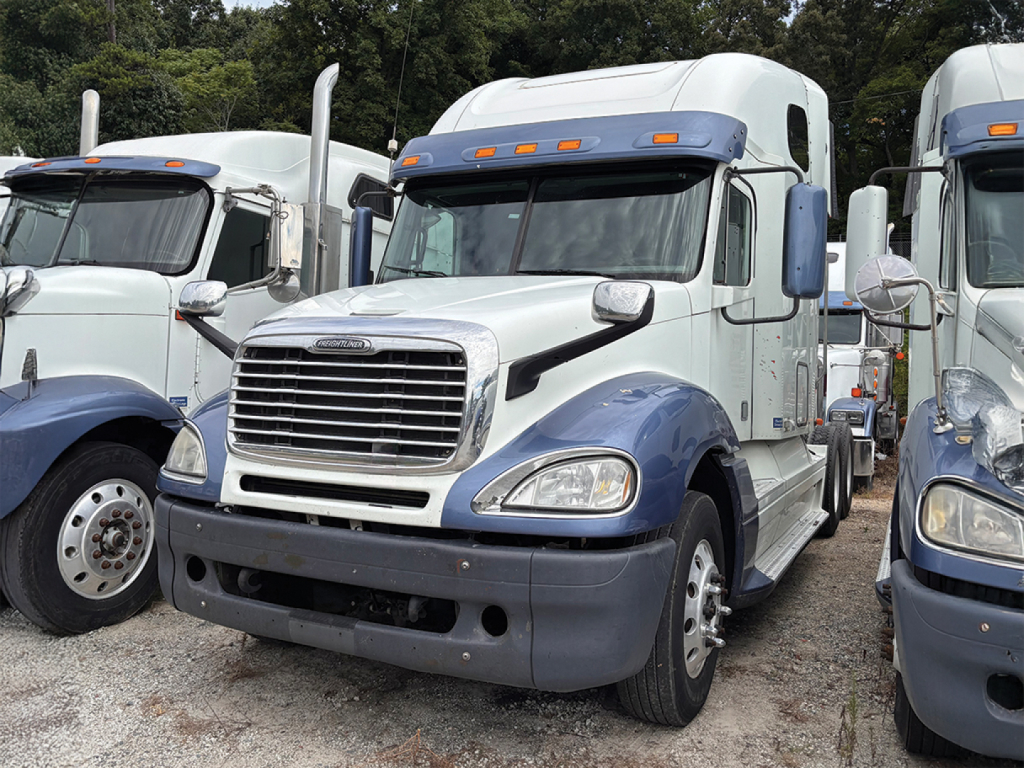
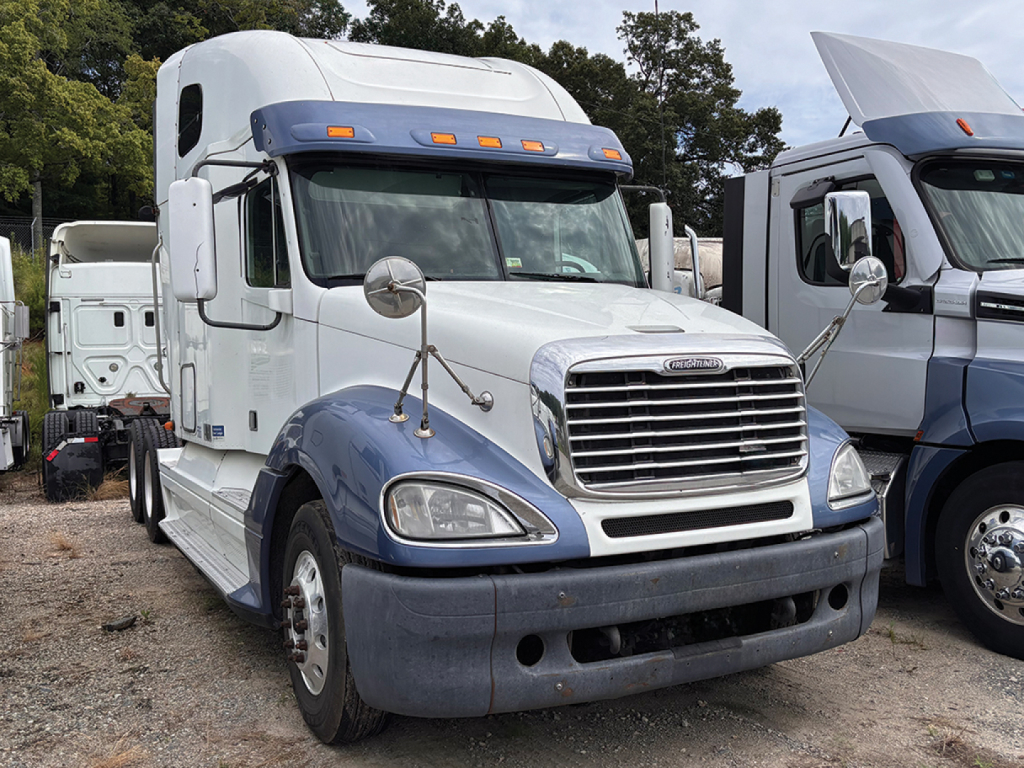
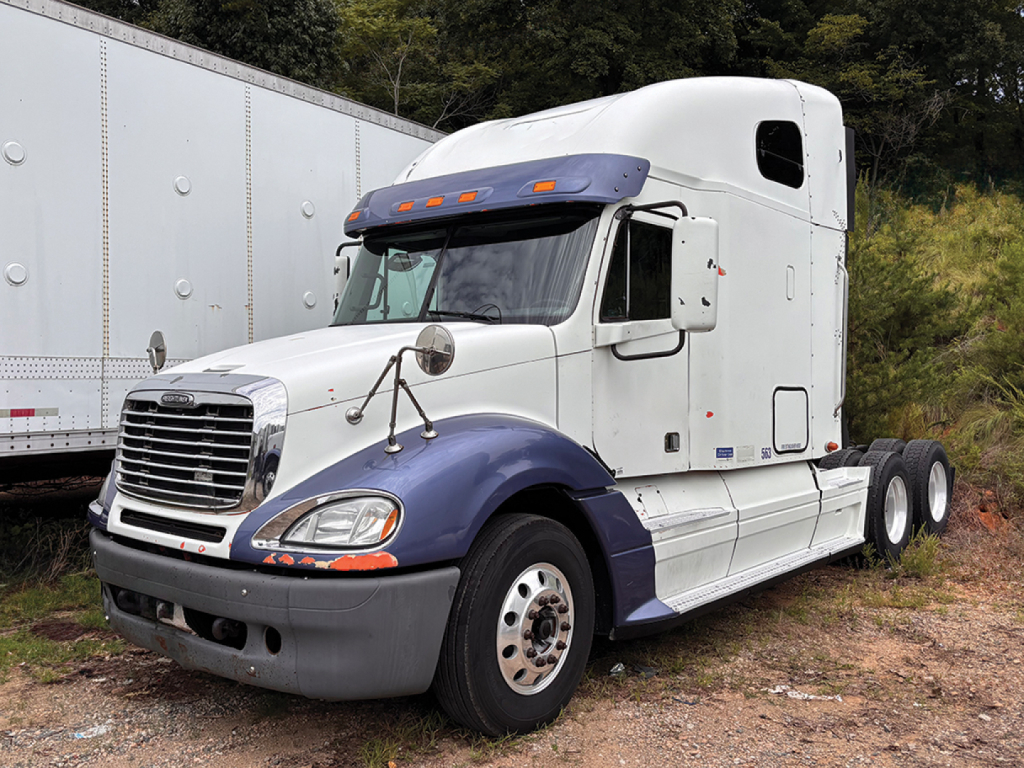
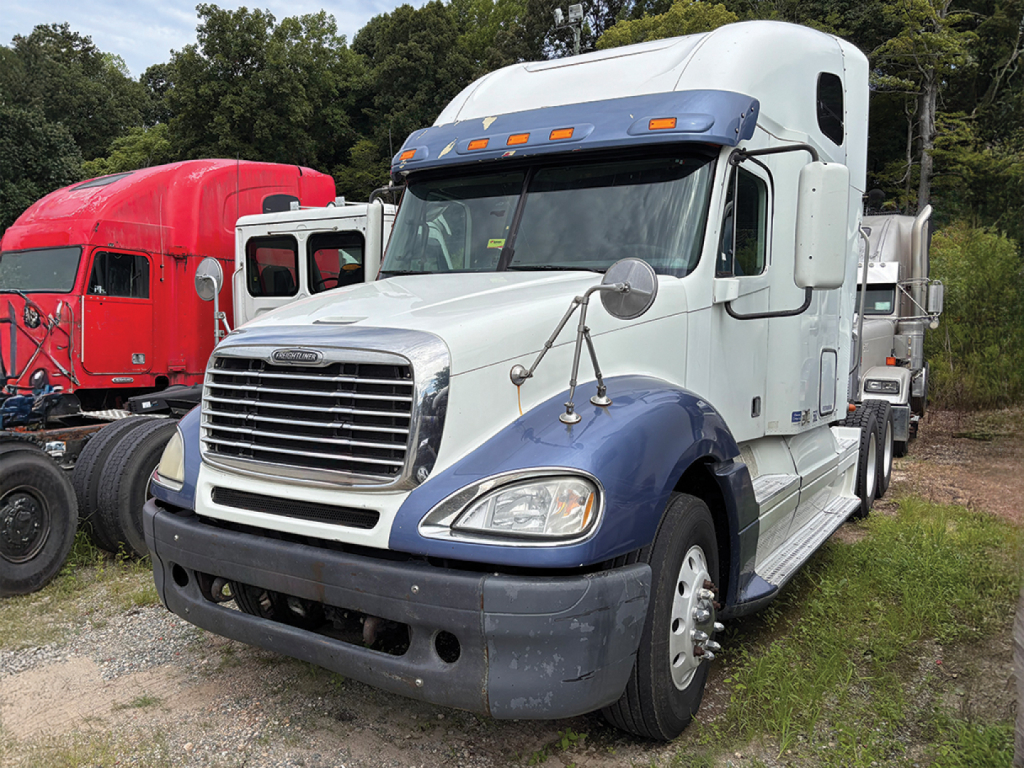
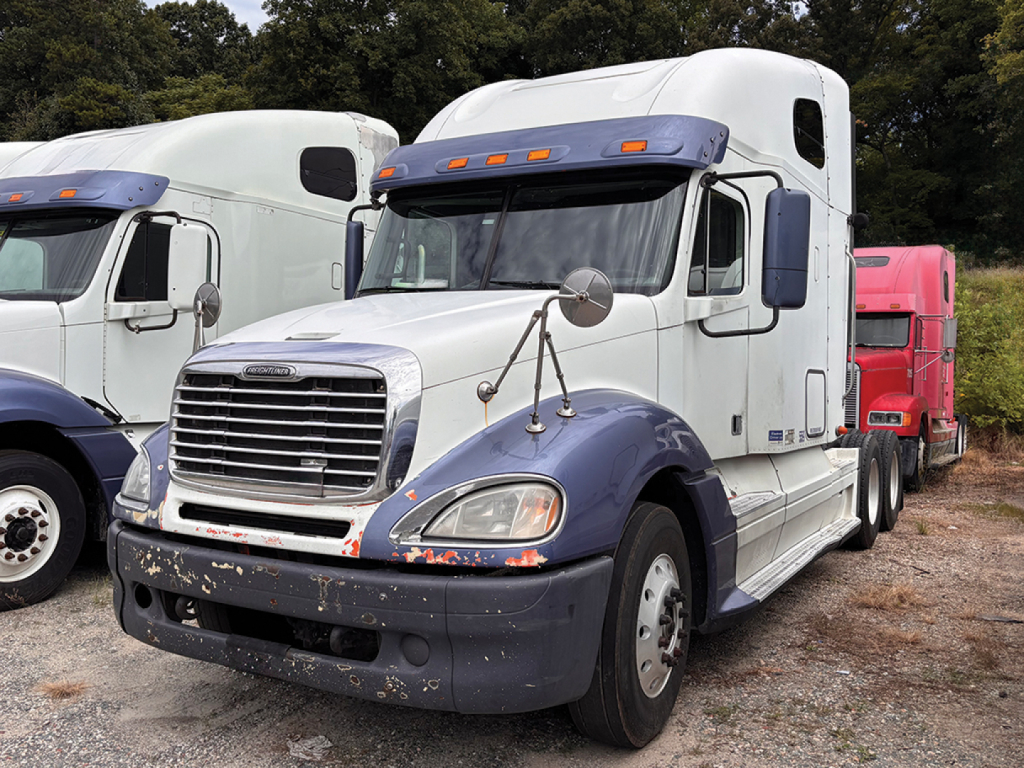

Have used 2011 freightliner conventional sleeper truck to sell? List it here to reach thousands of buyers.
Used 2011 Freightliner Conventional Sleeper Trucks in North Carolina
Sleeper layout matters because a 2011 Freightliner conventional sleeper can serve very different jobs. Raised-roof sleepers in the 60-inch to 72-inch range are common, and many include an upper bunk, dual fuel tanks, bunk heater, and driver comfort features like cruise control, power windows, and tilt-telescoping steering. For over-the-road service, buyers should compare wheelbase, fuel capacity, fairing package, and fifth wheel type. A shorter wheelbase can be easier to maneuver in tighter terminals, while a 228-inch to 230-inch wheelbase is a common balance for highway stability and trailer swing clearance. Air slide fifth wheels add flexibility if the truck will pull mixed trailer lengths or needs kingpin setting adjustment.
Freightliner sleeper tractors from this period are known for broad parts availability and a large service network, which still matters on an older used truck. In North Carolina, many buyers look for a spec that can handle a mix of interstate freight, port-related lanes, warehouse distribution, and Southeast regional runs. Aerodynamic packages with side fairings and cab extenders are better suited to fuel-conscious highway work, while more traditional setups may appeal to owner-operators who prioritize simpler mechanical layouts or glider configurations. Suspension, steering, and brake condition deserve close attention, along with evidence of maintenance on the engine brake, clutch or automated clutch system, cooling system, and emissions components if equipped.
The best used 2011 Freightliner conventional sleeper truck is the one matched to freight type and operating cost targets. A tall rear gear can help drivability in heavier service, but a faster ratio may reduce cruise rpm and improve fuel economy on long lanes. Buyers should also verify sleeper condition, bunk seals, HVAC performance, tire wear patterns, and frame integrity around the suspension and fifth wheel area. On a higher-mileage unit, service records often tell more than appearance. A well-specced Freightliner sleeper with the right engine, transmission, axle ratio, and sleeper package can still be a practical long-haul tractor for a small fleet or owner-operator.
Frequently Asked Questions about Used 2011 Freightliner Conventional Sleeper Trucks in North Carolina
What engines are common in a used 2011 Freightliner conventional sleeper truck?
Many 2011 Freightliner conventional sleeper trucks are found with Detroit engines, and the exact setup depends on whether the truck is a standard emissions-era tractor or a glider-style build. Horsepower ratings in this class commonly range from the mid-400s, which is suitable for general dry van, reefer, and regional freight. Buyers should confirm the engine family, emissions equipment present on the truck, and the maintenance history for major items such as injectors, turbocharger, cooling system, and aftertreatment if applicable.
Is a 2011 Freightliner Columbia or Cascadia better for over-the-road work?
Both can be effective over-the-road sleeper tractors, but they appeal to slightly different buyers. A Columbia often attracts buyers looking for a simpler, older-style spec and in some cases a glider configuration, while a Cascadia is generally more aerodynamic and better aligned with fuel-conscious highway operation. The better choice usually comes down to engine spec, transmission, axle ratio, wheelbase, and overall maintenance history rather than the badge alone.
What rear axle ratio should I look for in a 2011 Freightliner sleeper?
That depends on freight weight, terrain, and cruising speed. Ratios such as 2.64 or 3.08 are typically chosen for fuel economy and lighter long-haul applications, while 3.36 or 3.42 can provide stronger launch and better performance in heavier service or hillier terrain. The ratio should be considered together with tire size, transmission top gear, and expected operating speed so the truck runs in an efficient rpm range.
What should I inspect on a used 2011 Freightliner conventional sleeper before buying?
Focus on the drivetrain, frame, suspension, and sleeper condition first. Check for blow-by, coolant contamination, transmission shift quality, differential noise, and signs of neglected lubrication. Inspect the fifth wheel and frame rails for wear, verify suspension bushings and air bags, and look for uneven tire wear that may indicate alignment or steering issues. Inside the sleeper, confirm HVAC operation, bunk condition, seal integrity, and signs of water intrusion. Service records are especially valuable on a truck of this age.
Are used 2011 Freightliner sleeper trucks still a good fit for small fleets and owner-operators?
Yes, if the truck is matched to the job and has been maintained properly. A 2011 Freightliner conventional sleeper can still make sense for long-haul or regional service because parts support is strong and the platform is widely understood by shops and drivers. The key is to buy based on total operating cost, including engine condition, transmission type, axle ratio, sleeper amenities, and any upcoming repair needs, rather than purchase price alone.