
Used 2011 Freightliner Conventional Sleeper Trucks For Sale
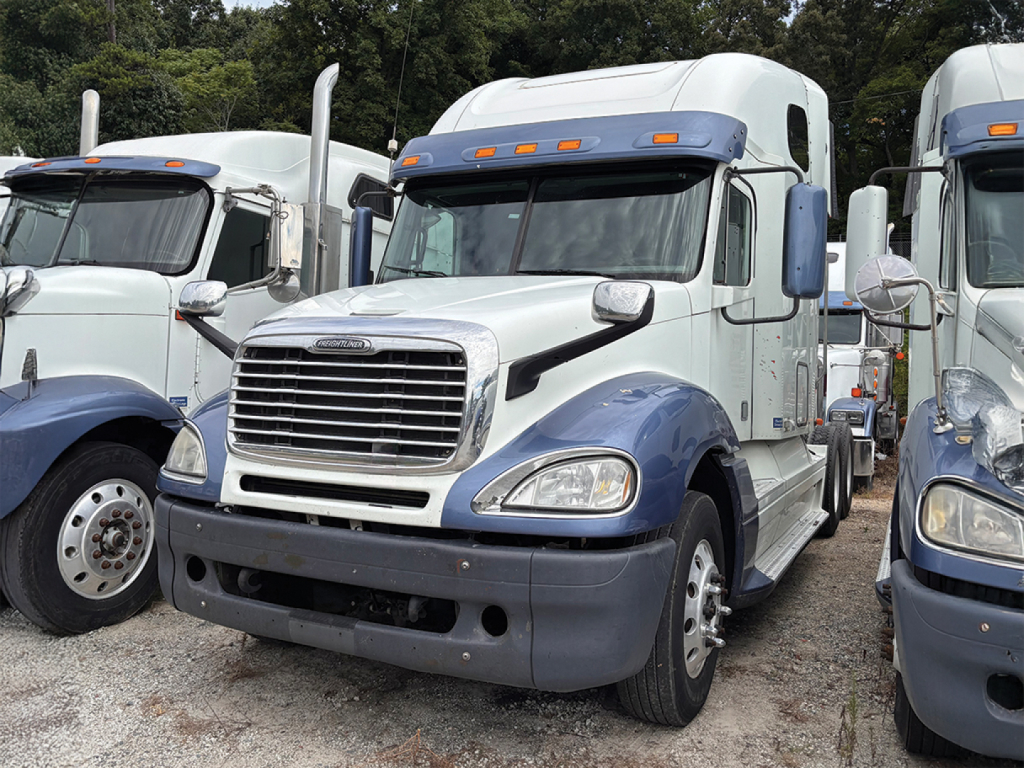
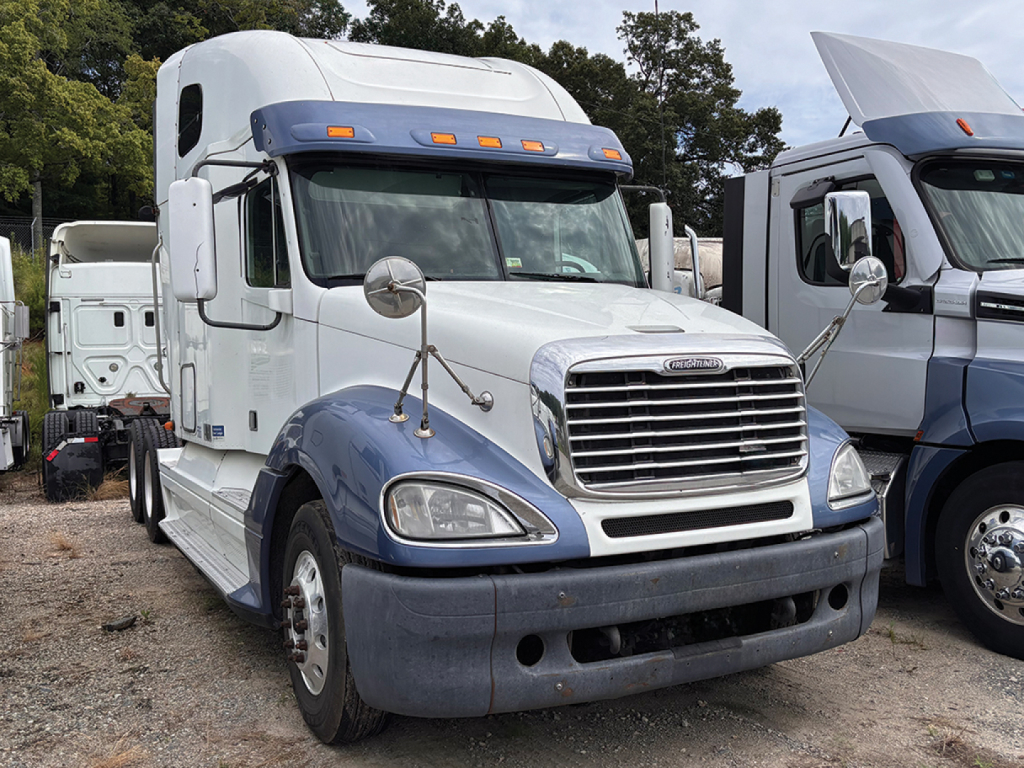
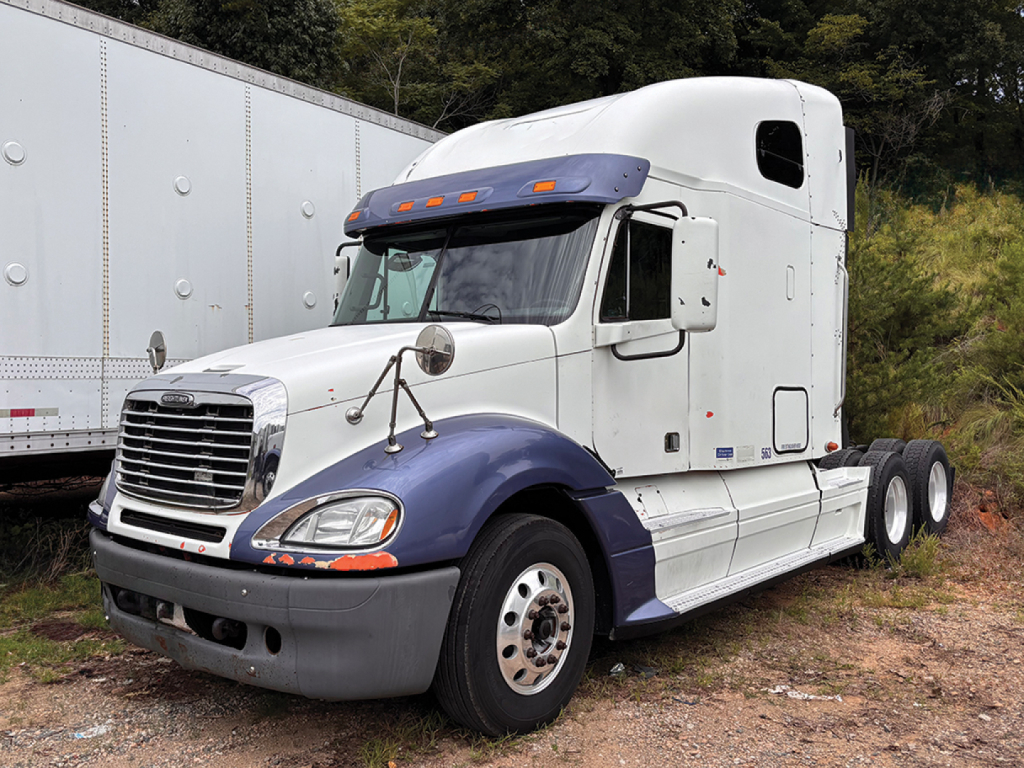
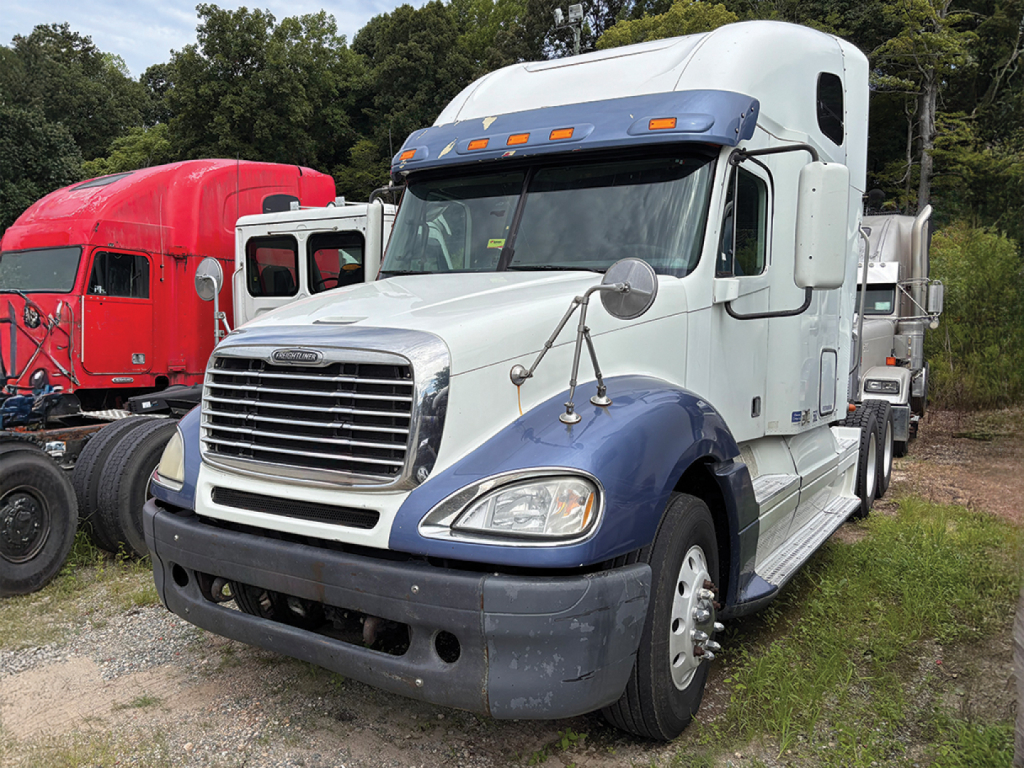
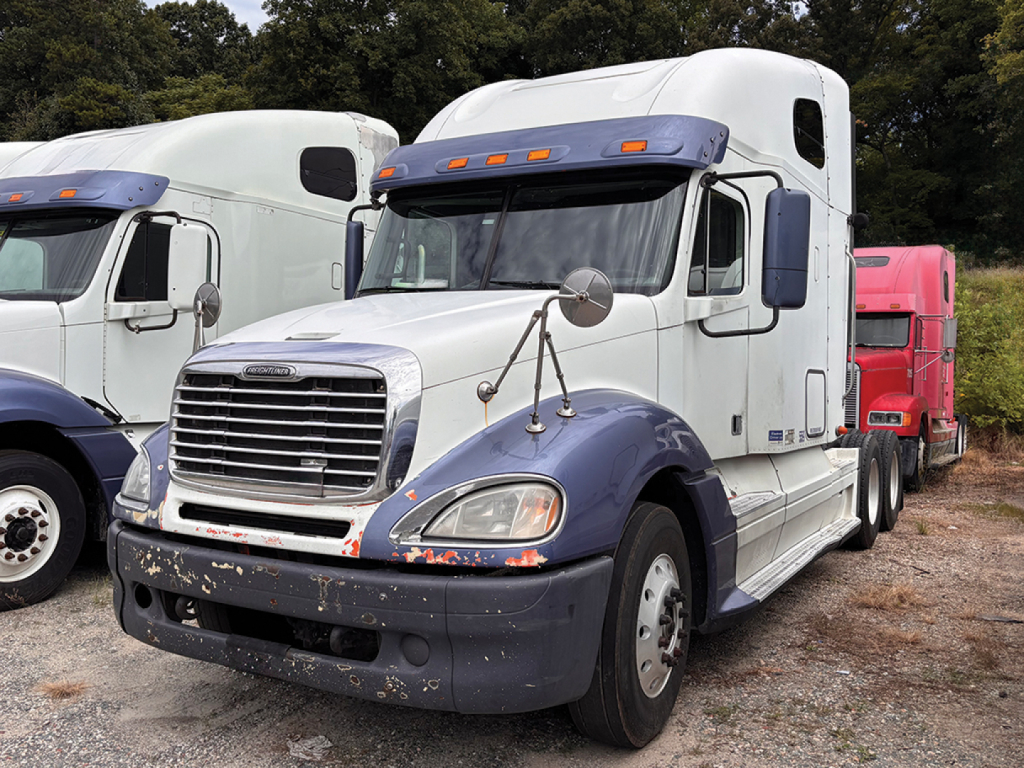

Have used 2011 freightliner conventional sleeper truck to sell? List it here to reach thousands of buyers.
Used 2011 Freightliner Conventional Sleeper Trucks
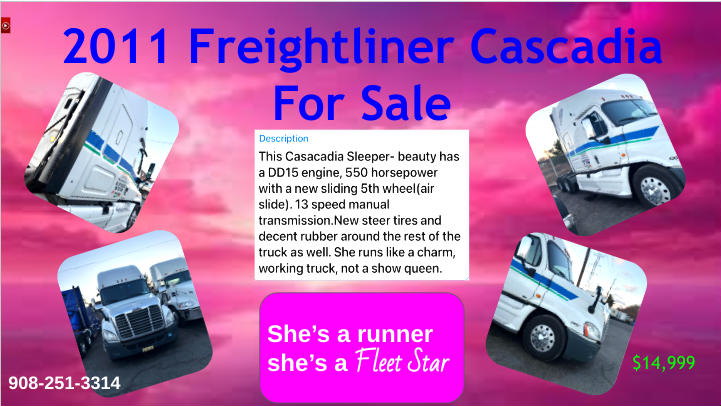
The first decision point is usually the powertrain. Many 2011 Freightliner sleeper tractors were spec'd with Detroit DD13 or DD15 engines, and some may also show Cummins or other regional fleet specs depending on original ownership. Transmission choices in this class often include 10-speed or 13-speed manual setups, along with automated manual transmissions on some later-spec trucks. Rear axle ratings commonly land around 40,000 lbs, with ratios selected for fuel mileage or mixed terrain performance. Wheelbases often fall in the 225-inch to 235-inch range for highway freight, but actual spec should be matched to trailer gap, weight distribution, and kingpin setting requirements. A 60-inch to 72-inch sleeper is common, and double bunk configurations matter for teams or for operators who want more onboard storage and downtime comfort.
Because this is a 2011 emissions-era truck, aftertreatment condition deserves close attention. A serious buyer should review DPF service records, regen history, injector work, turbo condition, EGR components, and any evidence of repeated fault-code activity. On used conventional sleeper trucks, mileage alone does not tell the full story. A well-documented fleet-maintained unit with consistent preventive maintenance can be a better buy than a lower-mile truck with unclear idle hours, poor service intervals, or deferred emissions repairs. It also pays to check suspension type, brake spec, tire size, fifth wheel style, fuel capacity, and whether the truck has practical road features such as engine brake, fairings, cruise control, APU prep, inverter, or bunk HVAC.
Freightliner conventional sleepers from this model year fit buyers running regional lanes, irregular route freight, or over-the-road miles who need a proven aerodynamic tractor without paying newer-model pricing. The cab layout is generally straightforward, visibility is good, and many operators like the Cascadia for its familiar controls and broad parts network. The best unit for the job is the one whose drivetrain matches your freight and terrain, whose sleeper matches your time on the road, and whose maintenance file supports reliable operation after purchase.
Frequently Asked Questions about Used 2011 Freightliner Conventional Sleeper Trucks
What engine options are common in a used 2011 Freightliner conventional sleeper truck?
The most common engine families in a 2011 Freightliner conventional sleeper are Detroit DD13 and DD15, especially in Cascadia models. The DD13 is often chosen for lighter highway applications and fuel-focused operation, while the DD15 is a frequent choice for heavier or broader duty cycles where more torque is useful. Buyers should confirm horsepower, torque rating, emissions system history, and any major engine work already completed, because the same model truck can perform very differently depending on its original spec and maintenance record.
What should I inspect on a 2011 Freightliner sleeper before buying?
Focus on aftertreatment records, engine fault history, transmission operation, clutch wear if equipped with a manual, axle ratio, suspension condition, and frame integrity. Ask for DPF cleaning intervals, injector and turbo history, EGR and DEF system repairs if applicable, and any recent overhead or coolant system work. It is also important to inspect the sleeper condition, bunk HVAC, fairings, cab mounts, fifth wheel wear, tire condition, and signs of excessive idle time. A diagnostic scan and maintenance file review are highly valuable on this year range.
Is a 2011 Freightliner Cascadia sleeper a good fit for over-the-road use?
Yes, a 2011 Freightliner Cascadia sleeper can still be a practical over-the-road tractor if the spec matches the route and the truck has been maintained correctly. These trucks were commonly built for long-haul freight and are known for aerodynamic design, decent driver ergonomics, and widespread parts availability. The sleeper size, fuel capacity, wheelbase, and gearing should be matched to your operating pattern, and the emissions system should be evaluated carefully because reliability in this class depends heavily on upkeep.
What sleeper sizes are typical on 2011 Freightliner conventional sleepers?
Many used 2011 Freightliner conventional sleeper trucks were built with sleepers in the 60-inch to 72-inch range, often in mid-roof or high-roof configurations. A 60-inch sleeper can work well for solo regional or shorter over-the-road runs, while a 72-inch double bunk setup offers more living space for longer trips, team operations, or operators who keep more gear in the cab. The right sleeper size depends on length of haul, driver preference, and how much onboard storage and comfort you need.
Why do axle ratio and wheelbase matter on a conventional sleeper tractor?
Axle ratio and wheelbase directly affect fuel economy, drivability, maneuverability, and trailer compatibility. A taller highway ratio can help reduce engine rpm and improve fuel mileage on flatter lanes, while a deeper ratio can be more forgiving in heavier freight or hillier terrain. Wheelbase influences turning radius and the gap between tractor and trailer, which matters for weight distribution and kingpin settings. A buyer comparing similar 2011 Freightliner sleepers should treat these specs as core operating decisions, not minor details.