
Used 2004 Conventional Sleeper Trucks For Sale
Compare used 2004 conventional sleeper trucks for sale by engine emissions, gearing and sleeper size, with checks for ECM history and age-related wear.
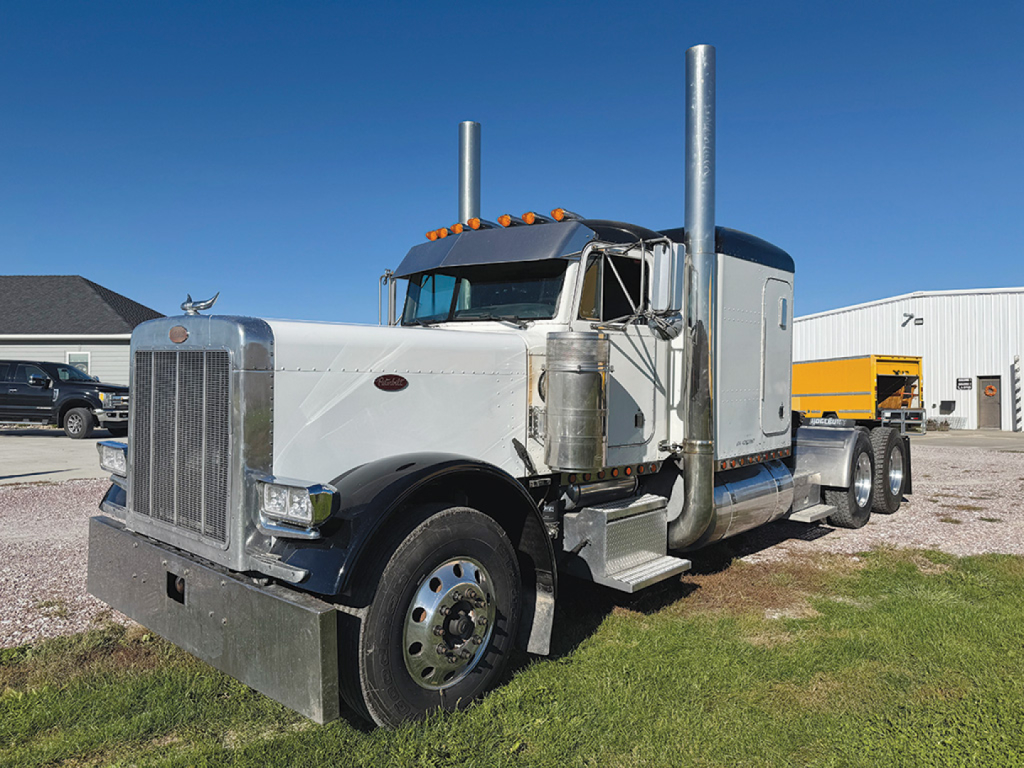
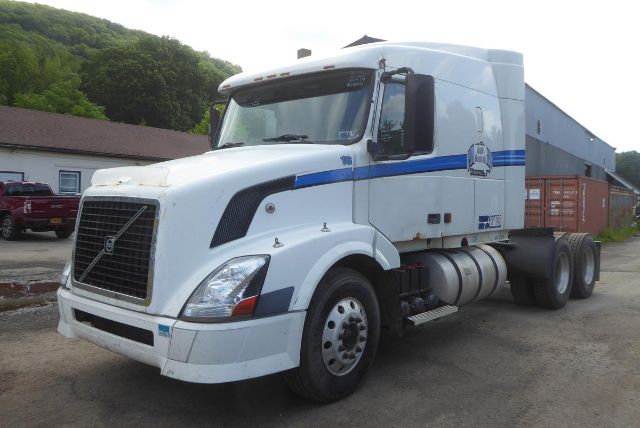

Selling a used 2004 conventional sleeper truck? List your used 2004 conventional sleeper truck for sale and reach thousands of commercial buyers.
Used 2004 Conventional Sleeper Trucks
Match sleeper height and wheelbase to the trailer: high-roof bunks fit tall van or reefer work, while flat-tops can suit flatbed service. Compare axle ratio against tire diameter and transmission top gear, not horsepower alone. Check fifth-wheel travel, cab clearance and actual empty weight; heavier axle ratings do not establish legal payload.
At more than two decades old, maintenance documentation matters more than cosmetic condition. Reconcile odometer readings with ECM miles, engine hours and overhaul invoices, allowing for documented ECM replacements. Arrange a cold start, cooling-system pressure test and oil analysis, and inspect excessive blow-by, air leaks and frame repairs. A loaded road test should expose weak clutch engagement, gear-selection problems and driveline vibration. Northern US and Canadian road salt warrants close inspection of frame rails, crossmembers, suspension brackets and air lines. Confirm California emissions eligibility and applicable state or provincial axle rules before committing to routes or lift-axle configurations.
Frequently Asked Questions about Used 2004 Conventional Sleeper Trucks
Is a 2004 sleeper truck considered pre-emissions?
No. A 2004 conventional sleeper tractor is normally pre-DPF and pre-DEF, not free of emissions controls. Many Cummins ISX and Detroit Series 60 engines from this period use cooled EGR; Caterpillar C15 configurations vary with engine build date and serial-number prefix. Check the emissions label and obtain engine-specific service records before evaluating repair exposure or legal operating territory.
Should I choose a 10-speed or 13-speed transmission in a 2004 sleeper tractor?
A 13-speed gives finer ratio steps for changing grades and loads, while a 10-speed can be sufficient for steady highway operation. The better specification also considers engine torque, axle ratio and loaded combination weight. On a used 2004 sleeper tractor, test splitter operation, listen for gear noise and check for jumping out of gear under load or deceleration.
What does an ECM mileage mismatch mean on a used 2004 sleeper truck?
An ECM mileage mismatch requires documentation, but does not by itself prove odometer tampering on a used 2004 sleeper truck. Engine controllers, instrument clusters and complete engines may have been replaced during the truck's service life. Compare dated repair invoices, inspection records and engine serial numbers, and have a technician retrieve available ECM totals and fault history before accepting the displayed mileage.
Can I run a 2004 conventional sleeper tractor in California?
A 2004 conventional sleeper tractor with its original 2004 diesel engine generally cannot perform ordinary California linehaul under the Truck and Bus Regulation. For covered diesel trucks above 26,000 pounds GVWR, the standard is a 2010 or newer engine. The rule also covers out-of-state trucks operating in California; confirm any exemption or replacement-engine compliance directly with CARB before assigning California freight.
Does a 2004 sleeper tractor need an APU for overnight stops?
An APU is not universally required, but auxiliary heating and cooling can reduce overnight main-engine idling in a 2004 sleeper tractor. A fuel-fired bunk heater supplies heat, not summer air conditioning. Inspect any retrofit for secure mounting, protected wiring, fuel-line condition and service access. Check local idling restrictions and auxiliary-engine rules rather than assuming an older tractor or installed APU is exempt.