
Used 2000 Conventional Sleeper Trucks For Sale in North Carolina
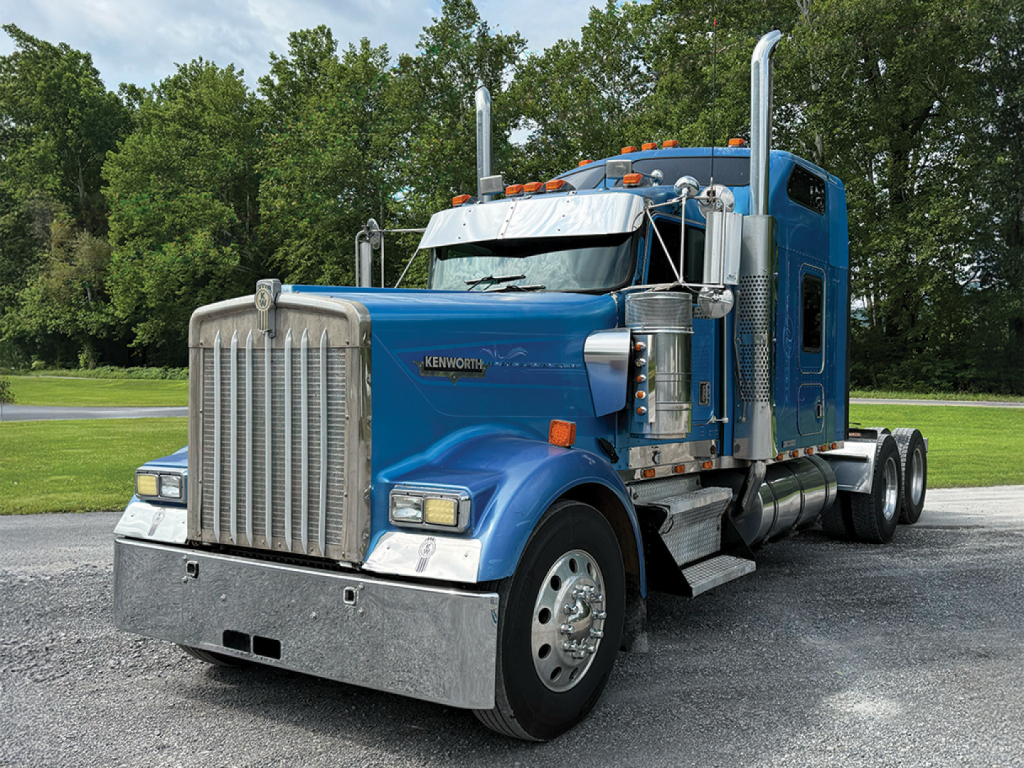
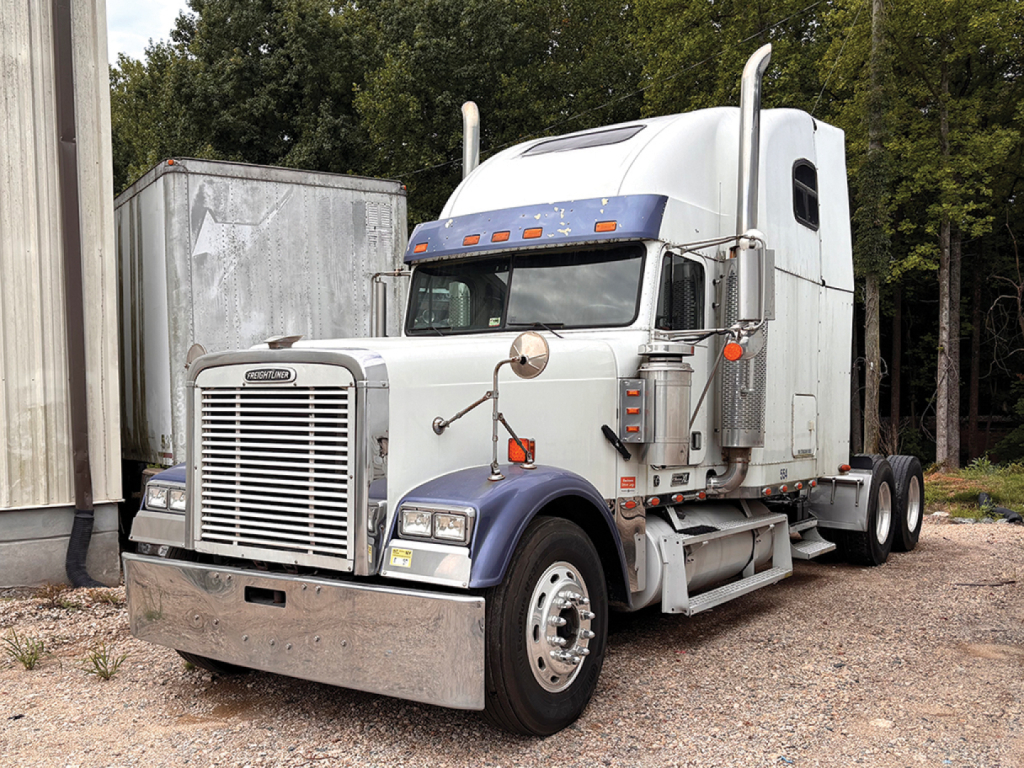
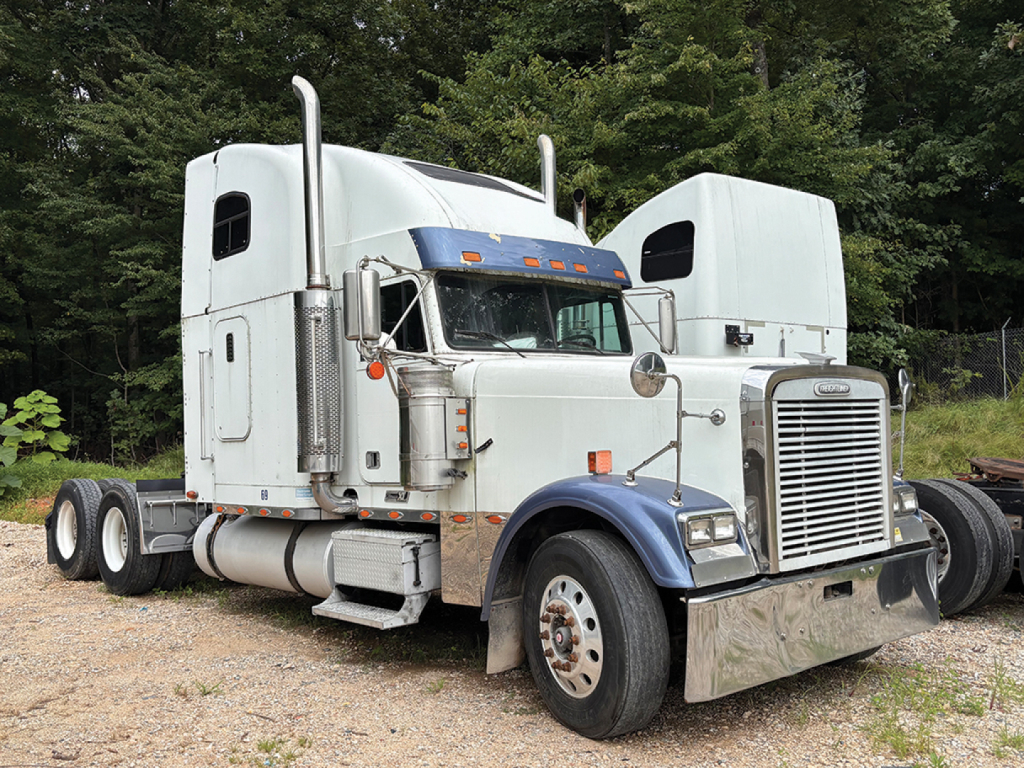
Have used 2000 conventional sleeper truck to sell? List it here to reach thousands of buyers.
Used 2000 Conventional Sleeper Trucks in North Carolina
On a 2000 conventional sleeper, the core buying decisions are engine family, transmission type, rear axle ratio, and overall chassis spec. Trucks from this era were commonly equipped with engines such as the Caterpillar C15 or 3406E, Cummins N14 or early ISX, and Detroit Series 60, often paired with 10-speed, 13-speed, or 18-speed manual transmissions. A highway spec with a taller rear ratio can be efficient on interstates, while a shorter ratio is better if the truck will see heavier loads or mixed terrain. It is also smart to check suspension type, steer and drive tire sizes, fifth wheel travel, and wheelbase, since those details affect trailer compatibility, turning radius, and how the truck handles specific freight.
Condition matters more than original spec on a used 2000 sleeper. Pay close attention to engine overhaul history, oil and coolant condition, blow-by, transmission operation, differential noise, suspension wear, and frame condition around crossmembers and fifth wheel mounts. Cab and sleeper leaks, HVAC performance, bunk heater operation, and the condition of the interior are important on an older road truck because downtime usually starts with neglected secondary systems. Since these trucks are now well into used-equipment age, many buyers also verify brake type, air system health, charging system output, and whether major emissions simplicity is part of the appeal compared with newer tractors.
A conventional sleeper truck is also known as a sleeper tractor or road tractor with sleeper. For many buyers, the value in a 2000 model comes from a simpler platform, easier owner-service access, and a lower entry cost than late-model highway tractors. The best choice depends on intended gross weight, trip length, preferred engine platform, and how much cab space the driver needs. A truck set up for coast-to-coast work will not be spec'd the same as one running shorter dedicated lanes, so it pays to match sleeper size, fuel capacity, gearing, and drivetrain strength to the freight before comparing price alone.
Frequently Asked Questions about Used 2000 Conventional Sleeper Trucks in North Carolina
What should I check first on a used 2000 conventional sleeper truck?
Start with the drivetrain and structural condition. Engine history, signs of blow-by, coolant contamination, transmission shift quality, rear axle noise, and frame condition are more important than appearance on a truck of this age. After that, inspect the sleeper and cab for water leaks, HVAC function, bunk condition, electrical repairs, and air system performance. Maintenance records and evidence of major component work can make a big difference in long-term value.
Which engine options are common in 2000 conventional sleeper trucks?
Many 2000 conventional sleepers were built with Detroit Series 60, Caterpillar 3406E or C15, and Cummins N14 or early ISX engines, depending on make and spec. Each has a different service profile, parts availability picture, and performance feel. Buyers usually focus on horsepower and torque ratings, overhaul history, and whether the engine matches the truck's intended use rather than choosing by brand name alone.
Is a 2000 conventional sleeper truck good for long-haul work?
It can be, provided the truck is properly spec'd and in sound mechanical condition. Sleeper size, fuel capacity, axle ratio, and transmission all affect how comfortable and efficient the truck will be on longer runs. Many trucks from this model year were designed for highway service and still appeal to buyers who prefer simpler mechanical systems, but reliability depends heavily on prior maintenance and current component condition.
What sleeper size is best in this category?
That depends on trip length and driver requirements. Smaller sleepers save weight and can improve maneuverability, while larger mid-roof or raised-roof sleepers offer more storage and rest space for extended runs. If the truck will stay on short regional lanes, a compact sleeper may be enough. If it will spend several nights out each week, the extra room and comfort of a larger sleeper usually make more sense.
Why do some buyers still prefer older conventional sleeper trucks?
Older conventional sleepers remain attractive because they often have simpler systems, lower purchase cost, and familiar serviceability for independent operators and small fleets. Buyers who do their own maintenance may value easier engine access and fewer electronic layers compared with later-model tractors. The tradeoff is that an older truck usually requires more careful inspection, more preventive maintenance, and a realistic repair budget.