
Used 2000 Conventional Sleeper Trucks For Sale
Browse used 2000 conventional sleeper trucks with classic long-hood specs, raised-roof sleepers, manual transmissions, and heavy-haul-ready drivetrains.
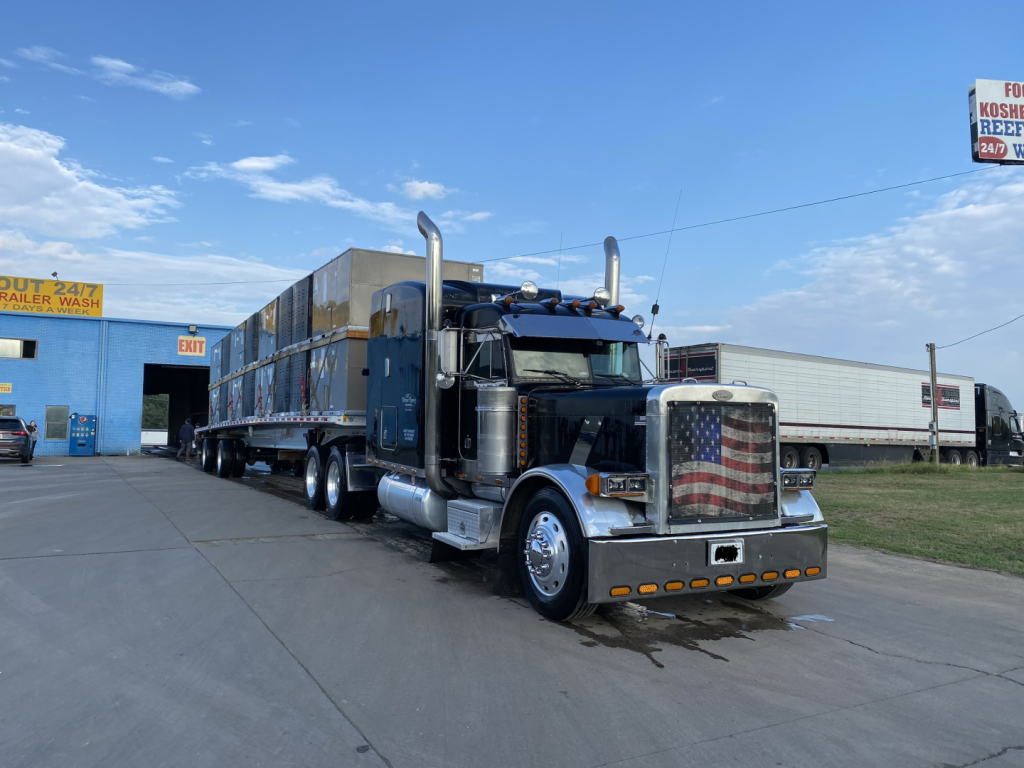
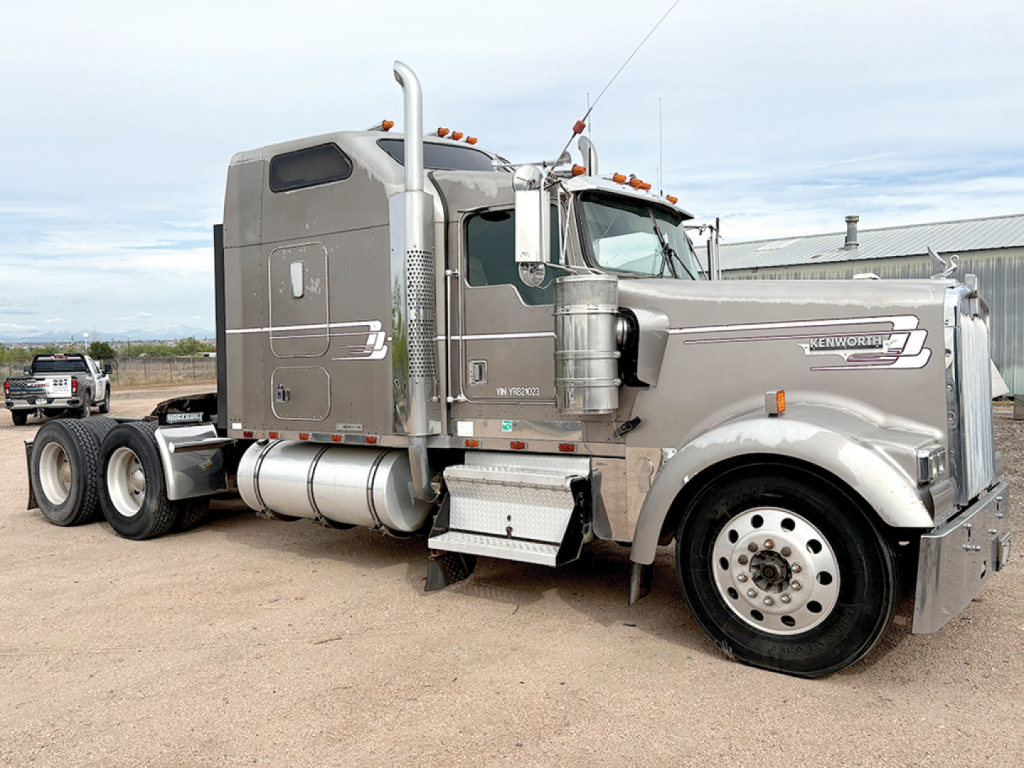
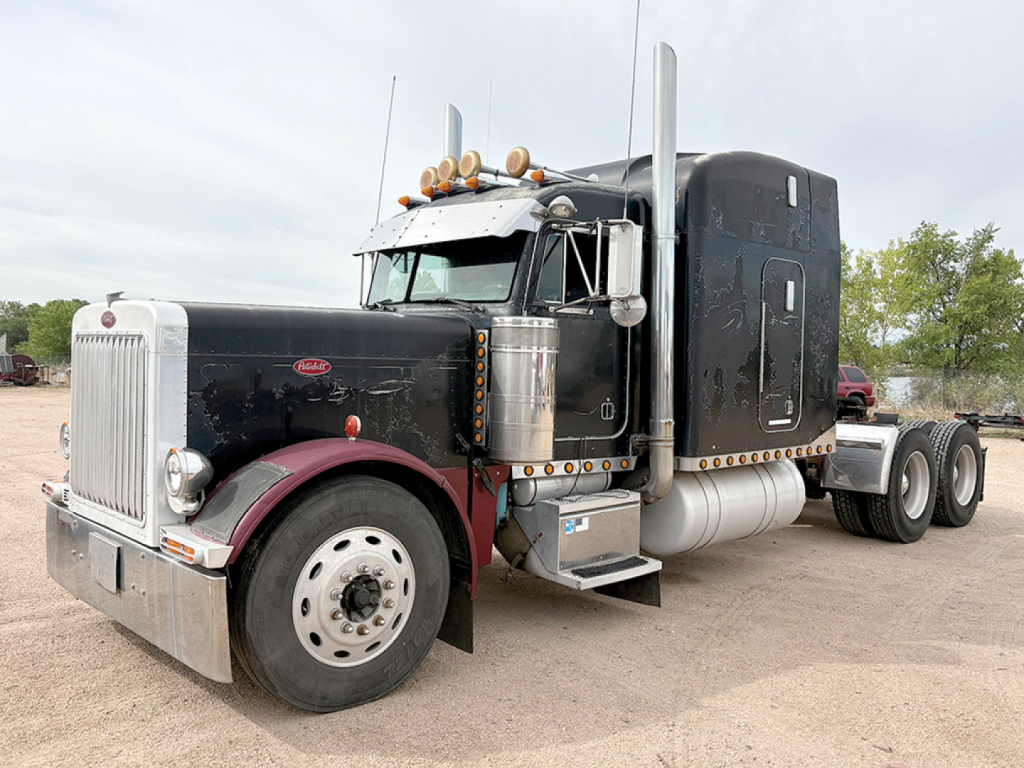
Have used 2000 conventional sleeper truck to sell? List it here to reach thousands of buyers.
Used 2000 Conventional Sleeper Trucks
The biggest buying decisions usually come down to engine, transmission, rear ratio, and wheelbase. A 2000 conventional sleeper often carries a Detroit Series 60 12.7L, Caterpillar 3406E or C15, Cummins N14, or an early ISX, typically paired with a 10-speed, 13-speed, or 18-speed manual. Horsepower ratings commonly fall in the 400 to 500 HP range, with 40,000-lb rears and air ride suspension seen frequently. Buyers should look closely at axle ratio and tire size because those specs tell you a lot about how the truck was intended to run. A 3.36 or 3.55 ratio may suit highway fuel economy, while deeper ratios are more favorable for heavier starts and vocational crossover use. Wheelbase, fuel capacity, fifth wheel travel, and sleeper size also matter if the truck will be matched to a specific trailer or route.
Condition matters more than brand reputation in this age group. A well-documented inframe, clutch, transmission rebuild, rear end work, suspension refresh, and cooling system service can make an older sleeper far more valuable than a cleaner-looking truck with unknown history. Check for frame corrosion, cab mount wear, front end looseness, air system leaks, bunk HVAC function, and signs of prior electrical modifications. Interior wear is expected, but dash condition, gauge operation, seat base integrity, and sleeper equipment function still tell you how the truck was treated. On pre-2007 trucks, many buyers also value the absence of later DPF and DEF systems, but that should never replace a thorough inspection of engine health, blow-by, oil leaks, and driveline condition.
A used 2000 conventional sleeper truck can still be a practical purchase for the right operation, especially for buyers who prioritize mechanical familiarity and lower acquisition cost over newer cab aerodynamics and integrated safety tech. These trucks are often favored by experienced owner-operators, small fleets, and specialty haulers who want a platform that is easier to diagnose and customize. The best fit comes from matching the spec to the job, not just the badge on the hood. A highway truck with a raised-roof sleeper, tall gearing, and long wheelbase will serve a very different purpose than a shorter wheelbase tractor spec'd for heavier loads and more frequent maneuvering.
Frequently Asked Questions about Used 2000 Conventional Sleeper Trucks
What engines are most common in used 2000 conventional sleeper trucks?
Common engines in 2000 conventional sleeper trucks include the Detroit Series 60 12.7L, Caterpillar 3406E or C15, Cummins N14, and some early ISX applications. These engines are popular because parts availability and technician familiarity remain relatively strong. The right choice depends on service history, horsepower rating, and how the truck was spec'd, since condition and maintenance usually matter more than engine badge alone in this age range.
Are 2000 conventional sleeper trucks good for owner-operators?
They can be a strong fit for owner-operators who want lower upfront cost, mechanical simplicity, and a classic long-hood platform. Many buyers like these trucks for over-the-road work, flatbed, livestock, and specialized hauling where appearance, durability, and driveline choice matter. The tradeoff is that an older truck may require more immediate maintenance planning, so repair records and a solid pre-purchase inspection are critical.
What should I inspect first on a used 2000 conventional sleeper?
Start with the engine, transmission, rears, frame, suspension, and cooling system. Look for documentation of major repairs such as an inframe overhaul, clutch replacement, transmission rebuild, and differential work. Then check for blow-by, oil or coolant leaks, steer axle and kingpin wear, air leaks, brake condition, and corrosion on the frame or cab structure. A road test should confirm shift quality, driveline smoothness, steering play, and brake performance.
Do 2000 conventional sleeper trucks have emissions equipment like DPF or DEF?
Most 2000 model conventional sleeper trucks were built before DPF and DEF systems became standard on heavy-duty highway trucks. That is one reason some buyers seek them out. Even so, buyers still need to verify the exact engine configuration and any modifications, because age, state compliance rules, and previous owner changes can affect how the truck is equipped and where it can be operated.
What transmission and axle specs are common on a 2000 conventional sleeper truck?
Many 2000 conventional sleeper trucks were spec'd with 10-speed, 13-speed, or 18-speed manual transmissions and 40,000-lb tandem rears on air ride suspension. Rear axle ratios often vary from economy-oriented highway gearing to deeper ratios better suited for heavier loads or mixed-use service. These specs directly affect cruise RPM, startability, grade performance, and fuel use, so they should be matched to the trailer type and operating terrain.