
New Mack Conventional Sleeper Trucks For Sale in Texas
Shop new Mack conventional sleeper trucks in Texas. Compare MP13 power, M-Drive specs, sleeper sizes, wheelbases, and long-haul features.
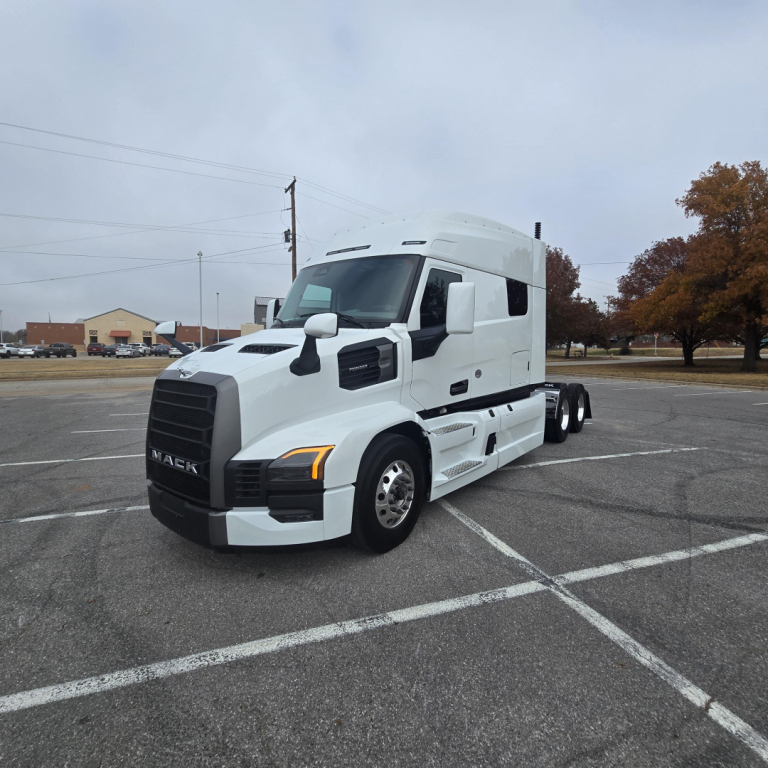
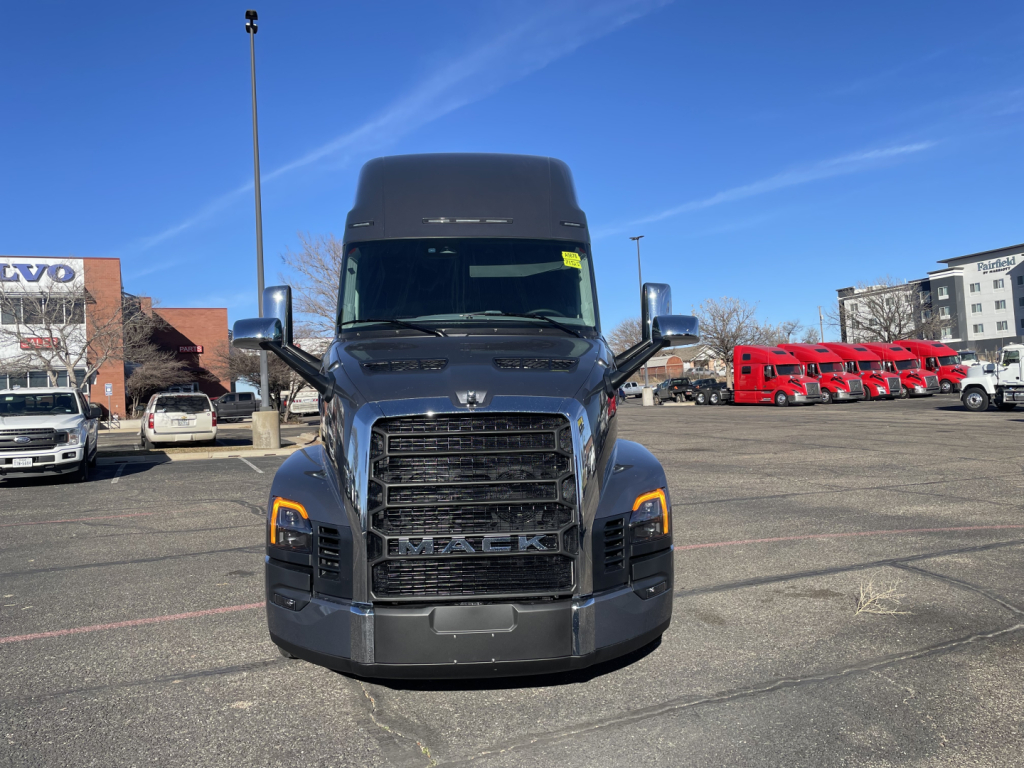
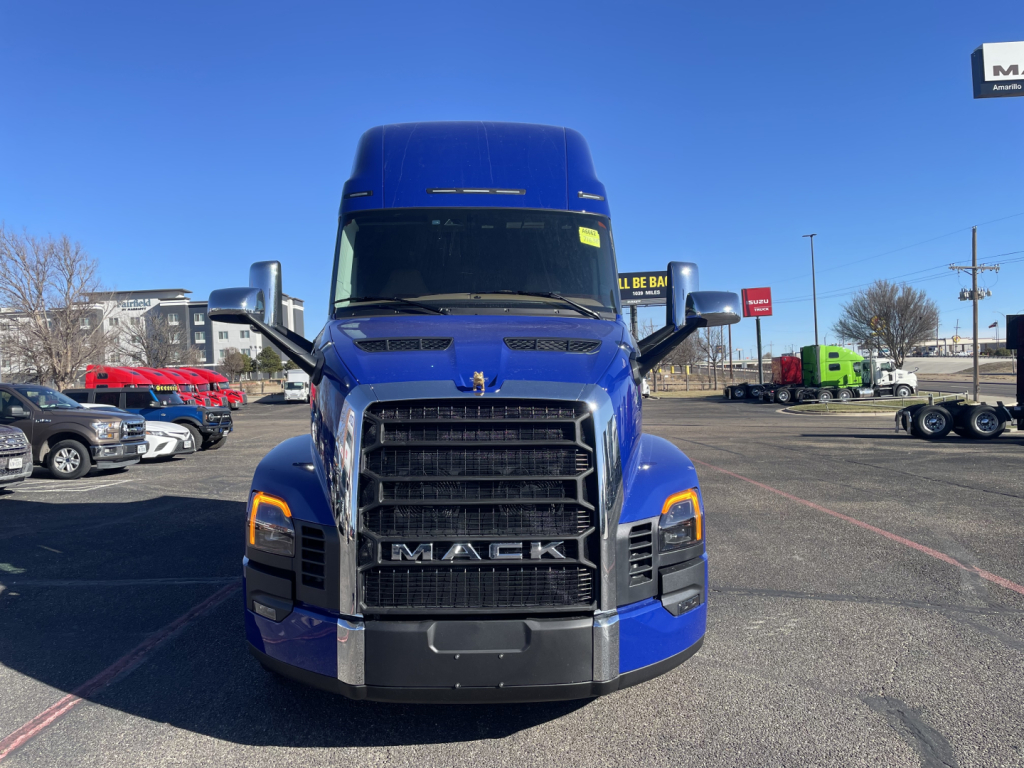
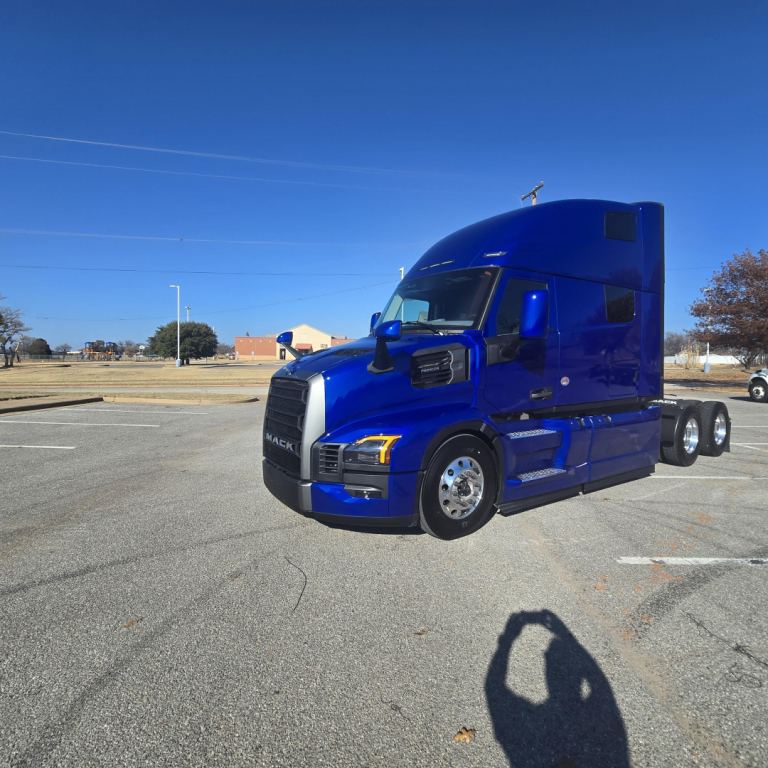
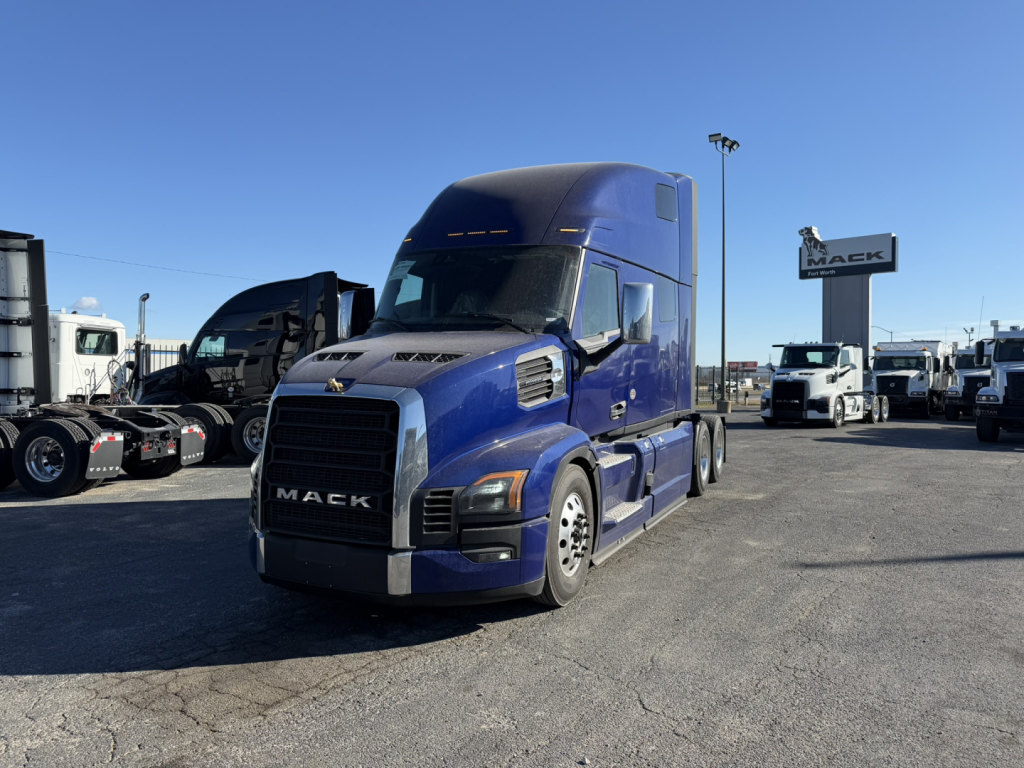
Showing 29 to 33 of 33 results
Selling a new mack conventional sleeper truck? List your new mack conventional sleeper truck for sale and reach thousands of commercial buyers.
New Mack Conventional Sleeper Trucks in Texas
The biggest buying decisions usually come down to sleeper size, horsepower, rear axle ratio, and wheelbase. A 64-inch sleeper can be a strong fit for tighter regional lanes or teams that do not need maximum living space, while a 76-inch sleeper gives more room for long-haul operation and extended nights in the truck. Texas buyers often pay close attention to fuel capacity and cooling performance because longer runs, wide operating territory, and hot weather can make dual tanks, battery management upgrades, parking HVAC, and APUs more than just convenience items. Specs like a 445 HP to 515 HP rating, 2.79 or 3.42 rear ratios, and 226-inch to 247-inch wheelbases can significantly change how the truck performs in fuel mileage, startability, and trailer versatility.
Safety and driver-assist equipment have become a major factor in new Mack sleeper trucks, especially for fleets managing insurance exposure and driver retention. It is common to see adaptive cruise control, collision mitigation, back-up cameras, full disc brakes, and differential locks on newer highway-spec Macks. Buyers should also evaluate fifth wheel style and travel, front axle rating, suspension spec, and whether the truck is ordered with overdrive gearing for linehaul work. Interior trim levels, inverter packages, microwave prep, and factory-installed comfort packages also deserve attention because they affect resale value and day-to-day usability just as much as the drivetrain on a sleeper tractor.
For Texas freight, a new Mack conventional sleeper is often selected for dry van, reefer, flatbed, and dedicated contract hauling where dependable highway miles are the priority. Mack’s highway platform is designed to balance durability with a more driver-focused cab environment, and that matters when a truck is expected to stay productive across long lanes and high annual mileage. When comparing listings in this class, focus less on model code alone and more on the full operating spec: engine rating, transmission version, axle ratio, suspension, brake package, sleeper height, fuel capacity, and onboard idle-reduction equipment. Those details will tell you how well the truck matches your freight, terrain, and cost-per-mile targets.
Frequently Asked Questions about New Mack Conventional Sleeper Trucks in Texas
What engine and transmission are common in new Mack conventional sleeper trucks?
Many new Mack conventional sleeper trucks are spec'd with the Mack MP13 engine and the Mack M-Drive automated manual transmission. In highway applications, this pairing is popular because it delivers strong torque for loaded interstate operation while helping standardize shifting performance across drivers. Buyers should still verify horsepower rating, torque output, overdrive configuration, and rear axle ratio together, because those specs determine how the truck will perform in both fuel economy and gradeability.
What is the difference between a 64-inch sleeper and a 76-inch sleeper on a Mack highway tractor?
A 64-inch sleeper generally gives you a more compact tractor with less overall length and enough space for regional or shorter-duration over-the-road work. A 76-inch sleeper provides more room for storage, rest, and onboard amenities, which is valuable for long-haul drivers, team operations, and fleets focused on driver comfort. The larger sleeper can add weight and wheelbase, so the right choice depends on lane length, trailer swing clearance, and how much living space the operation truly needs.
Which specs matter most when buying a new Mack sleeper truck in Texas?
In Texas, fuel capacity, cooling and idle-management equipment, axle ratio, and wheelbase are especially important. Long distances between terminals, hot weather, and extended highway operation make APUs, parking heaters and coolers, battery management systems, and larger tank setups practical features rather than extras. Buyers should also match horsepower and gearing to their typical gross weight and terrain, especially if the truck will run across West Texas grades or multi-state long-haul routes.
Are full disc brakes and driver-assist features worth it on a new sleeper tractor?
For many buyers, yes. Full disc brakes can improve stopping consistency and serviceability in highway use, while features such as adaptive cruise control, collision mitigation, and back-up cameras can reduce driver workload and support fleet safety goals. These systems can also influence insurance considerations, driver acceptance, and resale appeal, particularly in late-model sleeper tractors used in higher-mileage fleet service.
How should I compare one new Mack conventional sleeper listing to another?
Start with the operating spec instead of the paint, trim, or model code. Compare engine horsepower, transmission model, rear axle ratio, suspension, front and rear axle ratings, wheelbase, fifth wheel setup, sleeper size, fuel tank capacity, and idle-reduction equipment. Then look at comfort and safety packages, because features like inverter systems, parking HVAC, upgraded interiors, and collision-avoidance technology can materially affect total ownership value in a long-haul truck.