
Mack Conventional Sleeper Trucks For Sale in Florida
Shop Mack conventional sleeper trucks for long-haul freight, with MP8 power, mDrive automation, stand-up sleepers, and highway-focused specs.
No exact matches found for your search
Showing Conventional Sleeper Trucks in Florida instead.
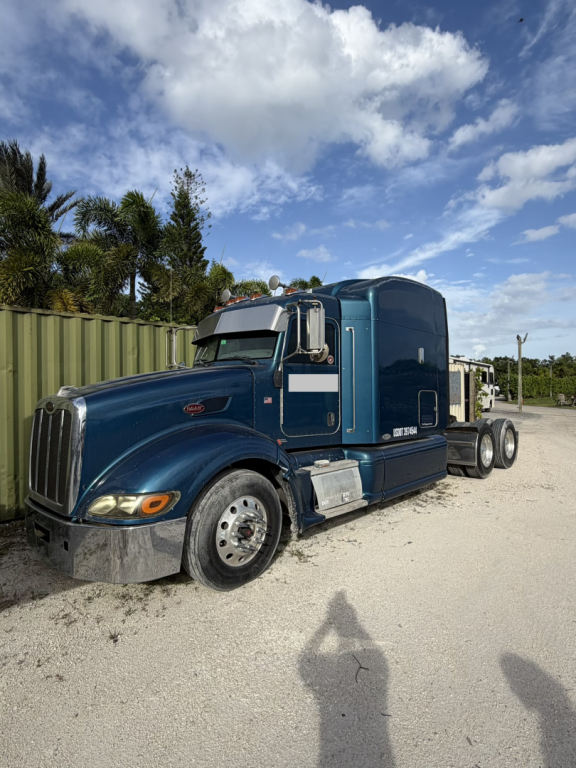
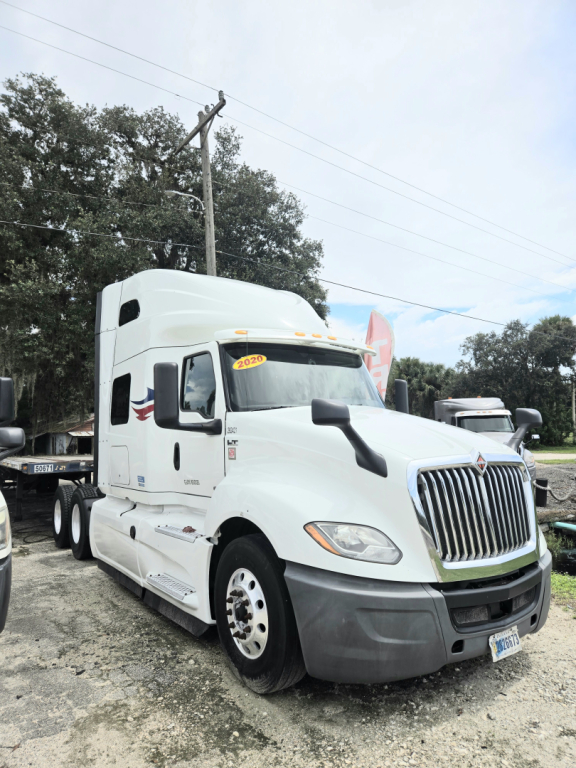
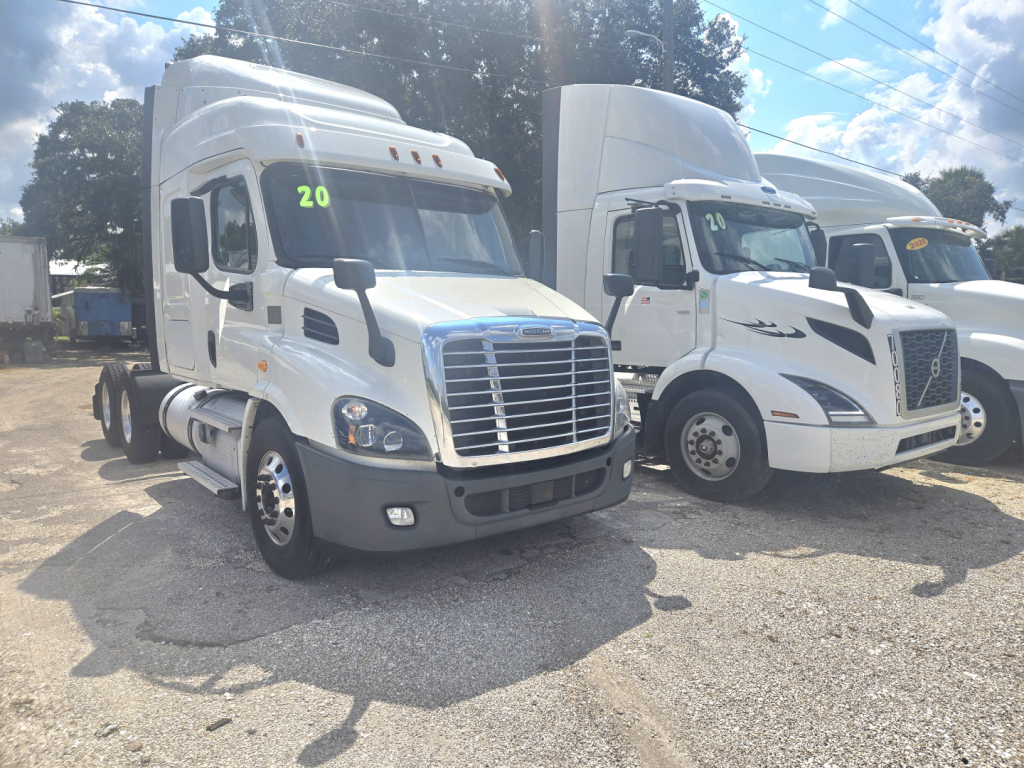
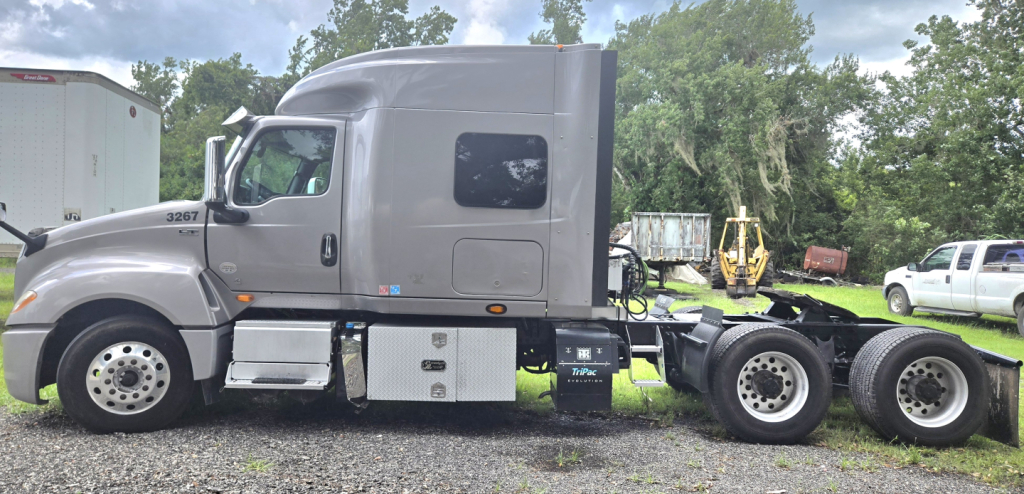
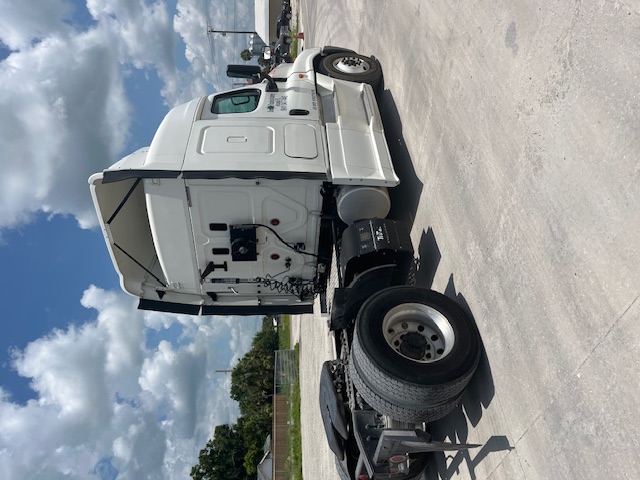
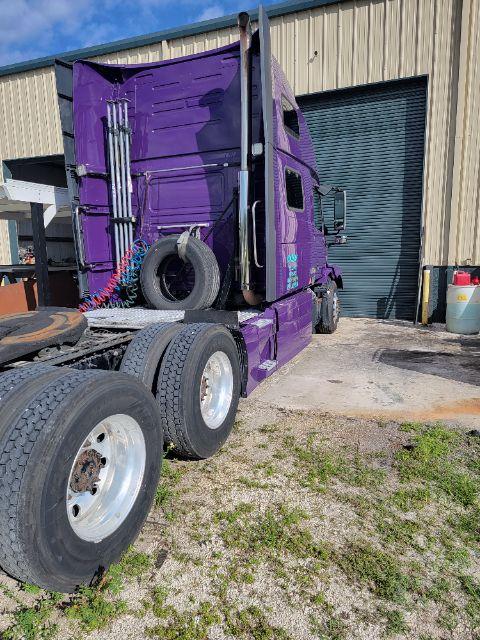
Selling a mack conventional sleeper truck? List your mack conventional sleeper truck for sale and reach thousands of commercial buyers.
Mack Conventional Sleeper Trucks in Florida
For many buyers, the main decision starts with the powertrain. A common setup is the Mack MP8 in the 400 to 505 horsepower range, frequently paired with the mDrive automated transmission and rear axle ratios selected for fuel-efficient cruise speeds. Listings in this category often show 70-inch stand-up sleepers, 40,000 lb rears, air ride suspension, engine brakes, and wheelbases around the low-to-mid 220-inch range. That combination fits dry van, reefer, and general freight applications well, especially for fleets and owner-operators that want a truck set up for highway miles rather than vocational duty. Buyers should compare horsepower, torque rating, axle ratio, and fifth wheel type closely, because those details affect startability, cruise RPM, and how well the truck matches the trailer and lane.
Florida buyers often pay extra attention to cooling system condition, APU presence, bunk HVAC, and overall aerodynamics. Long interstate runs, heat, idling concerns, and driver retention all make sleeper spec important in this market. Features such as roof fairings, cab extenders, dual aluminum fuel tanks, bunk heaters, and air slide fifth wheels add practical value depending on the route structure. Tire size and wheel type also matter more than some buyers expect, especially when trying to balance fuel economy, ride quality, and maintenance cost over high annual mileage.
When comparing Mack sleeper tractors, focus on service history, emissions system health, software calibration status, and signs of uneven drivetrain wear. Check for clutch and transmission performance on mDrive-equipped units, suspension condition, and brake type, including whether the truck is spec'd with discs or drums. Inside the sleeper, look at bunk layout, cabinet condition, inverter or APU setup, and basic cab ergonomics since these trucks are often purchased for routes that keep drivers in the cab for days at a time. A well-matched Mack conventional sleeper can be a strong fit for carriers that want a highway tractor with recognizable brand durability, a modern aero cab, and a drivetrain spec aimed at efficient linehaul work.
Frequently Asked Questions about Mack Conventional Sleeper Trucks in Florida
What are the most common Mack conventional sleeper truck specs?
Most Mack conventional sleeper trucks on the highway market are Anthem models equipped with a Mack MP8 engine, an mDrive automated manual transmission, tandem rear axles rated around 40,000 lbs, and a stand-up sleeper in the 60-inch to 70-inch range. Many are spec'd with air ride suspension, aerodynamic roof fairings, dual fuel tanks, engine brakes, and highway axle ratios intended to keep cruise RPM low. Exact specs vary by application, so buyers should confirm horsepower, torque, rear ratio, wheelbase, and sleeper size before comparing units.
Is a Mack Anthem sleeper a good choice for long-haul freight?
Yes, the Mack Anthem sleeper is generally a strong long-haul and regional haul platform when it is spec'd correctly for the lane. Its aerodynamic design, integrated Mack powertrain, and available stand-up sleeper make it a practical option for dry van, reefer, and general freight work. The right truck for long-haul use should have the proper horsepower and rear ratio for gross weight and terrain, along with driver comfort items like bunk HVAC, good storage, and enough fuel capacity for the route.
What should I check on a used Mack sleeper truck with mDrive transmission?
On a used Mack sleeper with mDrive, pay close attention to shift quality, clutch engagement behavior, fault codes, software update history, and any signs of drivetrain hesitation under load. It is also important to review maintenance records for the transmission, driveline, differential service, and engine emissions components. A road test should confirm smooth acceleration, consistent downshifts, proper engine brake operation, and no abnormal vibration or delay when backing or starting on a grade.
What sleeper size is most common on Mack conventional sleeper trucks?
A 70-inch stand-up sleeper is one of the most common configurations because it gives drivers enough room for over-the-road use without pushing the truck too far from a standard highway tractor layout. Some trucks may have different sleeper lengths depending on fleet policy or route length, but stand-up sleepers are preferred for teams, extended trips, and driver retention. Buyers should look beyond sleeper length alone and evaluate storage, bunk condition, insulation, HVAC performance, and APU or inverter equipment.
Are Mack conventional sleeper trucks suitable for Florida-based operations?
Yes, Mack conventional sleeper trucks fit Florida operations well, especially for carriers running outbound freight on long interstate lanes. In this market, cooling system performance, air conditioning, fuel capacity, aerodynamic equipment, and idle-reduction features matter more because of heat and long-distance routing. Buyers in Florida should also inspect corrosion exposure, tire condition, and the sleeper comfort package closely, since those factors directly affect uptime and driver satisfaction.