
Mack Conventional Sleeper Trucks For Sale in Arkansas
Shop Mack conventional sleeper trucks with MP8 or MP13 power, mDRIVE transmissions, tandem axles, and specs built for regional or long-haul freight.
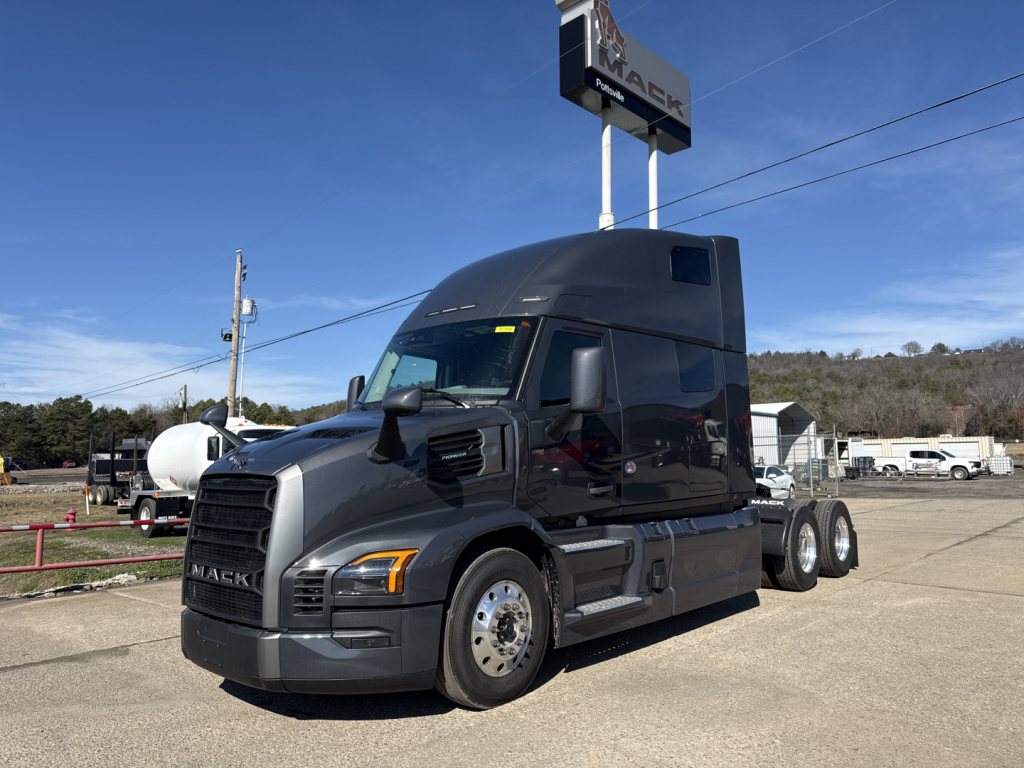
2026 Mack PR64T76H
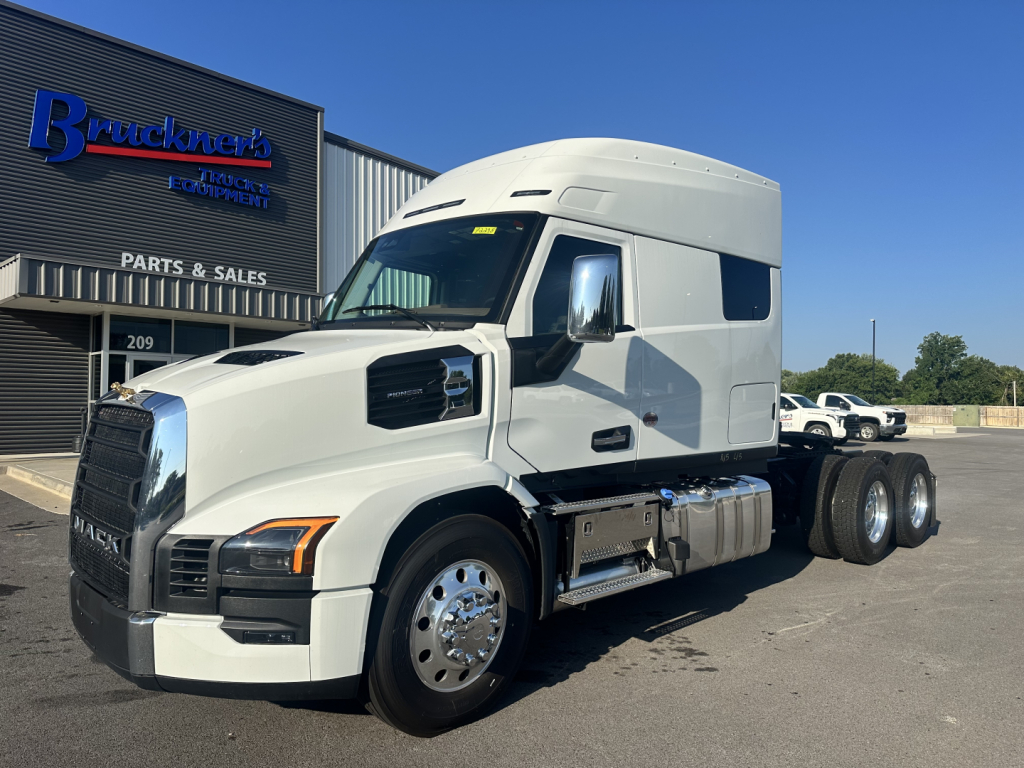
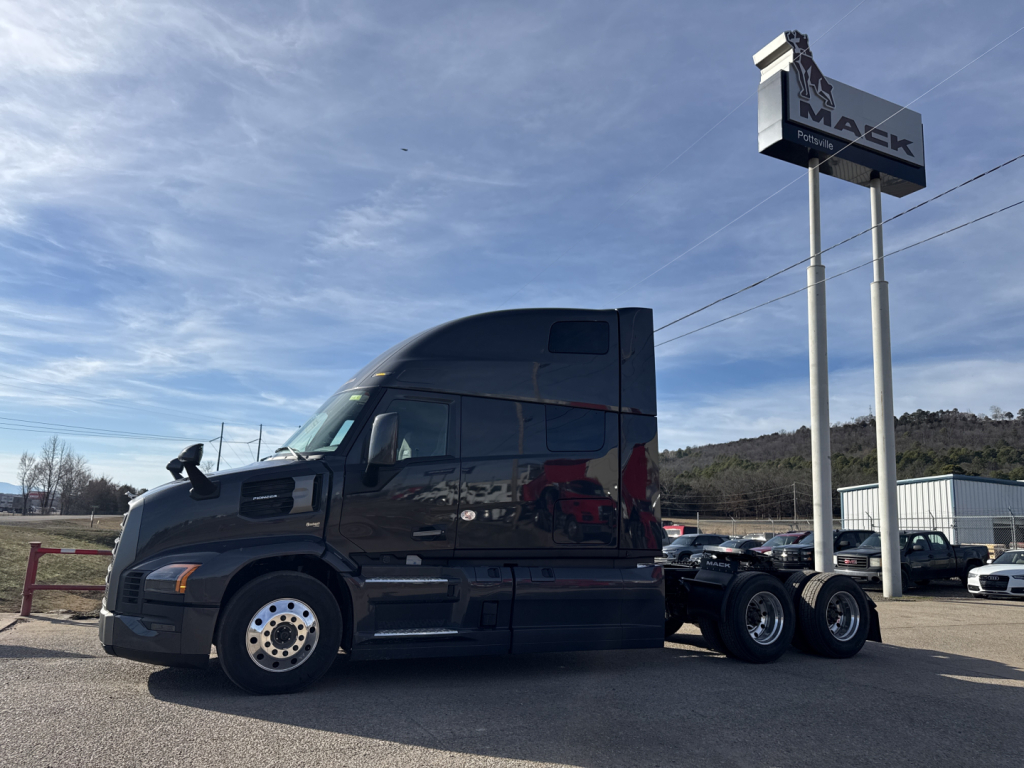
2026 Mack PR64T76H
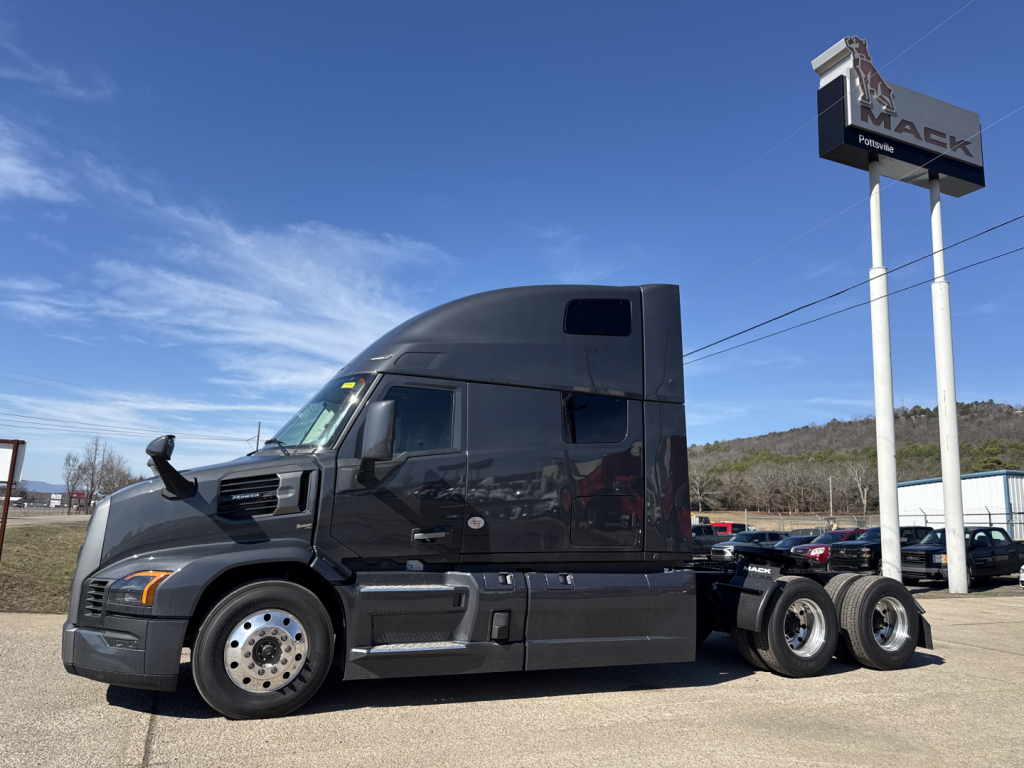
2026 Mack PR64T76H
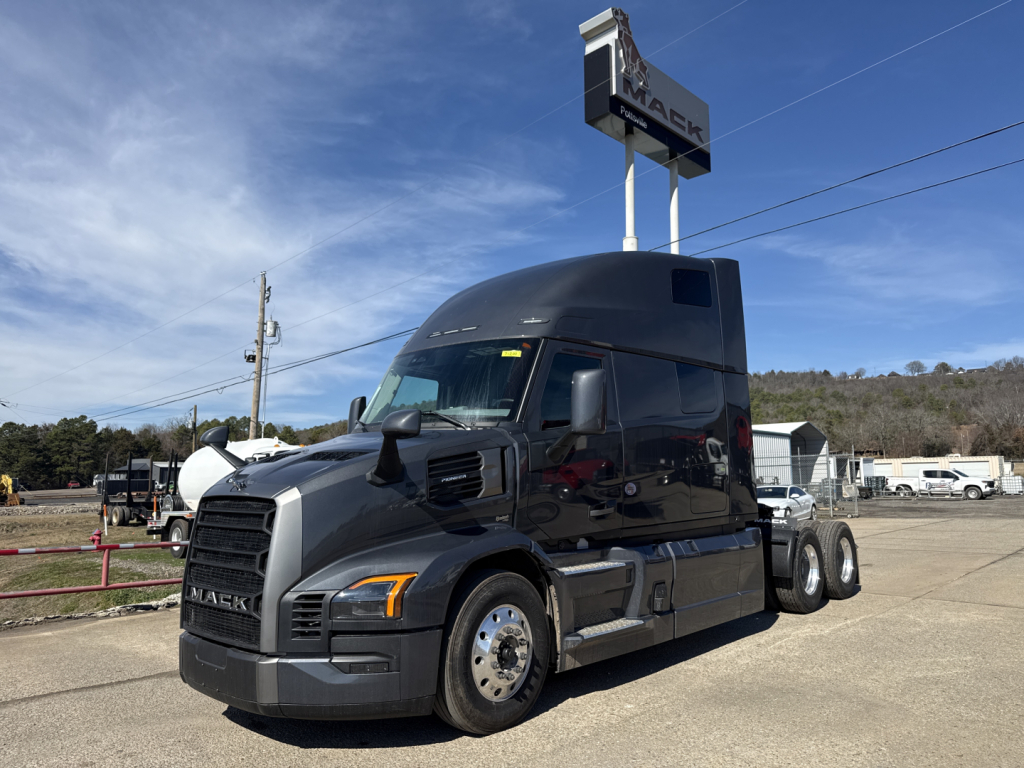
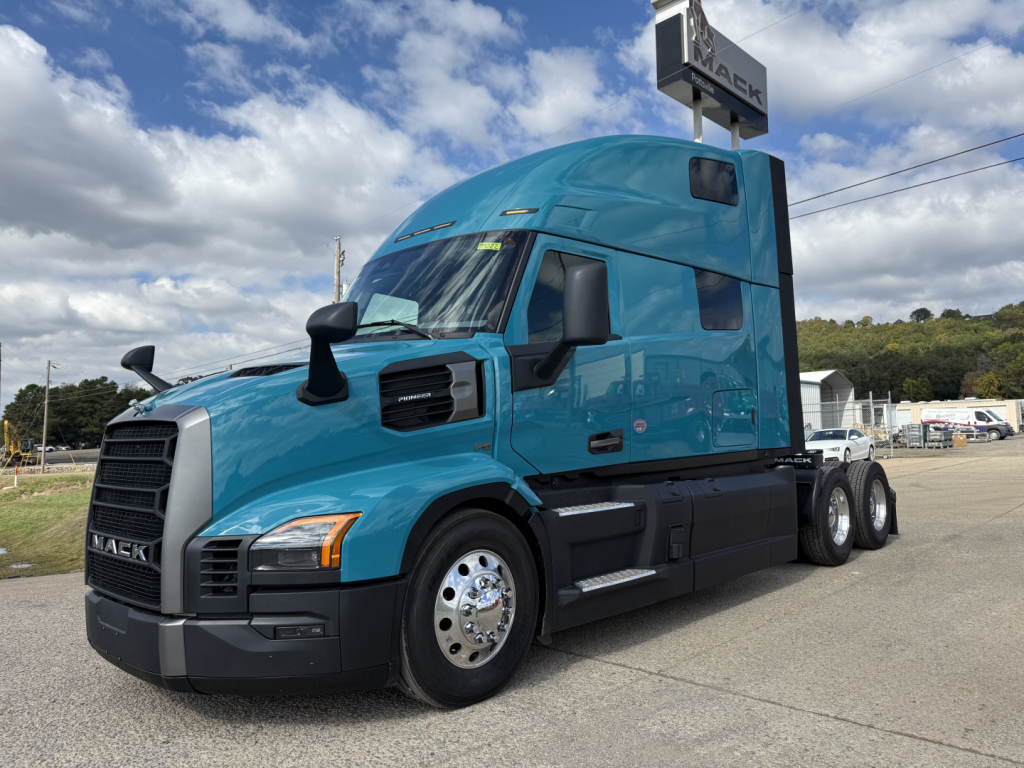
Selling a mack conventional sleeper truck? List your mack conventional sleeper truck for sale and reach thousands of commercial buyers.
Mack Conventional Sleeper Trucks in Arkansas
On the spec side, Mack conventional sleepers are commonly powered by MP8 or MP13 diesel engines, often in the 445 to 515 horsepower range, paired with Mack mDRIVE automated manual transmissions in 12-speed or 13-speed configurations. Typical highway specs include 13,200 lb front axles, 40,000 lb rear tandems, and GVWR around 53,200 lbs. Rear axle ratios can vary widely, from aggressive downsped setups in the low 2s for fuel economy to mid-2s or low-3s for heavier lanes or mixed terrain. Wheelbases in the low- to mid-230-inch range are common on 70-inch and 76-inch sleepers, especially when larger dual fuel tank layouts and full sleeper amenities are part of the build.
For Arkansas operations, a Mack conventional sleeper often needs to balance interstate miles with some tighter shipper access and variable terrain across surrounding states. That makes drivetrain matching important. A low-ratio highway truck with an overdrive mDRIVE can be a strong fit for dry van or reefer freight running major corridors, while a higher horsepower MP13 spec with a more versatile ratio may suit heavier general freight, bulk tanker, or dedicated lanes with more grade. Many late-model Mack sleepers also show up with all-disc brakes, air-ride rear suspension such as MaxLite, and active safety systems from Bendix, all of which matter to fleets focused on stopping performance, maintenance planning, and driver retention.
The sleeper itself deserves close attention because Mack has pushed further into premium long-haul specs. Mid-roof and high-roof configurations are both common, with features that may include integrated parking coolers, refrigerator prep or installed refrigerators, inverter packages, storage cabinets, premium bunk layouts, and upgraded audio and control panels. A buyer comparing Mack conventional sleeper trucks should look beyond the headline horsepower and verify the full operating package: fuel capacity, fifth wheel spec, brake type, tire size, suspension rating, and emissions compliance. A well-matched Mack sleeper can deliver strong uptime, solid driver comfort, and efficient performance across regional or coast-to-coast applications.
Frequently Asked Questions about Mack Conventional Sleeper Trucks in Arkansas
What engines are common in Mack conventional sleeper trucks?
Mack conventional sleeper trucks commonly use the Mack MP8 or MP13 diesel engine. In current highway sleeper specs, horsepower often falls between 445 and 515 hp. The MP8 is frequently selected for fuel-conscious regional and highway applications, while the MP13 is often chosen for fleets that want more displacement and pulling strength for heavier freight, long mountain pulls, or premium over-the-road specs.
What transmission is typically found in a Mack sleeper tractor?
Most late-model Mack conventional sleeper trucks are spec'd with the Mack mDRIVE automated manual transmission, usually in a 12-speed overdrive or 13-speed configuration. This integrated powertrain setup is a major reason buyers consider Mack, because the engine, transmission, and software are calibrated to work together. That can help with shift quality, fuel economy, and driver consistency across mixed skill levels.
How do I choose the right rear axle ratio for a Mack sleeper?
Rear axle ratio should match your freight weight, terrain, cruise speed, and tire size. Lower numerical ratios such as 2.15 or 2.47 are typically used in downsped highway applications where fuel economy is the priority and loads are consistent. Ratios like 2.85 or 3.08 can provide better startability and stronger performance in mixed terrain, heavier operations, or routes with more stop-and-go work. The right choice depends on the full driveline, not just the ratio by itself.
Are Mack conventional sleeper trucks good for long-haul operations?
Yes. Mack conventional sleeper trucks are widely used in long-haul service, especially when equipped with 70-inch or 76-inch sleepers, larger fuel capacity, overdrive transmissions, and driver comfort options. High-roof sleepers with inverter packages, refrigeration, parking HVAC, and upgraded bunk layouts are better suited for extended time on the road. The truck's wheelbase, fuel tank arrangement, and interior storage also play a major role in long-haul suitability.
What should I inspect first when comparing Mack sleeper truck listings?
Start with the complete operating spec rather than the model name alone. Engine rating, transmission model, rear axle ratio, wheelbase, brake type, suspension, fuel capacity, and sleeper height should be checked first. After that, review safety equipment, fifth wheel setup, emissions compliance, and interior amenities. Two Mack sleepers with the same cab and engine family can perform very differently if they were built for different freight lanes or duty cycles.