
2020 Mack Conventional Sleeper Trucks For Sale in Texas
Shop 2020 Mack conventional sleeper trucks in Texas. Compare MP engines, mDRIVE specs, sleeper sizes, axle ratios, and long-haul features.
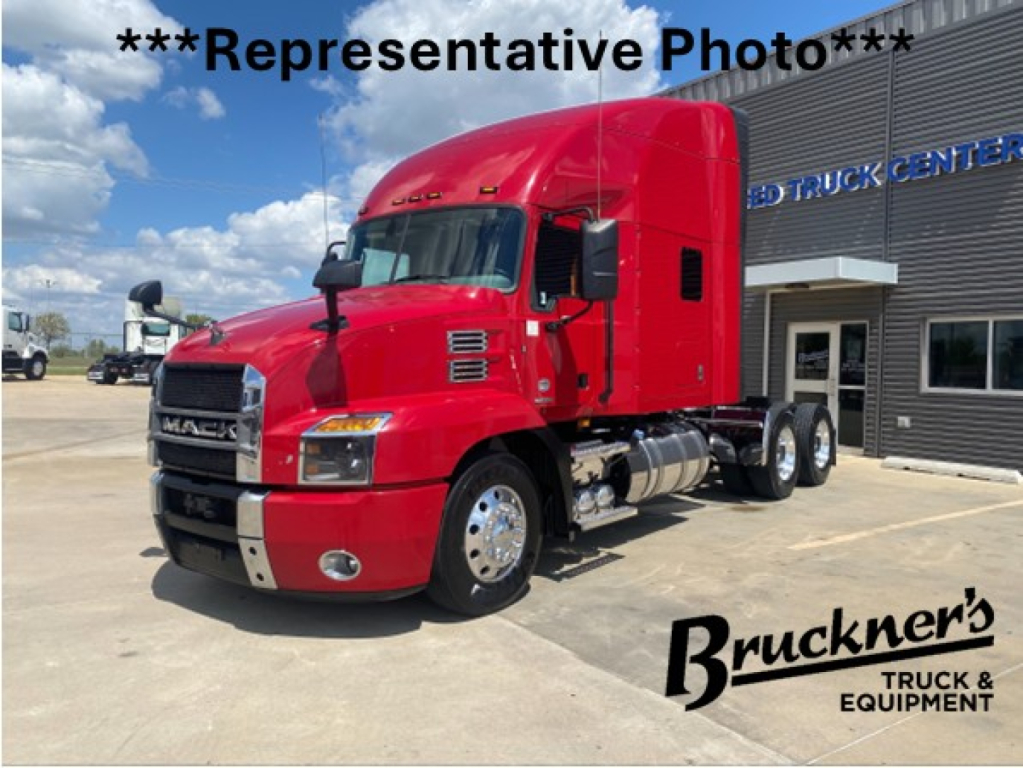
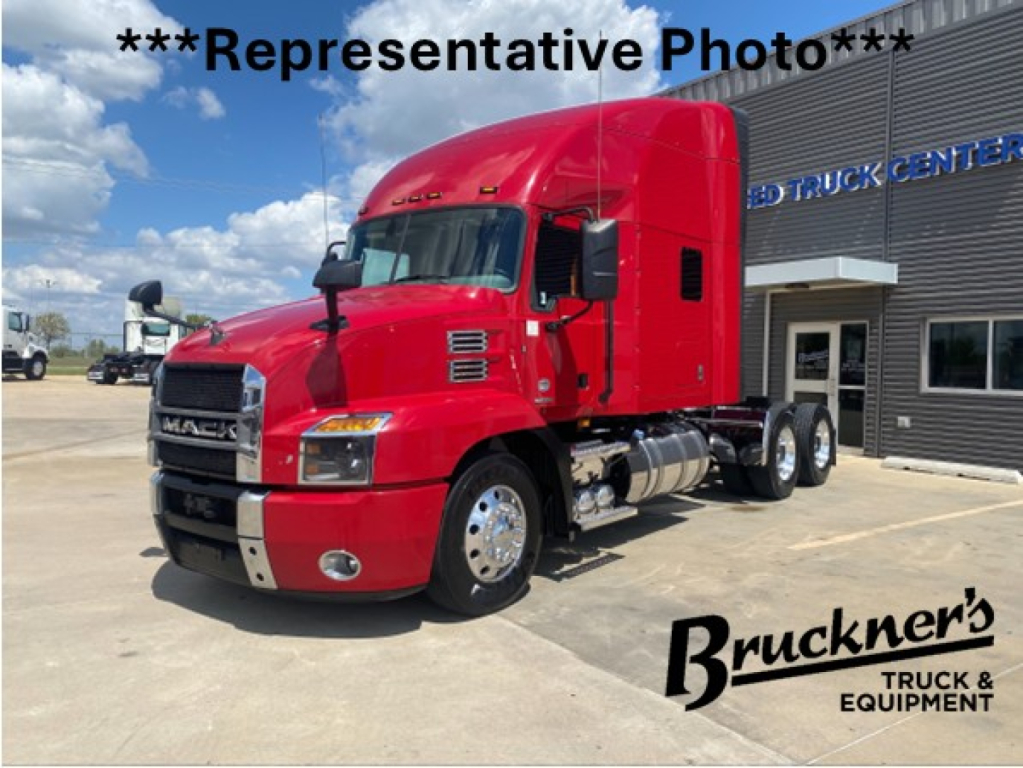
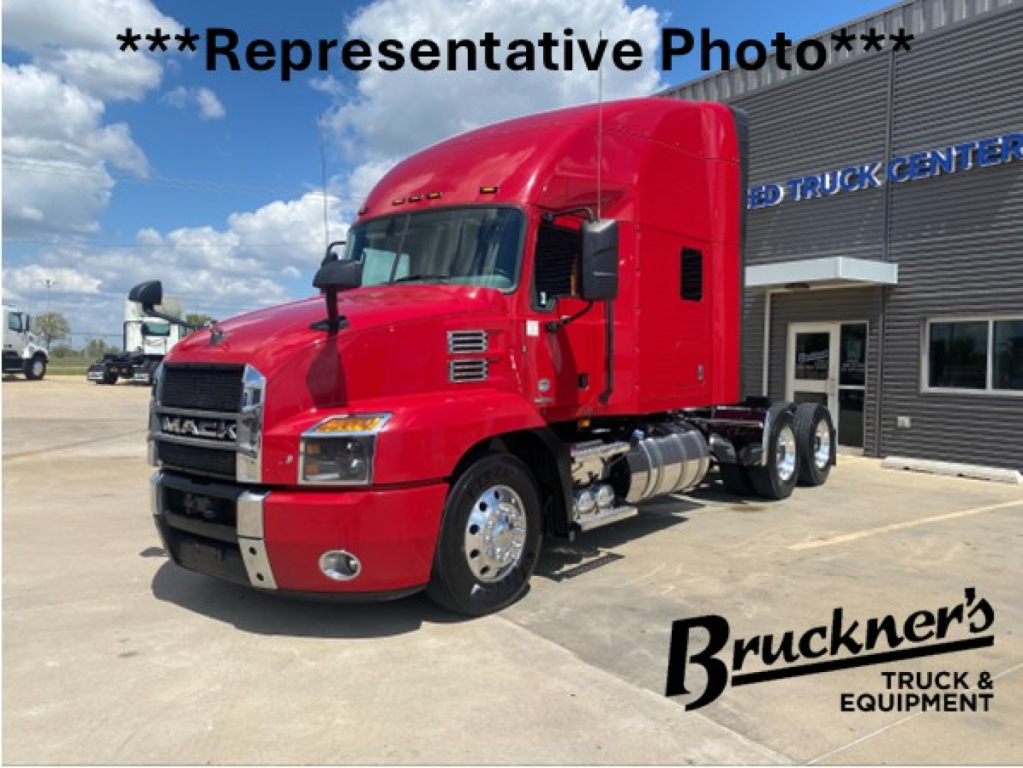
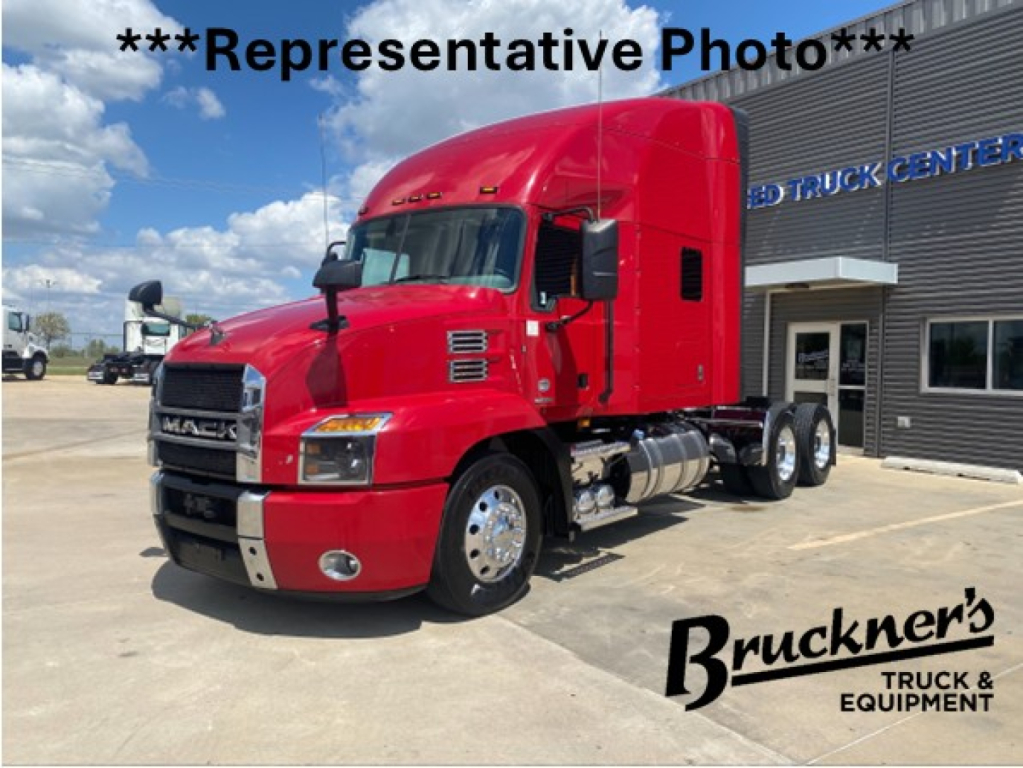
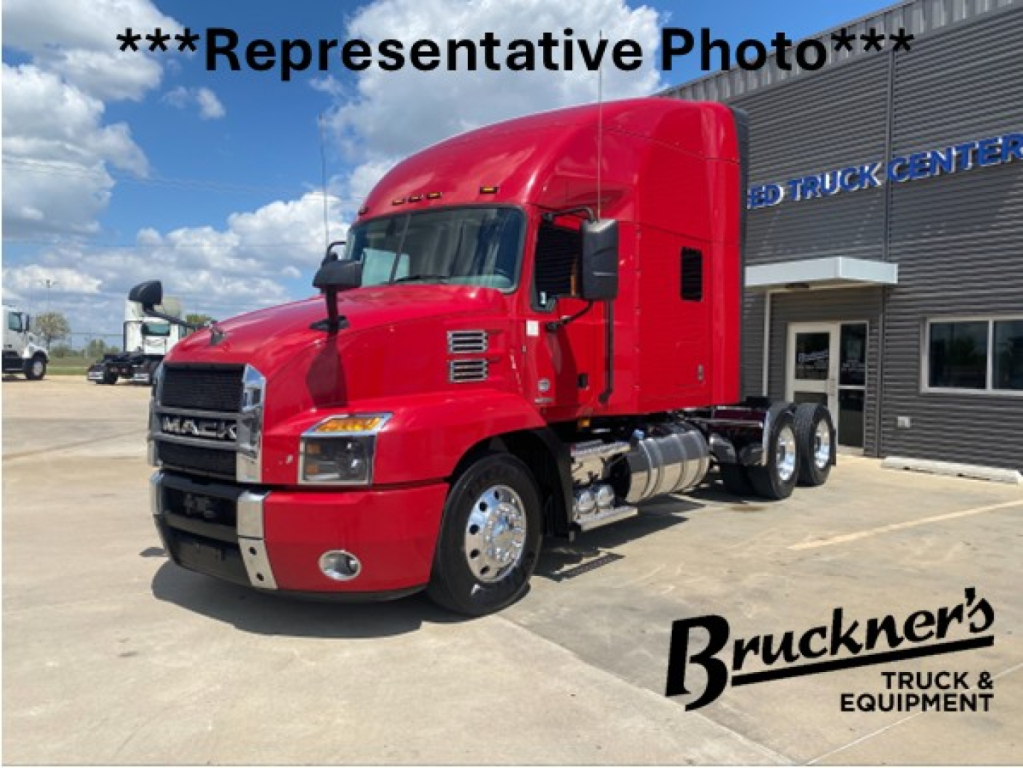
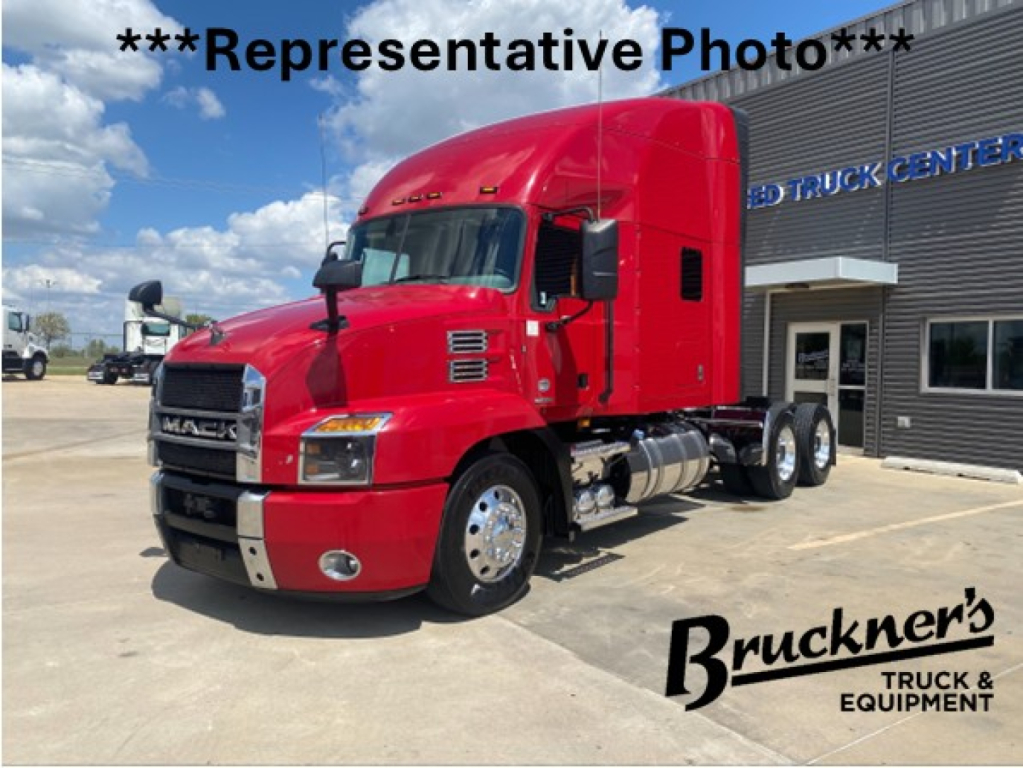
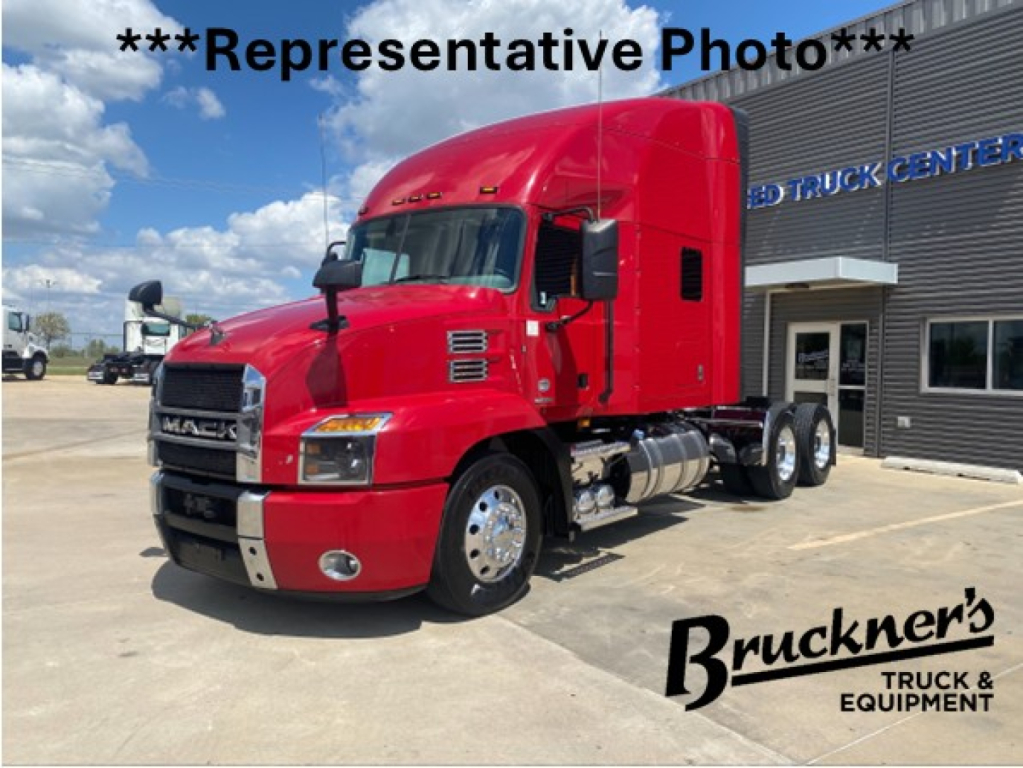
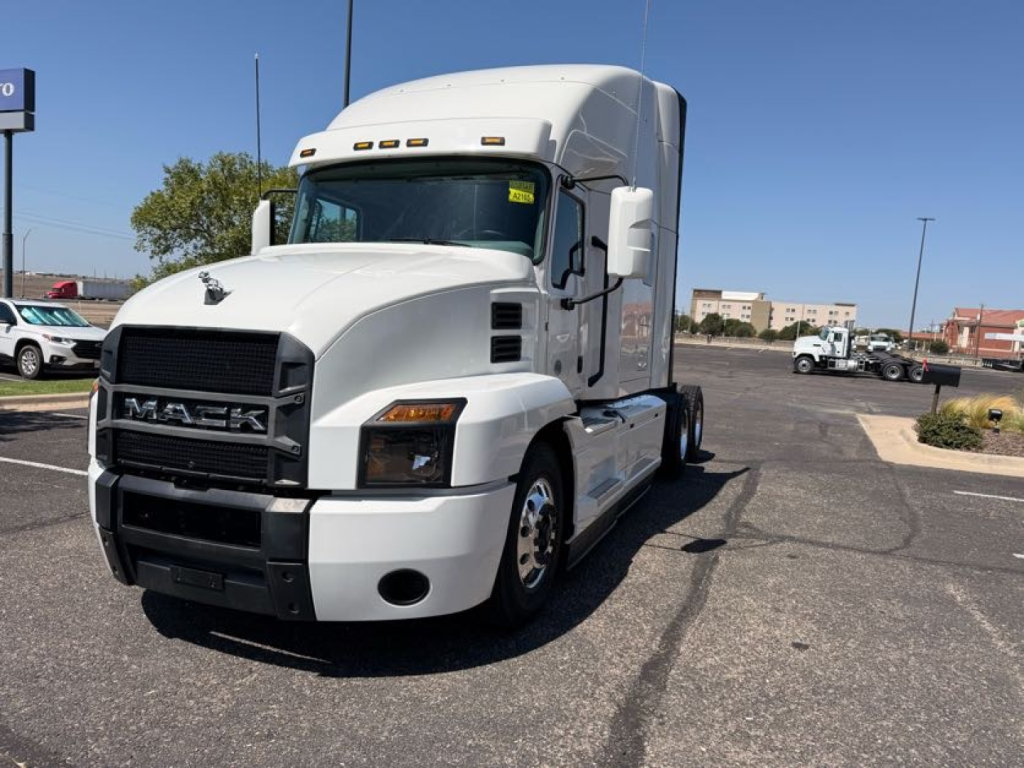
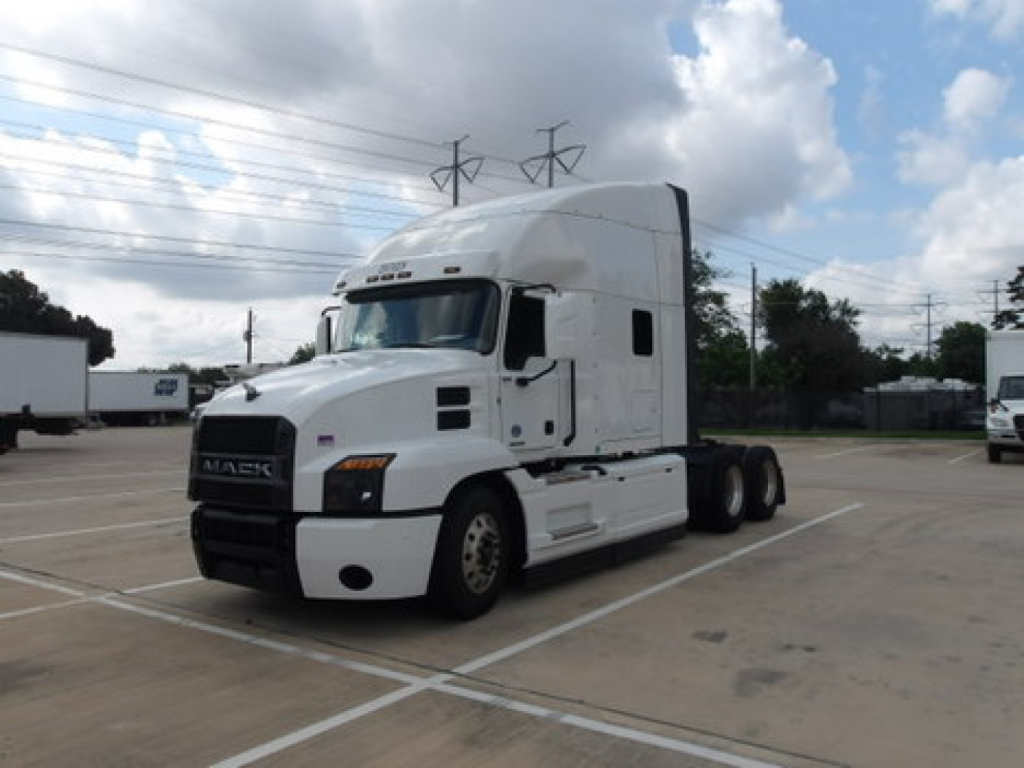
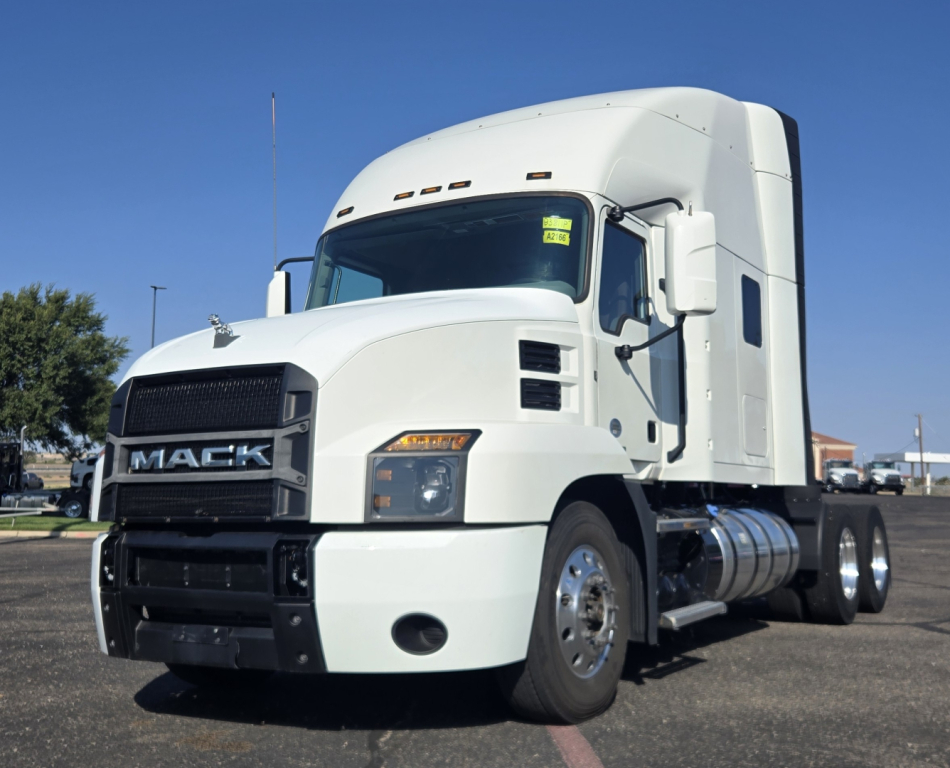
Selling a 2020 mack conventional sleeper truck? List your 2020 mack conventional sleeper truck for sale and reach thousands of commercial buyers.
2020 Mack Conventional Sleeper Trucks in Texas
Sleeper size and chassis layout are just as important as horsepower. Conventional sleeper trucks are designed to carry a larger bunk and more onboard amenities than a day cab, making them a better fit for teams, multi-day dispatches, and long dwell times at shippers or receivers. Common buyer checkpoints include mid-roof versus high-roof sleeper design, wheelbase, fuel capacity, fifth wheel type, and rear axle ratio. A longer wheelbase and larger tanks can improve trip planning and comfort on longer hauls, while axle ratio and tire spec help determine how the truck is geared for heavy freight, fuel economy, or a balance of both. Buyers should also look closely at front axle rating, tandem capacity, suspension type, and brake configuration, especially if the truck will spend time in oilfield support, reefer service, or heavier van freight.
Cab environment and driver retention are major parts of the value equation in a Mack sleeper. Many 2020 conventional sleepers are equipped with features such as air ride seats, inverters, bunk HVAC support, refrigerator or microwave prep, and upgraded interior trim packages. Safety technology can also be a differentiator, with some trucks spec'd for adaptive cruise, collision mitigation, lane support features, and backup camera systems. These details matter because a sleeper tractor is not just a power unit. It is also the driver's workspace and living space for extended periods. A well-spec'd bunk, practical storage, and clean dash layout can reduce fatigue and improve acceptance among experienced drivers.
When comparing 2020 Mack conventional sleeper trucks for sale in Texas, pay attention to maintenance history, emissions system condition, mileage relative to idle time, and any signs the truck was matched correctly to its prior application. A highway fleet spec may differ substantially from a vocational or heavy-haul oriented sleeper, even when the trucks look similar at a glance. Check for transmission calibration, differential lock configuration, suspension wear, and the condition of aftertreatment components. If the truck will run mostly I-10, I-20, I-35, or cross-border freight corridors, fuel capacity, cooling performance, and gearing should align with sustained highway use. A properly spec'd 2020 Mack conventional sleeper can be a durable, driver-friendly tractor for dry van, reefer, flatbed, and general freight operations.
Frequently Asked Questions about 2020 Mack Conventional Sleeper Trucks in Texas
What engine and transmission are common in a 2020 Mack conventional sleeper truck?
Many 2020 Mack conventional sleeper trucks are equipped with Mack MP series diesel engines, often paired with the Mack mDRIVE automated manual transmission. This setup is popular because it delivers strong torque, consistent shift logic, and good fuel economy for long-haul and regional work. Exact horsepower, torque rating, and gearing vary by original spec, so buyers should confirm the rear axle ratio and intended application before choosing a truck.
What should I check first when buying a used 2020 Mack sleeper in Texas?
Start with the powertrain specification, maintenance records, and emissions system condition. Then verify mileage, engine hours, idle hours, axle ratings, suspension type, brake setup, and fuel capacity. In Texas service, cooling system health, A/C performance, and tire condition are especially important because trucks often run long distances in sustained heat. A pre-purchase inspection should also include aftertreatment diagnostics, transmission operation, and signs of uneven driveline or suspension wear.
Is a conventional sleeper truck a good fit for regional work, or only long-haul?
A conventional sleeper is commonly associated with over-the-road freight, but it can also be an excellent regional truck when routes involve overnight runs, irregular schedules, or long loading delays. The sleeper gives drivers a bunk, added storage, and more living space than a day cab, which can improve comfort and flexibility. For fleets trying to reduce hotel costs or improve driver retention, a sleeper tractor often makes sense even on shorter multi-day lanes.
What specs matter most on a Mack sleeper for highway freight?
The most important specs usually include horsepower and torque rating, transmission type, rear axle ratio, wheelbase, fuel tank capacity, suspension, and fifth wheel configuration. Those choices determine how the truck pulls a load, how efficiently it cruises, and how well it matches van, reefer, or flatbed work. Buyers should also evaluate sleeper height, bunk amenities, and safety systems because those features affect daily usability and driver satisfaction.
Are 2020 Mack conventional sleeper trucks used for more than dry van freight?
Yes. A 2020 Mack conventional sleeper can be used in dry van, reefer, flatbed, dedicated contract freight, and some heavier regional applications depending on the axle and suspension spec. The same basic sleeper tractor platform can be configured very differently from one fleet to another. That is why buyers should look beyond the cab and focus on ratings, gearing, frame layout, and trailer interface to make sure the truck fits the work.