
Used 2024 Kenworth Conventional Sleeper Trucks For Sale in Illinois
Shop used 2024 Kenworth conventional sleeper trucks in Illinois. Compare T680 Next Gen specs, sleepers, powertrain, wheelbase, and axle setups.
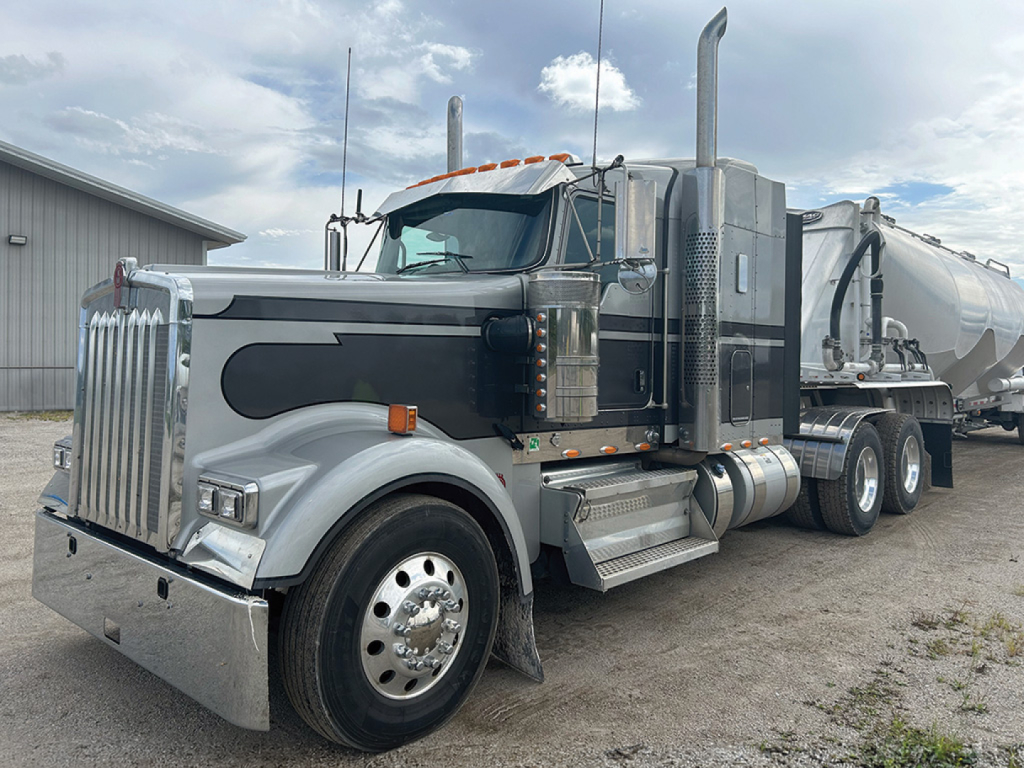
2024 Kenworth W-900L AeroCab
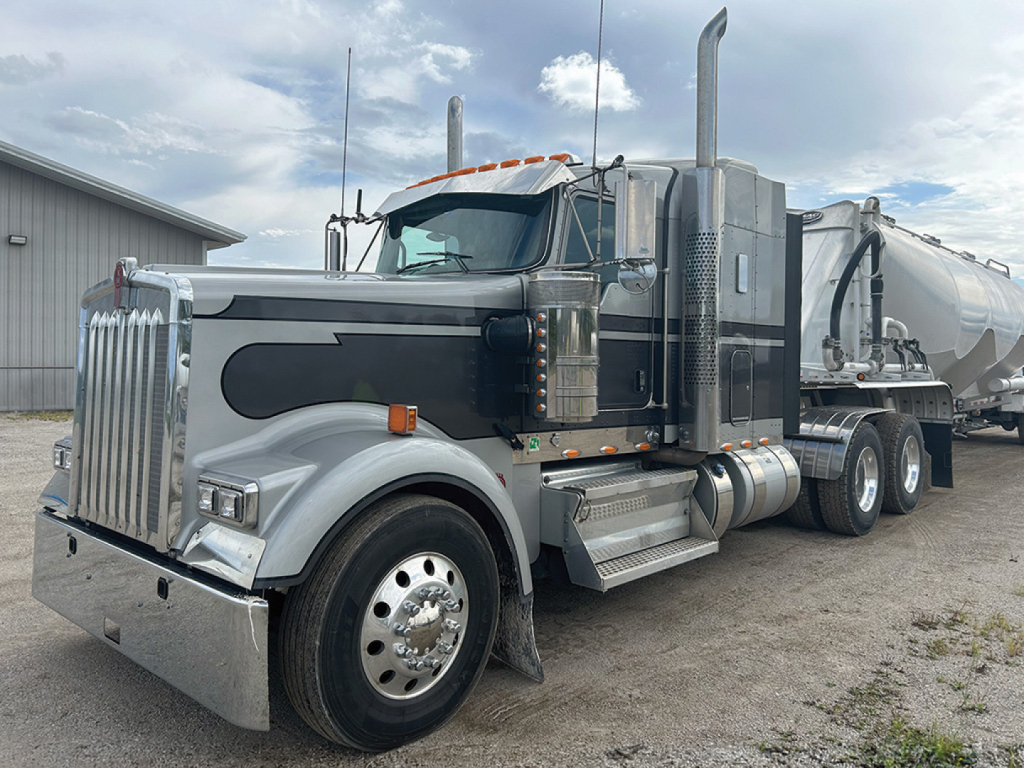
2024 Kenworth W-900L AeroCab
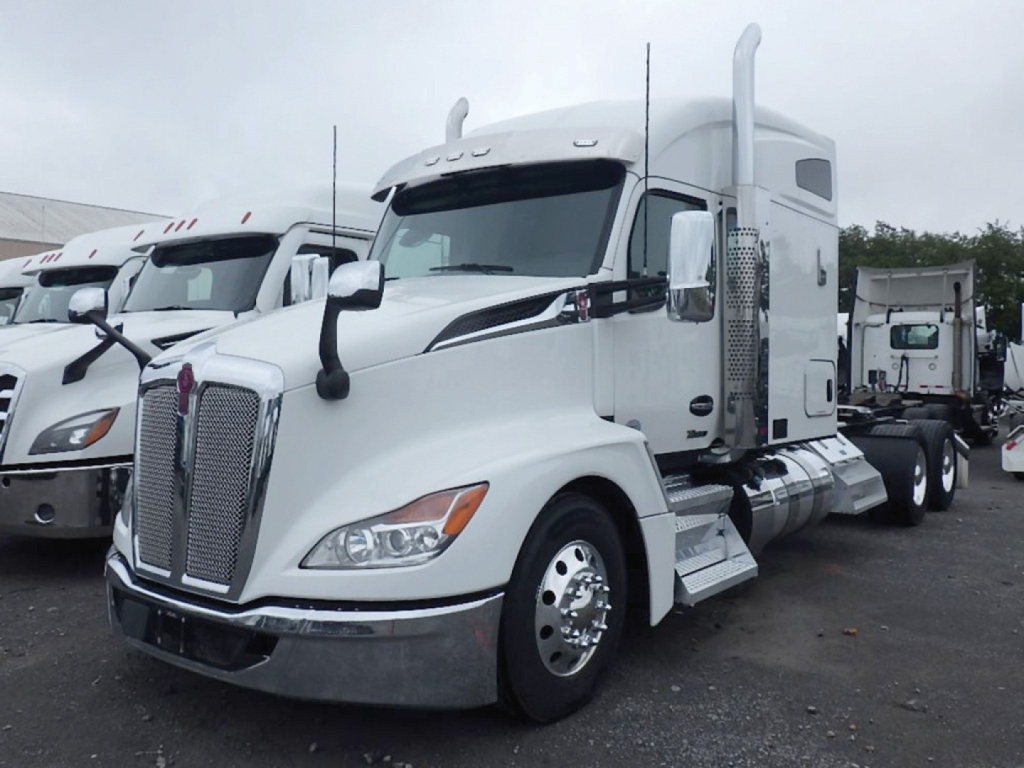
2024 Kenworth T-680 Next Gen
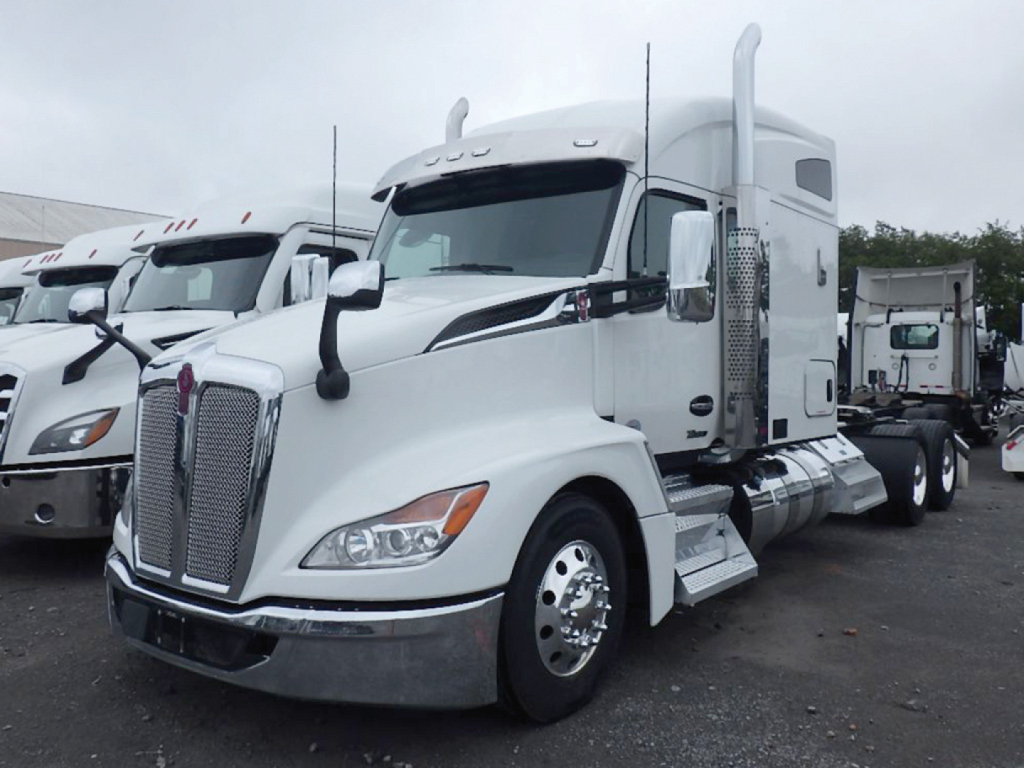
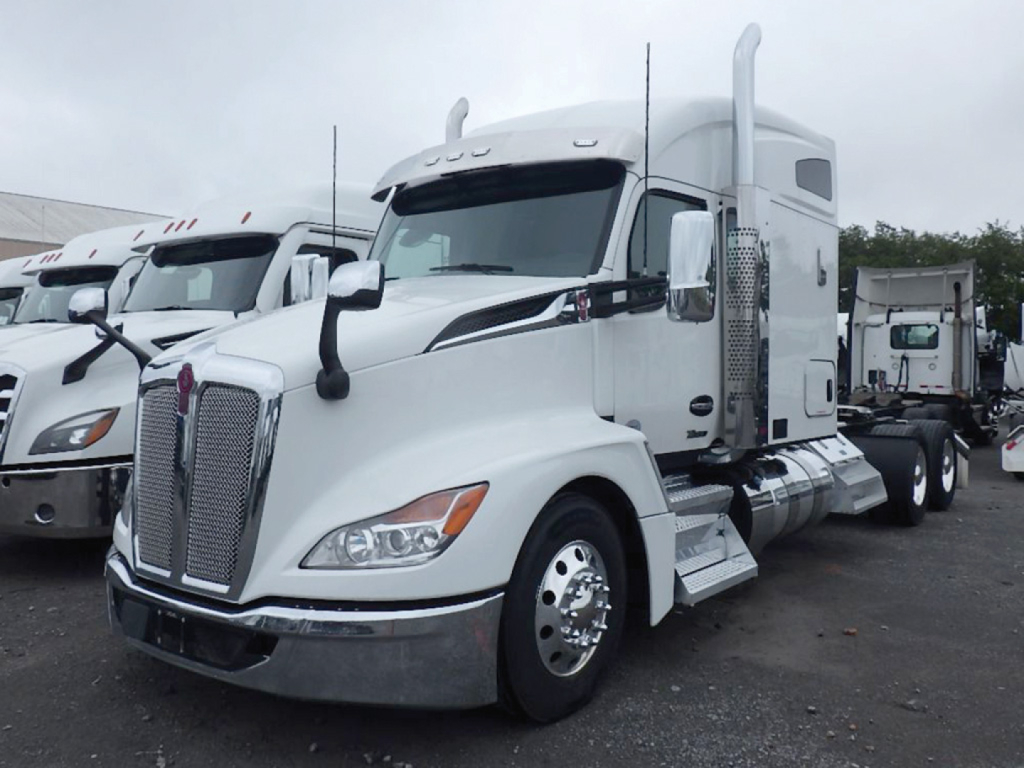
Have used 2024 kenworth conventional sleeper truck to sell? List it here to reach thousands of buyers.
Used 2024 Kenworth Conventional Sleeper Trucks in Illinois
The biggest buying decision usually starts with the powertrain. Many used 2024 Kenworth sleepers are equipped with a Cummins X15 around the 450 HP range, paired with an automated transmission and a fuel-economy rear ratio such as 2.79. That combination is common in highway freight because it balances pulling power with low-rpm cruising. Buyers should look closely at transmission model, engine brake spec, rear axle capacity, and suspension type, especially if the truck will be moved from dry van service into reefer, tanker, or heavier dedicated lanes. A 40,000-pound rear axle setup, air ride suspension, and air-slide fifth wheel are typical specs in this class and give the truck flexibility across trailer types and kingpin settings.
Sleeper layout and chassis dimensions also affect how well a truck fits the job. A high-roof sleeper with upper bunk, storage, and a more premium interior package can make a real difference in retention and driver acceptance. Wheelbase is worth checking carefully because it impacts ride quality, trailer swing clearance, and overall maneuverability in tight docks and Midwest urban freight corridors. Many Illinois buyers also pay attention to aerodynamic trim such as side fairings, cab extenders, and horizontal exhaust, since these features support fuel efficiency on long interstate miles. Disc wheels, low-profile 22.5 tires, and aluminum outside rear wheels are also common on newer fleet-style specs where weight control and maintenance consistency are priorities.
For a used 2024 unit, the condition review should focus less on age and more on utilization, warranty status, telematics history, and evidence of fleet maintenance. Ask for engine hours, idle hours, aftertreatment service records, brake wear, tire match, and any software campaign completion. On late-model Kenworth sleeper trucks, buyers should also verify the driver-assist and dash electronics are functioning correctly, and confirm the sleeper HVAC, bunk components, and cab controls operate as intended. A well-spec'd used 2024 Kenworth conventional sleeper can be a strong value for carriers that want current-generation aerodynamics and driver comfort without stepping into a new-truck price point.
Frequently Asked Questions about Used 2024 Kenworth Conventional Sleeper Trucks in Illinois
What engine and transmission setup is common in a used 2024 Kenworth conventional sleeper?
A common spec is a Cummins X15 rated around 450 horsepower paired with an automated transmission. This setup is popular in over-the-road service because it provides strong highway performance, integrates well with modern fuel-economy gearing, and reduces driver fatigue compared with a manual transmission. Buyers should still confirm the exact horsepower, torque rating, transmission model, and rear axle ratio because those details determine how the truck will perform in heavier freight or hillier lanes.
Is a 76-inch high-roof sleeper the right choice for long-haul work?
For most long-haul applications, a 76-inch high-roof sleeper is the standard choice because it provides standing room, bunk space, storage capacity, and better day-to-day livability for single or team drivers. It is especially useful in fleets where drivers spend multiple nights on the road and need room for a refrigerator, workstation, or upper bunk. Buyers running shorter regional routes may not need as much sleeper space, but for true over-the-road service the 76-inch sleeper is usually the most versatile configuration.
Why does rear axle ratio matter on a 2024 Kenworth T680 Next Gen sleeper?
Rear axle ratio has a direct effect on cruise rpm, fuel economy, gradeability, and startability. A ratio such as 2.79 is typically chosen for highway efficiency and works well in van and reefer operations where the truck spends most of its time at interstate speed. If the truck will be reassigned to heavier loads, more stop-and-go duty, or steeper terrain, a different ratio may be more appropriate. Matching the ratio to the engine torque curve, transmission gearing, and actual freight profile is one of the most important spec checks on a used sleeper tractor.
What should I inspect first on a used 2024 Kenworth sleeper truck?
Start with maintenance records, mileage, engine hours, idle hours, and any remaining warranty coverage. After that, inspect aftertreatment history, brake condition, tire wear pattern, suspension components, and signs of collision or fairing damage. On a late-model sleeper, it is also important to verify the infotainment screen, dash electronics, climate controls, bunk HVAC, and any safety systems are working properly. A newer truck can still become expensive quickly if electronic faults or deferred emissions maintenance are hiding in the file.
Are used 2024 Kenworth conventional sleepers a good fit for Illinois-based operations?
They can be a strong fit for Illinois operations because the spec commonly seen on these trucks favors interstate efficiency, driver comfort, and versatility across dry van, reefer, and general freight lanes. Illinois carriers often run a mix of urban pickups, distribution work, and long highway stretches, so wheelbase, sleeper size, and aerodynamic equipment all matter. A properly spec'd Kenworth sleeper with air ride suspension, a fuel-efficient drivetrain, and the right axle ratio can handle Midwest freight patterns well while still giving the driver a comfortable over-the-road platform.