
Kenworth Conventional Sleeper Trucks For Sale in Oklahoma
Browse Kenworth conventional sleeper trucks in Oklahoma, including T680 and W900L models with Cummins power, tandem axles, and highway specs.
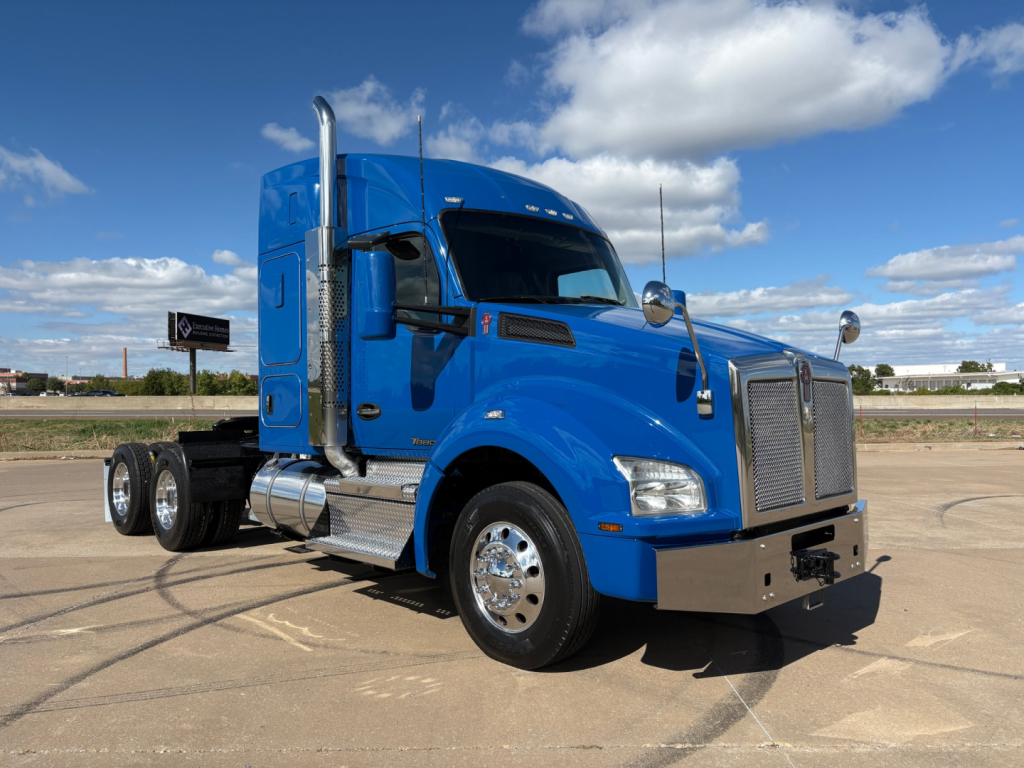
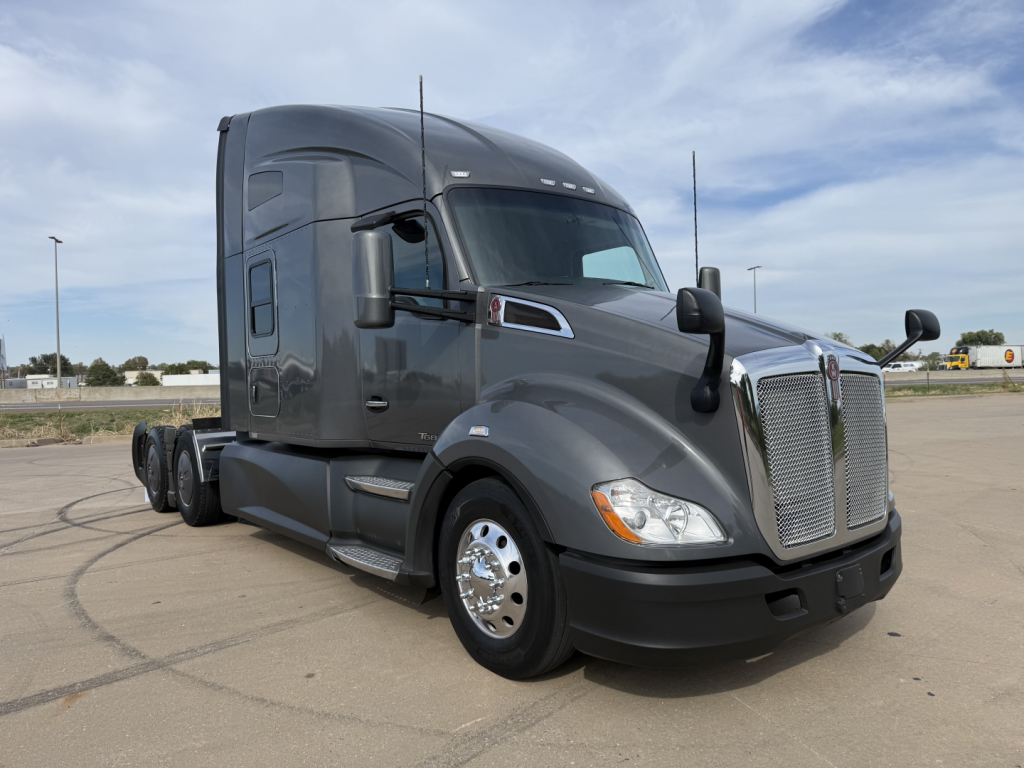
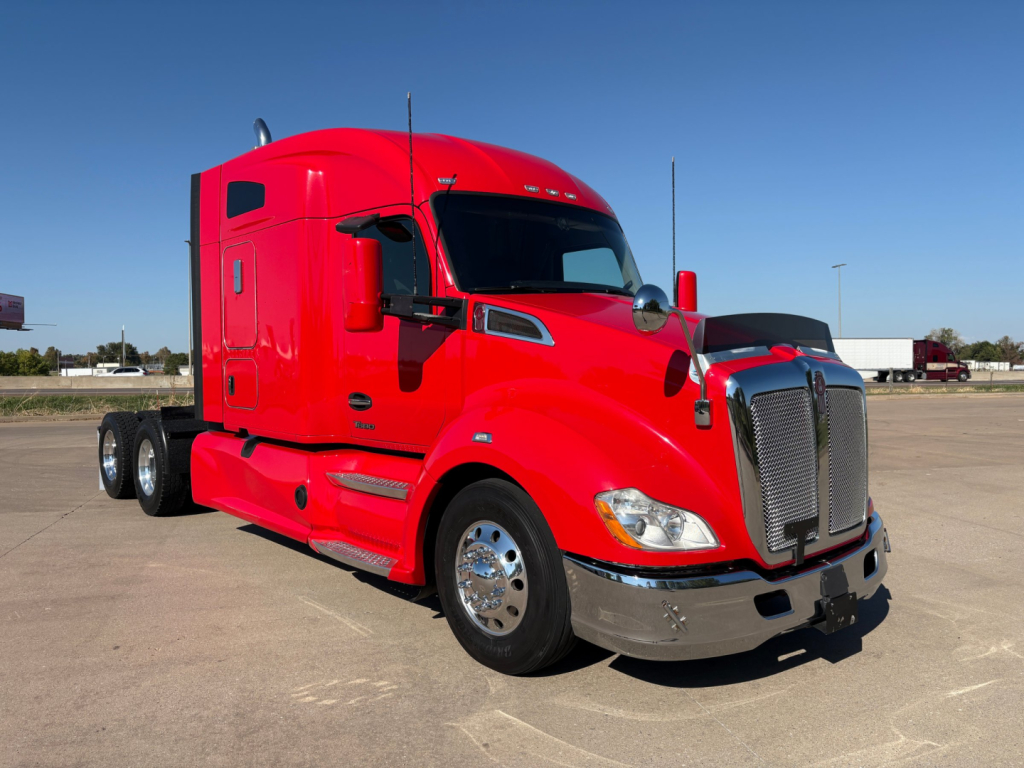
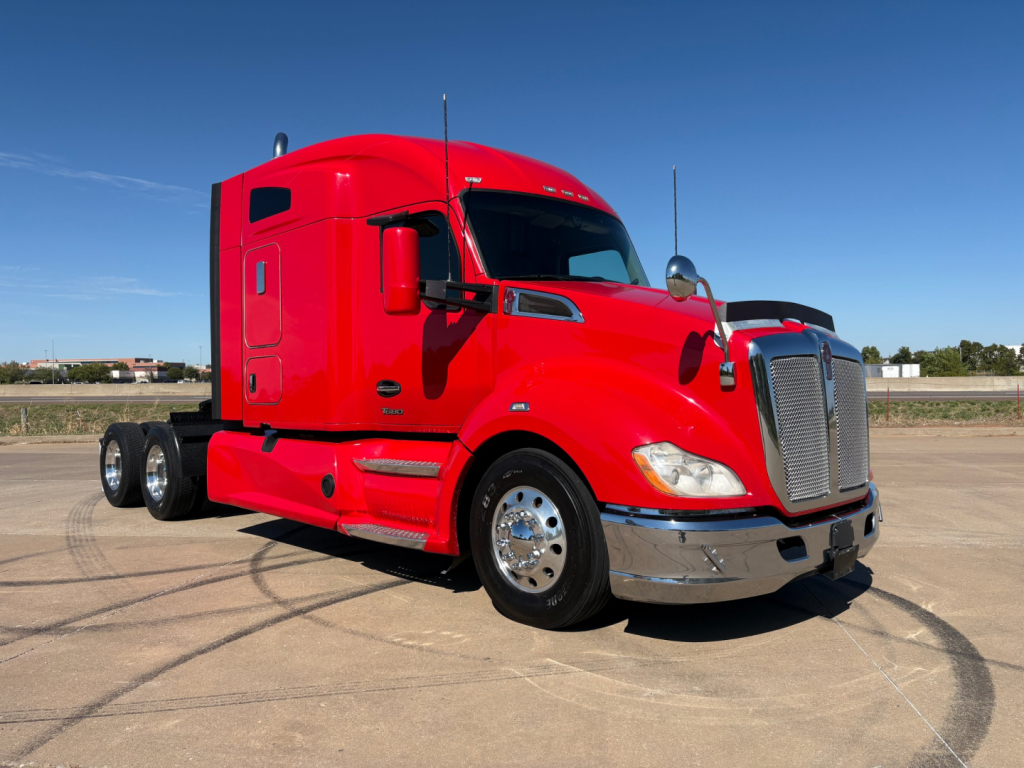
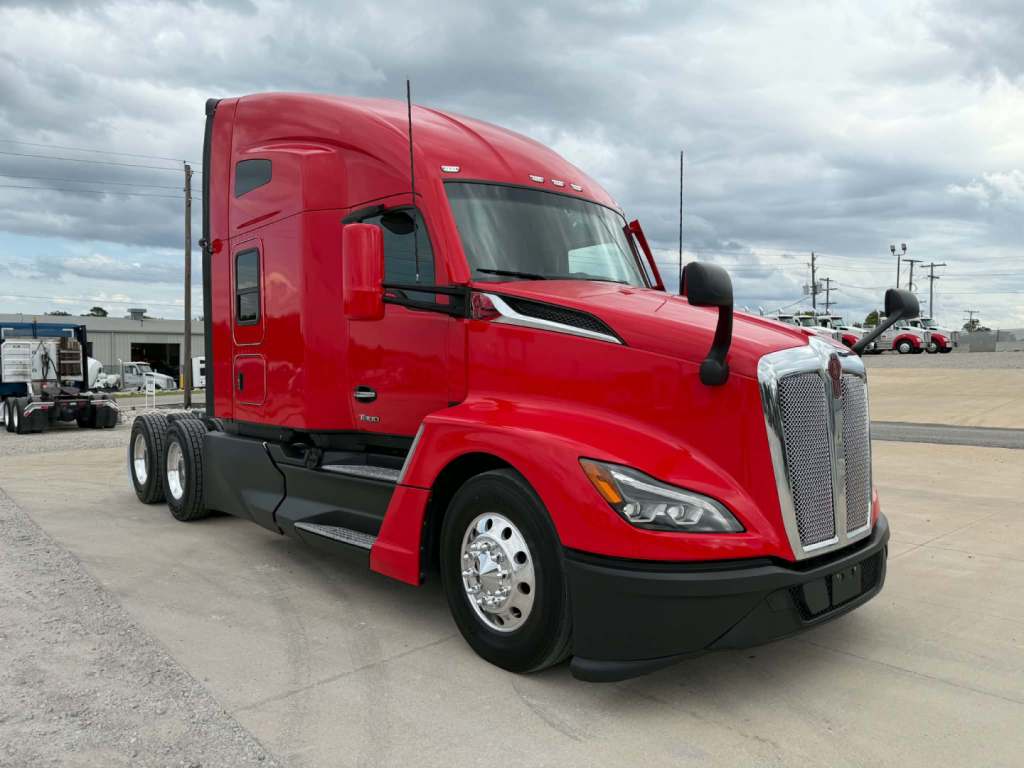
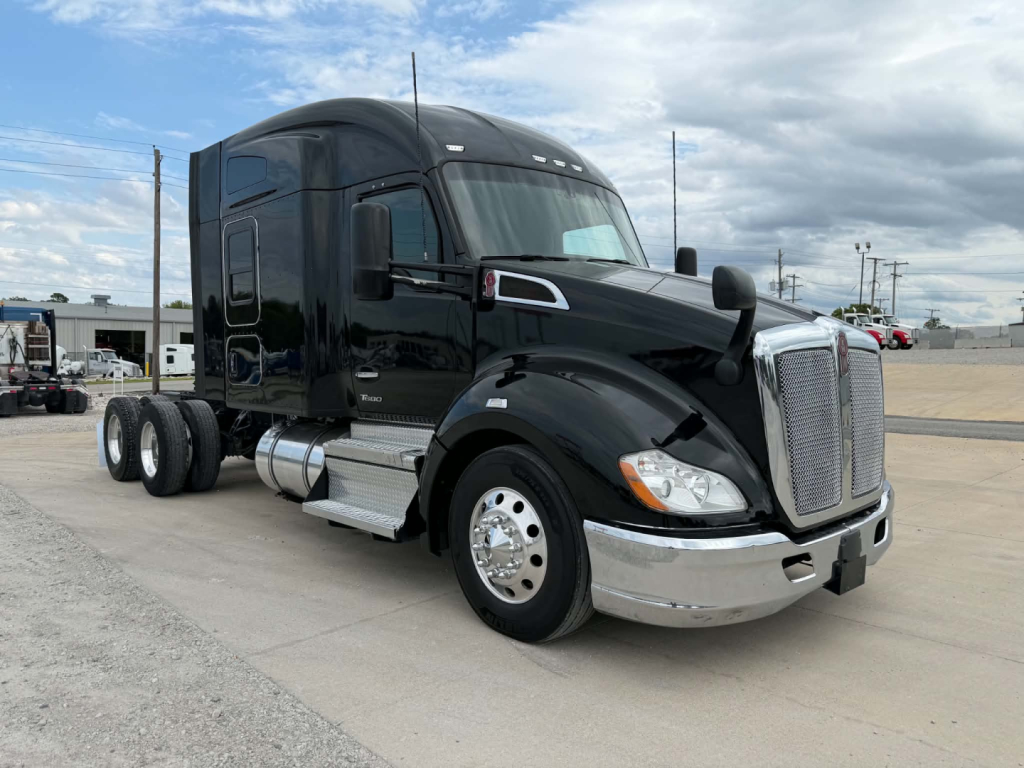
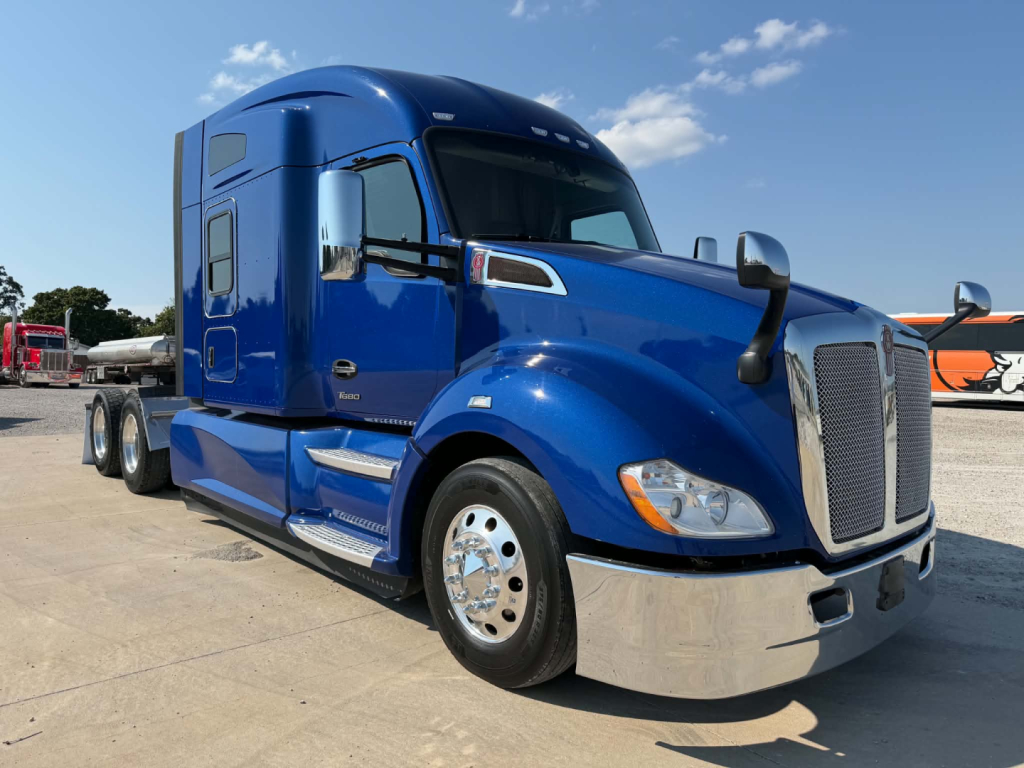
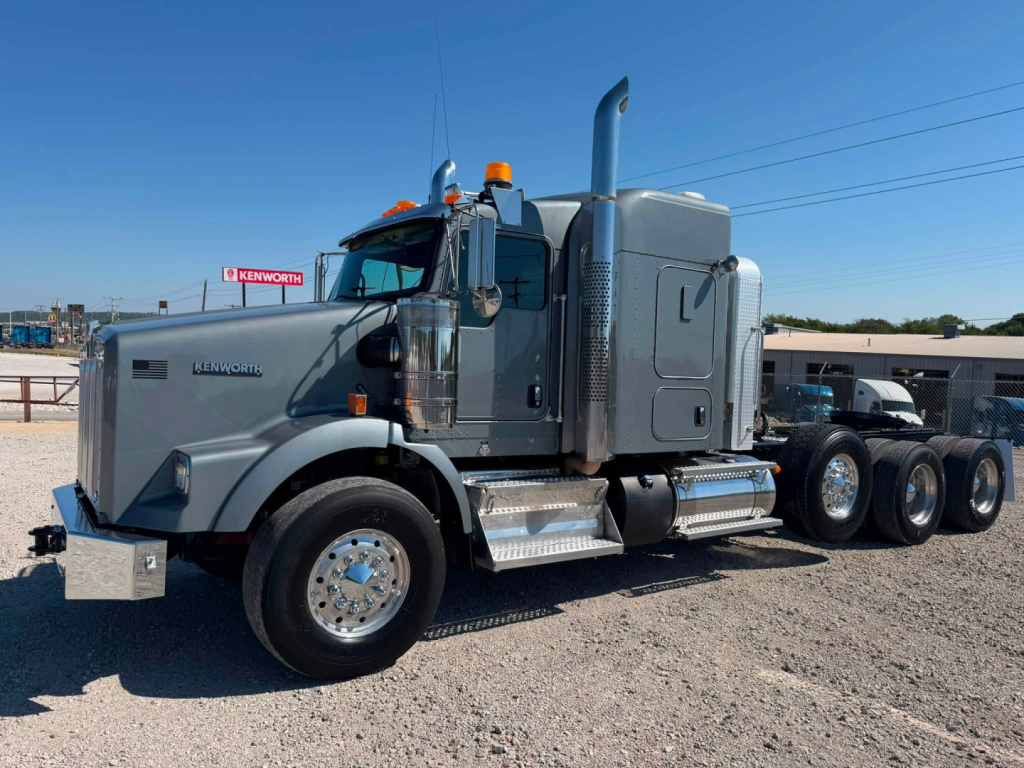
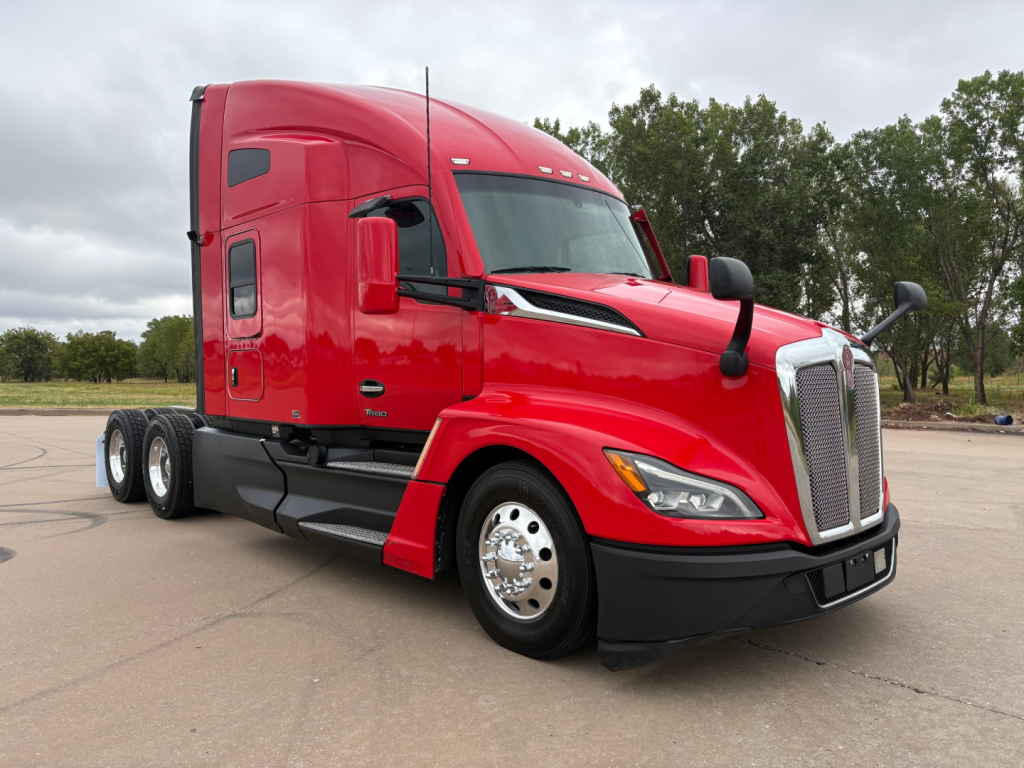
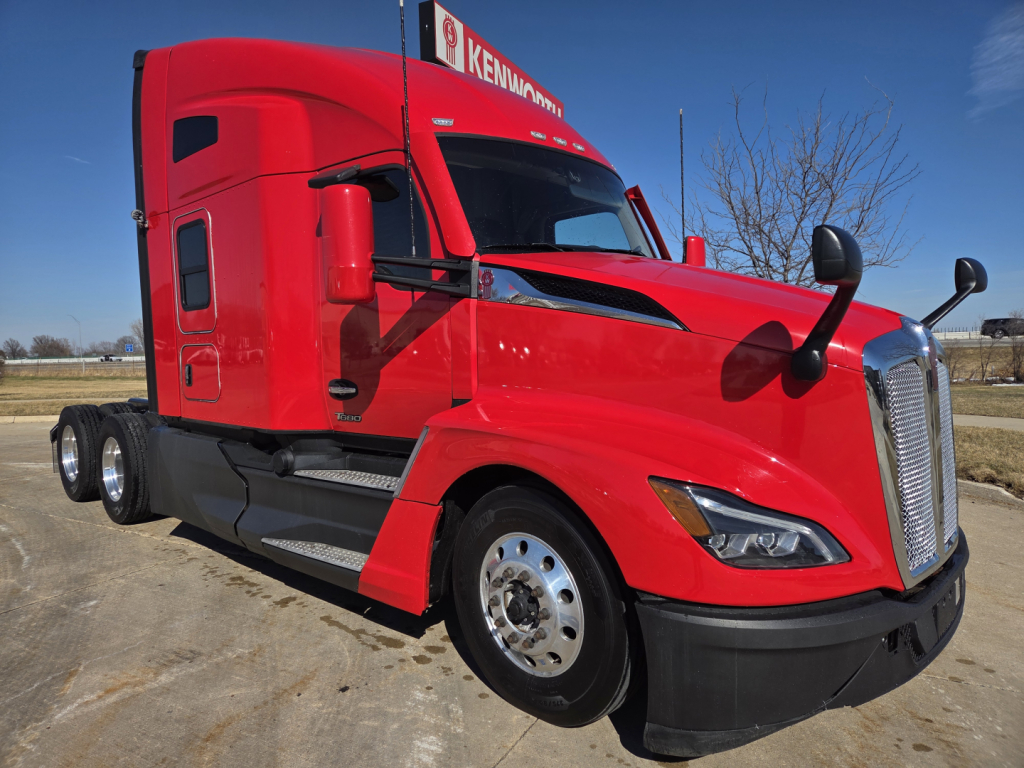

Selling a kenworth conventional sleeper truck? List your kenworth conventional sleeper truck for sale and reach thousands of commercial buyers.
Kenworth Conventional Sleeper Trucks in Oklahoma
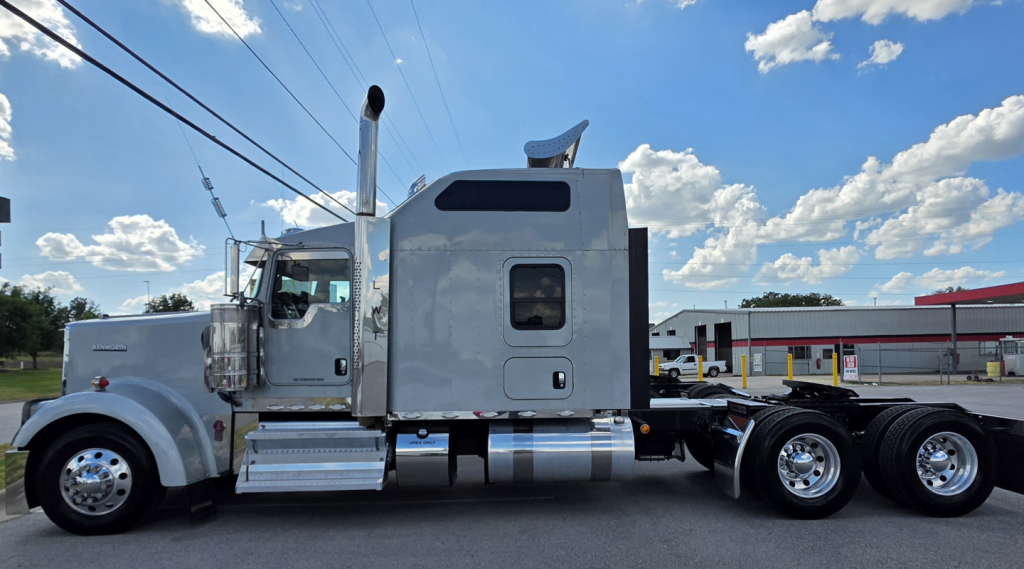
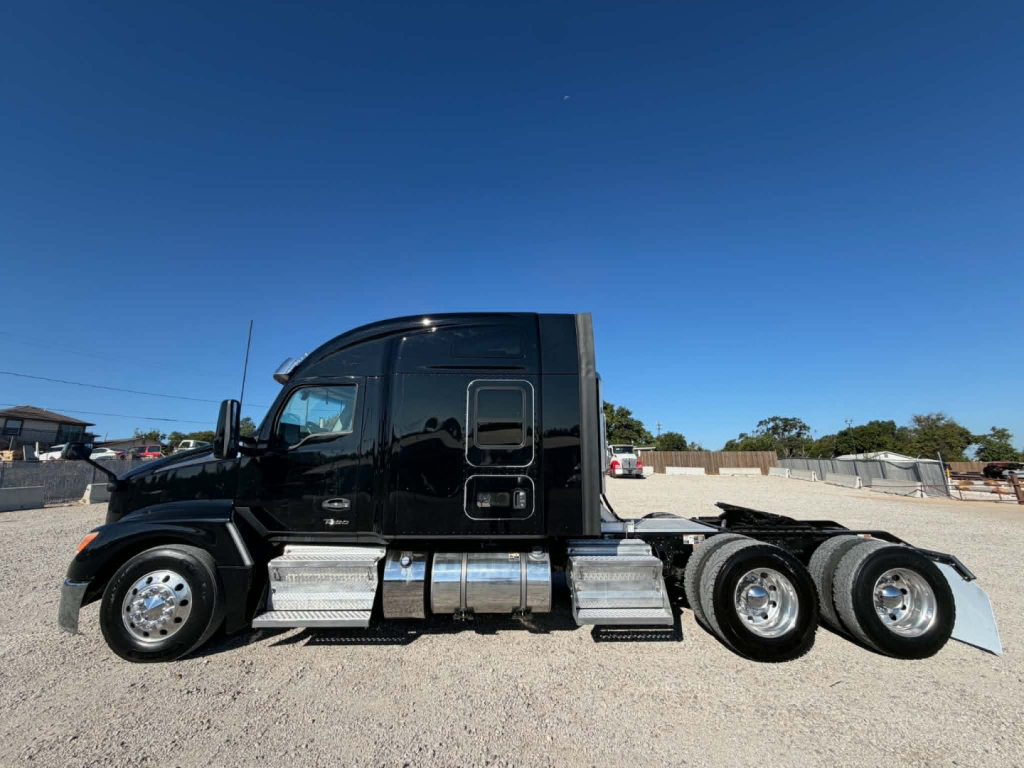
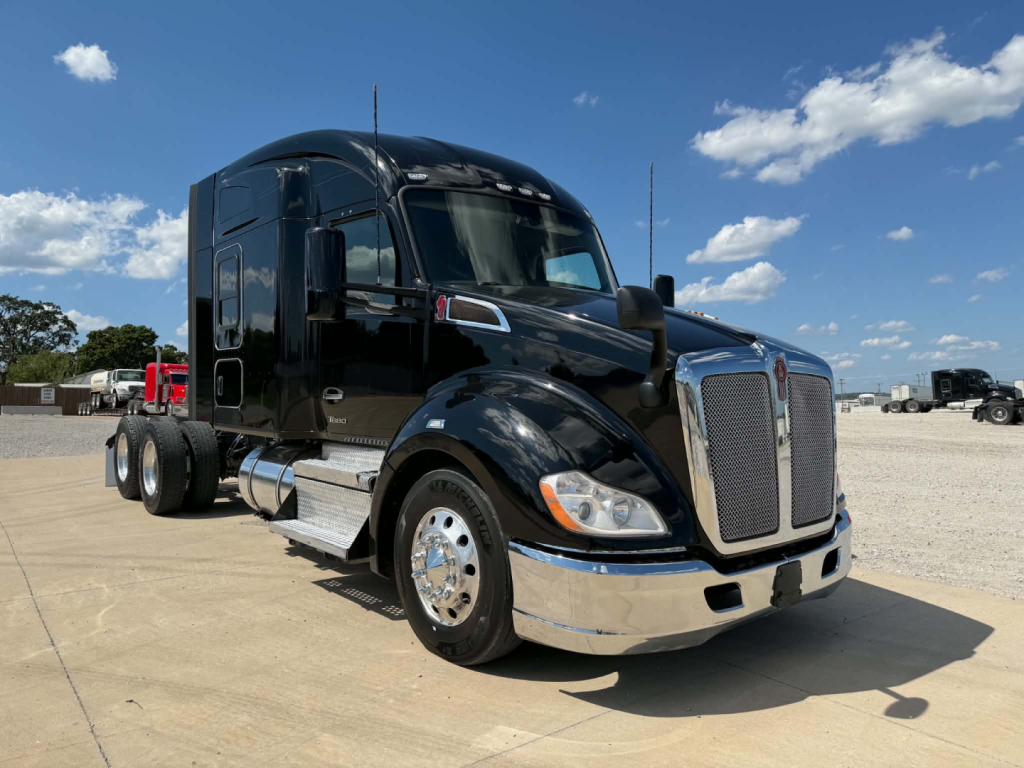
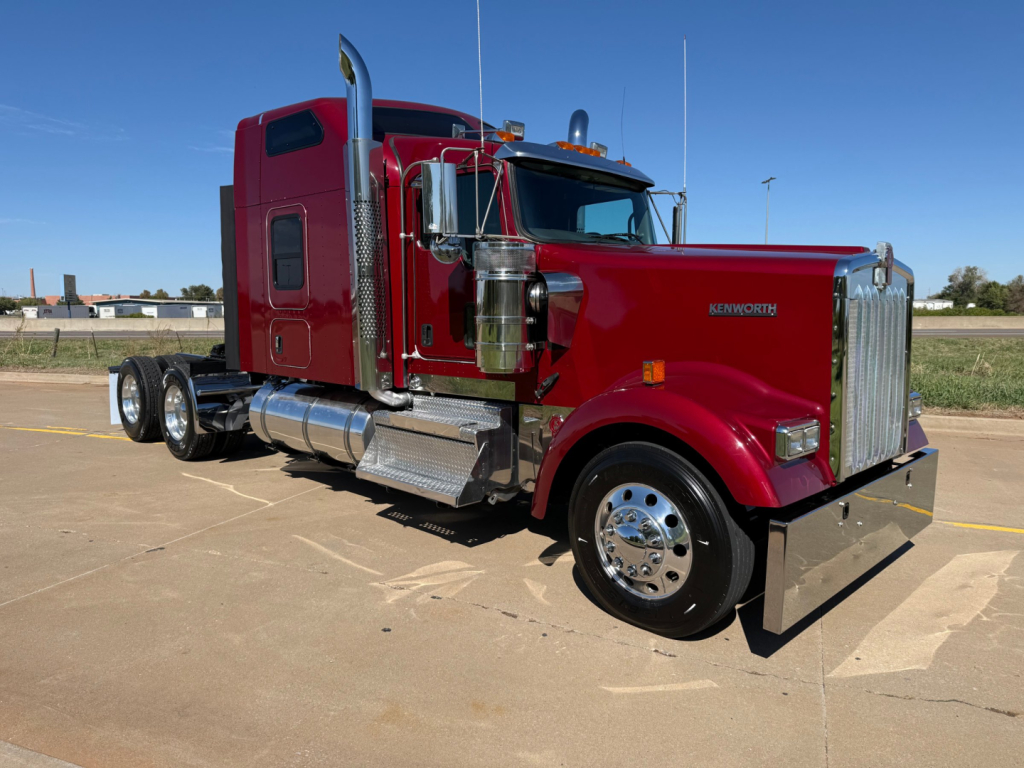
The big buying decisions usually start with engine, transmission, axle ratio, and wheelbase. Late-model Kenworth sleepers in this class commonly carry Cummins X15 power in ratings from about 450 to 565 hp, paired with either an Eaton Fuller 18-speed manual or an automated transmission such as the Endurant 12-speed. A 2.79 rear ratio points toward highway efficiency and lower cruise rpm, which is attractive for dry van and reefer lanes. A 3.36 ratio is a more versatile spec for buyers who pull heavier loads, run mixed terrain, or want better startability with a manual transmission. Wheelbases in the mid-230s generally suit aerodynamic fleet tractors, while 265-inch to 286-inch wheelbases are more common on long-hood W900L setups, especially when the truck is ordered with larger sleepers, dual fuel tanks, headache rack clearance, or wet kit considerations.
Sleeper configuration matters as much as driveline spec. Kenworth conventional sleepers often come with 72-inch mid-roof or flat-top sleepers, and buyers should look closely at interior layout, cabinet space, bunk width, refrigerator prep, inverter setup, and overall HVAC performance. Chassis details also deserve attention. Tandem rear axles rated around 40,000 pounds, front axles in the 12,000 to 13,200 pound range, and AG400L air ride suspension are common on highway-spec Kenworths. Disc brakes, low-pro rubber, dual 100-gallon fuel capacity, and deer guards may also show up depending on prior application. If the truck is intended for specialized pulling, confirm fifth wheel position, frame length, PTO or wet kit equipment, and any suspension or brake upgrades that support the trailer type you plan to run.
For Oklahoma buyers, the best Kenworth conventional sleeper is usually the one whose prior spec matches your freight instead of just the one with the newest year model. A T680 with an efficient aero package and automated transmission can be the right truck for steady van freight across I-35 and beyond. A W900L with an 18-speed, longer wheelbase, and higher horsepower X15 may be the better fit for heavier commodity work or buyers who place a premium on classic styling and resale appeal. Pay attention to emissions history, maintenance records, tire and brake condition, suspension wear, and signs of frame or fifth wheel stress. On any used sleeper tractor, those details tell you more about future operating cost than paint, chrome, or trim level.
Frequently Asked Questions about Kenworth Conventional Sleeper Trucks in Oklahoma
What is the difference between a Kenworth T680 sleeper and a Kenworth W900L sleeper?
The T680 is an aerodynamic conventional sleeper designed primarily for fuel-efficient highway use, while the W900L is a long-hood conventional sleeper known for heavier specs, owner-operator appeal, and classic styling. T680s are more common in fleet and mileage-focused applications with automated transmissions and faster rear ratios. W900Ls are often ordered with longer wheelbases, higher horsepower ratings, manual 18-speeds, and specs that better suit specialized or heavier freight.
What engine and transmission specs are common in Kenworth conventional sleeper trucks?
Late-model Kenworth conventional sleepers commonly use the Cummins X15, usually in the 450 to 565 horsepower range. Transmissions are often either Eaton Fuller 18-speed manuals or 12-speed automated units such as the Endurant. The right combination depends on the job. A manual 18-speed and 3.36 ratio fit heavier or more varied work, while an automated transmission with a faster ratio like 2.79 is more oriented toward highway efficiency.
What sleeper size is typical on a Kenworth conventional sleeper truck?
A 72-inch sleeper is one of the most common configurations in this category, often in either a mid-roof or flat-top design. The choice depends on route profile, driver preference, and overall truck spec. Mid-roof sleepers tend to pair well with aerodynamic highway tractors, while flat-top sleepers are common on classic long-hood trucks where appearance, wheelbase, and application-specific chassis layout are part of the package.
What should I check when buying a used Kenworth sleeper in Oklahoma?
Start with the truck's original application and compare it to the work you plan to do. Then review engine history, emissions system service, transmission operation, axle ratio, suspension type, tire condition, brake wear, and any signs of hard pulling such as frame wear near the fifth wheel or uneven suspension loading. In Oklahoma, where trucks may see interstate freight, agricultural hauling, and oilfield-related use, prior application can significantly affect remaining life and operating cost.
Is a Kenworth conventional sleeper a good choice for heavy haul or vocational crossover work?
It can be, especially in W900L form when the truck is spec'd correctly. Buyers should look for higher horsepower, an 18-speed transmission, appropriate rear gearing, adequate wheelbase, and supporting equipment such as a PTO or wet kit if the trailer requires it. Not every sleeper tractor is built for vocational crossover, so it is important to verify axle ratings, suspension, frame setup, and fifth wheel placement before assigning the truck to heavier or more demanding work.