
2025 Kenworth Conventional Sleeper Trucks For Sale in Missouri
2025 Kenworth conventional sleeper trucks for sale in Missouri: compare gearing, sleeper layouts, emissions history, and new or used warranty coverage.
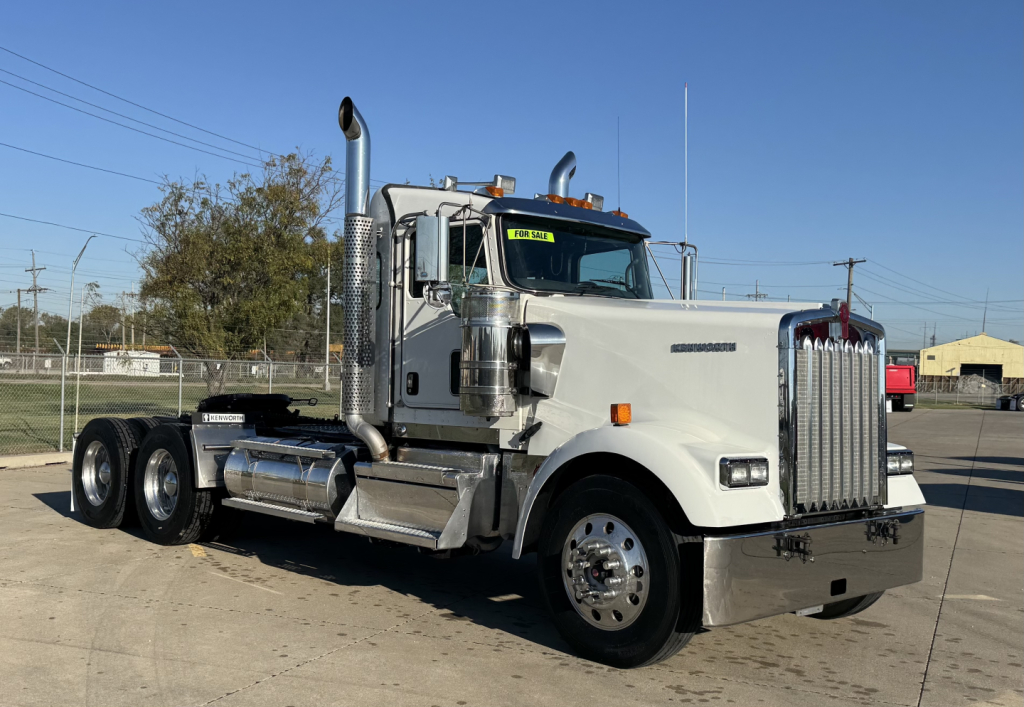
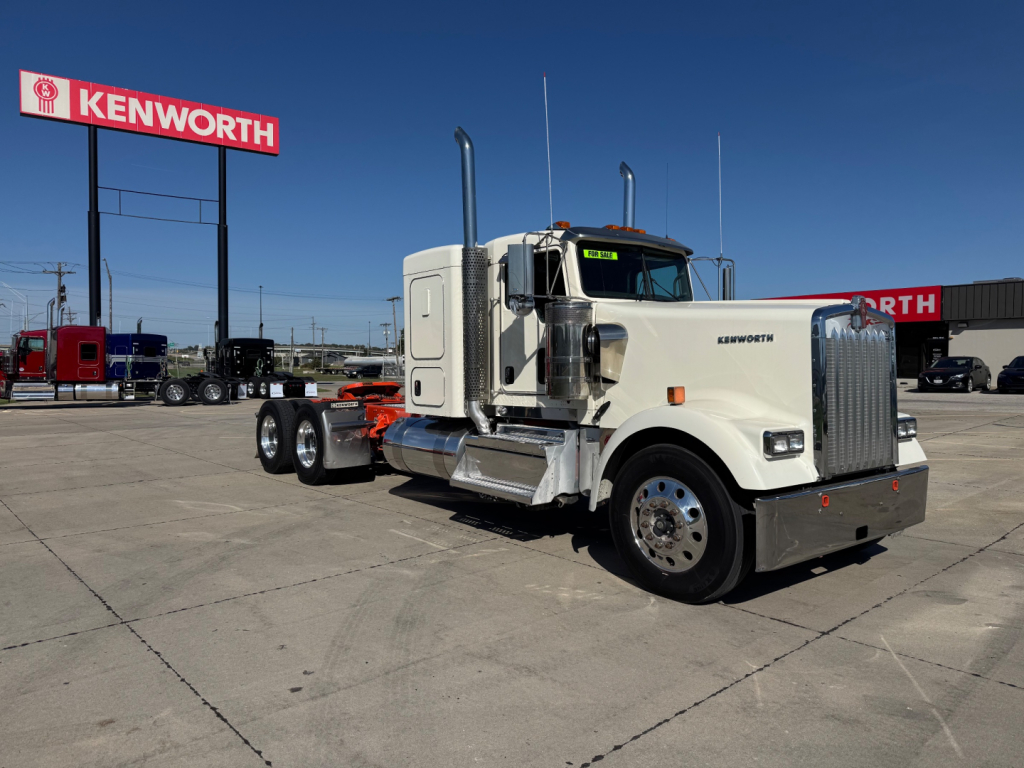

Selling a 2025 kenworth conventional sleeper truck? List your 2025 kenworth conventional sleeper truck for sale and reach thousands of commercial buyers.
2025 Kenworth Conventional Sleeper Trucks in Missouri
Rear-axle gearing, transmission top gear, and tire diameter need to work together at the truck's intended cruise speed. Missouri's Ozark grades make usable engine braking and cooling capacity worth checking, especially with heavier agricultural or flatbed loads. A longer wheelbase can improve packaging and ride, but it also increases turning space and changes axle loading; confirm trailer clearance, fifth-wheel travel, and legal weight distribution before choosing a chassis.
A 2025 model belongs to the modern DPF and SCR emissions era and requires DEF; model year alone does not establish its engine certification or warranty start date. For used examples, compare ECM mileage, total engine hours, idle hours, fault history, and regeneration records with service invoices. Inspect the DPF service history, DEF system, turbo plumbing, clutch or automated transmission operation, fifth-wheel jaws, and suspension bushings. Missouri winter deicing chemicals warrant a close look at frame seams, air tanks, electrical connectors, and brake hardware. Test sleeper HVAC, auxiliary heating or an APU if equipped, and inspect roof seams for water intrusion.
For a new tractor, specify sleeper layout, bunk count, fuel capacity, axle ratings, and any PTO preparation around the actual trailer and route. Confirm separate chassis, engine, aftertreatment, and transmission warranty terms, including time, mileage, hours, and exclusions. Qualifying new heavy tractors generally carry a 12% federal excise tax on the taxable sale amount, so verify tax treatment and the warranty in-service date before comparing new and used ownership costs.
Frequently Asked Questions about 2025 Kenworth Conventional Sleeper Trucks in Missouri
Is a 3.36 or 3.70 axle ratio better for a 2025 Kenworth sleeper in Missouri?
A 3.70 axle ratio provides about 10% more torque multiplication than a 3.36 ratio in the same transmission gear, but also turns the engine about 10% faster at the same road speed and tire size. For a 2025 Kenworth sleeper tractor, choose using loaded grade performance and intended cruise RPM, not ratio alone. Direct-drive versus overdrive transmission gearing can change which rear-axle ratio best fits Missouri highway work.
Is a 42-inch sleeper enough for weeklong trips in a Kenworth W900L?
A 42-inch W900L sleeper is better suited to a solo driver with modest storage needs than to team operation or extended living aboard. The nominal sleeper length is not the mattress length. For a 2025 Kenworth W900L used on weeklong routes, check bunk access with the seats adjusted, clothing storage, refrigerator space, HVAC airflow, and electrical capacity for overnight accessories. Compare those features with the driver's actual sleeping and meal-storage requirements.
How much weight can a 2025 Kenworth sleeper tractor haul legally in Missouri?
An ordinary five-axle tractor-trailer on Missouri interstates is generally limited to 80,000 pounds gross, with 20,000 pounds on a single axle and 34,000 pounds on a tandem, subject to bridge-formula limits. A 2025 Kenworth sleeper's axle ratings do not override those limits. Actual payload is legal gross weight minus the combined empty weight of tractor, trailer, fuel, and equipment. Missouri route restrictions, registration, and permits can change what a particular combination may carry.
Does a low-mileage used 2025 Kenworth still have factory warranty?
The original in-service date and component-specific limits determine remaining factory warranty on a used 2025 Kenworth sleeper. Have an authorized Kenworth dealer verify coverage by VIN, then confirm engine and transmission coverage with the appropriate manufacturer. Ask whether extended coverage transfers, whether a transfer fee or inspection applies, and whether maintenance documentation satisfies warranty requirements. A later resale does not restart the original warranty clock.