
International Conventional Sleeper Trucks For Sale in Florida
Shop International conventional sleeper trucks in Florida. Compare ProStar and LT specs, sleeper sizes, Cummins power, and fleet-ready road setups.
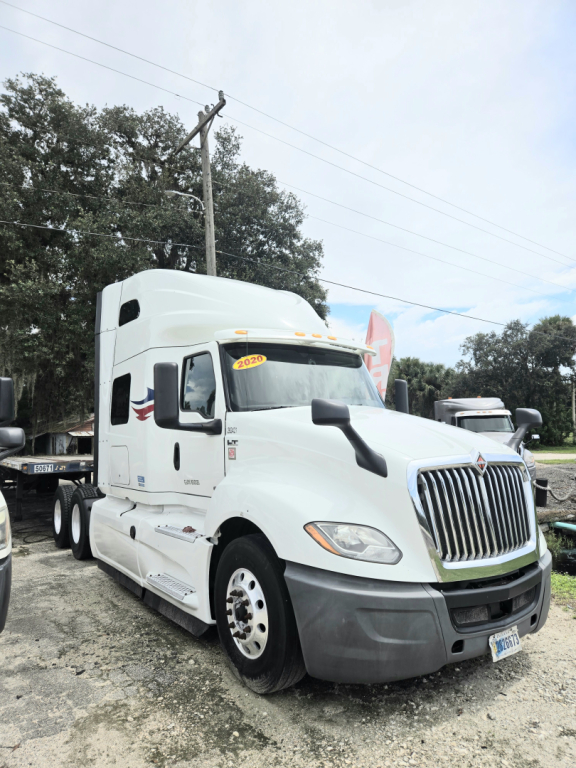
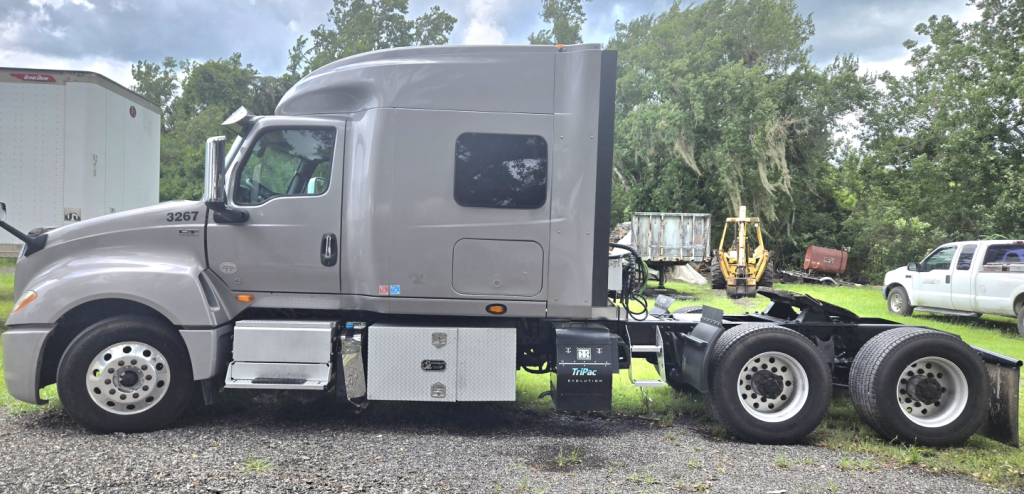
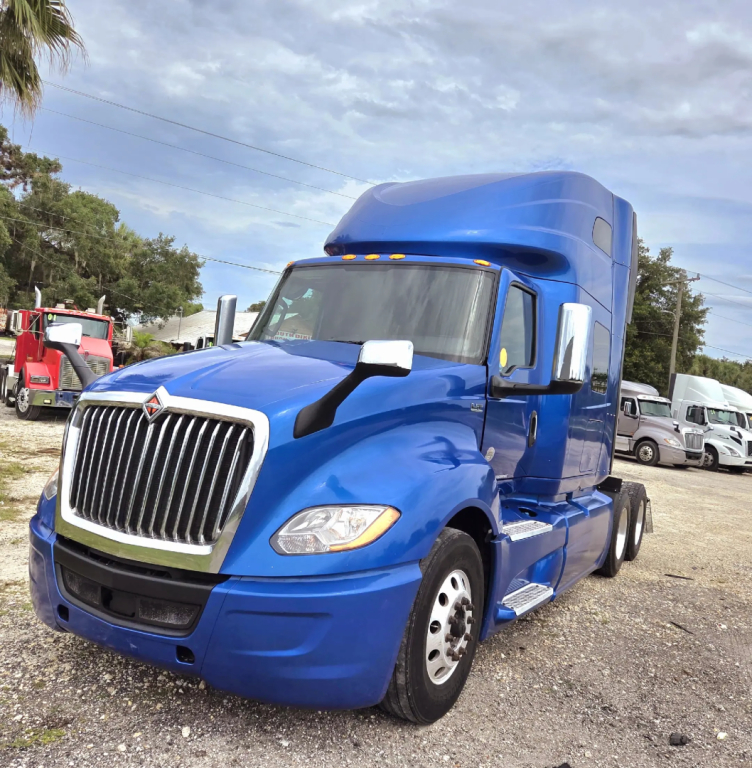
Have international conventional sleeper truck to sell? List it here to reach thousands of buyers.
International Conventional Sleeper Trucks in Florida
Powertrain selection is usually the first decision point. Many International sleeper trucks on the used market are spec'd with Cummins ISX15 or X15 engines in the 400 to 450 horsepower range, paired with manual 10-speed or automated transmissions. That setup fits a wide range of dry van, reefer, and general freight applications. Buyers should pay close attention to rear axle ratio, gross rear axle rating, and wheelbase because those specs affect cruise RPM, payload flexibility, and trailer compatibility. A 2.47 ratio with 40,000 lb rears, for example, is a common fuel-economy oriented linehaul spec. Air ride suspension, engine brakes, sliding fifth wheels, and 22.5 low-profile tires are also typical features in this class.
Sleeper configuration matters more than many first-time buyers expect. International conventional sleepers are commonly found with mid-roof, hi-rise, or condo-style sleepers, often around 73 inches, and some are set up with double bunk arrangements for team operation or extended runs. For a solo driver on regional freight, a mid-roof can be a strong balance of weight, aerodynamics, and living space. For longer stays on the road, a hi-rise or condo sleeper adds storage and stand-up room that can improve driver retention. It is also worth checking cab fairings, extenders, and visor setup since aerodynamic trim can make a measurable difference on highway fuel burn.
On a used International sleeper, condition evaluation should go beyond miles and model year. Buyers should look at emissions system history, transmission calibration, engine brake function, air ride condition, and signs of uneven tire wear that may point to alignment or suspension issues. Interior wear matters too because these trucks spend long hours in service and driver-contact components such as seats, bunk hardware, HVAC, and power accessories can affect uptime and reconditioning cost. For many operations, an International conventional sleeper truck delivers the right mix of road comfort, straightforward controls, and linehaul-ready specifications without stepping outside a familiar fleet maintenance program.
Frequently Asked Questions about International Conventional Sleeper Trucks in Florida
What are the most common International conventional sleeper truck models?
The most common International conventional sleeper models on the used market are the ProStar and the LT Series, including specs such as the LT625. The ProStar was widely used in over-the-road and regional fleet service, while the LT updated the platform with improved aerodynamics, driver comfort, and refinement. Both are conventional sleeper tractors designed for highway freight rather than vocational work.
What engine and transmission setups are typical in an International sleeper truck?
Many International conventional sleeper trucks are equipped with Cummins ISX15 or X15 engines rated around 400 to 450 horsepower. Transmissions commonly include manual 10-speed units or automated options, depending on fleet preference and driver requirements. This combination is well suited for dry van, reefer, and general linehaul service, and buyers should compare horsepower, torque, rear axle ratio, and transmission type as a complete operating package.
What sleeper size is common on International conventional sleepers?
A 73-inch sleeper is a very common configuration in this category, especially on ProStar models, and buyers will also see mid-roof, hi-rise, and condo-style layouts. Mid-roof sleepers usually prioritize lighter weight and cleaner aerodynamics, while hi-rise and condo sleepers provide more interior space and storage. The right sleeper depends on route length, team or solo operation, and driver comfort expectations.
Are International conventional sleeper trucks good for Florida and Southeast freight?
Yes. International sleeper tractors are a good fit for Florida and Southeast operations because they are commonly spec'd for highway efficiency, regional haul flexibility, and easy access to service support. They work well in dry van, reefer, dedicated contract freight, and port-related lanes where a sleeper truck is needed for overnight runs but a specialized heavy-haul tractor is not required.
What should I inspect first on a used International conventional sleeper?
Start with the powertrain and chassis spec, then move to maintenance-sensitive systems. Review engine history, emissions system repairs, transmission performance, rear axle ratio, suspension condition, and fifth wheel operation. After that, inspect tire wear patterns, bunk and cab condition, HVAC performance, and all driver-accessory systems because these items can quickly add to reconditioning cost if they have been neglected.