
Used Freightliner Conventional Sleeper Trucks For Sale in Pennsylvania
Shop used Freightliner conventional sleeper trucks for sale in Pennsylvania, including Cascadia models built for regional and long-haul freight.
No exact matches found for your search
Showing Used Conventional Sleeper Trucks in Pennsylvania instead.
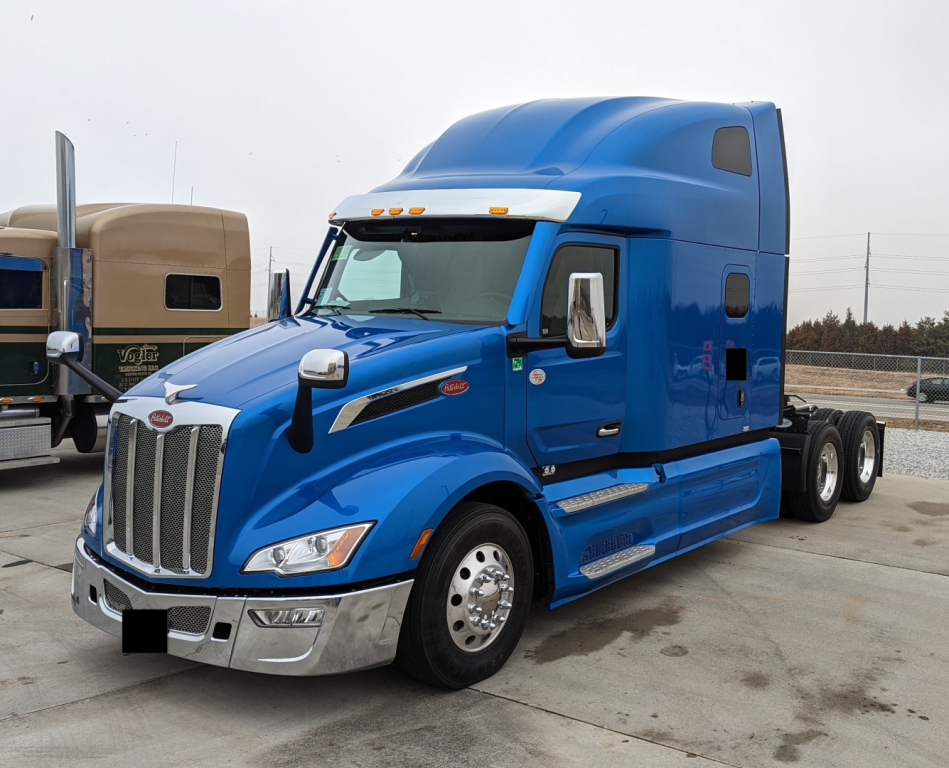
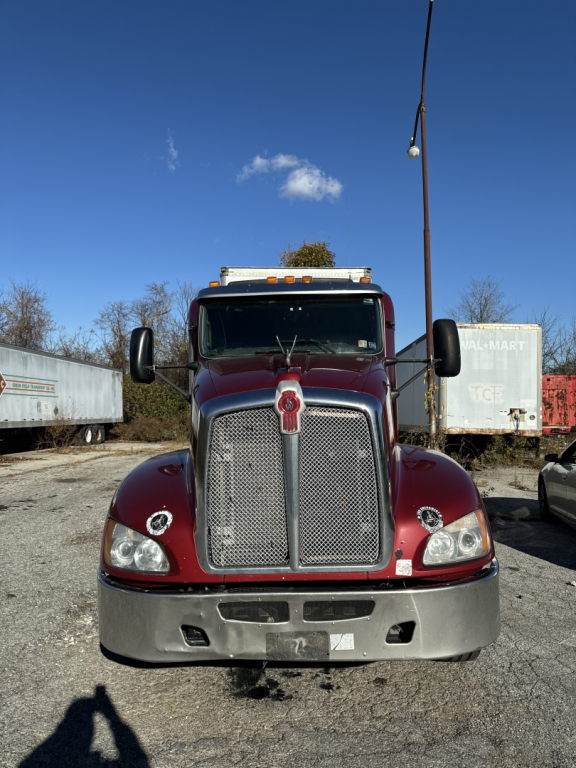
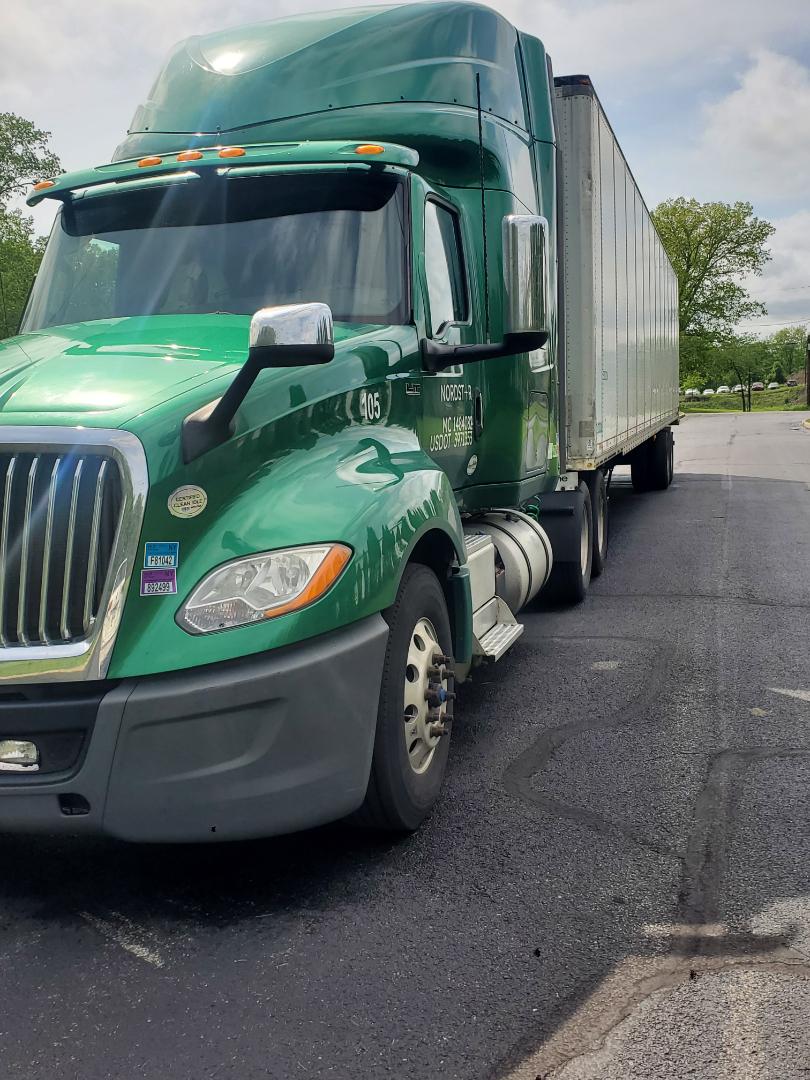
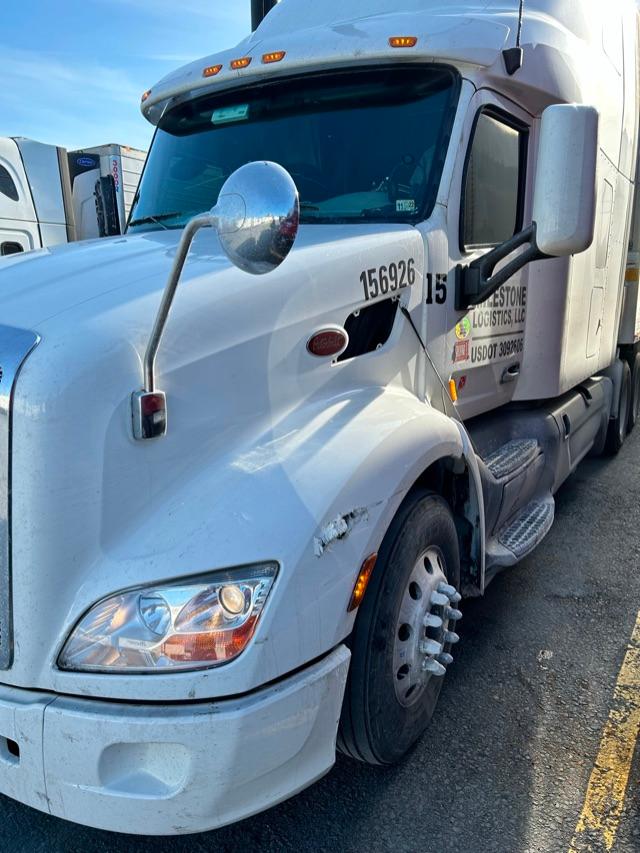
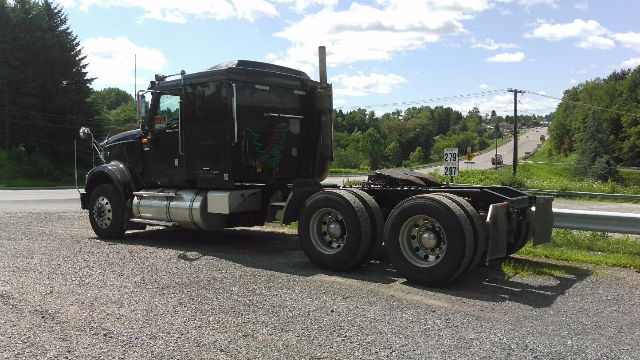
Have used freightliner conventional sleeper truck to sell? List it here to reach thousands of buyers.
Used Freightliner Conventional Sleeper Trucks in Pennsylvania
The first decisions usually come down to engine, transmission, and sleeper configuration. Many used Freightliner sleeper trucks are spec'd with Detroit DD13 or DD15 diesel engines, commonly in the 450 to 505 horsepower range, paired with the Detroit DT12 automated manual transmission. That combination is popular because it balances fuel economy with easy drivability and broad service familiarity. Buyers should also compare rear axle ratings, often 40,000 lb., rear axle ratios such as 3.08, and wheelbase length, since those specs affect startability, cruise RPM, trailer gap, and how the truck fits your freight lanes. Raised roof and mid-roof sleepers both show up in this segment, with 72-inch sleepers being especially common for teams, long regional routes, and solo drivers who spend several nights out.
On used Freightliner Cascadia sleepers, efficiency and safety equipment can matter as much as the powertrain. Aerodynamic fairings, cab extenders, horizontal exhaust, and dual aluminum fuel tanks are common specs for fuel-conscious operations. Air ride suspension, air slide fifth wheels, engine brakes, and disc brake setups are also worth noting because they affect ride quality, trailer flexibility, downhill control, and stopping performance. Newer used units may include collision mitigation systems, climate control features, bunk heaters, and upgraded interior packages. In Pennsylvania, where trucks may see turnpike miles, rolling terrain, winter weather, and dense terminal traffic, those features can make a measurable difference in driver comfort and uptime.
A smart used-buy evaluation should focus on maintenance history, emissions system condition, tire and brake wear, and any signs of uneven loading or alignment issues. Check the sleeper for HVAC performance, bunk condition, seals, and signs of water intrusion. Review ECM data when available, and compare idle hours to total miles, especially on sleeper tractors that may have spent significant time parked with hotel loads running. Freightliner conventional sleeper trucks remain one of the most liquid and widely supported classes in the used Class 8 market, which helps with service access, resale, and driver acceptance. For buyers comparing multiple listings, the best value often comes from matching the truck's horsepower, axle ratio, sleeper height, and wheelbase to the actual lanes and trailer types it will pull.
Frequently Asked Questions about Used Freightliner Conventional Sleeper Trucks in Pennsylvania
What engine and transmission combinations are common in used Freightliner conventional sleeper trucks?
Most used Freightliner conventional sleeper trucks in this class are equipped with Detroit DD13 or DD15 diesel engines and a Detroit DT12 automated manual transmission. Horsepower commonly falls between 450 and 505 HP, which suits general dry van, reefer, and dedicated freight applications. This setup is popular because it offers strong fuel economy, straightforward driver training, and wide service support across major freight corridors.
Is a Freightliner Cascadia sleeper a good fit for long-haul and regional work?
Yes. The Freightliner Cascadia sleeper is commonly spec'd for both long-haul and regional operations because it combines aerodynamic efficiency with practical sleeper accommodations. A 72-inch raised roof sleeper gives more living space for extended trips, while a mid-roof sleeper can still work well for regional runs where drivers need overnight capability without the tallest cab profile. The right choice depends on how many nights out the truck will run and how much interior storage the driver needs.
What specs should I compare when shopping used Freightliner sleeper trucks?
The most important comparisons are engine rating, transmission type, rear axle ratio, wheelbase, sleeper size, fuel tank capacity, and brake configuration. A 3.08 ratio is common on fuel-economy-focused highway specs, while wheelbase affects trailer swing clearance, ride quality, and axle loading. Buyers should also look at safety and comfort items such as collision mitigation, engine brake, bunk heater, climate control, and air slide fifth wheel, since those features affect daily operation and driver retention.
What should I inspect on a used Freightliner conventional sleeper before buying?
Start with service records, fault codes, and emissions system history. Then inspect the tires, suspension, brakes, kingpins, driveline, and fifth wheel for wear or deferred maintenance. On the sleeper side, verify that the HVAC system, bunk area, seals, and electrical accessories function correctly. If ECM reports are available, compare total miles, engine hours, and idle hours to get a better picture of how the truck was operated.
Why are used Freightliner sleeper trucks so common in Pennsylvania fleets?
Freightliner sleeper tractors are common in Pennsylvania because they fit a wide mix of freight demands, from turnpike linehaul to Northeast regional distribution. The brand has strong dealer and parts coverage, and the Cascadia platform is widely accepted by drivers and fleet maintenance departments. That combination makes it easier to keep trucks moving, source parts quickly, and manage resale value in a competitive used truck market.