
Used 2022 Freightliner Conventional Sleeper Trucks For Sale in Pennsylvania
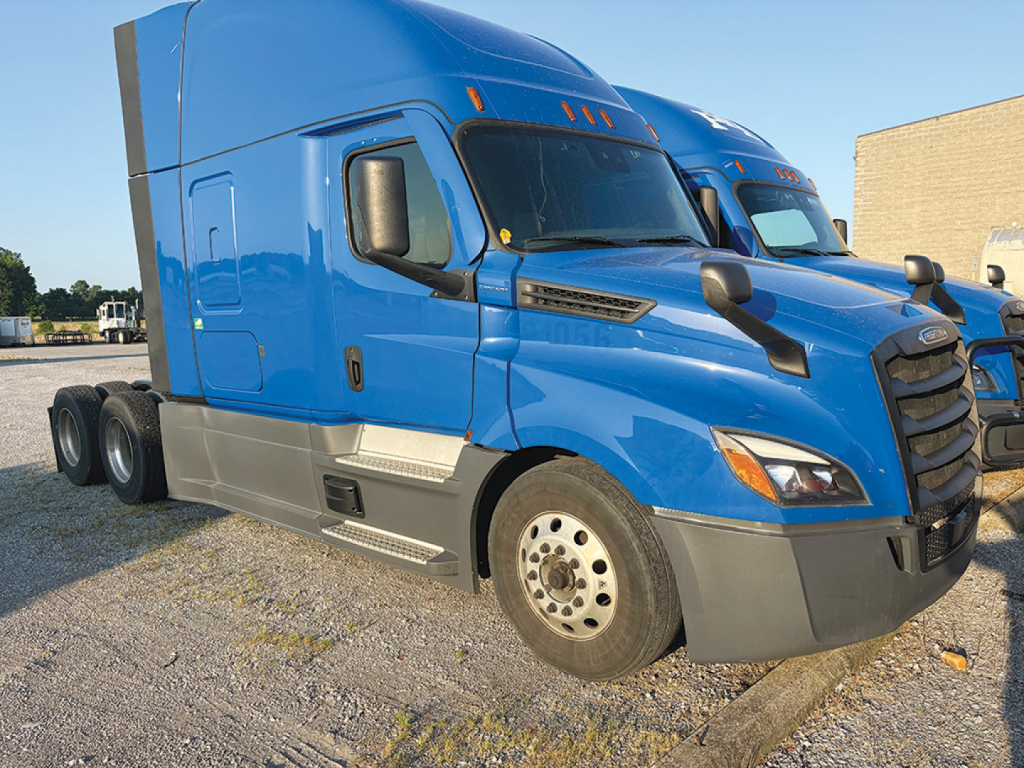
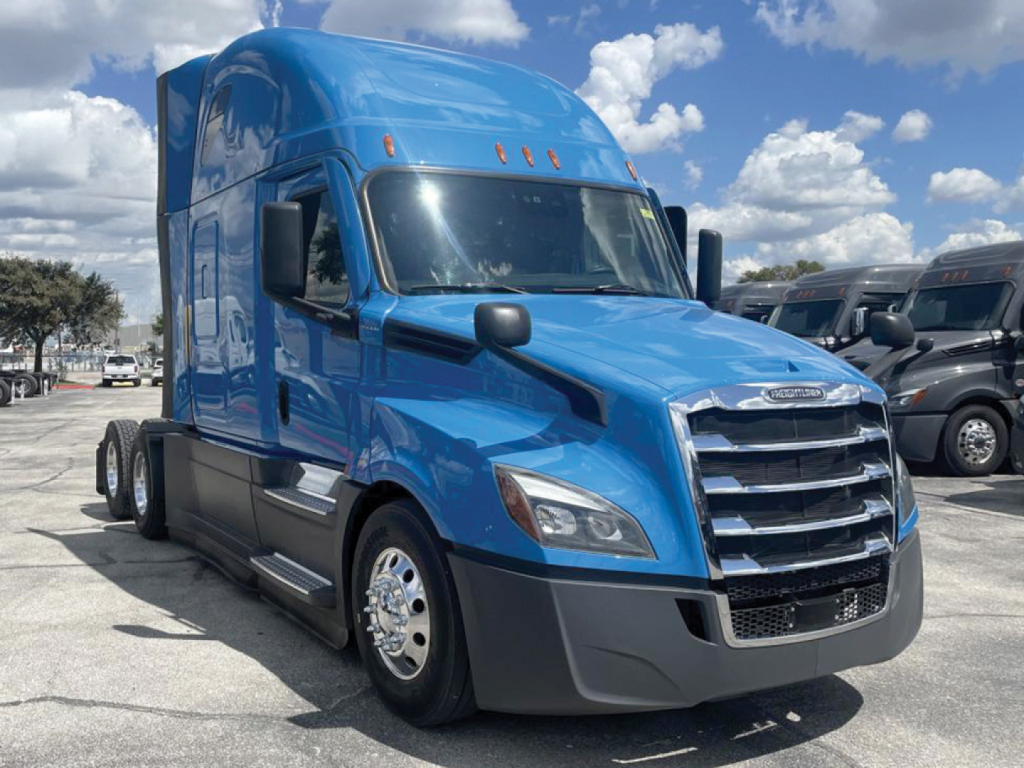
Have used 2022 freightliner conventional sleeper truck to sell? List it here to reach thousands of buyers.
Used 2022 Freightliner Conventional Sleeper Trucks in Pennsylvania
The most important buying decision is usually the drivetrain spec, not the paint or trim. A 2.28 rear ratio generally points to a fuel-mileage-oriented highway spec, best suited for van, reefer, and lighter gross combination weights on flatter lanes. A 3.08 ratio is a more versatile middle ground for mixed freight and broader terrain, giving better launch and grade performance without moving too far away from fuel economy. Wheelbase, often in the mid-220s to high-220s on these trucks, also affects maneuverability, trailer gap, and ride quality. Buyers hauling standard 53-foot dry vans or reefers should also confirm fifth wheel travel, kingpin setting compatibility, and fairing layout to keep tractor-trailer aerodynamics working as intended.
2022 Freightliner sleepers often include the spec items buyers now treat as baseline requirements: engine brake, cruise control, power windows, tilt and telescoping steering, climate control, bunk heater, and dual aluminum fuel tanks. Safety and uptime features are just as important. Collision mitigation systems, disc brakes on some configurations, and integrated Detroit powertrain controls can improve both operating confidence and serviceability. On a used truck, maintenance records, emissions system history, tire wear pattern, and signs of driveline mismatch are more important than cosmetic upgrades. A clean DD15 and DT12 combination with documented service intervals can be a strong fit for fleets trying to control operating cost and for owner-operators looking for a late-model sleeper with broad parts and service support across Pennsylvania and the Northeast.
Regional operating conditions in Pennsylvania make spec discipline especially important. Mountain grades, winter weather, turnpike speeds, and frequent stop-start freight corridors can expose weak gearing choices, neglected brakes, or cooling system issues quickly. Buyers should look closely at tire size, brake type, suspension condition, and any idle-reduction or bunk comfort equipment if the truck will spend time on multi-day runs. Freightliner conventional sleepers are popular because they are easy to source parts for, familiar to technicians, and commonly accepted across fleet maintenance programs, which helps protect resale value and reduce downtime over the long haul.
Frequently Asked Questions about Used 2022 Freightliner Conventional Sleeper Trucks in Pennsylvania
What engine and transmission are common in a used 2022 Freightliner conventional sleeper?
The most common setup is a Detroit DD15 engine rated around 450 to 455 horsepower with a Detroit DT12 automated manual transmission. That combination is popular because it balances fuel economy, highway performance, and service network support. Some trucks in the broader conventional sleeper market may have other engines or manual transmissions, but the DD15 and DT12 package is one of the most typical configurations for 2022 Freightliner Cascadia sleepers.
Is a 2.28 or 3.08 rear axle ratio better on a 2022 Freightliner sleeper?
It depends on the freight and terrain. A 2.28 ratio is geared toward lower cruise RPM and better fuel economy on long highway runs with moderate gross weights. A 3.08 ratio is better for buyers who need stronger startability, more flexibility in mixed freight, or better performance in rolling and mountainous territory. In Pennsylvania and the Northeast, many buyers prefer a ratio that does not give up too much pulling performance on grades.
What sleeper size is common on a 2022 Freightliner Cascadia conventional sleeper?
A 72-inch raised-roof sleeper is one of the most common specifications. It provides full stand-up room, more cabinet space, and usually an upper bunk, making it a practical choice for long-haul solo drivers and team operations. Mid-roof sleepers exist as well, but the raised-roof configuration is the more common fit for over-the-road applications where driver comfort and onboard living space matter.
What should I inspect first on a used 2022 Freightliner sleeper truck?
Start with maintenance records, engine hours, emissions system history, transmission operation, and rear axle ratio. Then inspect tire wear, brake condition, suspension components, and signs of uneven driveline loading or poor alignment. On a late-model sleeper, electronic safety features and HVAC or bunk systems should also be tested because repairs to those systems can add cost quickly. A diagnostic scan and a review of fault history are worthwhile before purchase.
Are used 2022 Freightliner conventional sleepers good for Northeast regional and long-haul freight?
Yes, they are widely used in both applications. The Cascadia platform is common in van, reefer, and general freight service because it offers aerodynamic efficiency, a comfortable sleeper, and broad dealer and parts support. The key is matching the truck's horsepower, axle ratio, wheelbase, and sleeper equipment to the actual work. A truck spec'd for flat interstate running may not be ideal for heavier regional lanes with frequent grades and tighter delivery points.