
Used 2020 Freightliner Conventional Sleeper Trucks For Sale in Pennsylvania
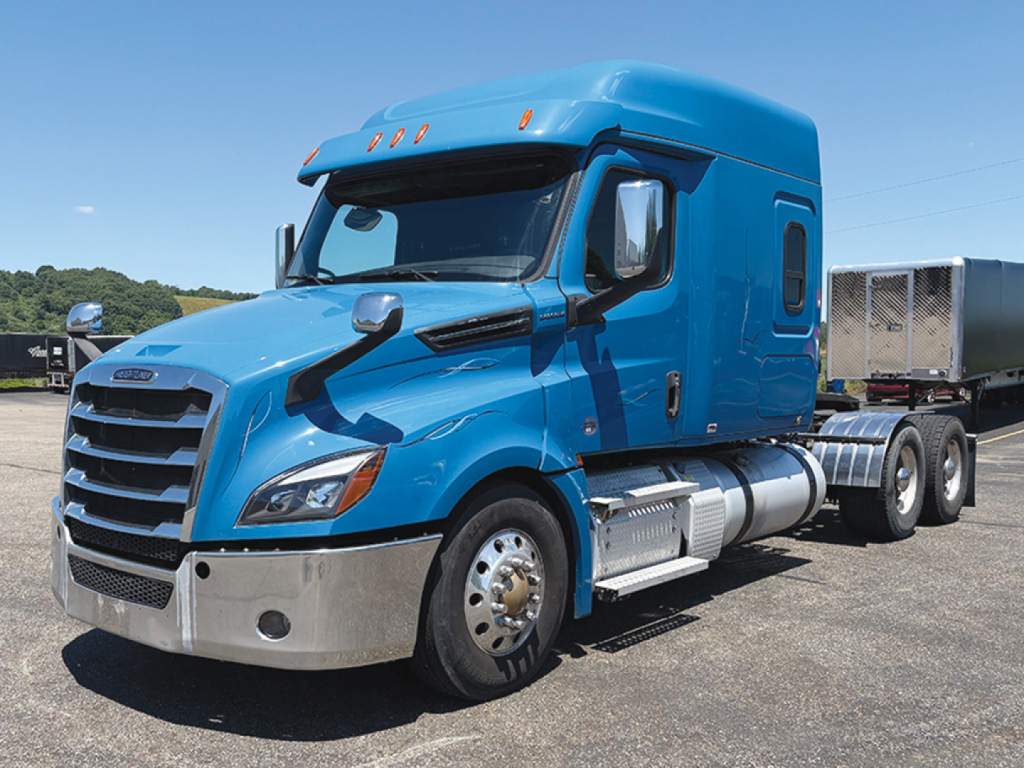
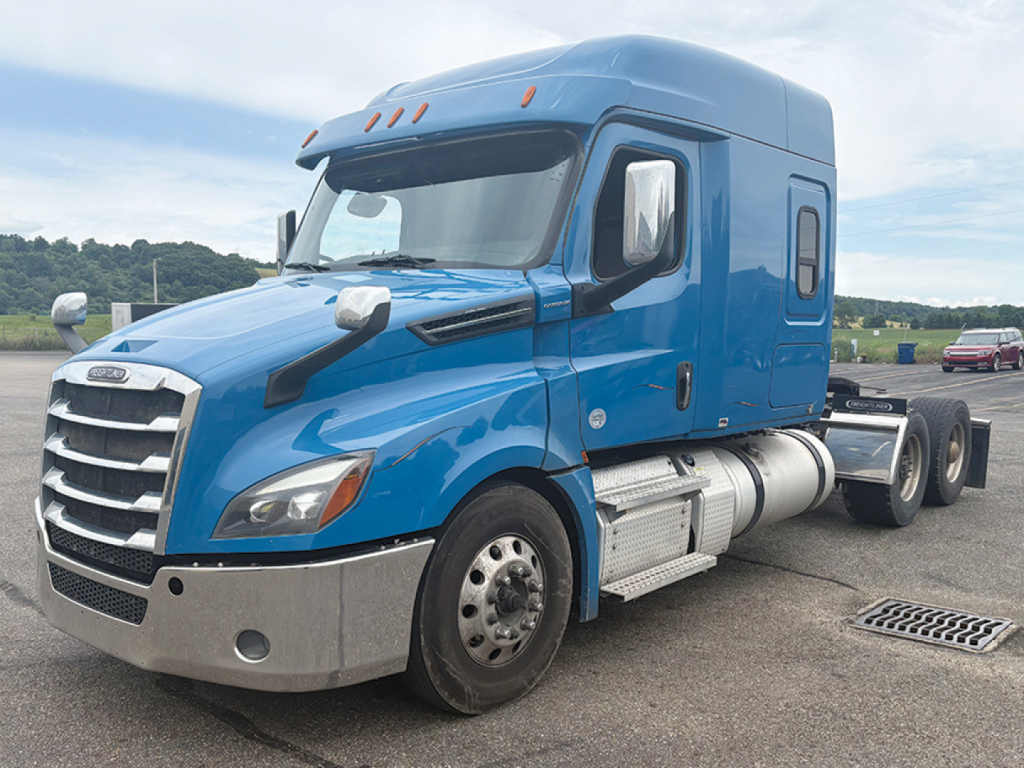
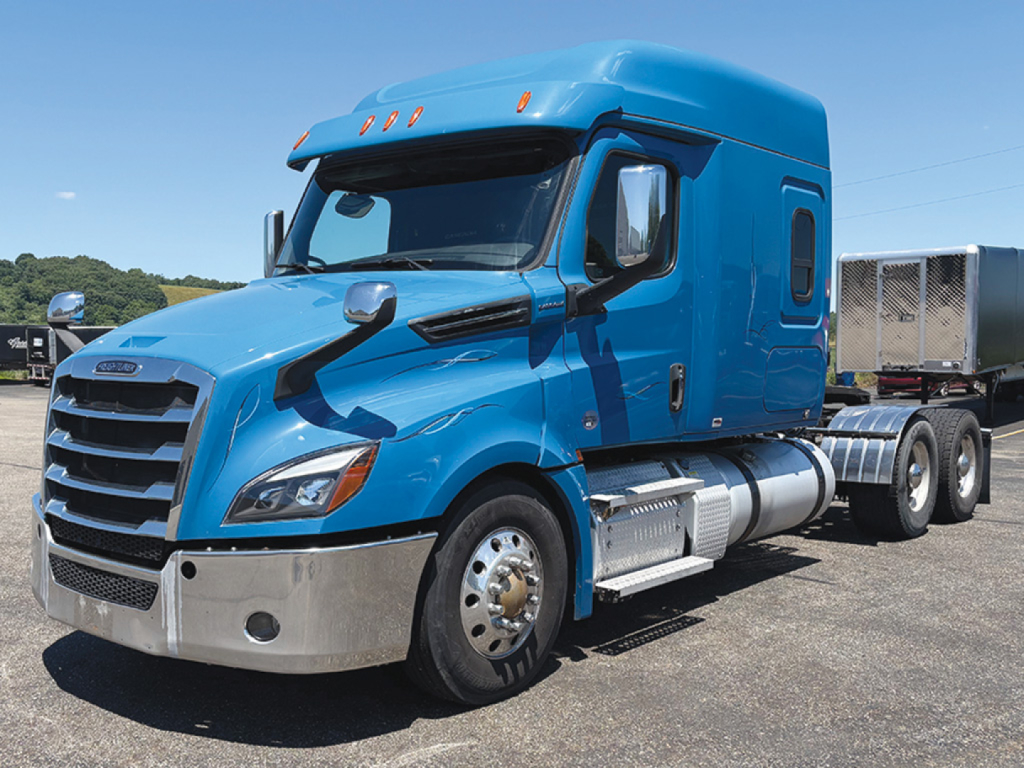

Have used 2020 freightliner conventional sleeper truck to sell? List it here to reach thousands of buyers.
Used 2020 Freightliner Conventional Sleeper Trucks in Pennsylvania
Frequently Asked Questions about Used 2020 Freightliner Conventional Sleeper Trucks in Pennsylvania
What engine and transmission combinations are common in a used 2020 Freightliner conventional sleeper truck?
The most common setup in a 2020 Freightliner conventional sleeper is a Detroit DD15 paired with the DT12 automated manual transmission, though some trucks are spec'd with a Cummins X15 and either an automated or manual transmission. Horsepower usually falls in the 400 to 505 HP range, depending on the intended duty cycle. For linehaul freight, buyers should compare torque rating, rear axle ratio, and transmission type together because those three specs have a direct effect on fuel economy, startability, and cruise RPM.
What sleeper size should I look for on a 2020 Freightliner Cascadia?
Sleeper choice depends on route length and driver needs. Mid-roof sleepers are common for regional work and dedicated lanes where weight control and lower overall height matter. Raised-roof sleepers provide more stand-up room and better storage for extended over-the-road use. Many 2020 Freightliner sleeper trucks are equipped with 70-inch or 72-inch sleepers, and buyers should verify bunk layout, refrigerator space, bunk heater, inverter prep, and cabinet configuration if the truck will be used for multi-day runs.
What specs matter most when comparing used 2020 Freightliner sleeper trucks in Pennsylvania?
Pennsylvania buyers should pay close attention to drivetrain gearing, brake type, tire setup, and wheelbase. A 2.28 or 3.08 ratio may favor fuel mileage on flatter dedicated lanes, while a 3.42 or deeper ratio can be more forgiving in mixed terrain and heavier gross weights. Disc brakes, air ride suspension, and air slide fifth wheels are common value points in this class. It is also smart to check for corrosion exposure, frame condition, and the status of emissions components because Northeast operating environments can be harder on undercarriage and aftertreatment systems.
Are 2020 Freightliner conventional sleeper trucks good for owner-operators?
Yes, many owner-operators target 2020 Freightliner conventional sleepers because they combine mainstream serviceability with a cab that is comfortable enough for full-time use. Freightliner has broad dealer coverage and strong parts availability, which matters when uptime drives revenue. Buyers should still look closely at maintenance records, idle hours, engine brake operation, fifth wheel condition, and any signs of deferred repairs in the suspension, HVAC, and sleeper amenities.
What features add value on a used 2020 Freightliner sleeper truck?
The most useful value-add features are the ones that improve uptime, safety, and driver retention. Collision mitigation systems, adaptive cruise functions, disc brakes, bunk heaters, refrigerators, power convenience features, and aerodynamic fairings all matter in real-world use. Fuel tank capacity, wheelbase, dual tanks versus weight-sensitive specs, and tire configuration such as standard duals or super singles should also be reviewed because they affect operating cost and route flexibility.