
Used 2022 Freightliner Conventional Sleeper Trucks For Sale in North Carolina
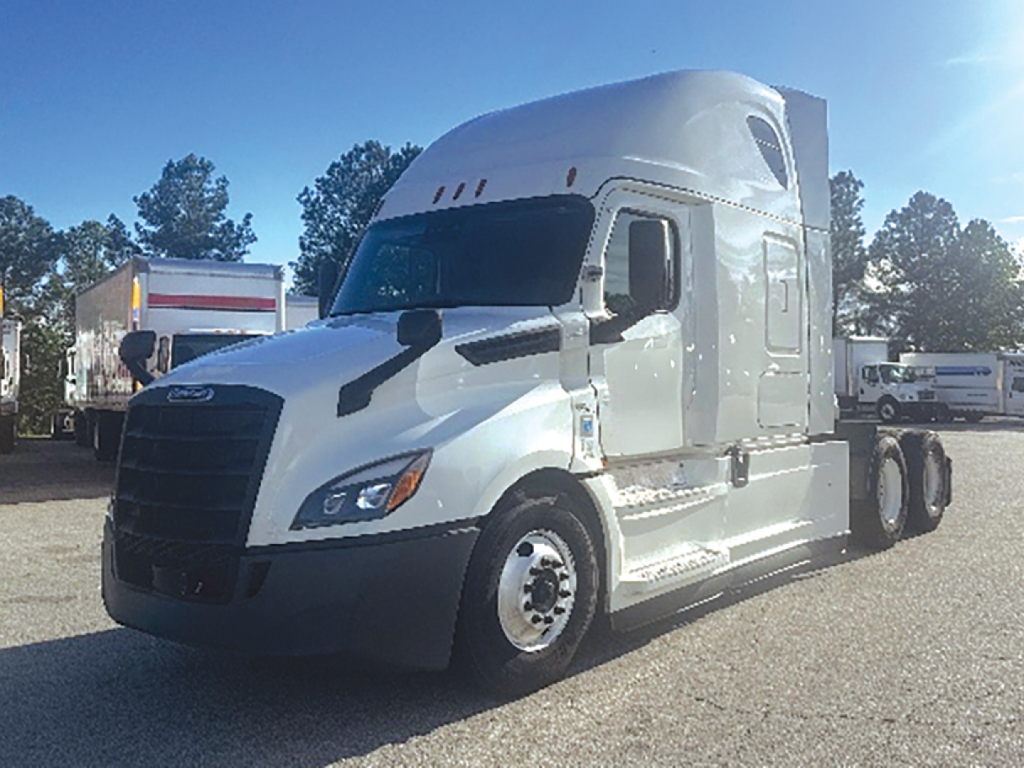

Have used 2022 freightliner conventional sleeper truck to sell? List it here to reach thousands of buyers.
Used 2022 Freightliner Conventional Sleeper Trucks in North Carolina
The biggest buying decision is usually the powertrain. Many 2022 Freightliner sleeper trucks are equipped with Detroit DD13 or DD15 engines paired with the DT12 automated manual transmission, though some fleets ordered manual transmissions or different horsepower ratings depending on duty cycle. A DD15 in the 400 to 505 HP range with common rear axle ratios like 2.64, 2.85, or 3.08 is a typical highway spec. Buyers should match the ratio and transmission programming to the freight they actually haul. Lower numerical ratios generally favor fuel economy at cruise speed, while a more aggressive ratio can help in heavier gross weights, hill country, or stop-and-go regional work. It is also smart to confirm idle management settings, engine brake spec, and any emissions-related repair history, especially on used equipment where downtime costs can erase a good purchase price.
Cab and chassis details matter just as much as the engine badge. Look closely at wheelbase, fairings, fuel capacity, fifth wheel travel, and suspension spec. A sleeper tractor set up for van and reefer work may have different tank placement and frame equipment than one intended for dedicated lanes or bulk freight. Air ride suspension, disc or drum brake configuration, collision mitigation systems, and tire inflation systems can all affect operating cost and driver acceptance. Inside the cab, bunk heater operation, inverter prep, upper bunk configuration, storage layout, and HVAC performance are worth checking because these trucks are designed to serve as both workplace and living space. Freightliner’s conventional sleeper platform is also known for a driver-friendly dash layout and broad dealer network, which can be a practical advantage for carriers trying to keep trucks moving.
Condition should be judged by use history, not just model year. A 2022 truck can still vary widely in engine hours, idle time, maintenance discipline, and prior application. Review service records for DPF cleaning intervals, one-box or aftertreatment repairs, transmission calibrations, alignments, and suspension wear. Check for frame corrosion, cab mount wear, sleeper leaks, and uneven tire wear that may point to axle or suspension issues. If the truck will run North Carolina lanes with regular exposure to I-40, I-85, I-95, and coastal humidity, cooling system condition and APU or bunk climate performance deserve extra attention. Buyers comparing used 2022 Freightliner conventional sleeper trucks should prioritize spec compatibility, maintenance documentation, and total operating cost over cosmetic appearance alone.
Frequently Asked Questions about Used 2022 Freightliner Conventional Sleeper Trucks in North Carolina
What engine and transmission are most common in a used 2022 Freightliner conventional sleeper truck?
The most common setup is a Detroit DD15 paired with a Detroit DT12 automated manual transmission, especially in Freightliner Cascadia sleeper tractors. Horsepower often falls in the 400 to 505 HP range, with rear axle ratios chosen to balance fuel economy and startability. Some trucks may have a DD13 for lighter or more fuel-focused applications, but the DD15 remains the more typical long-haul spec.
Is a 2022 Freightliner conventional sleeper good for regional freight or only long-haul?
It can be a strong fit for both, depending on how the truck was ordered. A raised-roof sleeper with larger fuel capacity and highway gearing is usually aimed at long-haul work, while a shorter wheelbase or smaller sleeper may suit regional lanes better. The key is matching wheelbase, axle ratio, fuel capacity, and sleeper size to the route pattern, trailer type, and average gross weight.
What should I inspect first on a used 2022 Freightliner sleeper in North Carolina?
Start with maintenance records, engine hours, idle hours, and emissions system history. After that, inspect tire wear, suspension condition, fifth wheel function, brake life, cooling system performance, and sleeper HVAC operation. In North Carolina, trucks often see a mix of hot weather, heavy interstate use, and humid conditions, so air conditioning performance, charge air cooling, and signs of corrosion or water intrusion are especially important.
What sleeper size is most practical on a Freightliner conventional tractor?
The right sleeper size depends on the operation. A 60-inch class sleeper can work well for solo regional and shorter over-the-road runs, while a 72-inch raised roof is generally preferred for long-haul comfort, team service, and drivers spending more nights in the truck. Larger sleepers add comfort and storage, but they also affect wheelbase, weight, and sometimes maneuverability.
Why do so many buyers look for a Freightliner Cascadia sleeper specifically?
The Cascadia is popular because it is widely supported, fuel-efficient when properly spec'd, and familiar to drivers and service departments across the country. Parts availability is usually better than with lower-volume models, and many fleets already know how to maintain Detroit-powered Cascadias efficiently. That combination can make it easier to control downtime, train drivers, and protect resale value.