
Used 2021 Freightliner Conventional Sleeper Trucks For Sale in Georgia
Shop used 2021 Freightliner conventional sleeper trucks in Georgia. Compare Cascadia specs, sleeper sizes, powertrains, safety tech, and ratios.
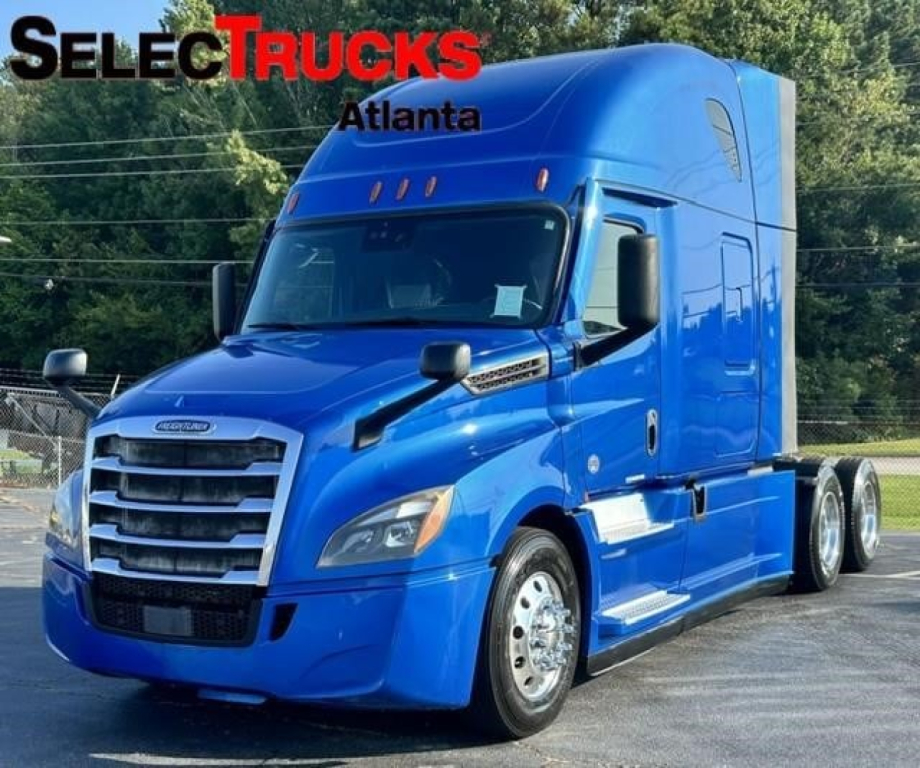
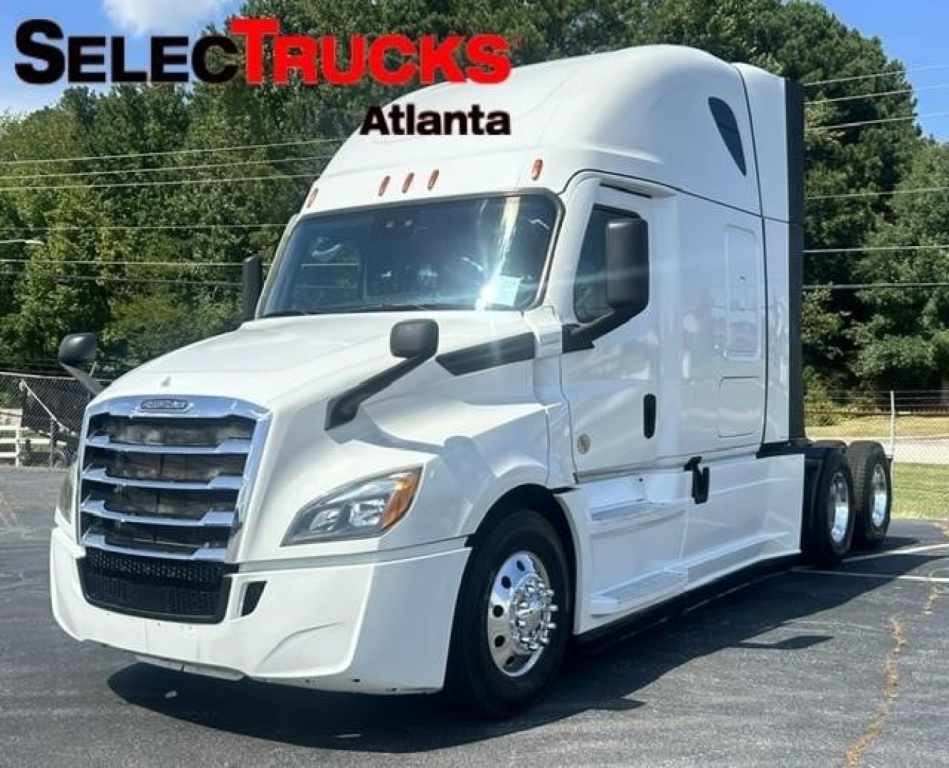
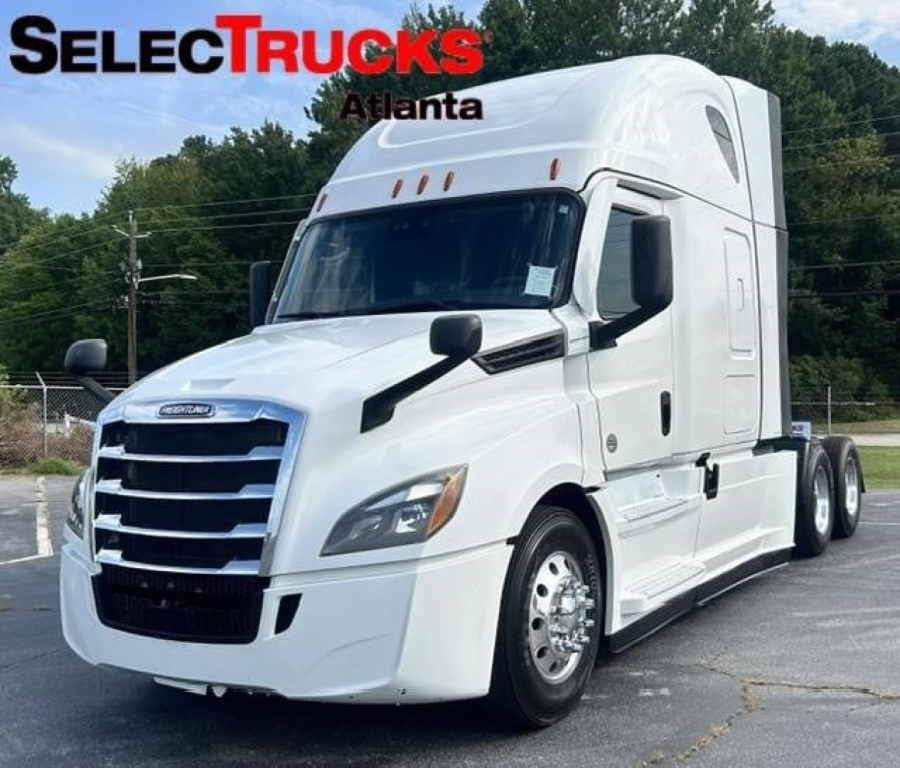
Selling a used 2021 freightliner conventional sleeper truck? List your used 2021 freightliner conventional sleeper truck for sale and reach thousands of commercial buyers.
Used 2021 Freightliner Conventional Sleeper Trucks in Georgia
The big buying decision usually starts with the powertrain. Many 2021 Freightliner sleeper trucks are equipped with a Detroit DD15 paired to a DT12 automated transmission, while others carry a Cummins X15 with an automated gearbox. Horsepower is commonly in the 450 to 455 HP range, which is well suited for 80,000 lb. gross combinations in highway service. Rear axle ratios such as 2.85, 3.08, or 3.55 change how the truck behaves. A 2.85 or 3.08 ratio generally favors lower cruise RPM and fuel economy on flatter interstate lanes, while a 3.55 can be the better choice for heavier loads, more start-stop work, or routes with more grade changes.
Sleeper and chassis specs deserve close attention because they affect both driver satisfaction and trailer compatibility. A 72-inch raised-roof sleeper with upper bunk is a common setup in this category and gives teams or solo drivers more usable living space for extended trips. Wheelbases around 228 to 231 inches are typical and should be matched to the trailer type and kingpin setting you plan to pull. Buyers should also look at fifth wheel style, including air slide setups, fuel tank capacity, brake type, and tire size. Disc brakes, low-profile 22.5 rubber, aluminum wheels, cab extenders, quarter fenders, and side fairings are all features that can influence operating cost, weight, and resale appeal.
Safety and driver-assist equipment are another reason 2021 models remain attractive in the used market. Many trucks from this category include collision mitigation systems, engine brakes, cruise control, power windows, and tilt-telescoping steering columns, with some also equipped with an auxiliary power unit for reduced idle time. Condition still matters more than the badge on the hood, so buyers should review maintenance records, fault history, emissions system service, brake wear, tire condition, and any signs of sleeper or fairing damage. On a used Freightliner conventional sleeper, a well-matched spec with documented maintenance will usually matter more than small differences in trim or appearance.
Frequently Asked Questions about Used 2021 Freightliner Conventional Sleeper Trucks in Georgia
What engine and transmission combinations are common in used 2021 Freightliner conventional sleeper trucks?
The most common combinations are a Detroit DD15 with a DT12 automated manual transmission or a Cummins X15 with an automated transmission. In this model year, horsepower is often in the 450 to 455 HP range, which is appropriate for highway freight and general long-haul service. Buyers should confirm the exact engine rating, transmission model, and rear axle ratio because those three items largely determine fuel economy, drivability, and application fit.
What rear axle ratio is best for a 2021 Freightliner Cascadia sleeper?
The right ratio depends on the freight and terrain. A 2.85 or 3.08 ratio is commonly chosen for interstate work where fuel economy and lower engine RPM are priorities. A 3.55 ratio can make more sense for heavier loads, shorter hauls, or routes with more hills and more frequent starts. The ratio should be evaluated with the tire size, transmission gearing, and average cruising speed, not as a standalone number.
Is a 72-inch raised-roof sleeper a good choice for fleet and owner-operator use?
Yes. A 72-inch raised-roof sleeper is one of the most practical configurations in this category because it supports over-the-road use without pushing the truck into a more specialized spec. It gives solo drivers more storage and living space, and it also works for team operations when equipped with an upper bunk. For resale, this sleeper size is widely accepted in the market and tends to appeal to a broad range of buyers.
What should buyers inspect first on a used 2021 Freightliner conventional sleeper in Georgia?
Start with service history, engine hours, mileage, and any emissions-related repairs. Then inspect the condition of the brakes, tires, suspension, fifth wheel, and sleeper interior, along with fairings, bumpers, and cab extenders for crash or yard damage. In Georgia and the Southeast, cooling system performance and A/C operation are especially important because trucks spend long periods in heat and humidity. Electronic fault codes and documentation of preventive maintenance can tell you more than cosmetic appearance.
Are 2021 Freightliner conventional sleeper trucks good for van and reefer hauling?
They are a very common choice for both van and reefer work. The aerodynamic Cascadia platform, highway-oriented powertrain options, and common 40,000 lb. rear axle setups make these trucks well suited for general freight, refrigerated freight, and regional distribution. Matching wheelbase, fifth wheel travel, and fuel capacity to your trailer mix and operating radius is the key to getting the best result from the truck.