
Freightliner Conventional Sleeper Trucks For Sale in Arkansas
Browse Freightliner conventional sleeper trucks in Arkansas, including Cascadia models built for fuel economy, driver comfort, and long-haul uptime.
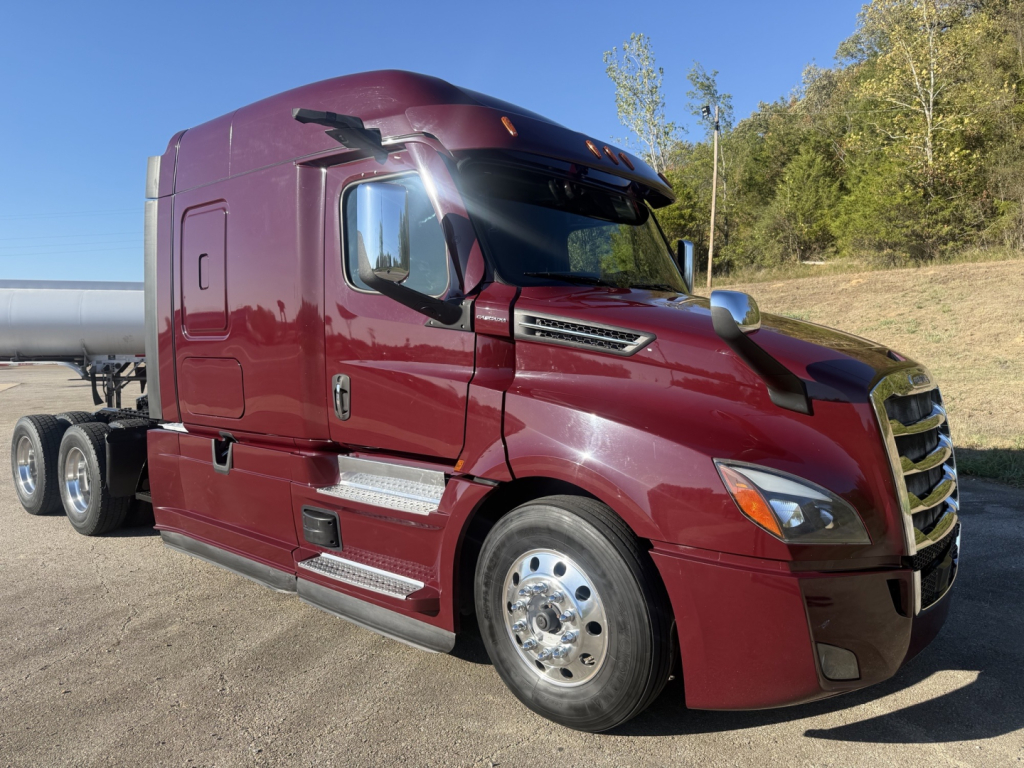
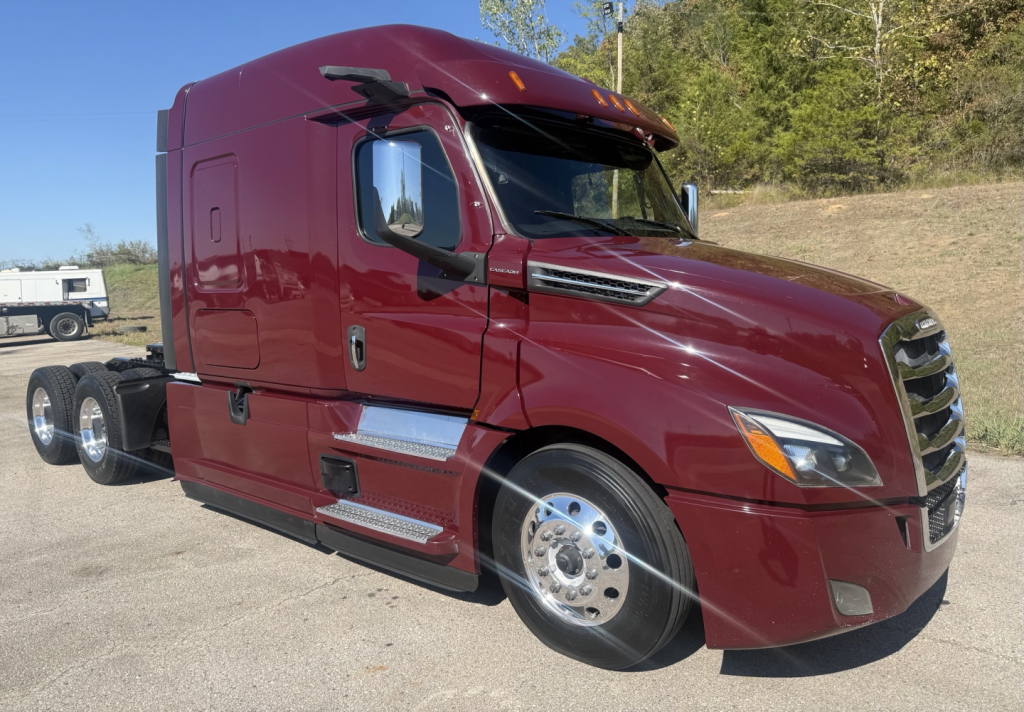
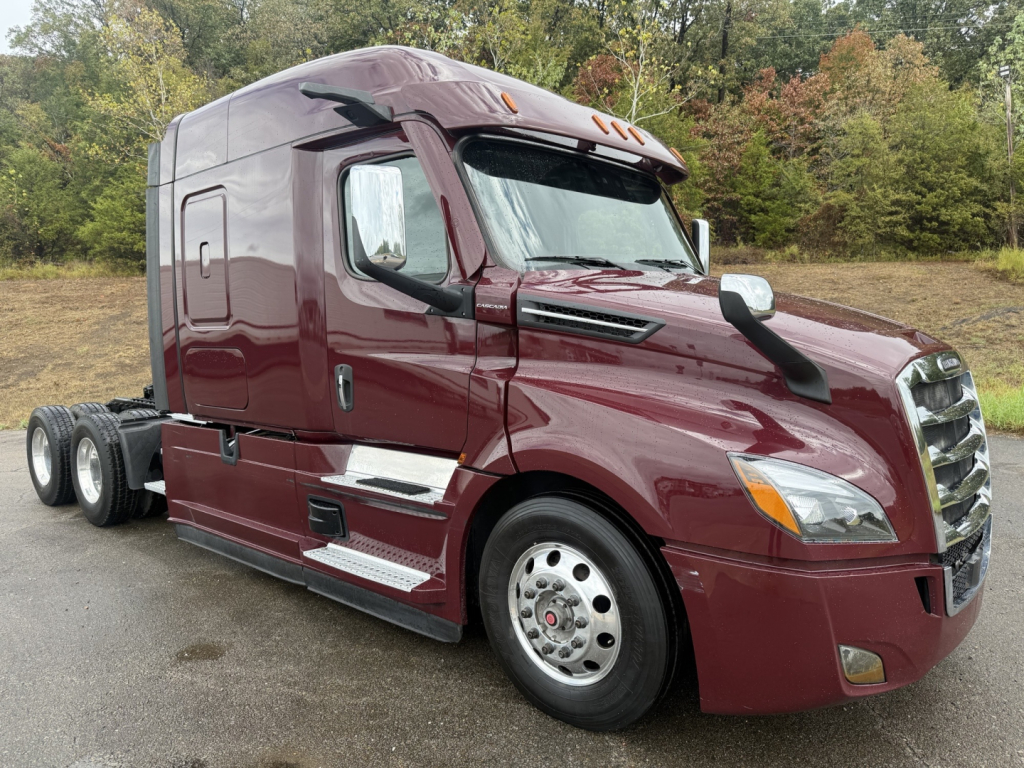
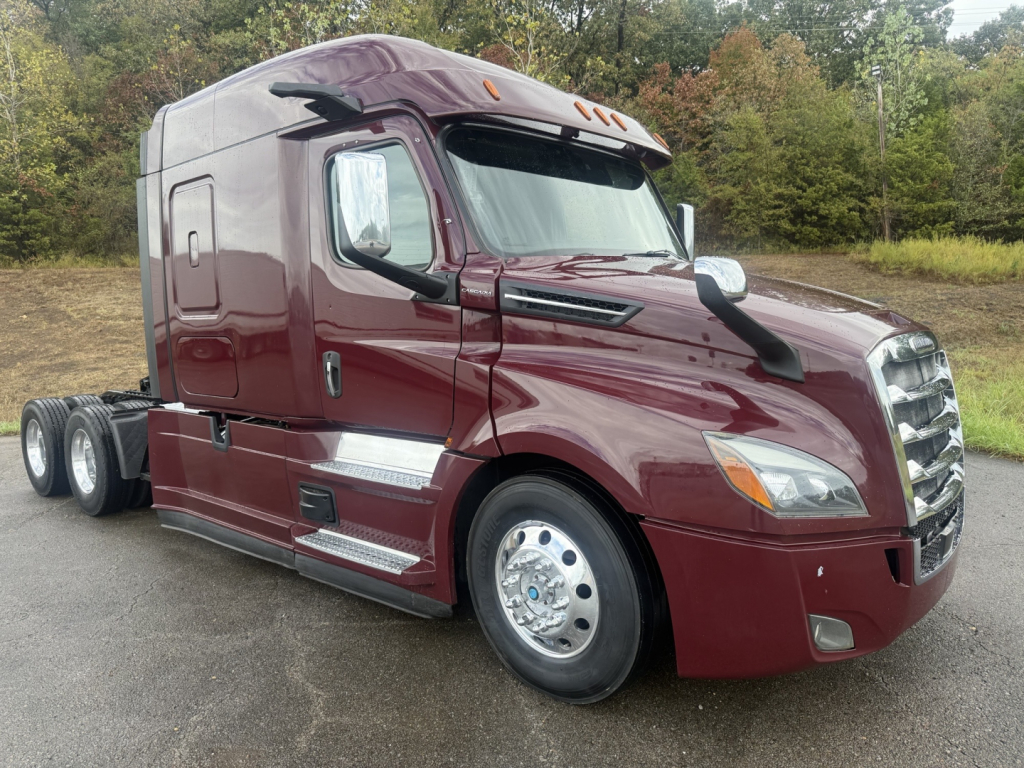
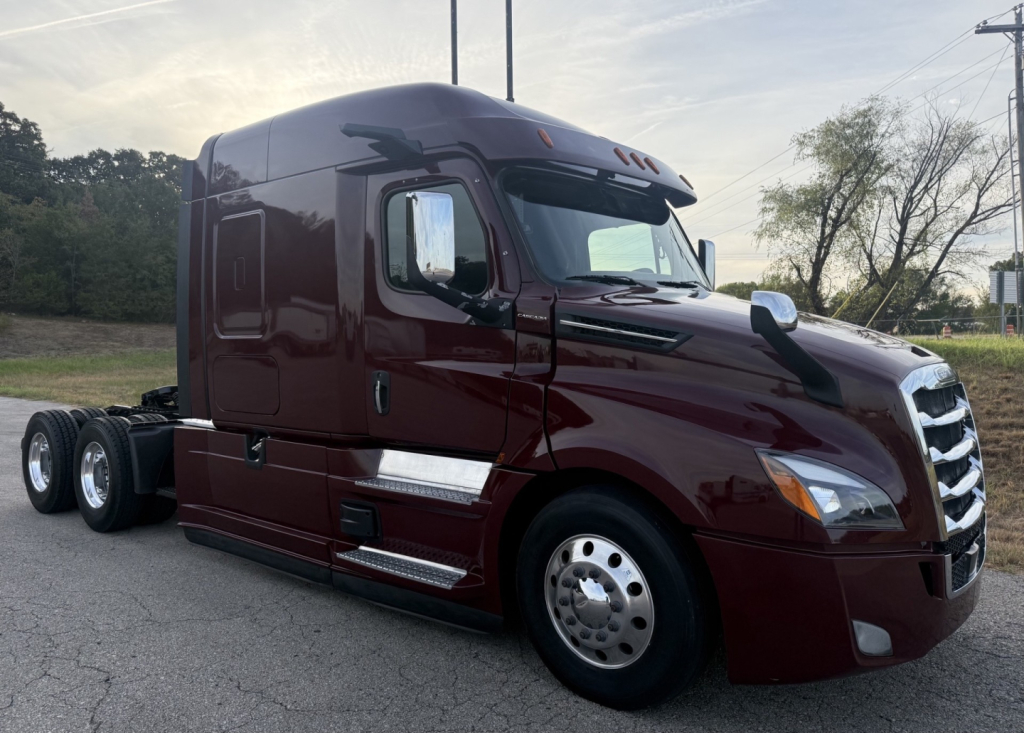

Selling a freightliner conventional sleeper truck? List your freightliner conventional sleeper truck for sale and reach thousands of commercial buyers.
Freightliner Conventional Sleeper Trucks in Arkansas
Most late-model Freightliner sleepers in this class are spec'd with Detroit power, commonly the DD13 or DD15, paired with the DT12 automated manual transmission, although some trucks will have manual transmissions depending on the original fleet order. Common axle setups include 6x4 tandem drive configurations, with horsepower and torque ratings selected around freight type and average gross combination weight. Wheelbase, rear axle ratio, and fairing package all affect fuel mileage and maneuverability, so those details matter as much as engine rating. Buyers also pay attention to collision mitigation systems, adaptive cruise, lane departure, and telematics readiness because these features can influence insurance, safety compliance, and driver acceptance.
Sleeper configuration is another key decision point. Freightliner conventional sleepers are available with different bunk and cabinet layouts, and buyers should match sleeper size to route length and driver retention goals. Interior storage, inverter prep, HVAC performance, bunk heater options, and noise control can make a real difference on over-the-road assignments. On the chassis side, look closely at suspension type, fifth wheel setup, frame condition, and tire wear pattern. Maintenance records are especially important on aerodynamic sleepers because aftertreatment performance, DEF system service, and software updates can directly affect uptime.
For Arkansas buyers, Freightliner has an advantage in parts availability and dealer network familiarity, which can simplify service planning. A well-spec'd conventional sleeper can fit van, reefer, flatbed, and dedicated contract work, provided the axle ratings and wheelbase match the trailer and freight profile. The best approach is to evaluate the truck as a total operating package: engine and transmission combination, sleeper practicality, maintenance history, safety technology, and expected fuel performance on your lanes. That is usually where a Freightliner conventional sleeper separates itself in a competitive used truck market.
Frequently Asked Questions about Freightliner Conventional Sleeper Trucks in Arkansas
What engines are commonly found in Freightliner conventional sleeper trucks?
Most Freightliner conventional sleeper trucks, especially Cascadia models, are equipped with Detroit engines such as the DD13 or DD15. The DD13 is often chosen for lighter long-haul or regional applications where fuel economy is a priority, while the DD15 is common in heavier over-the-road service where higher torque is needed. Buyers should review horsepower and torque ratings, emissions system service history, and how the engine is matched to the transmission and rear axle ratio.
Is a Freightliner Cascadia sleeper a good choice for long-haul work?
Yes, the Cascadia is widely used in long-haul service because it combines aerodynamic efficiency, driver comfort, and broad service support. Its sleeper configurations, integrated powertrain options, and safety technology make it a practical platform for fleets and owner-operators alike. The real value depends on the exact spec, including bunk size, drivetrain, wheelbase, and maintenance history, not just the model name.
What should I check first on a used Freightliner sleeper truck?
Start with maintenance records, engine hours, mileage, aftertreatment history, and any fault code or software update documentation. Then inspect tire wear, suspension condition, frame integrity, fifth wheel wear, and signs of uneven driveline loading. On late-model trucks, electronic systems matter too, so it is smart to confirm operation of collision mitigation, cruise control, HVAC, bunk equipment, and dash diagnostics before making a final decision.
What sleeper size is best for a conventional Freightliner truck?
The right sleeper size depends on route structure and driver needs. Shorter sleepers can reduce weight and improve maneuverability for regional work, while larger sleepers offer more storage and better living space for extended over-the-road runs or team driving. Buyers should consider bunk layout, cabinet space, climate control, and available amenities because those factors affect driver comfort and retention as much as the sleeper's exterior dimensions.
Why are Freightliner sleeper trucks popular in Arkansas?
Freightliner sleeper trucks are popular in Arkansas because they fit a wide mix of freight applications and are supported by a strong service and parts network. That matters for carriers running interstate lanes, distribution routes, and long-haul freight through the region. A truck that is easier to service and spec correctly for local operating conditions can reduce downtime and make cost planning more predictable.