
2015 Freightliner Conventional Sleeper Trucks For Sale in Texas
Browse 2015 Freightliner conventional sleeper trucks in Texas. Compare Cascadia-style specs, sleeper sizes, drivetrain options, and fleet-ready features.
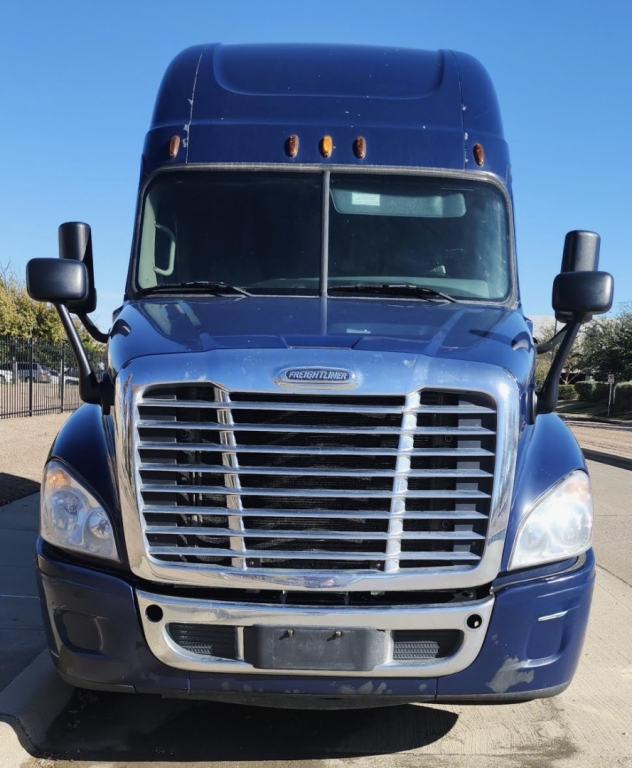

Have 2015 freightliner conventional sleeper truck to sell? List it here to reach thousands of buyers.
2015 Freightliner Conventional Sleeper Trucks in Texas
The key buying decision usually starts with the drivetrain. Many 2015 Freightliner sleeper trucks are spec'd with Detroit power, especially the DD13 or DD15, paired with either a 10-speed or 13-speed manual or an automated manual transmission. Rear axle ratings commonly land around 40,000 pounds, and axle ratios can make a major difference in fuel burn and startability. A taller ratio may favor highway efficiency, while a deeper ratio can help in heavier freight or more stop-and-go work. Wheelbase, fifth wheel type, and fuel capacity also deserve close attention. A longer wheelbase and larger dual tanks can support over-the-road use, while an air slide fifth wheel adds flexibility if trailer lengths and kingpin settings vary across the operation.
Sleeper layout and chassis spec should match the freight lane, not just the badge on the hood. Raised-roof sleepers are better suited to multi-day runs, team service, and drivers who spend real time in the bunk. Mid-roof sleepers can still work well in regional applications where weight, height, or price matters more than maximum living space. Common items worth checking include bunk heater or APU installation, inverter setup, cabinet condition, HVAC performance, and whether the truck has drum or disc brakes. On the chassis side, buyers often look for air ride suspension, aluminum wheels, fairing condition, tire wear pattern, and signs of frame or crossmember repairs. A 2015 unit should also be reviewed for emissions system history, including DPF, DEF, EGR, and aftertreatment service records, since downtime in those systems can erase an attractive purchase price.
For a used 2015 Freightliner conventional sleeper, value comes from the total spec package and maintenance history more than the model name alone. Engine hours, idle time, transmission calibration, suspension wear, and documented repairs all matter. Texas operators also tend to pay attention to A/C output, insulation, and cooling system condition because heat exposure is hard on both drivers and equipment. A well-matched truck in this category can serve dry van, reefer, general freight, dedicated contract lanes, and many owner-operator applications. The strongest candidates are usually the ones with a clear service record, sensible gearing, a sleeper size that fits the route, and a chassis spec that supports the trailer mix it will actually pull.
Frequently Asked Questions about 2015 Freightliner Conventional Sleeper Trucks in Texas
What engine and transmission setups are common in a 2015 Freightliner conventional sleeper truck?
Most 2015 Freightliner conventional sleeper trucks are found with Detroit engines, especially the DD13 or DD15, and either a manual transmission or an automated manual. The exact combination affects fuel economy, maintenance cost, and driver acceptance. A DD15 with highway gearing is common in over-the-road service, while some fleets preferred specs that balanced power with lower operating cost. Buyers should confirm horsepower, torque rating, transmission model, and rear axle ratio together because those components determine how the truck will perform under load.
Is a 2015 Freightliner sleeper a good fit for long-haul work in Texas?
Yes, a 2015 Freightliner sleeper can be a strong fit for Texas long-haul and regional lanes if the truck is spec'd correctly. The aerodynamic conventional design works well for highway miles, and many were built with sleeper sizes suitable for extended trips. In Texas, cooling system condition, air conditioning performance, and tire and suspension health are especially important because of heat, distance, and interstate-speed operation. A truck with good maintenance records and the right gearing can still be productive in dry van, reefer, and general freight service.
What should I inspect first on a used 2015 Freightliner conventional sleeper?
Start with maintenance documentation, engine hours, mileage, and emissions system history. After that, inspect the aftertreatment components, check for fault codes, and review signs of DPF, DEF, or EGR issues. Look closely at the sleeper interior, bunk equipment, HVAC output, and electrical accessories such as APUs or inverters. On the chassis, pay attention to suspension wear, brake type and condition, fifth wheel operation, frame repairs, tire wear patterns, and evidence of poor alignment or neglected preventive maintenance.
How important are sleeper size and roof height on a 2015 Freightliner?
Sleeper size and roof height directly affect driver comfort, storage, weight, and route suitability. A raised-roof sleeper usually makes more sense for over-the-road lanes, team driving, and trucks that stay out for multiple days at a time. A mid-roof sleeper may be enough for regional work and can be a practical choice when total cost and simplicity matter more than interior room. Buyers should match sleeper configuration to dispatch reality, because unnecessary sleeper size can add cost and weight without improving productivity.
What axle ratio is best on a 2015 Freightliner sleeper truck?
There is no single best axle ratio because it depends on trailer weight, terrain, transmission type, and cruising speed. Lower numerical ratios generally support better highway fuel economy, while higher numerical ratios can improve launch performance and help in heavier applications. A truck running light dry van on flat interstate routes may benefit from taller gearing, while a truck handling heavier loads or more variable duty cycles may need a deeper ratio. The right way to evaluate ratio is alongside horsepower, torque, tire size, and expected road speed.