
2012 Freightliner Conventional Sleeper Trucks For Sale in North Carolina
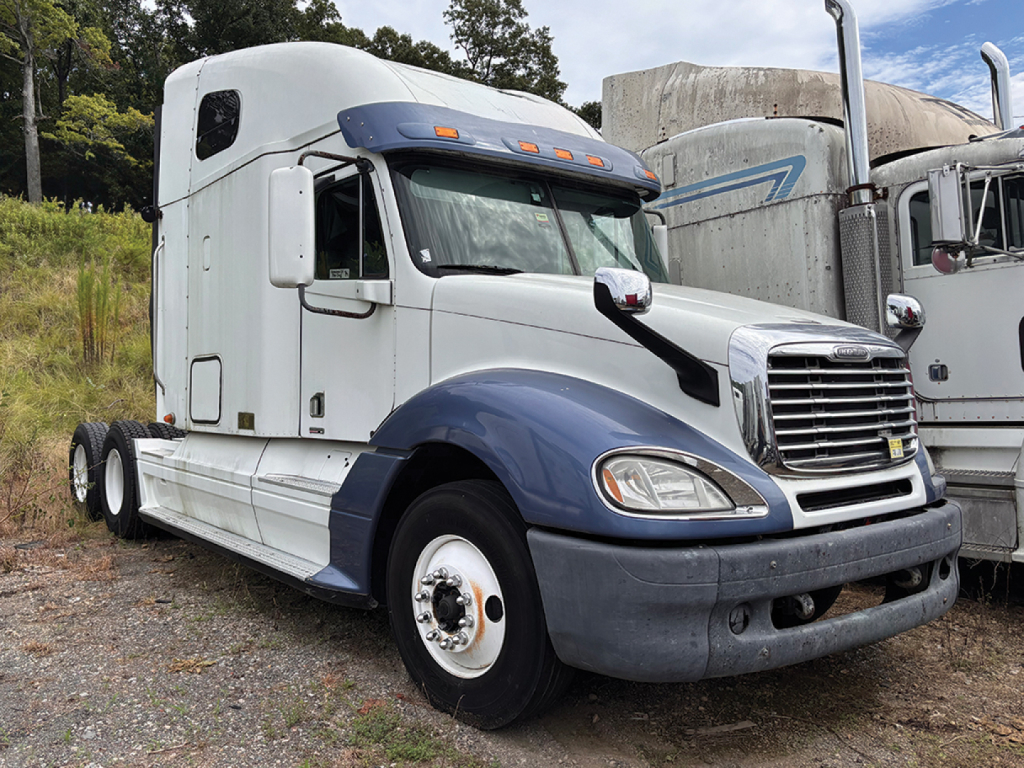
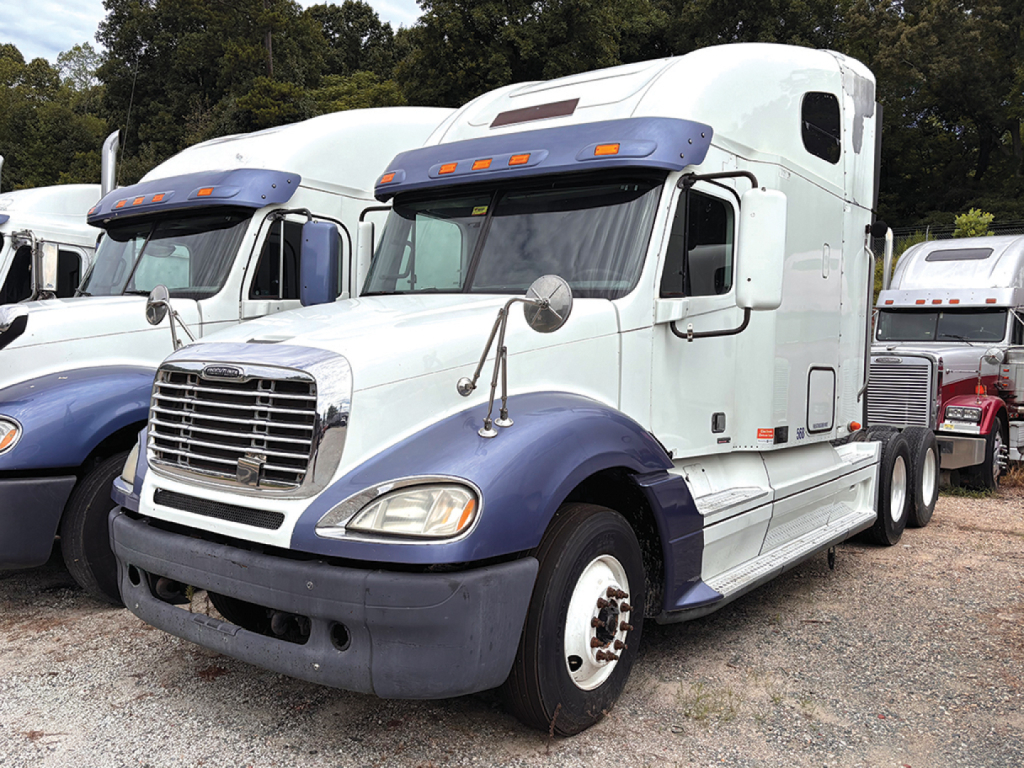
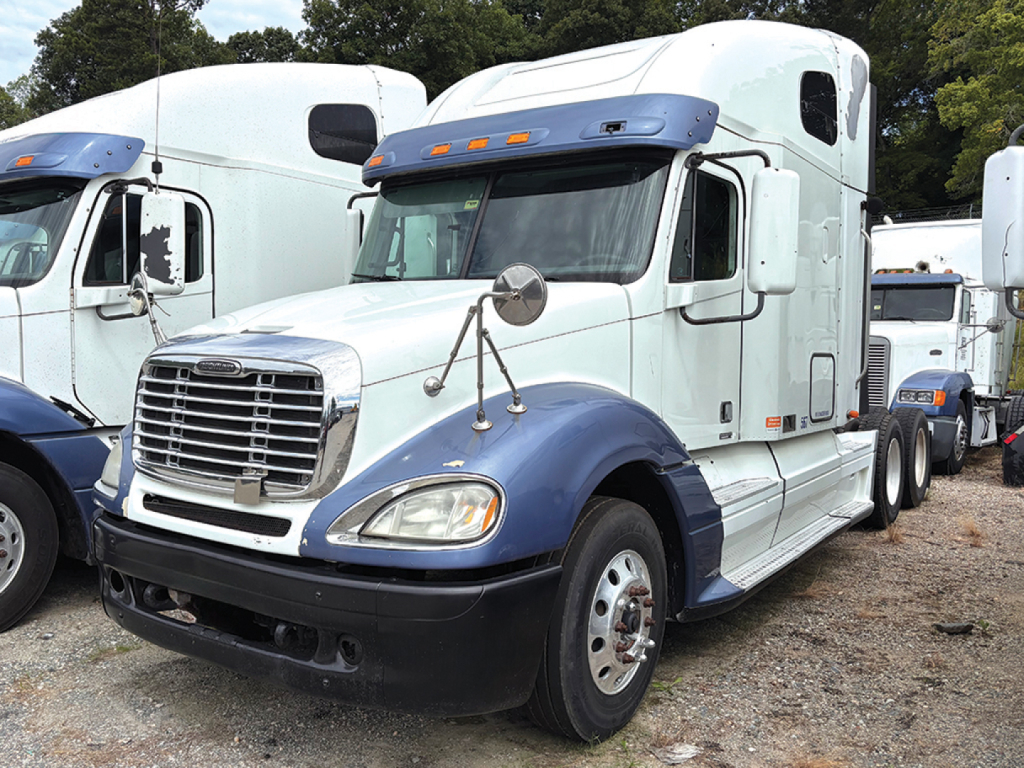
Have 2012 freightliner conventional sleeper truck to sell? List it here to reach thousands of buyers.
2012 Freightliner Conventional Sleeper Trucks in North Carolina
The main buying decision usually starts with the powertrain. Many 2012 Freightliner sleeper trucks were spec'd with Detroit diesel engines in the 13-liter to 15-liter range, commonly paired with 10-speed, 13-speed, or automated manual transmissions. Rear axle ratios, often in the low 2s to mid 3s, make a big difference in how the truck performs on hills, at highway speed, and under heavy gross weights. A buyer running North Carolina freight up and down the East Coast may want a balanced spec that can handle mixed terrain without sacrificing fuel economy. Pay close attention to horsepower and torque ratings, engine brake performance, and whether the transmission setup fits your freight profile. A lower numerical rear ratio can help fuel mileage on flat interstate runs, while a deeper ratio may better suit heavier loads or more stop-and-go work.
Sleeper configuration is just as important as engine choice. A 2012 conventional sleeper may come with a mid-roof or raised-roof cab, often with a single bunk or double bunk layout. For teams or longer dispatch cycles, bunk space, cabinet layout, HVAC performance, and idle management become real operating concerns. Wheelbase, fuel tank capacity, fairings, and 5th wheel travel also affect usability. A longer wheelbase can improve ride quality and fuel capacity options, but it may reduce maneuverability in tighter yards. Features like air ride suspension, air slide 5th wheel, aluminum wheels, and integrated sleeper storage are common value points in this category.
Condition matters more than age alone on a 2012 Freightliner conventional sleeper. Buyers should look closely at emissions system history, maintenance records, suspension wear, steering play, brake type, tire condition, and signs of drivetrain abuse. Cab mounts, sleeper seals, and interior wear can tell you a lot about how the truck was used. Freightliner remains a strong choice in this class because parts availability, dealer support, and technician familiarity are widespread. For a buyer comparing multiple used sleeper tractors, a well-spec'd 2012 Freightliner can still be a cost-effective long-haul platform if the maintenance history and application fit are right.
Frequently Asked Questions about 2012 Freightliner Conventional Sleeper Trucks in North Carolina
What engine and transmission setups are common in a 2012 Freightliner conventional sleeper truck?
Many 2012 Freightliner conventional sleeper trucks were equipped with Detroit diesel engines, often in DD13 or DD15 configurations depending on the exact model and original spec. Transmissions in this class commonly include manual 10-speed or 13-speed units, along with some automated manual options. The best setup depends on your operation. Long interstate runs often favor fuel-efficient gearing and automated shifting, while heavier freight or more varied terrain may benefit from a manual transmission and a deeper rear axle ratio.
Is a 2012 Freightliner sleeper truck good for over-the-road use?
Yes, a 2012 Freightliner conventional sleeper is still a viable over-the-road tractor if it has been maintained correctly and matches the freight you plan to haul. Trucks from this era typically offer full sleeper accommodations, highway-friendly aerodynamics, and driveline specs suited for regional or long-haul work. The key is to evaluate the condition of the engine, emissions components, transmission, suspension, and sleeper systems rather than judging the truck by model year alone.
What should I inspect before buying a used 2012 Freightliner conventional sleeper?
Focus on service records, engine hours, fault codes, DPF and emissions history, clutch or transmission condition, and signs of oil or coolant leaks. Inspect the front end, air ride suspension, brakes, tires, frame, and 5th wheel for wear that can turn into immediate repair costs. Inside the sleeper, check bunk hardware, seals, climate control, and water intrusion. A pre-purchase inspection with an engine scan and undercarriage review is especially important in this age range.
Which sleeper size is best in a 2012 Freightliner conventional?
The right sleeper size depends on trip length and driver needs. A mid-roof sleeper can work well for regional operations or drivers who spend fewer consecutive nights on the road. A raised-roof sleeper usually provides better standing room, more storage, and improved comfort for long-haul service or team driving. If the truck will be used for extended runs, sleeper layout and HVAC performance can matter as much as engine specs.
Are Freightliner conventional sleeper trucks expensive to maintain?
Maintenance cost depends heavily on prior upkeep, mileage, and emissions system condition, but Freightliner generally remains one of the easier sleeper truck brands to support. Parts availability is broad, most independent shops are familiar with the platform, and Detroit-powered Freightliners have strong service network coverage. That does not eliminate repair risk on a 2012 unit, but it can make downtime and sourcing parts more manageable compared with less common platforms.