
2027 Conventional Sleeper Trucks For Sale
Shop 2027 conventional sleeper trucks with modern aero cabs, high-roof sleepers, automated transmissions, and long-haul efficiency.
Learn moreBrowse Conventional Sleeper Trucks by Make
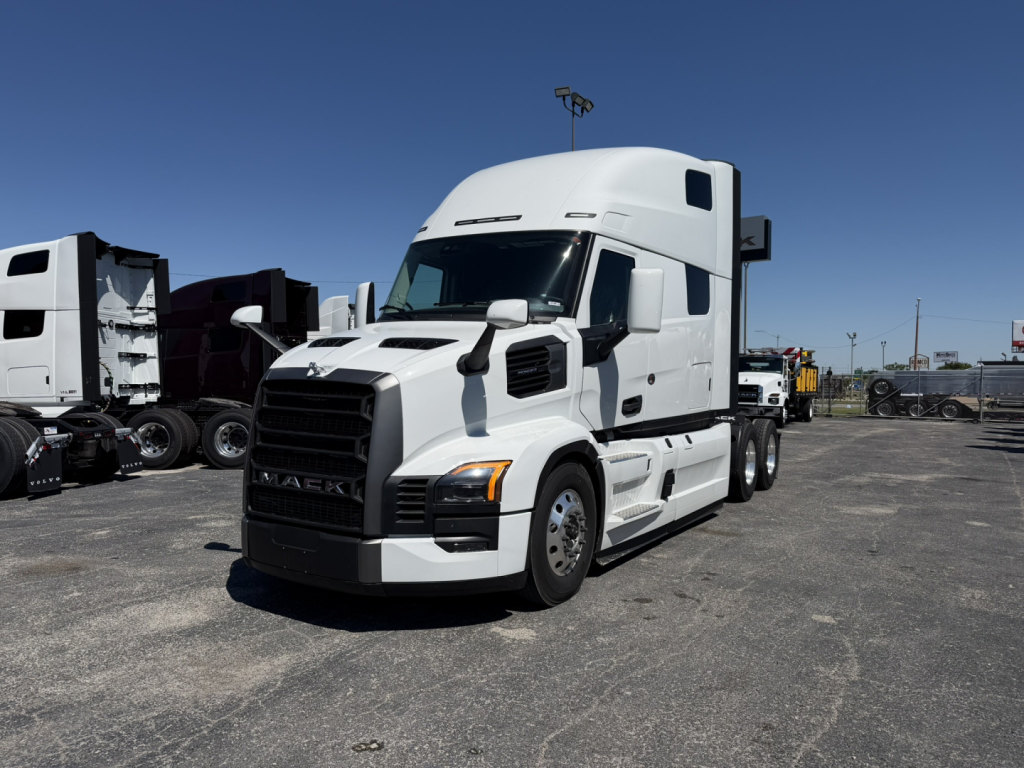
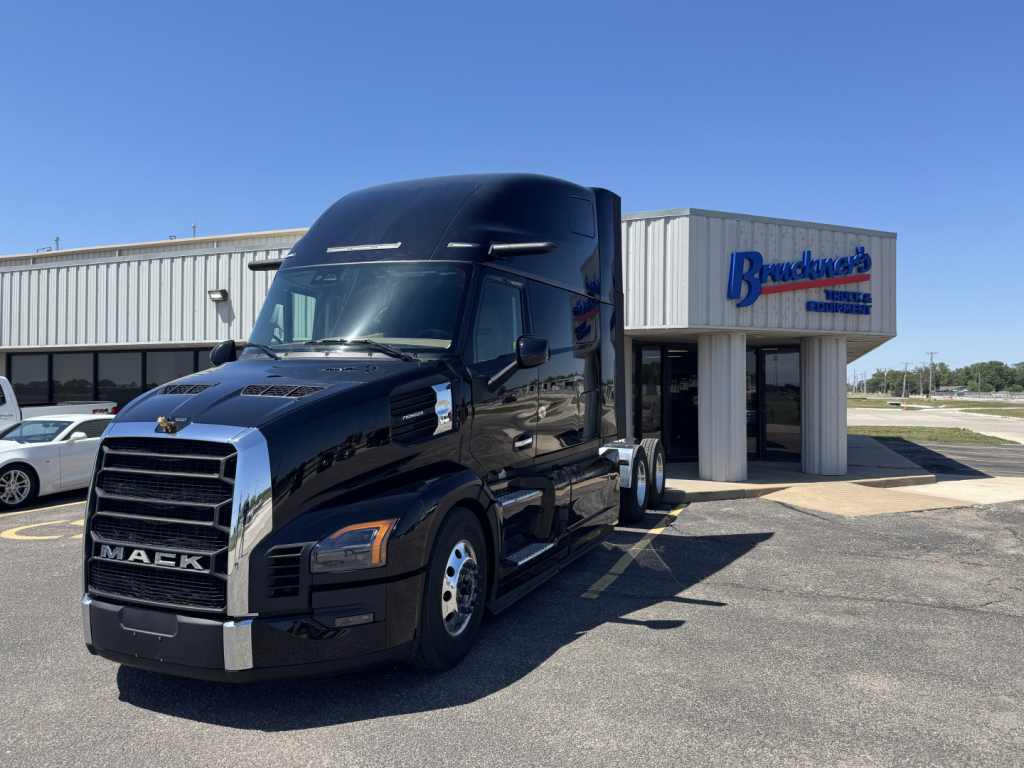
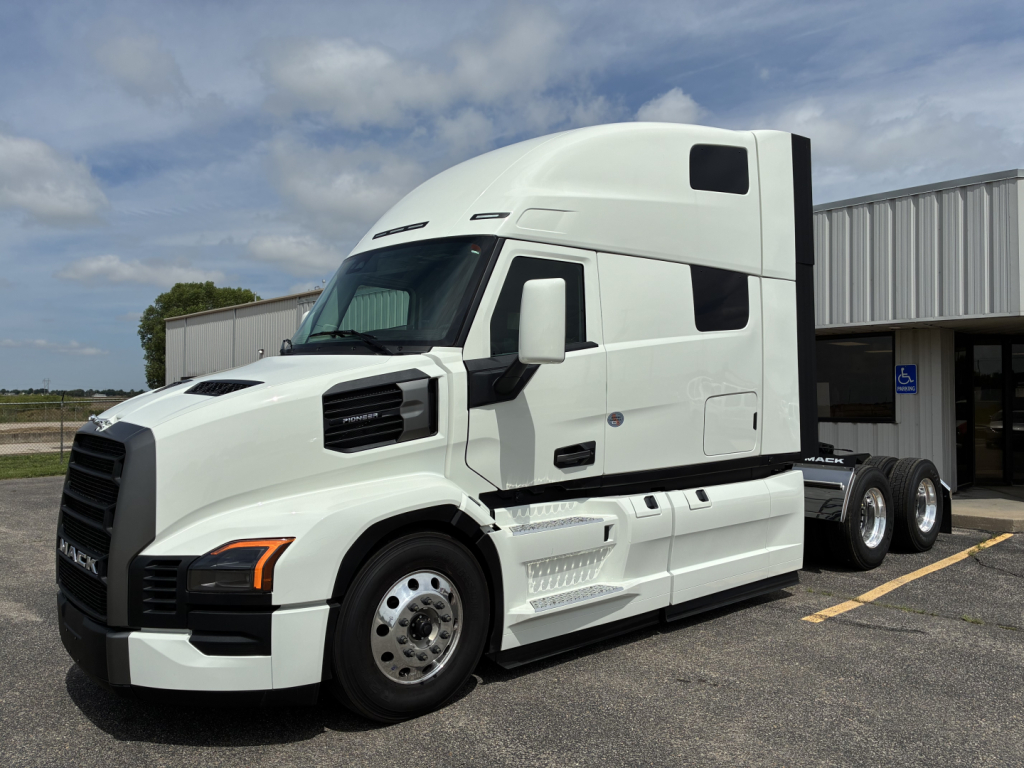
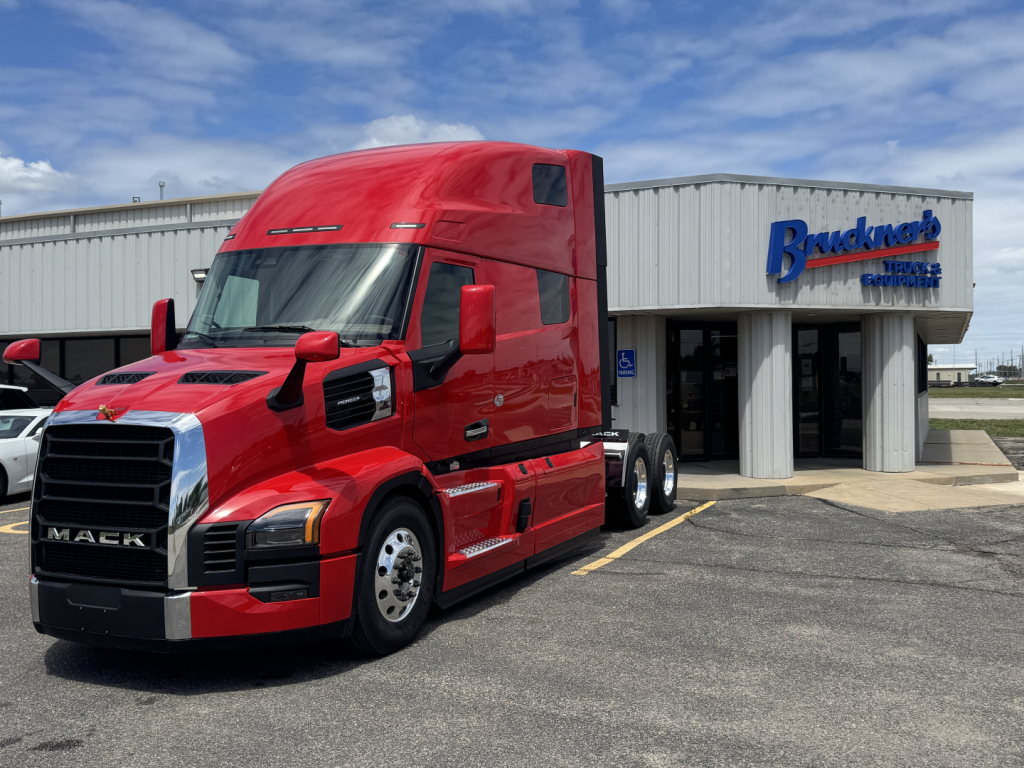
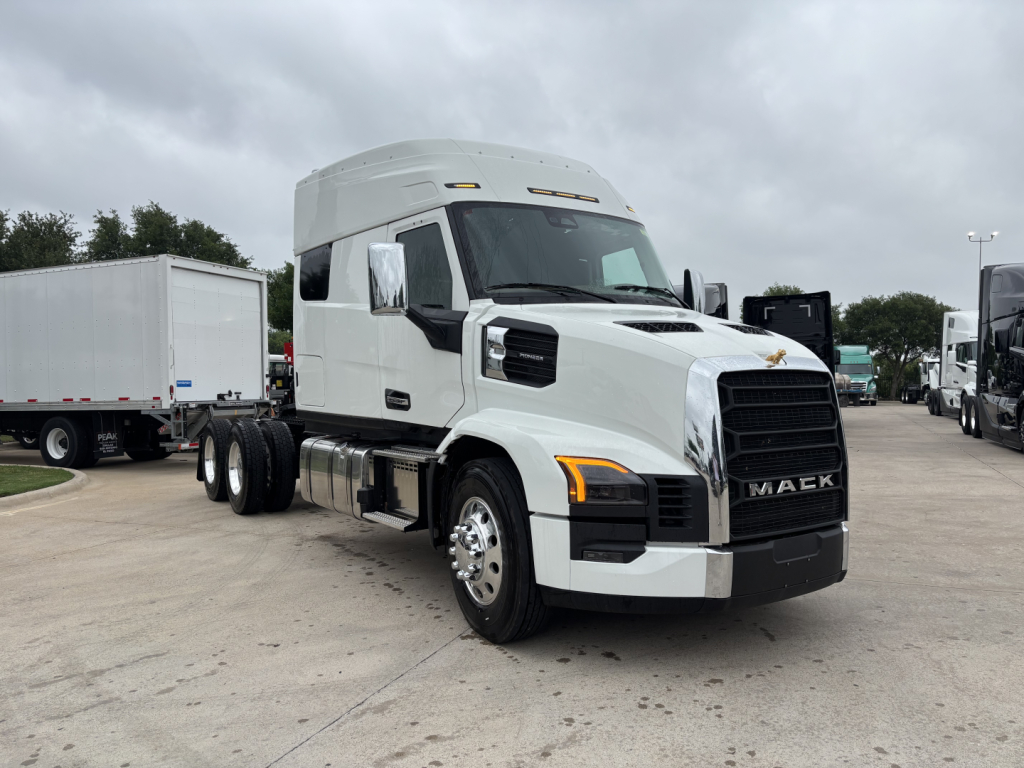
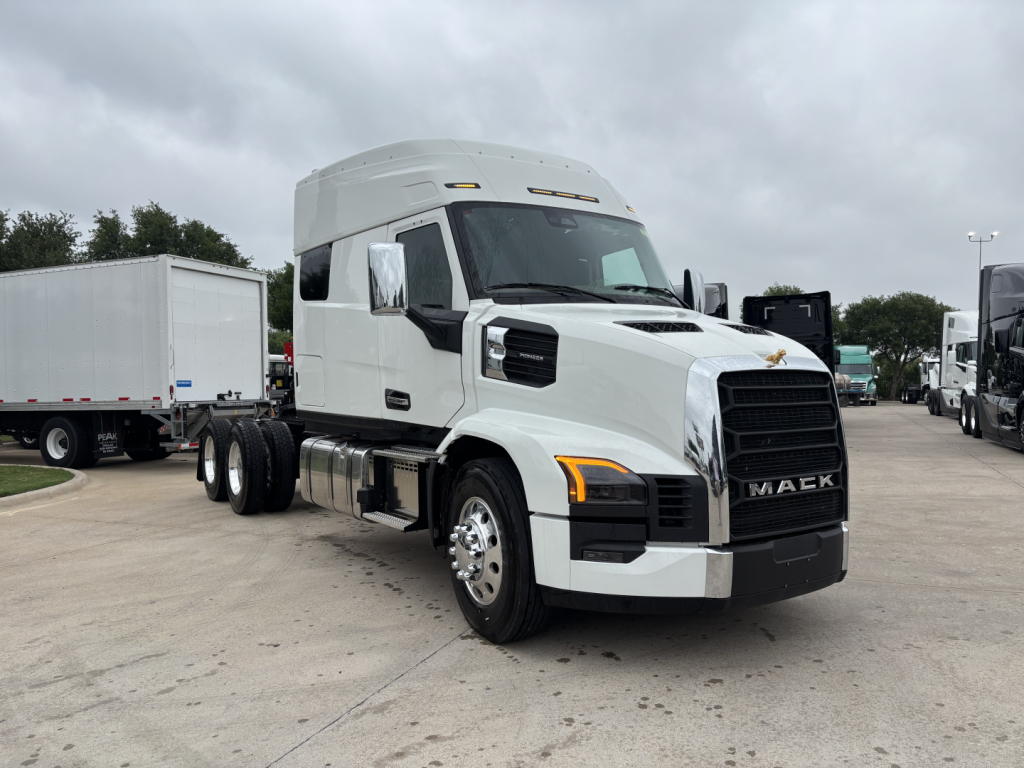
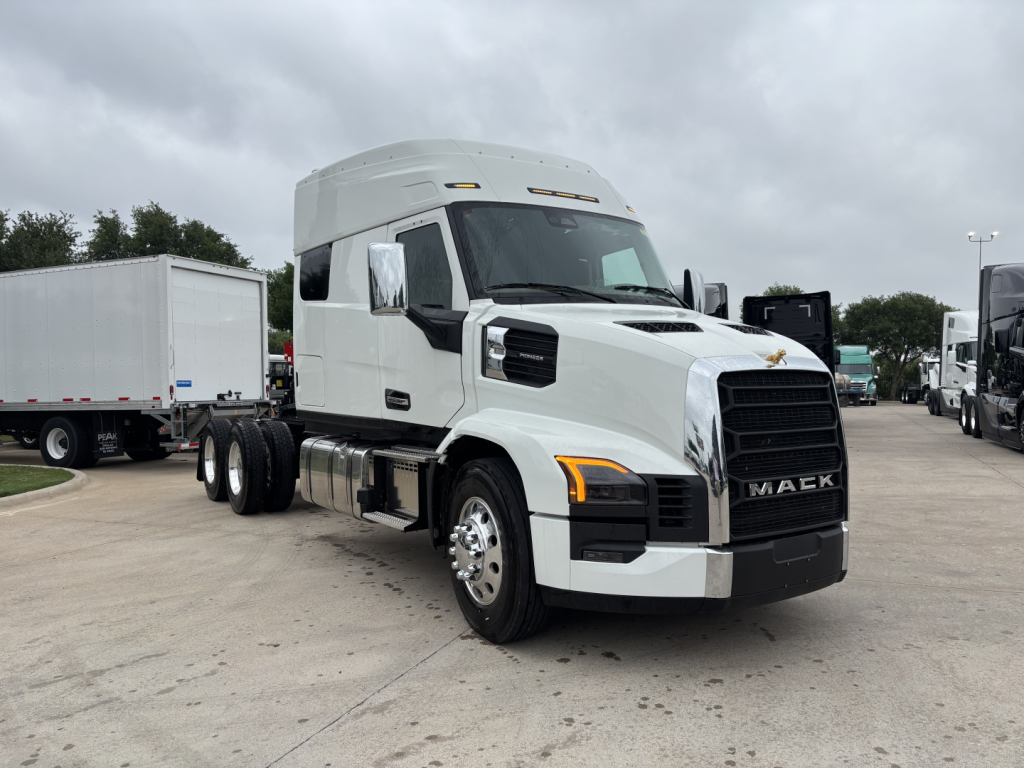
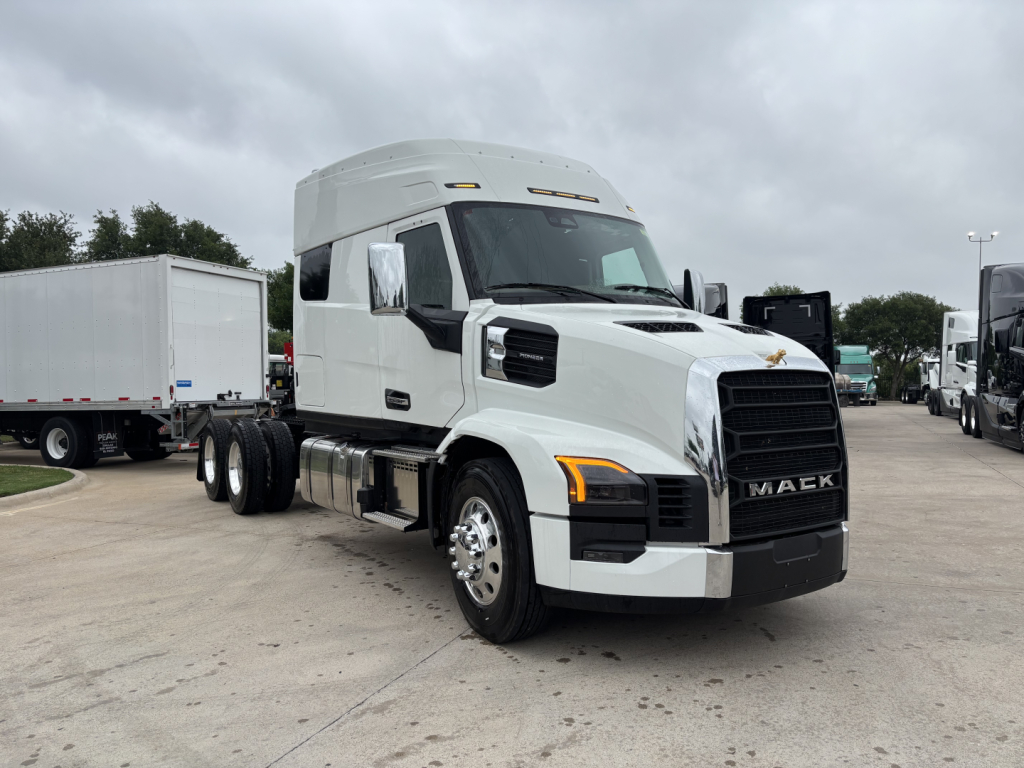
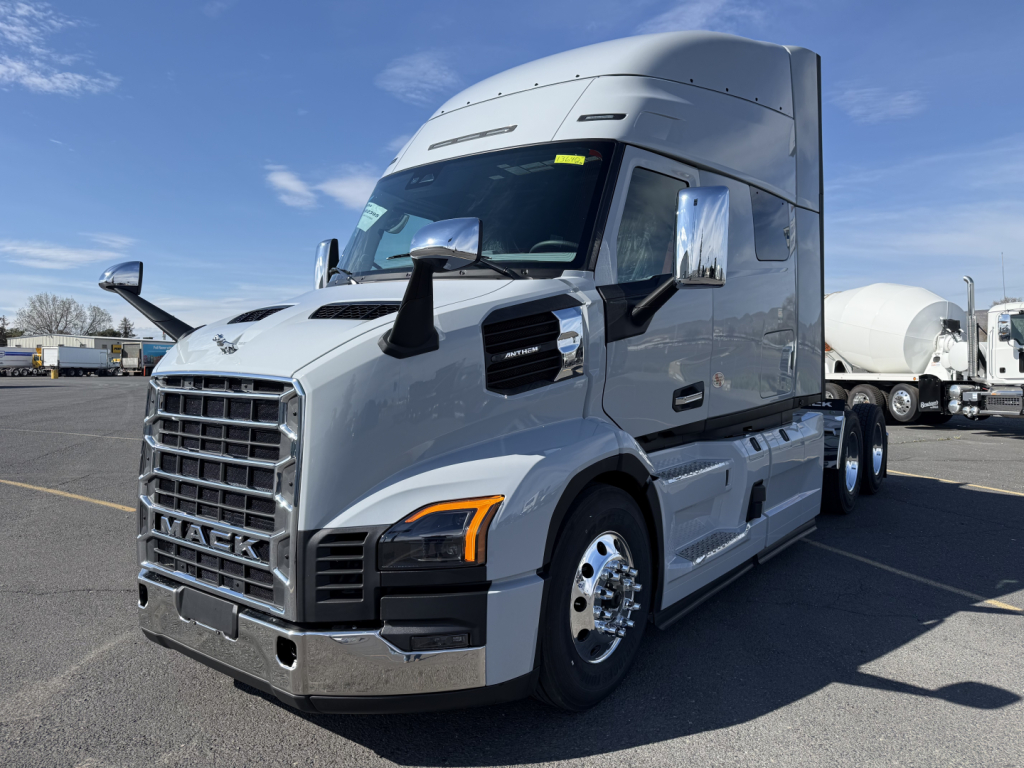
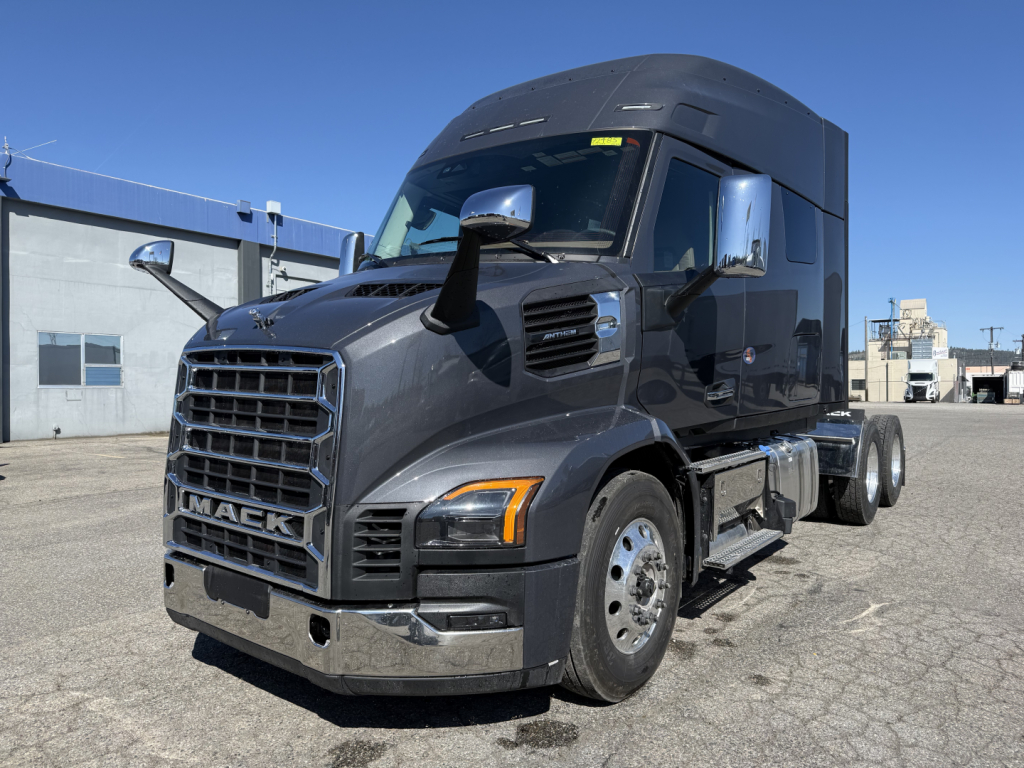
Showing 217 to 226 of 226 results
Have 2027 conventional sleeper truck to sell? List it here to reach thousands of buyers.
About 2027 Conventional Sleeper Trucks
Powertrain decisions matter most when the truck will spend its life at 65 to 75 mph with a full load. In this category, common specs include 13-liter engines in the 405 to 500 horsepower range, torque ratings from roughly 1,450 to 1,850 lb-ft, and automated manual transmissions geared for downsped cruising. A 6x4 tandem axle setup remains the standard for general freight, often paired with wheelbases around the low- to mid-220-inch range depending on sleeper size, fairing package, and fifth-wheel placement. Buyers should look closely at rear axle ratio, tire size, and transmission overdrive strategy because those three items have a direct effect on fuel burn, gradeability, and cruise RPM.
The 2027 model year also pushes technology higher on the priority list. Expect advanced driver assistance systems such as adaptive cruise control, collision mitigation, lane departure warning, and integrated camera visibility packages to be common on premium highway tractors. Air ride suspension, disc brakes on at least one axle, tire pressure monitoring, and factory telematics are increasingly important for fleets tracking maintenance trends and driver behavior. Inside the cab, the strongest specs usually include a premium seat package, diesel or battery HVAC solutions for bunk comfort, larger infotainment and driver display systems, and enough power management for hotel loads without excessive idling.
For buyers sorting through conventional sleeper trucks, the smartest comparison is total operating fit rather than brand badge alone. Check sleeper size against route length, confirm fuel capacity against operating radius, and match the drivetrain to your gross combination weight and terrain. A regional haul spec can look very different from a true 48-state truck. Details such as dual fuel tanks, full fairings, locking differentials, wheel cut, bunk heater, fridge cabinet, and service access can make a meaningful difference once the truck is in revenue service. Also known as a sleeper tractor or highway sleeper, this category is designed to keep freight moving efficiently while giving the driver a workable living space between stops.
Frequently Asked Questions
What is a conventional sleeper truck used for?
A conventional sleeper truck is used for long-haul and multi-day freight operations where the driver needs an onboard sleeping area. It is the standard highway tractor for dry van, refrigerated, flatbed, and many dedicated freight lanes. Compared with a day cab, a sleeper adds bunk space, storage, and off-duty amenities that support longer trip cycles and fewer hotel stops.
What engine and transmission specs are common in a 2027 conventional sleeper?
Most 2027 conventional sleeper trucks are built around 11- to 13-liter diesel engines, with 13-liter platforms being the most common for general over-the-road freight. Horsepower typically falls between 405 and 500, and torque usually ranges from about 1,450 to 1,850 lb-ft. Automated manual transmissions dominate this category because they improve fuel consistency, reduce driver fatigue, and integrate well with adaptive cruise and predictive shifting strategies.
How do I choose the right sleeper size?
Sleeper size should match trip length, driver expectations, and payload needs. A smaller mid-roof or shorter bunk may work well for regional freight with occasional overnight runs, while a high-roof sleeper with a larger bunk, refrigerator space, and idle-management system is a better fit for true over-the-road use. Larger sleepers improve comfort and storage, but they also affect wheelbase, tare weight, and sometimes maneuverability.
What should I compare besides price when shopping conventional sleeper trucks?
Price only tells part of the story. Buyers should compare engine rating, transmission type, rear axle ratio, wheelbase, fuel capacity, sleeper layout, safety technology, brake spec, suspension, and warranty coverage. It is also important to look at service network strength, telematics capability, and how the truck is spec'd for the freight it will actually pull. A lower-cost unit can become more expensive over time if the gearing, cab equipment, or maintenance access do not fit the operation.
Are advanced safety and fuel-efficiency features important on late-model sleeper trucks?
Yes. On a late-model highway tractor, safety and fuel-efficiency features have a direct effect on operating cost and driver performance. Adaptive cruise, collision mitigation, lane departure warning, and integrated braking systems can reduce incident risk and fatigue. Aerodynamic packages, downsped drivelines, automated transmissions, idle-reduction equipment, and telematics can all improve fuel economy and support better maintenance planning.