
2026 Conventional Sleeper Trucks For Sale
Shop 2026 conventional sleeper trucks with modern aero cabs, high-roof sleepers, automated transmissions, and fuel-efficient specs for long-haul fleets.
Learn moreBrowse Conventional Sleeper Trucks by Make
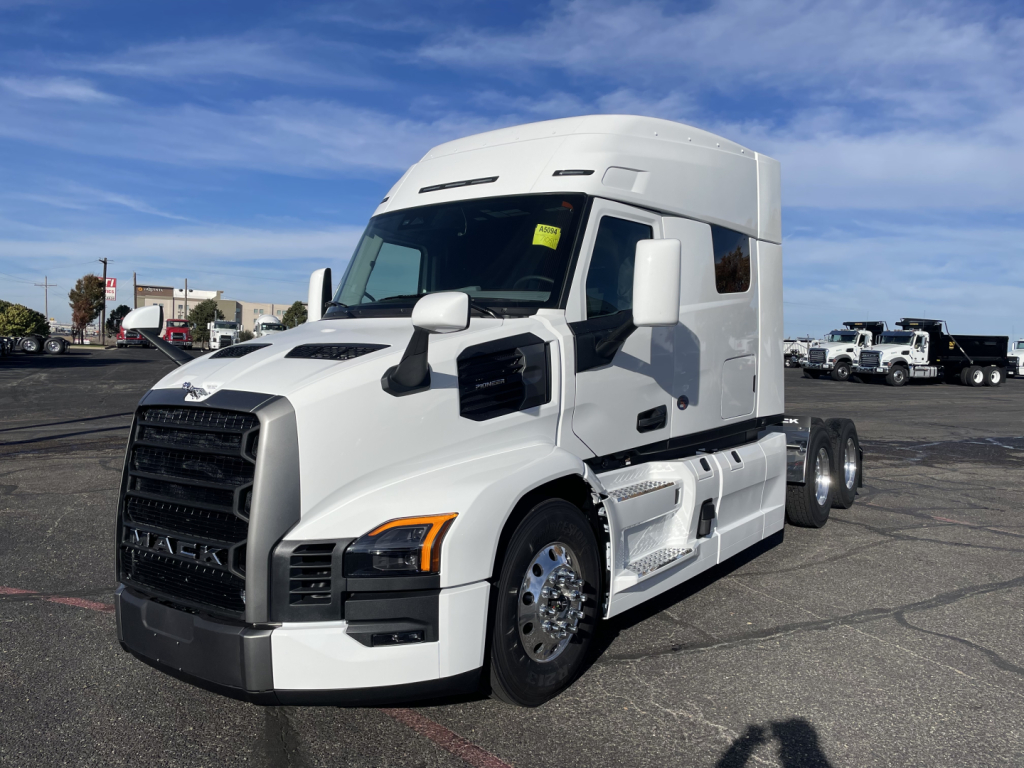
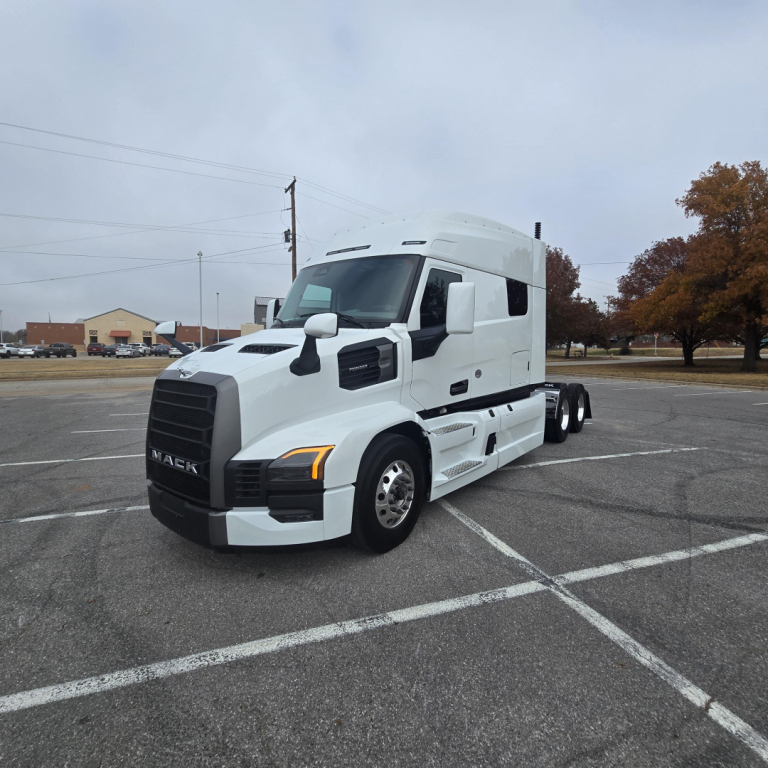
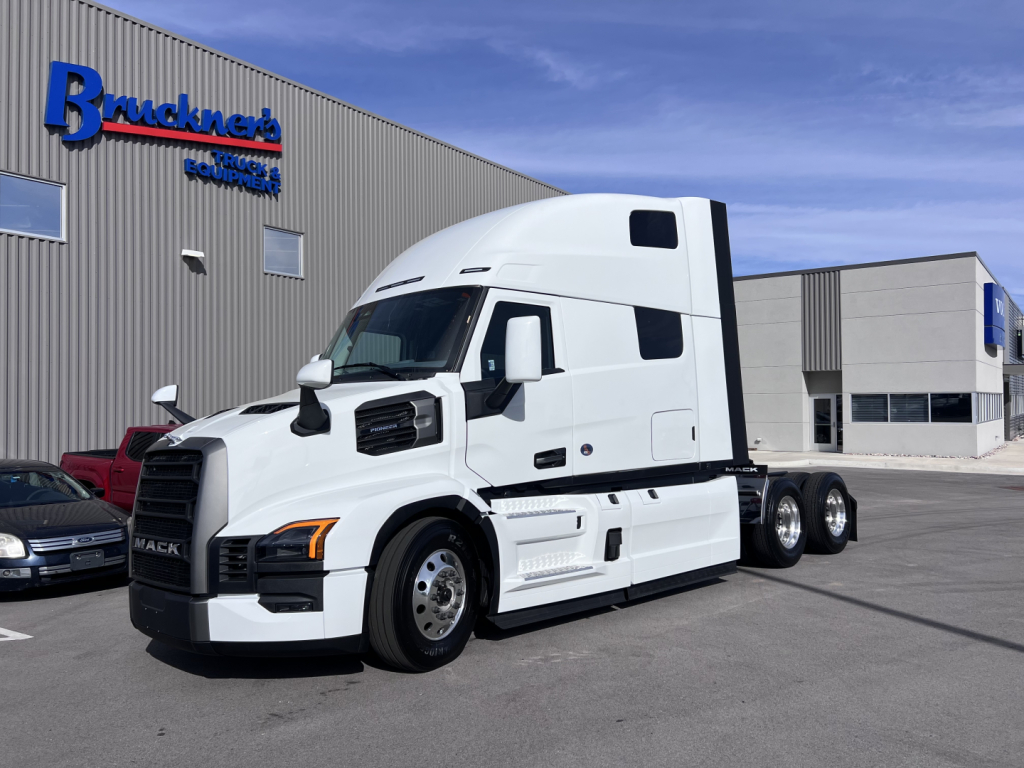
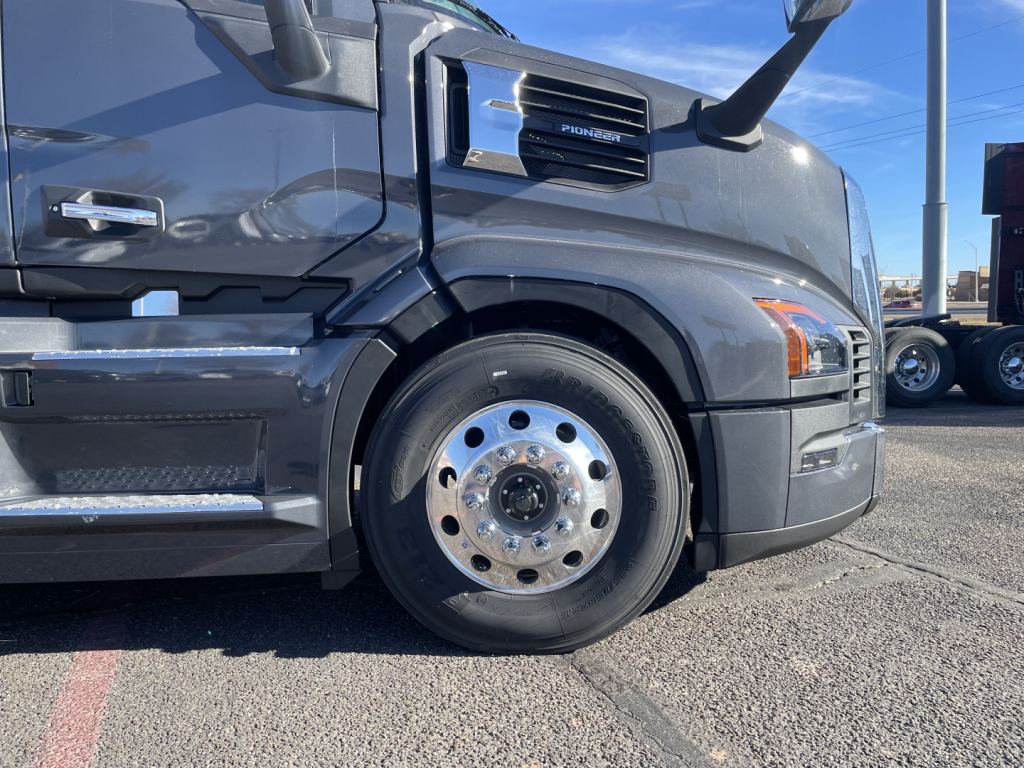
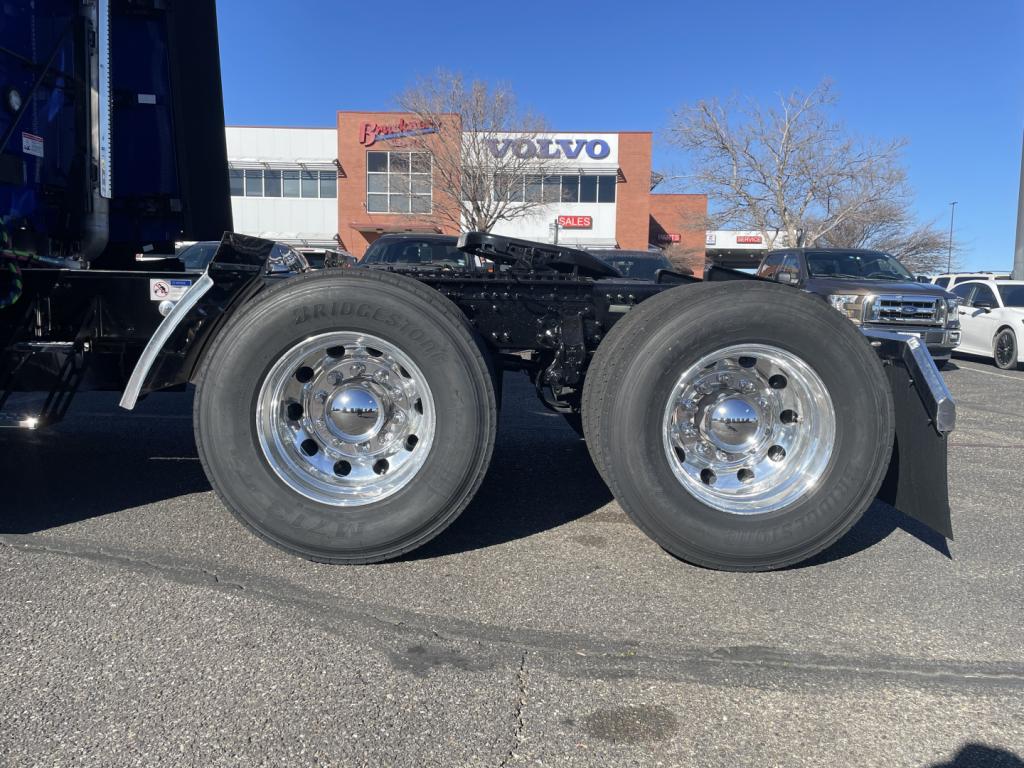
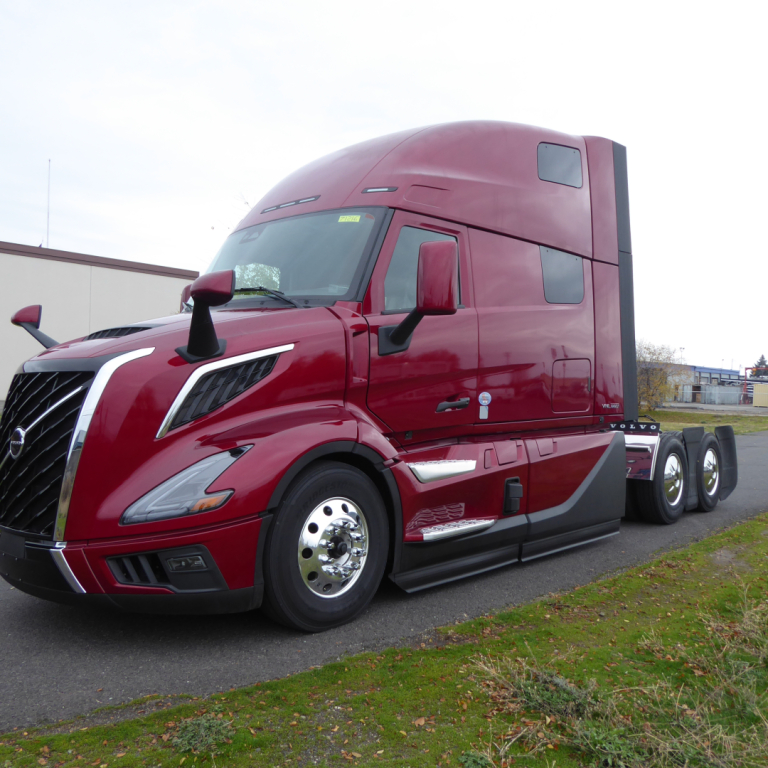
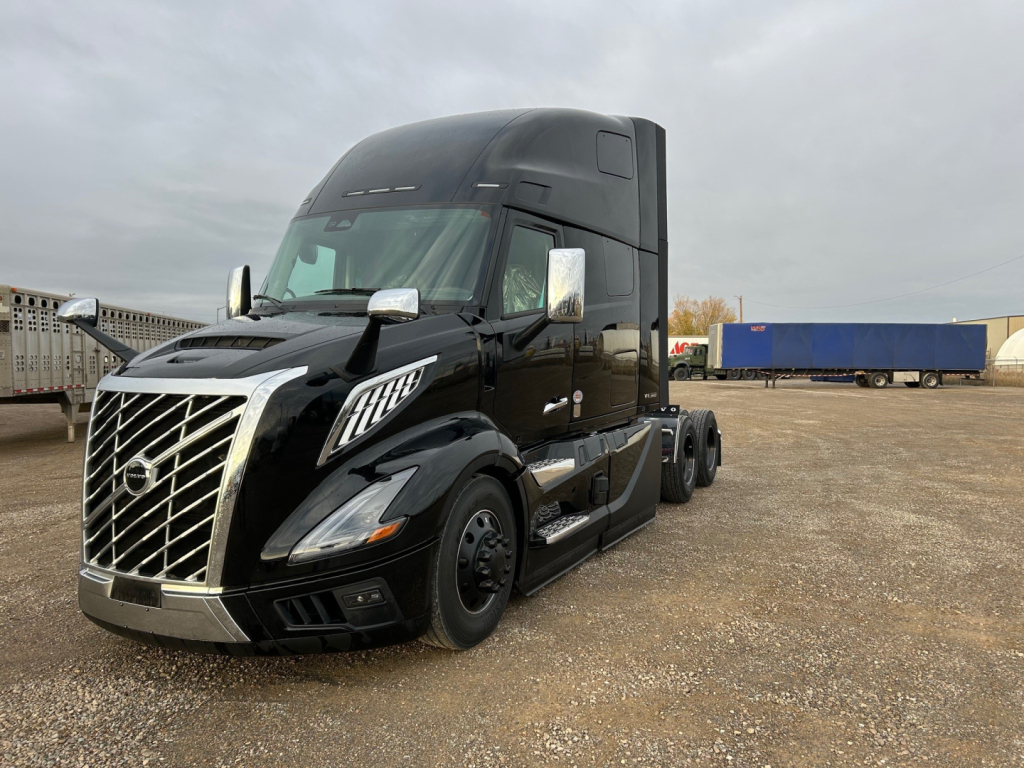
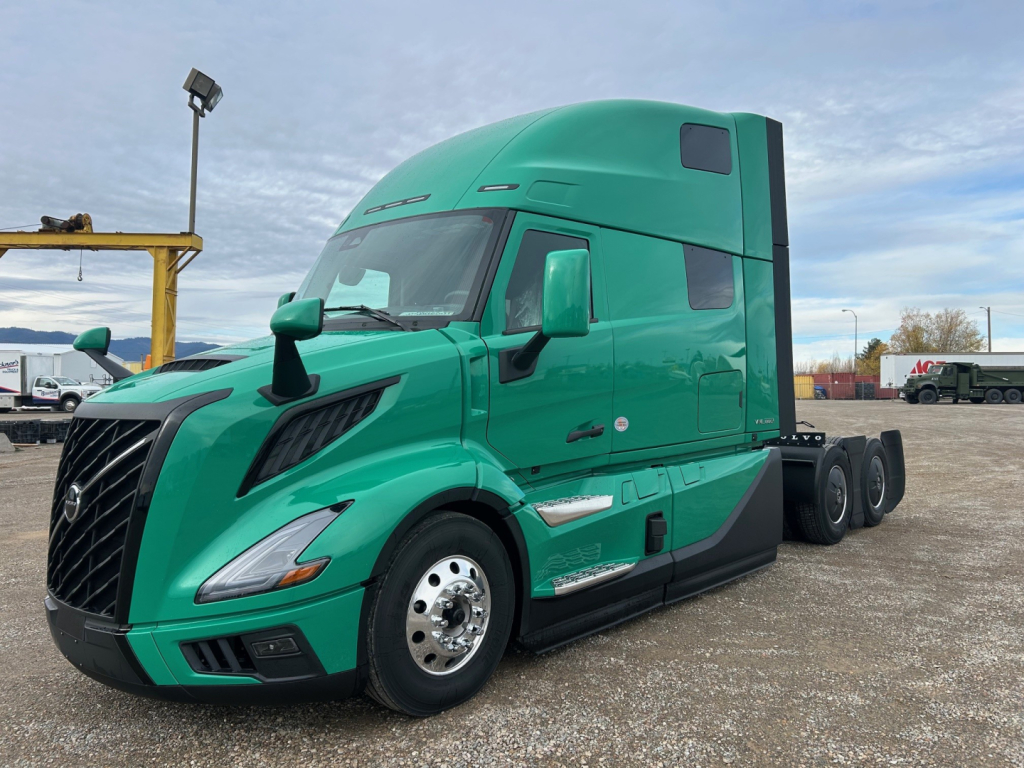
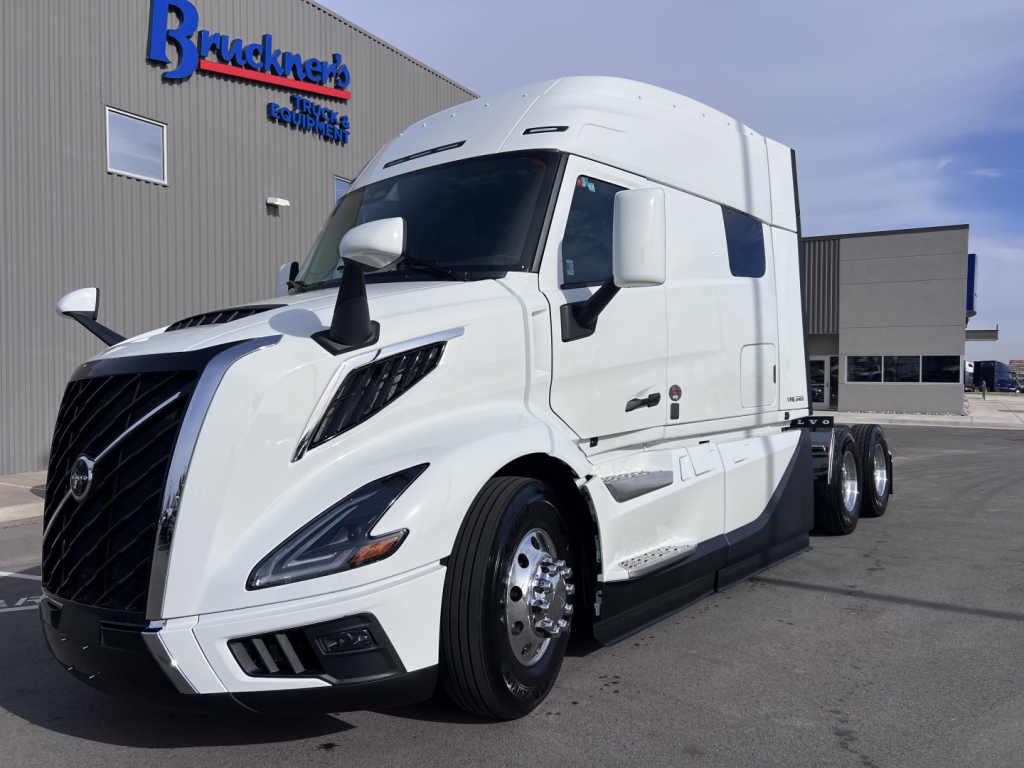
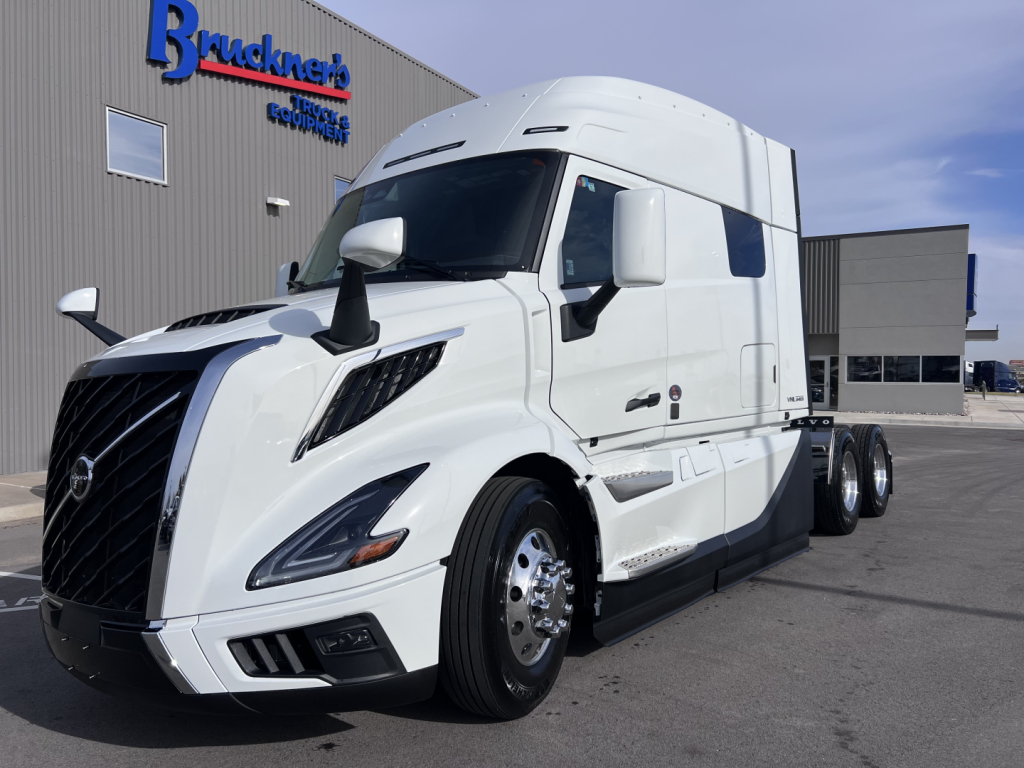
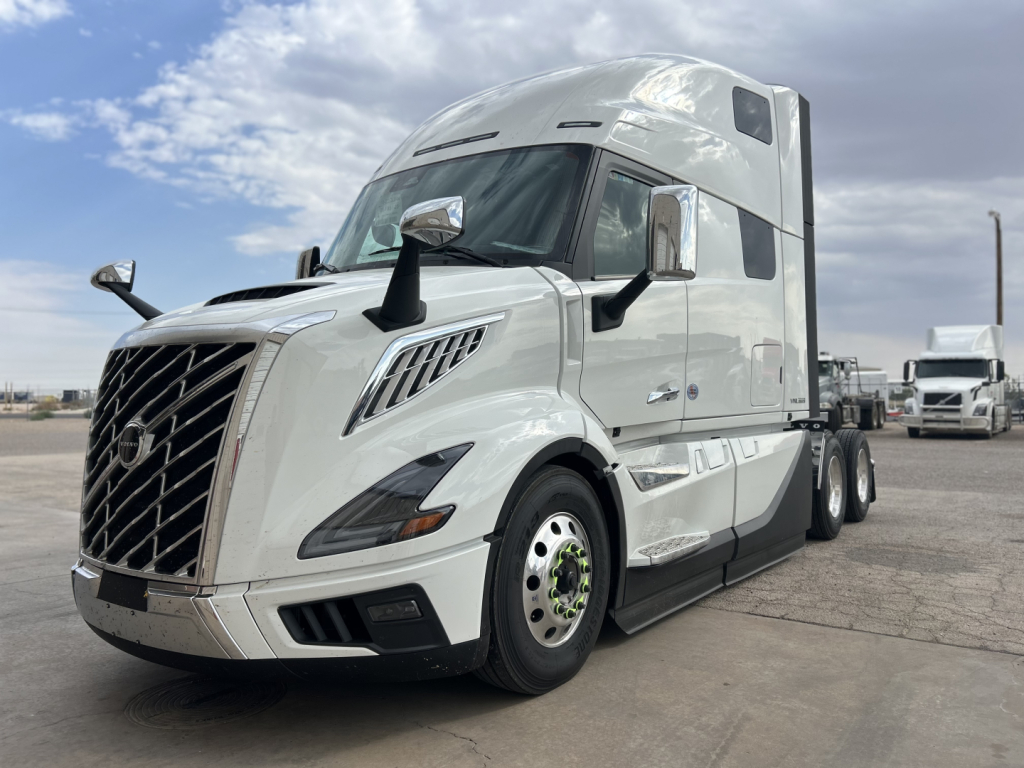
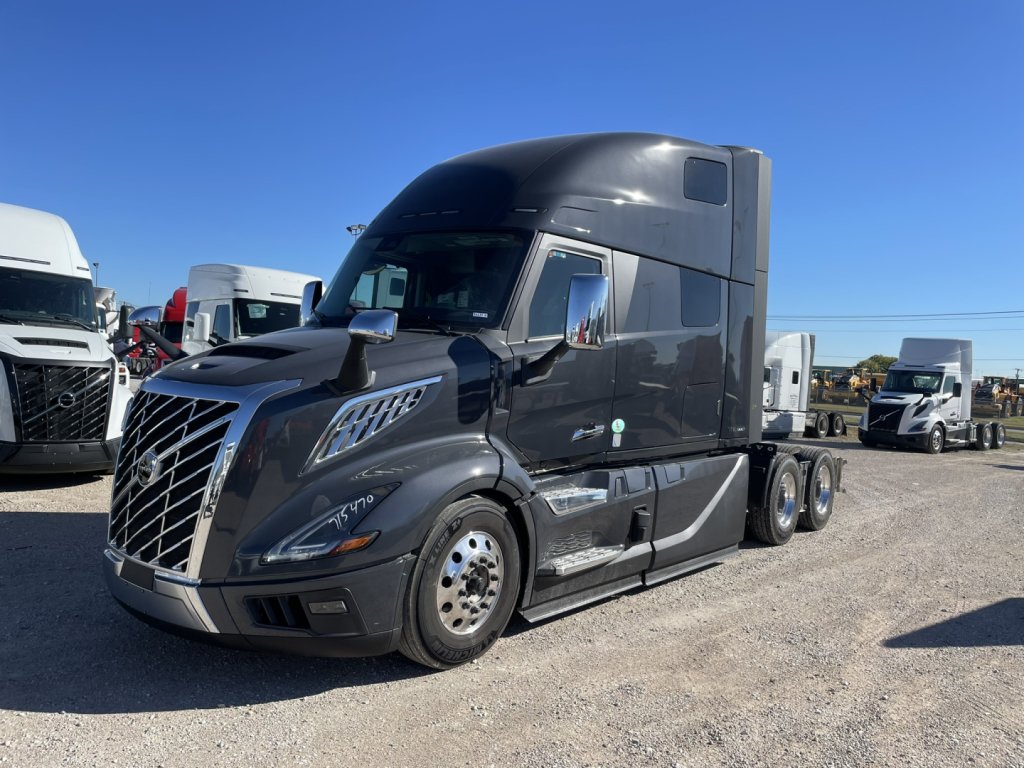
Showing 49 to 60 of 104 results
Have 2026 conventional sleeper truck to sell? List it here to reach thousands of buyers.
About 2026 Conventional Sleeper Trucks
The sleeper itself is a major buying decision, especially on a 2026 model where driver retention features are often as important as raw spec. Common configurations include mid-roof and high-roof sleepers from roughly 60 to 80 inches, with options such as double bunks, bunk heaters, auxiliary power units, inverters, refrigerators, storage packages, and upgraded climate control. Aerodynamic packages are standard on most conventional sleeper trucks, including roof fairings, cab extenders, side fairings, and chassis skirts designed to reduce drag. Wheelbase, tank capacity, and fifth wheel setup should match the trailer mix and route profile. Buyers hauling general dry freight may prioritize fuel capacity and a sliding fifth wheel, while regional or dedicated operations may want a shorter wheelbase for tighter maneuvering.
On the chassis side, most conventional sleeper tractors in this year range are spec'd with tandem drive axles around 40,000 pounds, full air ride suspension, disc or drum brake configurations, and 22.5 low-profile rubber. Safety and driver-assist technology has become a bigger part of the category, with many trucks equipped for adaptive cruise control, collision mitigation, lane departure warning, electronic stability control, and telematics integration. Powertrain choices often come down to proven combinations such as Cummins X15, Detroit DD13 or DD15, Volvo D13, or PACCAR MX engines with manufacturer-integrated automated transmissions. A buyer comparing listings should pay close attention to rear axle ratio, tire spec, suspension rating, and warranty status because those details often matter more than a small difference in model year or cab trim.
For long-haul operations, a conventional sleeper truck has to balance comfort with payload efficiency and serviceability. Aluminum wheels, lightweight components, and super single rear tires may help where every pound counts, while fleet buyers often lean toward standardized specs that simplify parts stocking and shop training. The best 2026 conventional sleeper setup depends on the freight lane, average gross combination weight, terrain, idle policy, and expected trade cycle. A truck running heavy across mountain corridors needs a different horsepower, engine brake, and axle ratio strategy than one pulling van freight on flat interstate lanes. The right spec is the one that keeps the truck in its fuel-efficient sweet spot without compromising driver livability or maintenance access.
Frequently Asked Questions
What is a conventional sleeper truck?
A conventional sleeper truck is a highway tractor with a forward engine hood and an integrated sleeper compartment behind the cab. It is designed for long-haul and overnight freight operations where the driver needs onboard living space. In the market, it may also be referred to as a sleeper tractor or sleeper semi, and it is the standard configuration for over-the-road van, reefer, and many flatbed applications.
What engine size is common in a 2026 conventional sleeper truck?
Most 2026 conventional sleeper trucks are expected to use 13-liter to 15-liter diesel engines, typically rated from about 400 to 500 horsepower. A 13-liter engine is often chosen for fuel economy and lighter general freight service, while a 15-liter engine may be preferred for heavier loads, steeper terrain, or fleets that want more torque reserve. The right choice depends on gross combination weight, average speed, and route profile more than horsepower alone.
What sleeper size should a buyer look for?
Sleeper size should match the length of haul and the driver's time in the truck. Mid-roof sleepers are common for operations that want a lower overall profile and adequate living space, while high-roof sleepers offer better stand-up room, more cabinet capacity, and improved comfort for teams or extended over-the-road use. Buyers should also compare bunk layout, storage, HVAC options, APU availability, and hotel load capability, not just sleeper length in inches.
Why do axle ratio and transmission matter so much on a sleeper tractor?
Axle ratio and transmission gearing determine how the truck runs at cruise speed, how well it holds gears in rolling terrain, and how efficiently it uses engine torque. A faster ratio can improve gradeability and startability for heavier applications, while a numerically lower ratio is often selected for downsped fuel-efficient highway service. On a modern conventional sleeper truck with an automated manual transmission, the engine, transmission calibration, and axle ratio should be evaluated as a complete system rather than as separate components.
What should buyers compare first when reviewing conventional sleeper truck listings?
The first items to compare are engine model, horsepower and torque rating, transmission type, rear axle ratio, sleeper size, wheelbase, fuel capacity, and suspension specification. After that, buyers should look at brake type, tire setup, fifth wheel style, idle-reduction equipment, safety technology, and remaining factory or extended warranty coverage. Those factors directly affect operating cost, driver acceptance, and how well the truck fits a specific freight application.