
2026 Conventional Sleeper Trucks For Sale in Arkansas
Compare 2026 conventional sleeper trucks for sale in Arkansas. Match gearing, sleeper cooling, and axle ratings to interstate and Ozark routes.
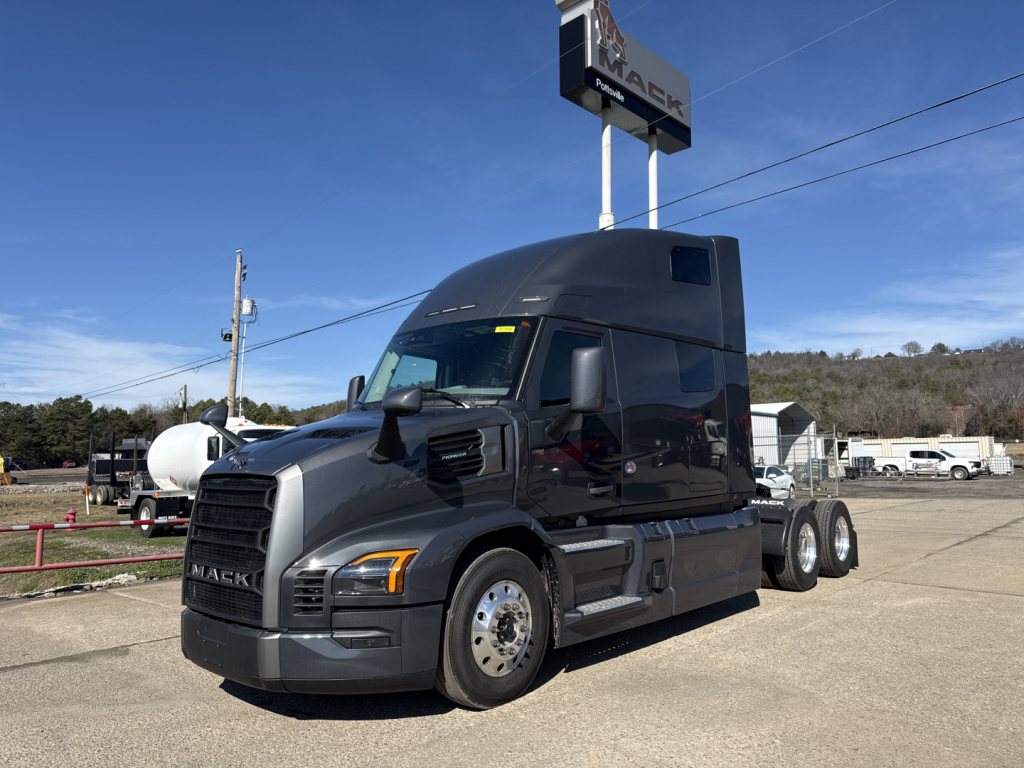
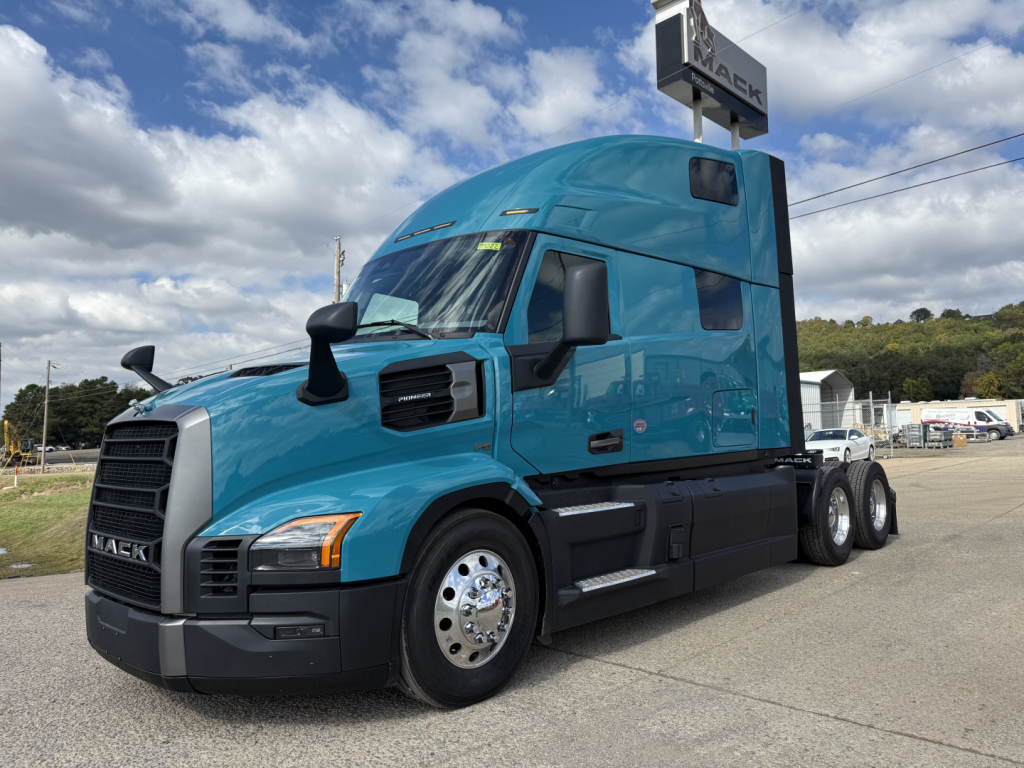
2026 Mack PR64T76H
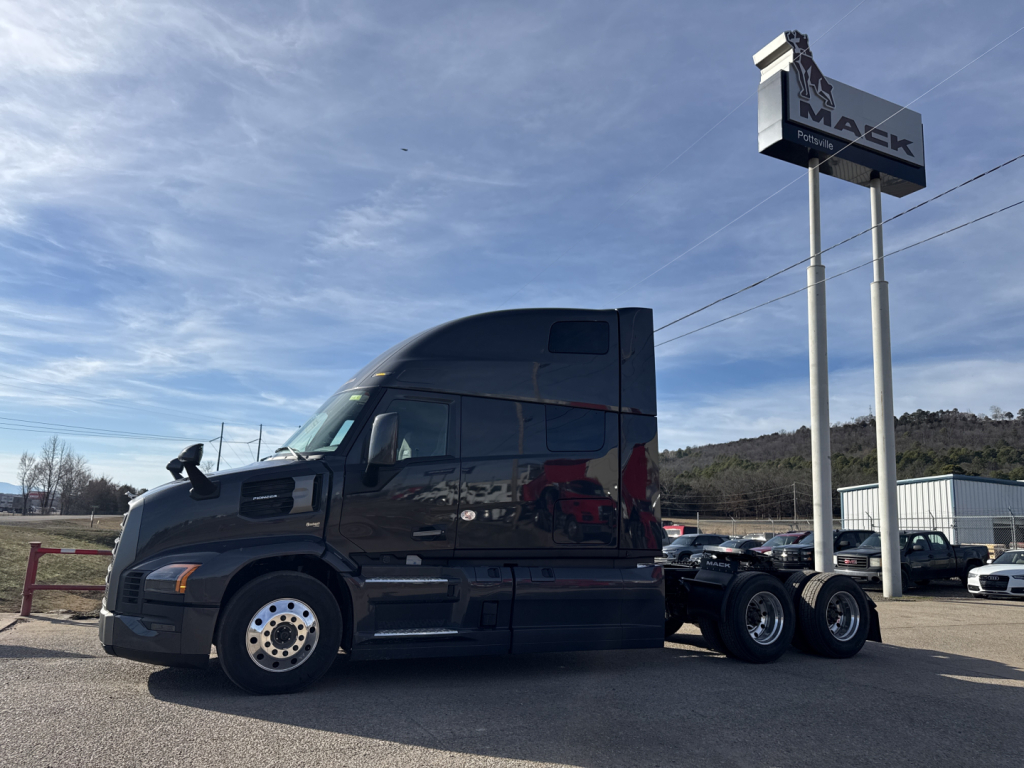
2026 Mack PR64T76H
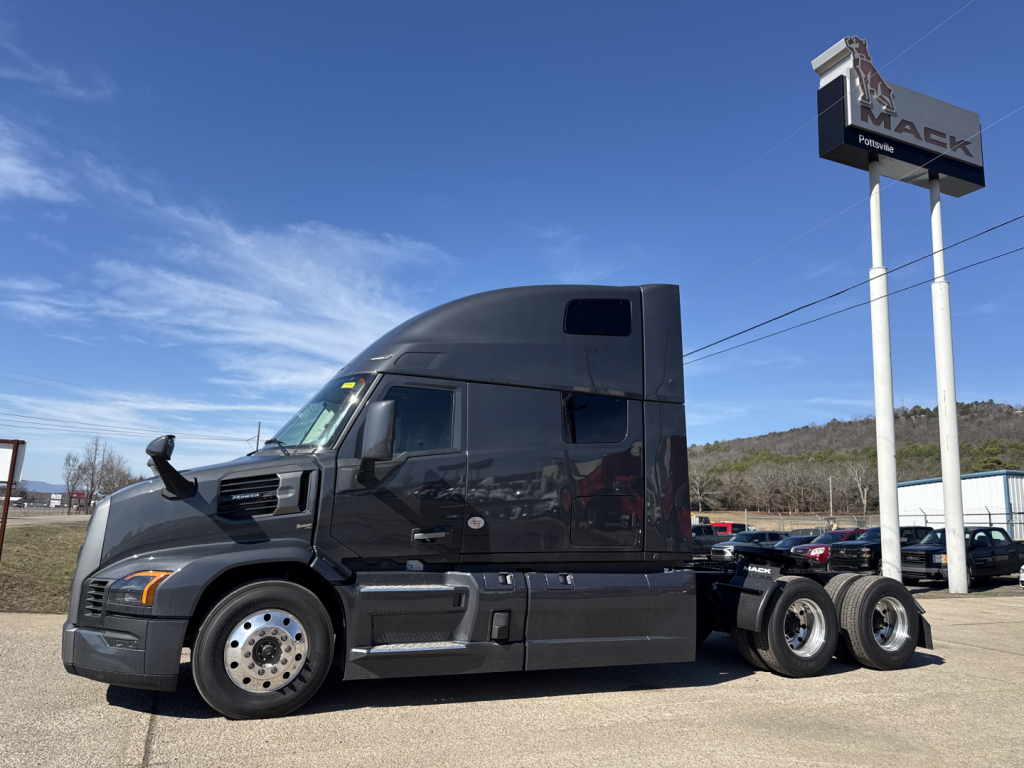
2026 Mack PR64T76H
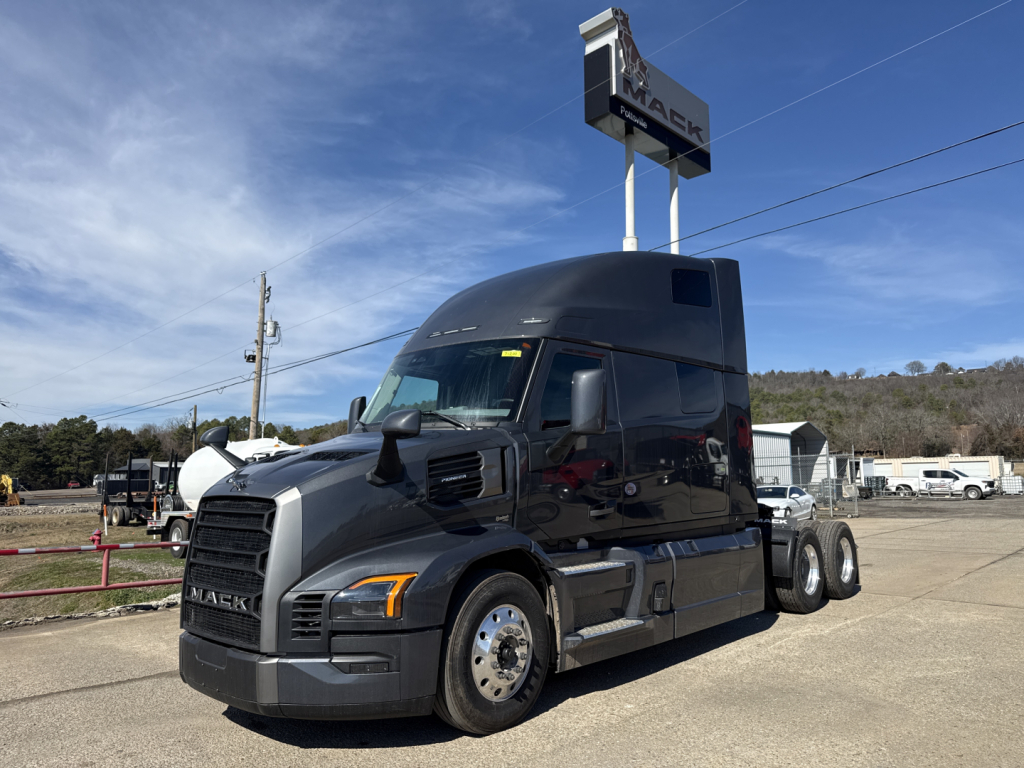
Selling a 2026 conventional sleeper truck? List your 2026 conventional sleeper truck for sale and reach thousands of commercial buyers.
2026 Conventional Sleeper Trucks in Arkansas
The 2026 model year includes Mack's new Pioneer platform, alongside sleeper offerings from other manufacturers; compare cab layouts and powertrains rather than assuming equivalent specifications. Diesel tractors use DPF and SCR/DEF aftertreatment, so confirm emissions certification for intended operating states. On new purchases, verify engine, chassis, and aftertreatment warranty terms and whether the 12% federal excise tax applies. For used 2026 trucks, reconcile ECM mileage and idle hours with service records, check fault and regeneration histories, and inspect fifth-wheel jaws, brakes, tires, and air suspension. Confirm remaining warranty coverage and its transfer requirements.
Frequently Asked Questions about 2026 Conventional Sleeper Trucks in Arkansas
Is a 2.64 rear axle ratio too tall for a sleeper tractor in Arkansas?
A 2.64 rear ratio can work on Arkansas interstate routes when the transmission and tire size keep the engine in its recommended loaded cruise range. Direct-drive and overdrive transmissions produce different cruise rpm with the same axle ratio. For a conventional sleeper tractor hauling heavy loads through the Ozarks, request a gearing calculation covering cruise rpm, gradeability, and startability at the intended gross combination weight.
What weight can a sleeper tractor legally haul in Arkansas?
A standard five-axle sleeper tractor and semitrailer combination is generally limited to 80,000 pounds gross on Arkansas interstates, subject to axle spacing and bridge limits. Standard federal limits include 20,000 pounds on a single axle and 34,000 pounds on a tandem. A 40,000-pound rear suspension rating does not authorize that weight on an interstate tandem. Equipment ratings, registration, route restrictions, and applicable permits also govern legal operation.
Should I choose battery HVAC or a diesel APU for a 2026 sleeper truck?
Battery HVAC avoids running a separate diesel engine, while a diesel APU supports longer parked operation through its own fuel supply. For an Arkansas sleeper tractor, compare cooling runtime under hot, humid conditions rather than relying only on advertised capacity. Check battery replacement requirements, recharge time, APU service intervals, and installed weight. Confirm whether either system includes heating and sufficient electrical capacity for the driver's appliances.
What should I test on a used 2026 sleeper besides the engine?
Test the driver-assistance equipment and scan all electronic control modules before buying a used 2026 conventional sleeper tractor. Where equipped, verify adaptive cruise control, collision warnings, cameras, and lane-departure alerts through approved diagnostic procedures and a safe road test. Windshield replacement or collision repairs may require sensor calibration. Check bunk electrical outlets, inverter operation, water intrusion, and sleeper HVAC under sustained load rather than accepting a brief demonstration.
Are 2026 sleeper tractors different from 2025 models?
The model family and build date, not the year alone, identify meaningful differences between 2025 and 2026 sleeper tractors. Manufacturers introduce platforms and running changes on different schedules. Compare OEM build sheets for engine family, transmission, safety systems, cab construction, and electrical architecture. For a newly introduced platform, ask about diagnostic support, technician training, and service procedures rather than assuming parts and repair methods carry over.