
2022 Conventional Sleeper Trucks For Sale in North Carolina
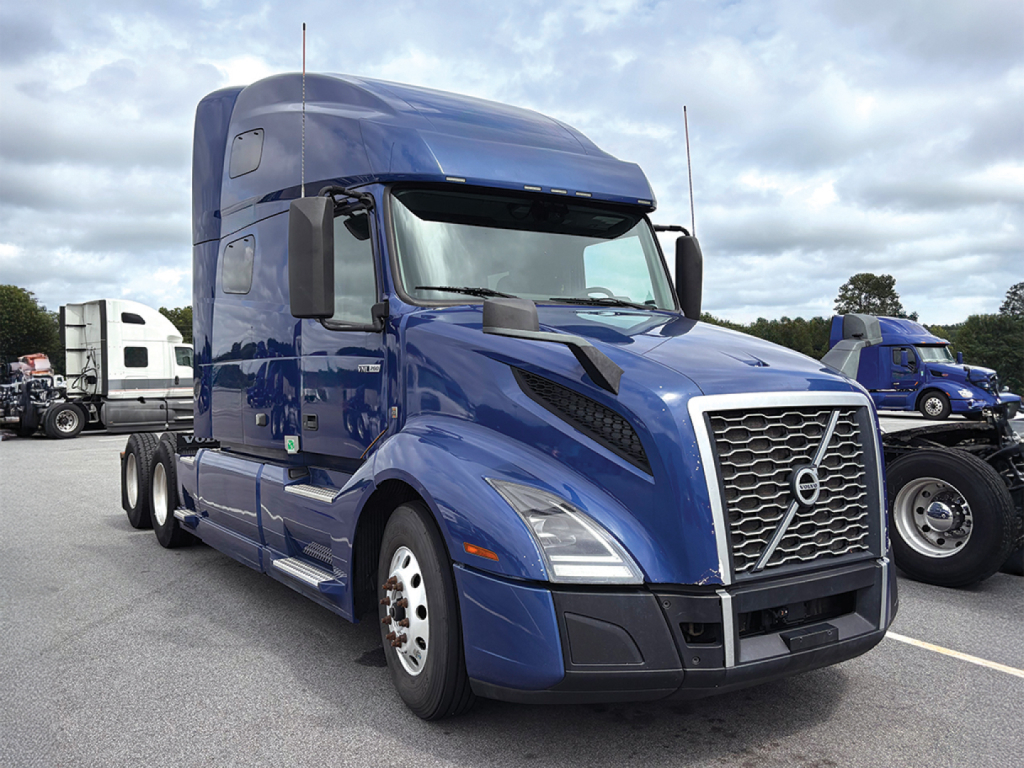
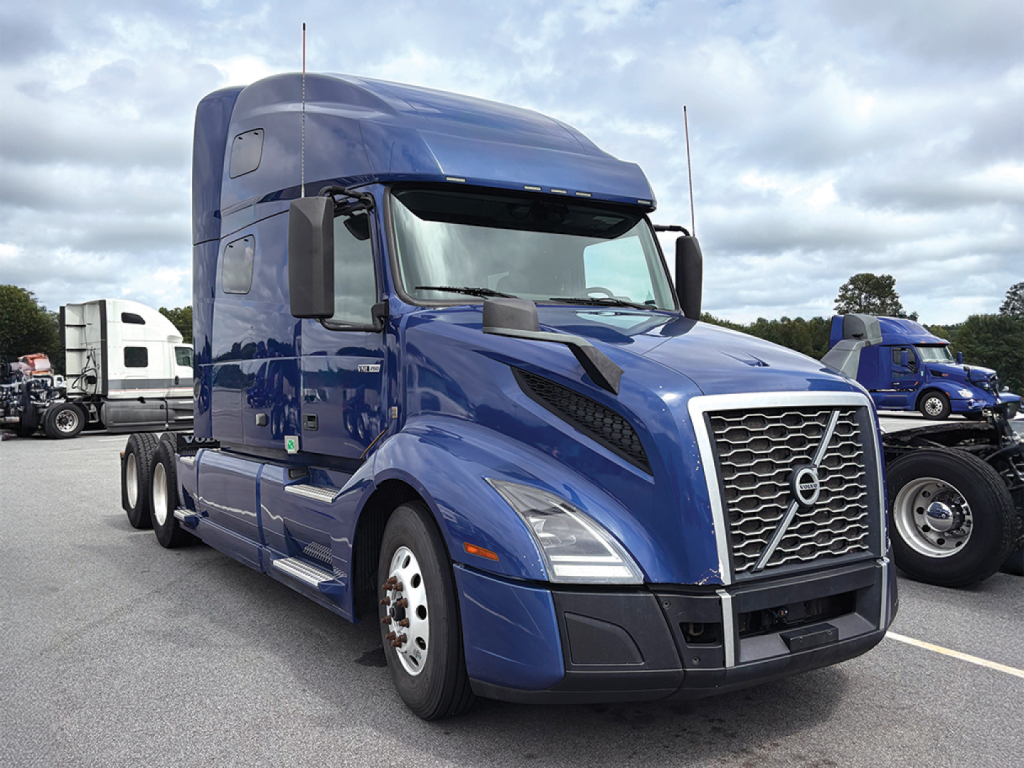
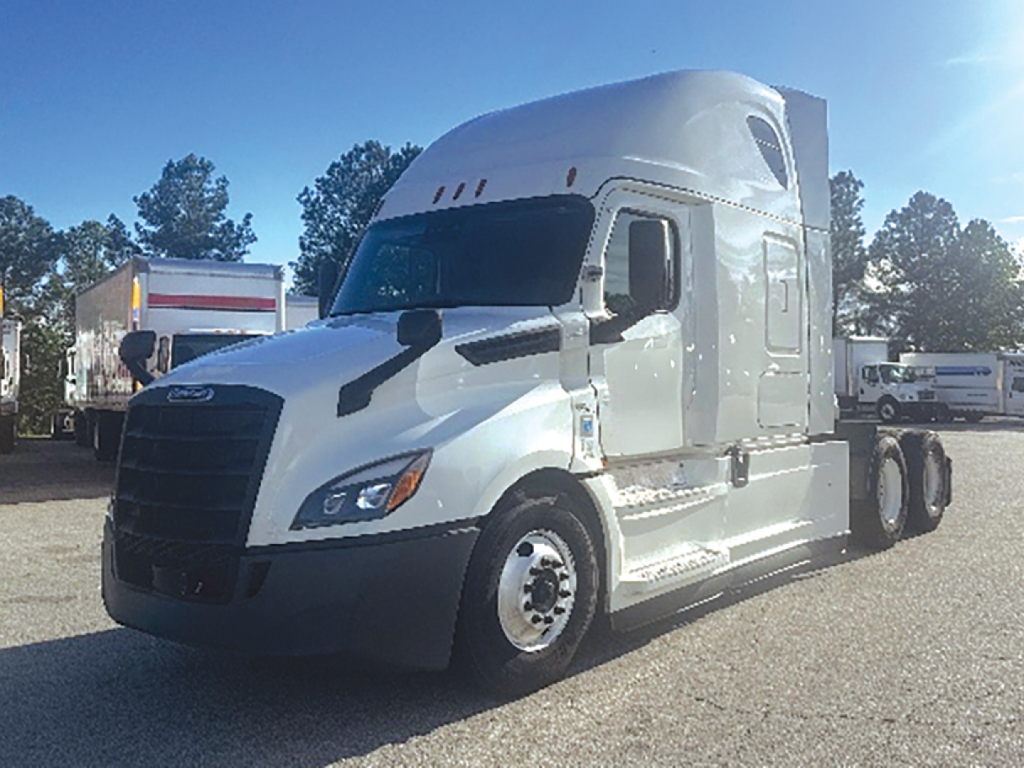

Have 2022 conventional sleeper truck to sell? List it here to reach thousands of buyers.
2022 Conventional Sleeper Trucks in North Carolina
For most buyers, the first decisions are engine rating, transmission type, and rear axle ratio. Many 2022 sleeper tractors were spec'd with 400 to 500 horsepower diesel engines from Cummins, Detroit, or Paccar, paired to automated manual transmissions for fuel economy and easier driver onboarding. Manual transmissions still matter in some owner-operator and vocational crossover applications, but the 2022 market leans heavily toward automatics. Rear axle ratios such as 2.64, 2.79, or 3.08 are common in fuel-conscious highway specs, while heavier or more versatile applications may use a deeper ratio. Wheelbase, fuel capacity, fifth wheel travel, and front axle set-back also affect how the truck handles, scales, and fits specific trailer combinations.
Sleeper design matters just as much as drivetrain. Buyers should look closely at bunk layout, cabinet storage, HVAC performance, idle reduction equipment, and whether the truck has an APU or bunk heater. A raised-roof sleeper gives a driver more usable stand-up room on multi-day runs, while a smaller flat-top or mid-roof sleeper can keep weight down and may suit dedicated lanes. Aerodynamic fairings, chassis skirts, and roof packages help fuel mileage, especially in the long, steady runs common across North Carolina and the Southeast. Interior condition matters on a sleeper truck because wear in seats, bunk trim, controls, and climate systems often tells you as much about prior use as the odometer.
A strong 2022 conventional sleeper should also be evaluated around uptime items, not just appearance. Check for maintenance history on the aftertreatment system, look for signs of excessive idle time, review brake and tire life, and confirm suspension type, tandem capacity, and tire size match your freight. Many buyers also pay attention to collision mitigation, adaptive cruise, lane departure alerts, and tire pressure monitoring because those systems can affect insurance, safety performance, and driver retention. If the truck will pull van, reefer, flatbed, or tanker work, make sure the spec matches the application instead of assuming every highway sleeper tractor is interchangeable.
Frequently Asked Questions about 2022 Conventional Sleeper Trucks in North Carolina
What is a conventional sleeper truck?
A conventional sleeper truck is a highway tractor with a forward engine hood and an integrated sleeping compartment behind the cab. It is designed for long-haul and regional freight where drivers need rest space between runs. In the used market, this category is often referred to as a sleeper semi truck, sleeper tractor, or over-the-road tractor.
What engine and transmission specs are common in 2022 conventional sleeper trucks?
Many 2022 conventional sleepers were built with 11- to 15-liter diesel engines in the 400 to 500 horsepower range. Automated manual transmissions are the most common transmission choice in this year range because they support fuel economy, reduce driver fatigue, and simplify hiring. Buyers should also look at torque rating, rear axle ratio, and cruise RPM because those numbers affect gradeability, fuel burn, and how well the truck fits the intended lanes.
How do I choose the right sleeper size for my operation?
Sleeper size should match trip length, driver expectations, and payload priorities. A 56-inch sleeper can work well for regional or shorter over-the-road routes, while 72-inch to 80-inch raised-roof sleepers provide more storage and better livability for extended trips. Larger sleepers improve comfort but can add weight and wheelbase, so they should be chosen with axle scaling, trailer length, and maneuverability in mind.
Are 2022 conventional sleeper trucks good for fuel economy?
Yes, many 2022 models were built around aerodynamic packages, downsped drivetrains, and automated transmissions that improve fuel efficiency compared with older highway tractors. Actual results depend on the full spec, including engine calibration, rear axle ratio, tire type, idle habits, and trailer pairing. A fuel-efficient truck on paper can still underperform if the gearing or operating conditions do not match the freight.
What should I inspect first on a used 2022 sleeper tractor?
Start with the engine and aftertreatment service history, then review transmission operation, fault codes, brake wear, tire condition, and suspension components. On a sleeper truck, it is also important to test bunk HVAC, inspect the sleeper interior for hard-use wear, and verify idle reduction equipment if equipped. Electronic safety systems, telematics, and emissions components should be checked because repairs in those areas can be costly and can affect uptime.