
2021 Conventional Sleeper Trucks For Sale in North Carolina
Browse 2021 conventional sleeper trucks in North Carolina. Compare specs, sleepers, powertrains, wheelbases, and fuel economy features.
Learn more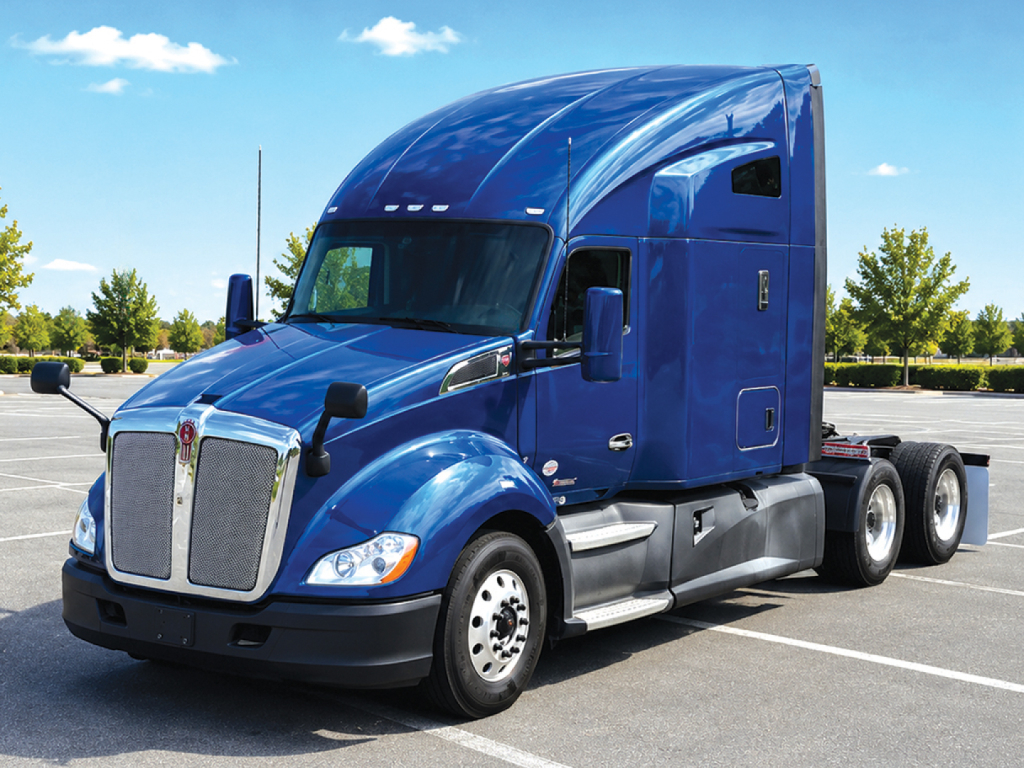

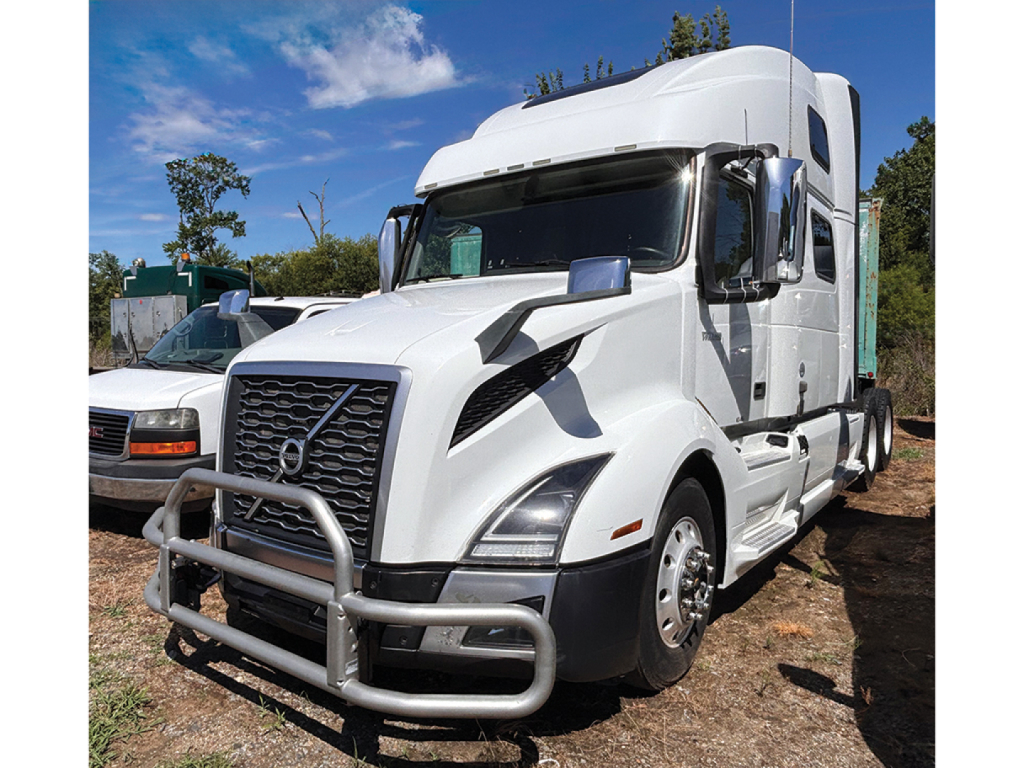
Showing 13 to 21 of 21 results
Have 2021 conventional sleeper truck to sell? List it here to reach thousands of buyers.
About 2021 Conventional Sleeper Trucks in North Carolina
The biggest buying decisions usually come down to sleeper size, engine rating, transmission type, rear axle ratio, and wheelbase. Common sleeper lengths range from about 60 to 80 inches, with mid-roof and high-roof configurations depending on the freight profile and driver preference. Horsepower in this category often falls in the 400 to 500 HP range, typically paired with torque ratings suited for van, reefer, and general freight applications rather than severe-duty work. Most 2021 conventional sleepers were ordered with automated manuals for fuel efficiency and easier driver onboarding, though some buyers still target manual transmissions for specific fleets or owner-operator preference. A 6x4 setup remains the standard, and tandem ratings around 40,000 pounds are common, with ratios selected to balance startability, cruising RPM, and fuel burn.
A buyer should pay close attention to how the truck was originally spec'd, not just the badge on the hood. Aero packages, fairings, chassis skirts, wheel covers, and idle-management systems can make a measurable difference in operating cost over time. Inside the sleeper, factory bunk heaters, inverter prep, auxiliary HVAC, refrigerator cabinets, and storage layout affect real-world driver retention as much as the mattress size. On the chassis side, look at fifth wheel type, frame length, fuel capacity, suspension spec, and tire package to make sure the truck matches the trailer mix and lane profile. For fleets running consistent trailer dimensions, kingpin setting and sliding fifth wheel travel should line up with axle bridge laws, turning clearance, and weight distribution targets.
Condition matters as much as specification on a used 2021 conventional sleeper. Review engine hours alongside miles, then compare that with maintenance history for the aftertreatment system, clutch or AMT calibration, brakes, suspension wear, and cooling system service. A truck that spent its life in linehaul service may present differently than one used in stop-and-go regional work even at similar mileage. Buyers in North Carolina should also consider corrosion exposure, prior fleet maintenance standards, and the availability of dealer support for the engine and transmission brand in their service area. A well-matched 2021 sleeper tractor can still deliver modern comfort, strong highway efficiency, and dependable trade-cycle value if the spec fits the freight and the maintenance record supports it.
Frequently Asked Questions
What is a conventional sleeper truck?
A conventional sleeper truck is a highway tractor with the engine mounted ahead of the cab and a built-in sleeping compartment behind the seats. It is the standard layout for long-haul trucking because it provides good service access, strong highway stability, and enough room for rest, storage, and onboard amenities during multi-day trips.
What should I look for when buying a 2021 conventional sleeper truck?
Focus first on the original spec and how it matches your freight. Key items include sleeper size, engine horsepower and torque, transmission type, rear axle ratio, wheelbase, fuel capacity, fifth wheel setup, and suspension. Then review maintenance records, engine hours, aftertreatment service, tire wear patterns, brake life, and any fault-code history. A correct spec with documented service usually matters more than cosmetic appearance.
Are 2021 conventional sleeper trucks mostly automatic or manual?
Most 2021 conventional sleeper trucks were built with automated manual transmissions. AMTs became the dominant spec because they improve shift consistency, help fuel economy, and reduce driver fatigue. Manual transmissions still appear in some owner-operator and performance-oriented specs, but they are less common in this model year than in older sleeper tractors.
What sleeper size is best for regional versus over-the-road work?
Regional operations often do well with a smaller mid-roof sleeper in the 60-inch range because it saves weight and can help maneuverability while still providing rest space. Over-the-road applications usually benefit from a larger high-roof sleeper with more standing room, storage, and comfort features. The right choice depends on trip length, driver turnover, and how much time the truck spends away from the terminal.
Why do rear axle ratio and wheelbase matter on a sleeper tractor?
Rear axle ratio affects cruising RPM, gradeability, startability, and overall fuel economy. A faster ratio can favor fuel mileage on flat interstate work, while a deeper ratio may help with heavier loads or hillier routes. Wheelbase influences ride quality, trailer gap, weight distribution, turning radius, and the ability to meet bridge and axle placement requirements. These two specs have a major impact on how the truck performs in daily service.