
2019 Conventional Sleeper Trucks For Sale in Georgia
Shop 2019 conventional sleeper trucks in Georgia. Compare specs, sleeper sizes, powertrain options, wheelbase, and highway comfort features.
Learn more
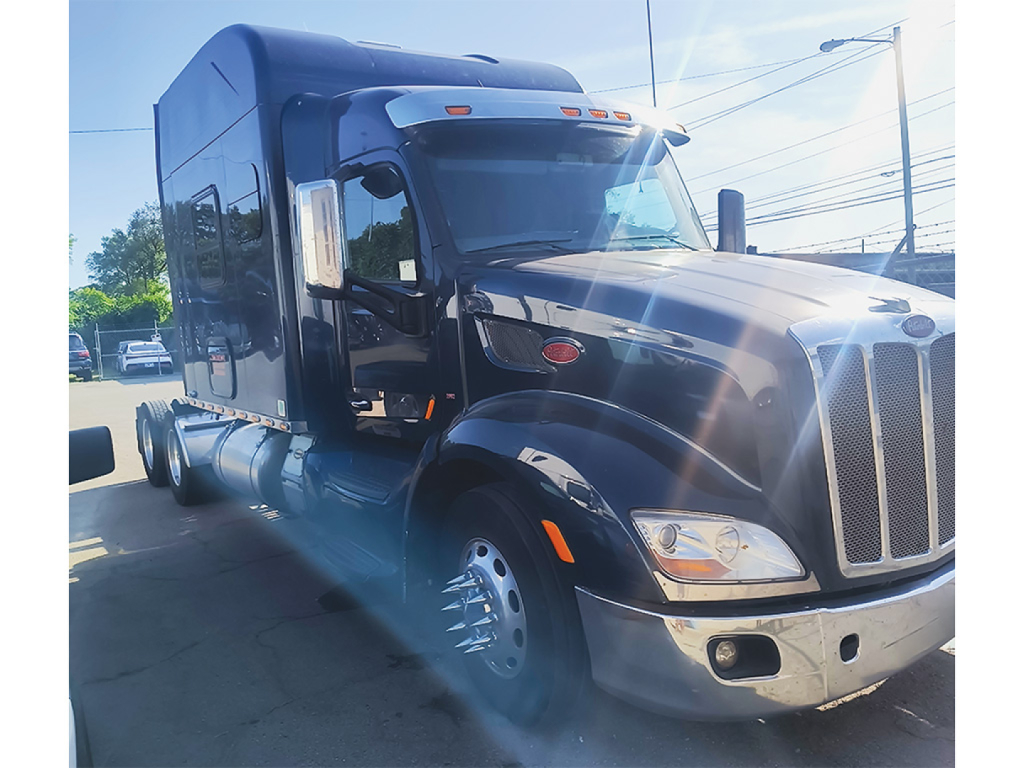
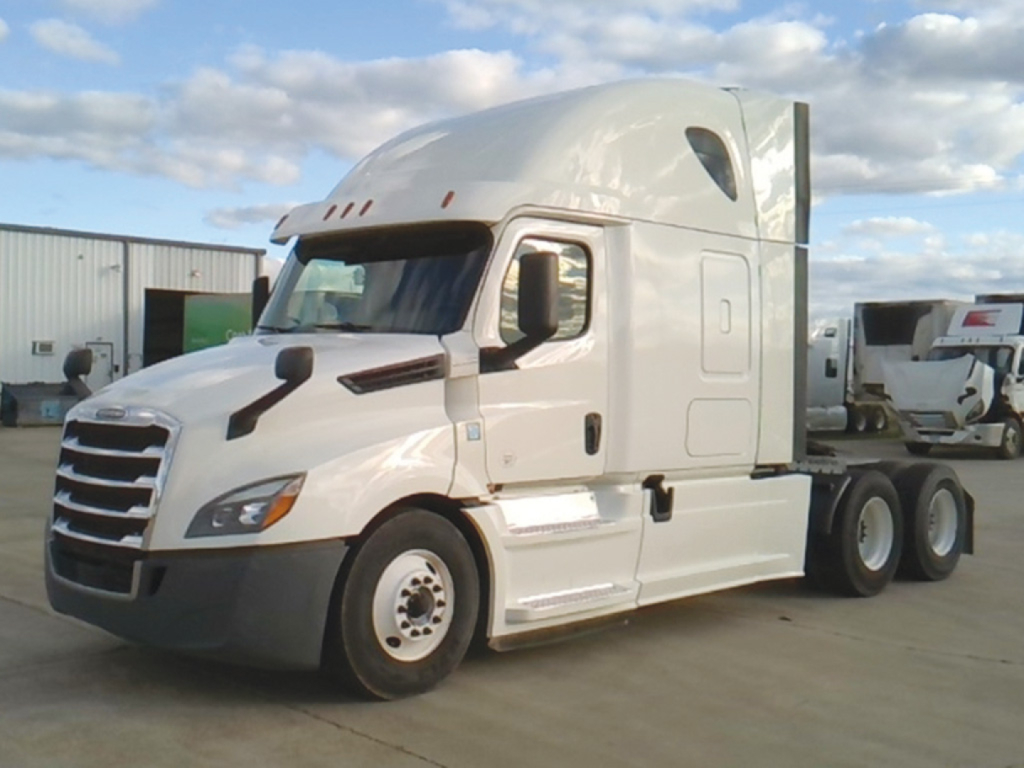
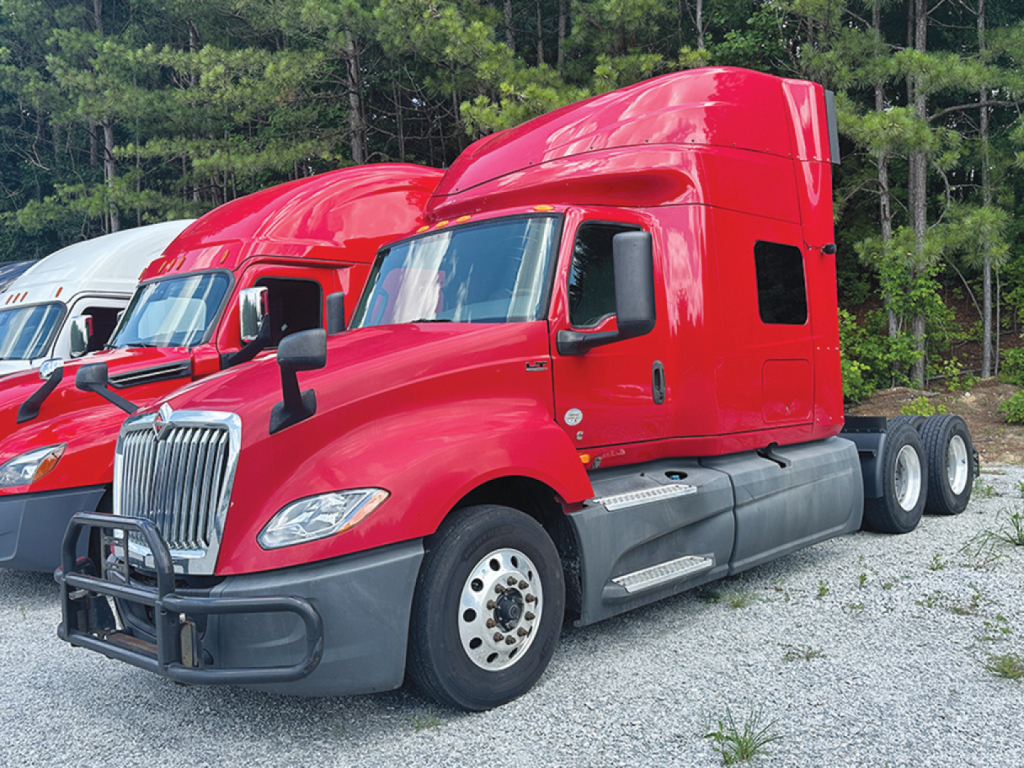
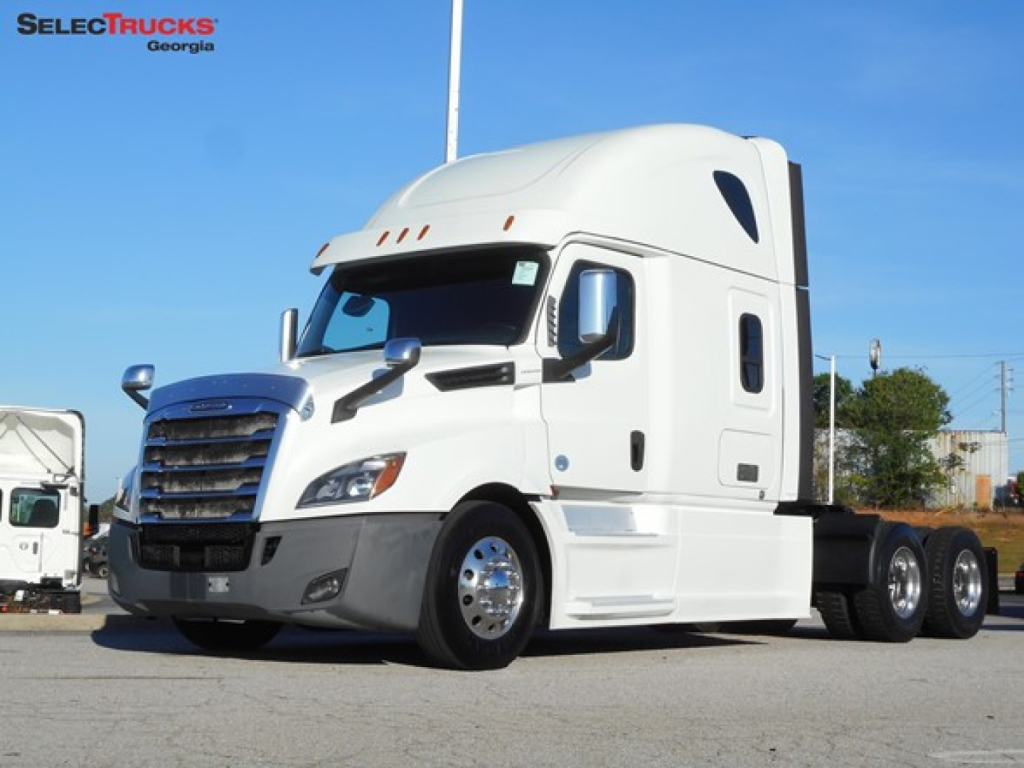
Showing 13 to 23 of 23 results
Have 2019 conventional sleeper truck to sell? List it here to reach thousands of buyers.
About 2019 Conventional Sleeper Trucks in Georgia
Most 2019 conventional sleepers on the market are built around 12.8L to 15L diesel platforms with ratings commonly in the 400 to 505 horsepower range and torque suited for 80,000 lb GCWR applications. You will frequently see automated manual transmissions such as the DT12, I-Shift, mDRIVE, or Endurant, although some fleets still preferred manual gearboxes in this model year. Common rear axle ratings are 38,000 to 40,000 lb with highway ratios like 2.64, 2.79, 3.08, or 3.25 depending on fuel economy targets and terrain. Wheelbases often fall around 220 to 235 inches, which affects trailer gap, turning radius, fuel tank size, and how the truck handles with different kingpin settings.
The sleeper itself is a major buying decision. A 2019 conventional sleeper may come with a mid-roof or raised-roof cab, single or double bunk layout, workstation, refrigerator prep, inverter, bunk heater, and APU. For team operation or extended over-the-road use, storage volume and stand-up room can matter more than raw engine spec. On the chassis side, look closely at fairings, air slide fifth wheel operation, suspension type, disc versus drum brakes, tire size, and whether the truck has collision mitigation, lane safety tech, and idle-reduction equipment. Service records are especially important on 2019 emissions-era trucks, including DPF cleaning intervals, DEF system repairs, and any injector, turbo, or aftertreatment work.
For a buyer comparing listings, the best 2019 conventional sleeper truck is usually the one with the right spec for the lane, not just the newest paint or highest trim. A lower rear ratio may favor fuel mileage on flat Southeast routes, while a deeper ratio can be better for heavier freight or more varied terrain. Cab condition, bunk wear, software updates, and documented maintenance often tell you more than odometer alone. Models from Freightliner, Volvo, Peterbilt, Kenworth, International, and Mack each have their own strengths in dealer support, powertrain integration, and driver ergonomics, so it pays to match the truck to the operation first and the badge second.
Frequently Asked Questions
What should I check first on a 2019 conventional sleeper truck?
Start with the powertrain and emissions service history. On a 2019 truck, buyers should review maintenance records for DPF cleaning, DEF system repairs, turbo work, injector replacement, fault code history, and software updates. After that, confirm the transmission model, rear axle ratio, wheelbase, and sleeper size to make sure the truck matches the intended lane and trailer type. Cab condition, fifth wheel wear, tire date codes, brake life, and suspension bushing condition also deserve close attention.
Is a 2019 conventional sleeper truck good for long-haul freight?
Yes. A 2019 conventional sleeper is built for over-the-road use and typically offers the aerodynamic package, fuel capacity, bunk space, and highway gearing needed for long-distance operation. Many were spec'd with automated transmissions, integrated powertrains, collision mitigation, and driver comfort features that make them practical for fleet and owner-operator work. The best long-haul spec depends on freight weight, terrain, idle time, and how much living space the driver needs.
What engine and transmission combinations are common in 2019 sleeper tractors?
Common 2019 setups include Detroit DD13 or DD15 with DT12, Volvo D13 with I-Shift, Mack MP8 with mDRIVE, Cummins X15 with Endurant or Eaton manual transmissions, and PACCAR MX engines paired with automated or manual gearboxes. Horsepower usually falls in the 400 to 505 range, with torque selected around application needs rather than maximum rating alone. Buyers should compare engine family, transmission calibration, and axle ratio as one package because those three specs drive performance and fuel economy together.
How important is axle ratio on a 2019 highway sleeper?
Axle ratio is one of the most important specs on a highway tractor because it affects cruise RPM, startability, grade performance, and fuel burn. Ratios such as 2.64 or 2.79 are often chosen for fuel-efficient interstate work, while 3.08 or 3.25 may be preferred for heavier loads or more mixed terrain. A truck can look similar on paper but feel very different on the road depending on how the ratio works with tire size and transmission overdrive.
What sleeper features matter most for resale and driver retention?
The most valuable sleeper features are usually practical ones: double bunk layouts, stand-up roof height, good storage, inverter prep, refrigerator space, bunk heater, APU, and a clean, quiet interior. Safety and convenience features like adaptive cruise, collision mitigation, power accessories, and a comfortable seating package also help. For resale, buyers tend to favor trucks with a balanced spec that supports both solo and team use without being overbuilt for a narrow application.