
2015 Conventional Sleeper Trucks For Sale in North Carolina
Browse 2015 conventional sleeper trucks in North Carolina. Compare sleeper sizes, engine specs, wheelbase, drivetrain, and regional hauling fit.
Learn more
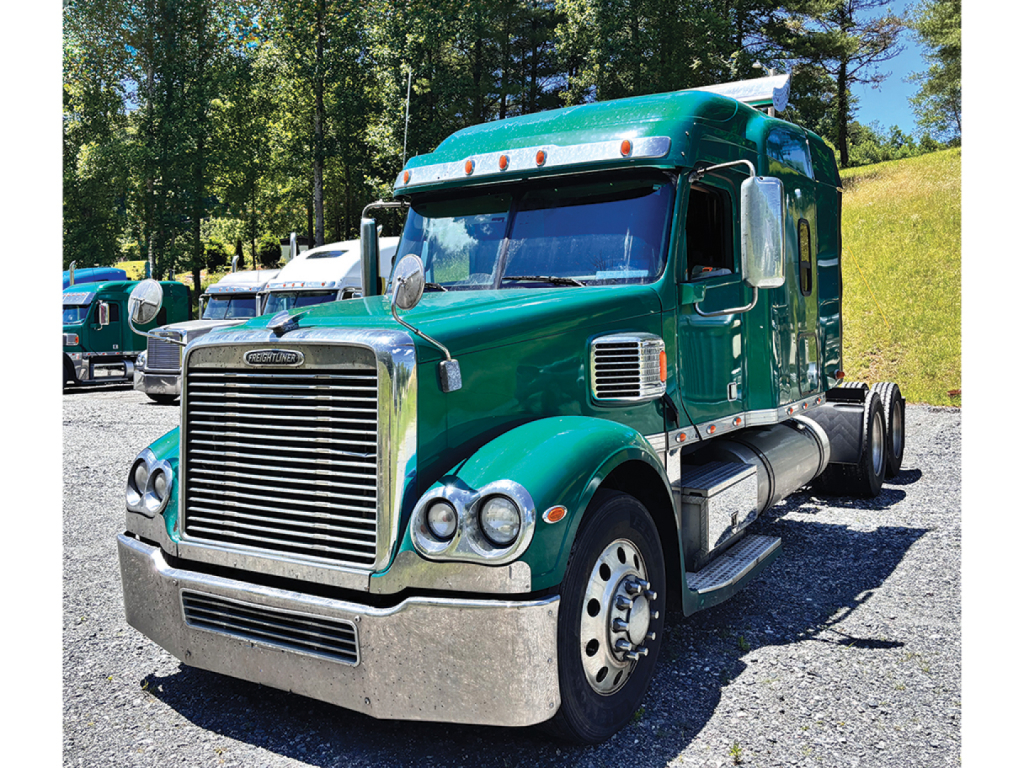
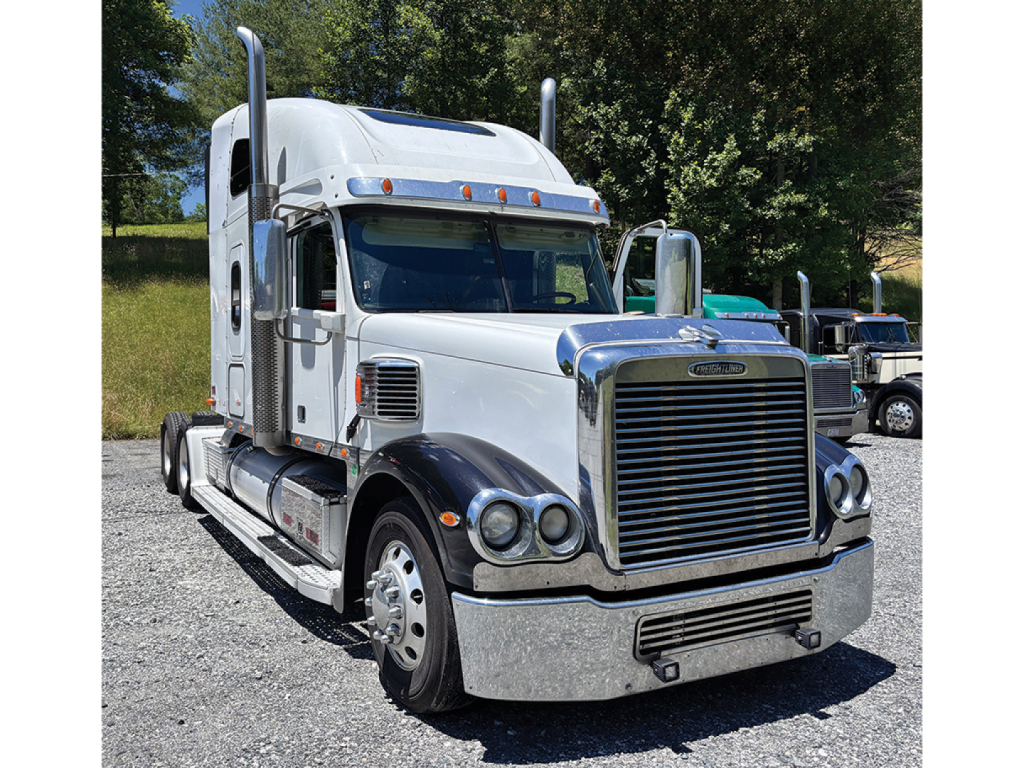
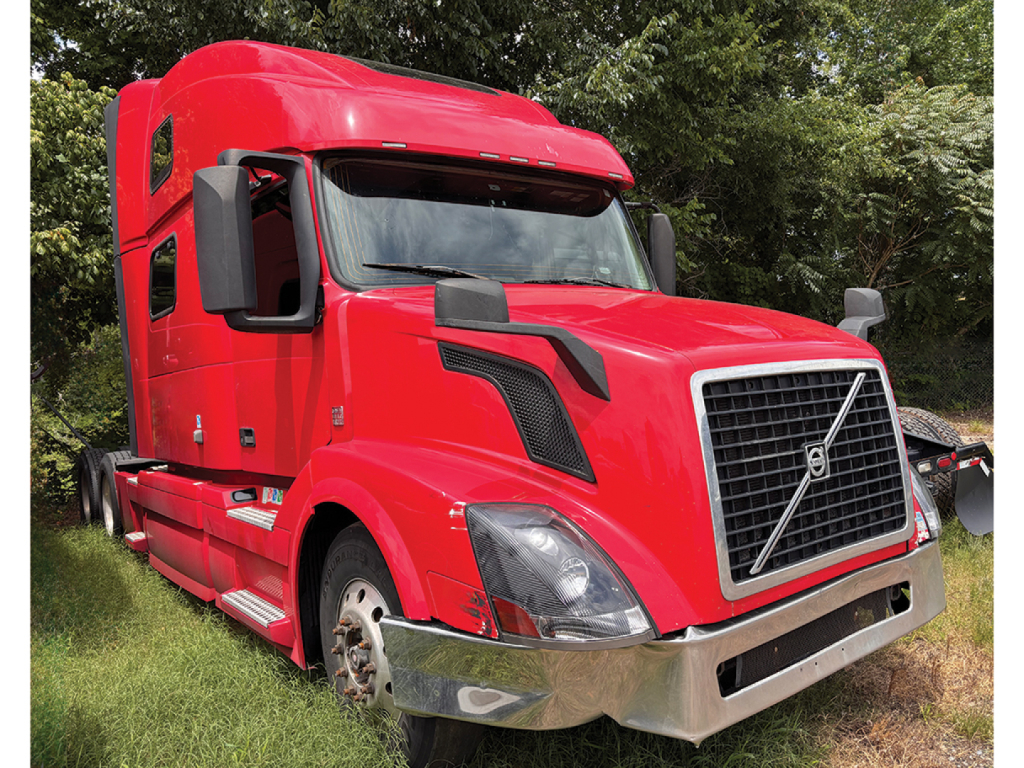
Have 2015 conventional sleeper truck to sell? List it here to reach thousands of buyers.
About 2015 Conventional Sleeper Trucks in North Carolina
Frequently Asked Questions
What should I look for first when buying a 2015 conventional sleeper truck?
Start with the powertrain, emissions system history, and intended lane. On a 2015 sleeper truck, engine make, horsepower, transmission type, rear axle ratio, and wheelbase will determine how the truck performs on your freight. Service records matter more than cosmetic condition. Pay close attention to DPF, DEF, EGR, turbo, and aftertreatment maintenance, because those systems drive uptime and operating cost on a 2015 emissions-era truck.
Are 2015 conventional sleeper trucks good for over-the-road use?
Yes, many 2015 conventional sleepers are well suited for over-the-road and regional haul applications. Most were spec'd with raised-roof or stand-up sleepers, dual fuel tanks, fairings, and highway gearing designed for fuel economy and driver comfort. The right fit depends on the cab configuration and drivetrain. A high-roof sleeper with an automated manual transmission and taller rear axle ratio generally fits dry van, reefer, and dedicated highway work better than a short sleeper or vocational-style spec.
What engine and transmission setups are common in 2015 sleeper semis?
Common 2015 sleeper truck engines include the Cummins ISX15, Detroit DD15, Paccar MX-13, Volvo D13, Mack MP8, and Navistar N13 in many markets. Horsepower often falls in the 400 to 500 range, with torque commonly matched to 10-speed, 13-speed, or automated manual transmissions. Buyers should match the setup to the load and terrain. For flatter lanes and fuel economy, a lower RPM highway spec with a 2.64 to 3.08 rear ratio is common. For heavier freight or more flexibility, a manual or AMT with a deeper ratio may make more sense.
How important is sleeper size on a 2015 conventional truck?
Sleeper size affects resale, driver retention, and route suitability. A 60-inch to 70-inch sleeper can work well for regional freight and shorter overnights, while a 72-inch to 80-inch high-roof sleeper is usually preferred for long-haul operations that keep a driver out for extended periods. Buyers should also look at bunk layout, storage, bunk heater or APU presence, and headroom. Those details matter as much as the published sleeper length.
What features are especially useful for buyers in North Carolina?
In North Carolina, a sleeper truck often needs to handle a mix of interstate running, port-related freight, distribution lanes, and rolling terrain. Aerodynamic fairings, engine brakes, low-profile 22.5 tires, and an efficient AMT spec can help on I-40, I-77, I-85, and longer Southeast lanes. If the truck will see mountain grades in the western part of the state or heavier gross weights, pay close attention to horsepower, torque rating, and axle ratio so the spec is not too tall for the job.