
2015 Freightliner Conventional Sleeper Trucks For Sale in North Carolina
Shop 2015 Freightliner conventional sleeper trucks in North Carolina. Compare Cascadia and Columbia specs, sleeper sizes, drivetrains, and axle setups.
Learn more
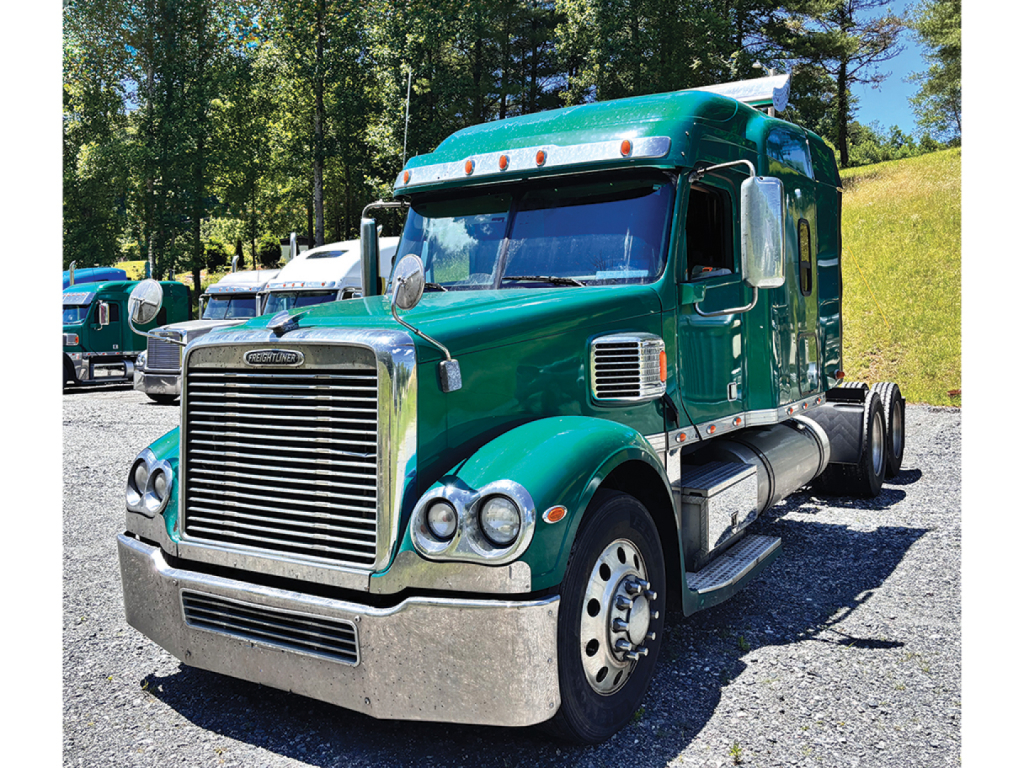
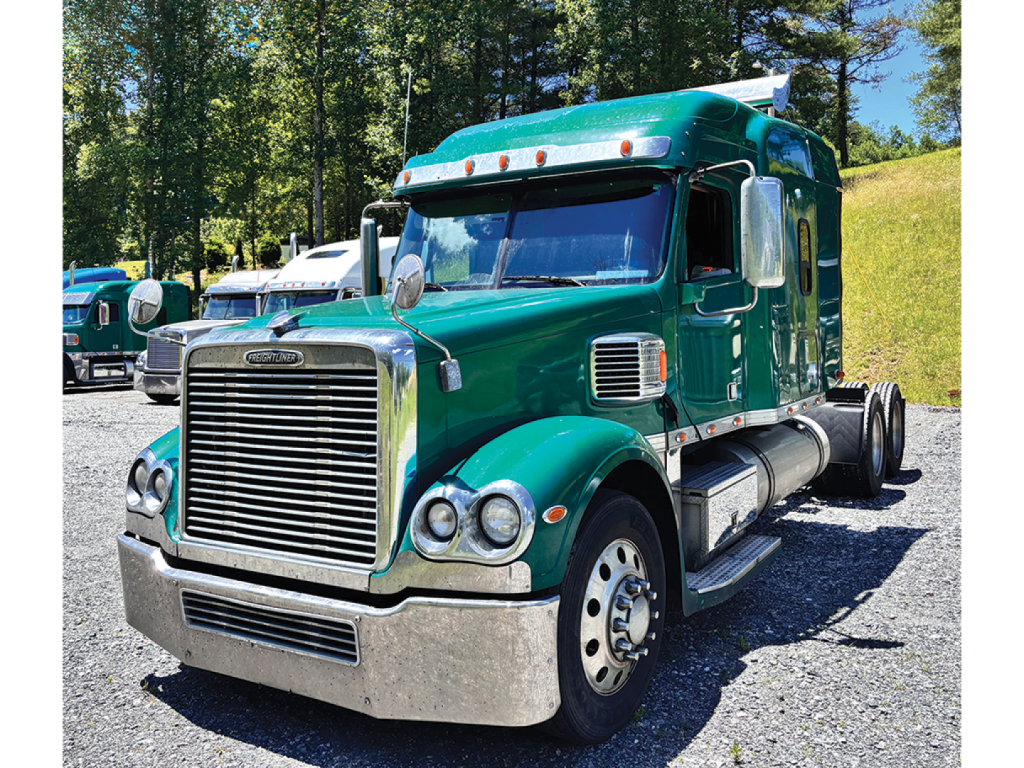
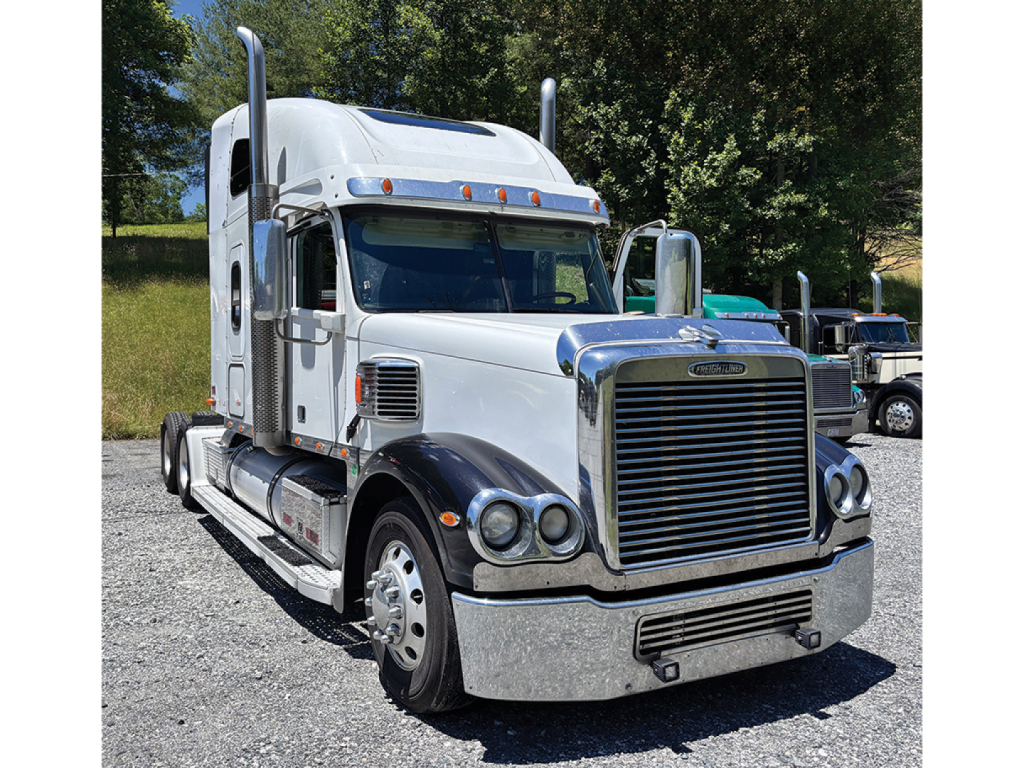
Have 2015 freightliner conventional sleeper truck to sell? List it here to reach thousands of buyers.
About 2015 Freightliner Conventional Sleeper Trucks in North Carolina
The biggest buying decision is usually the powertrain. On 2015 Freightliner sleeper tractors, common engines include Detroit DD13 and DD15 platforms, often paired with a manual 10-speed or Detroit DT12 automated manual transmission. Buyers should compare horsepower, torque ratings, rear axle ratio, and wheelbase against the freight they plan to move. A 2.64 or 2.85 ratio generally favors fuel economy on highway lanes, while a deeper ratio may fit heavier pulls or more mixed terrain. Many units in this class run tandem 40,000 lb rears, air ride suspension, sliding fifth wheels, and 22.5 low-profile rubber. For North Carolina operators, gearing and cooling system condition matter if the truck will see both I-95 corridor miles and western mountain grades.
Sleeper configuration affects resale and driver retention as much as drivetrain spec. Raised-roof and mid-roof sleepers in the 60-inch to 72-inch range are common on Freightliner conventionals, with features such as upper bunks, bunk heaters, storage cabinets, and space for inverter and hotel-load setups. Buyers should pay attention to interior wear, HVAC performance, bunk seals, and idle-management equipment if the truck will stay on longer runs. Aerodynamic components like cab extenders, side fairings, quarter fenders, and roof profile also matter because missing or damaged pieces can affect fuel economy and add cleanup cost after purchase.
Condition matters more than badge on a 2015 sleeper tractor. Review engine hours, ECM history, aftertreatment service records, transmission calibration history, suspension wear, and signs of frame or fifth-wheel abuse. Freightliner remains a strong choice because service access is wide, components are familiar to most shops, and the trucks are easy to spec for van, reefer, flatbed, and dedicated lane work. A well-maintained 2015 Freightliner conventional sleeper can still be a productive truck if the spec matches the route, the maintenance file is complete, and the sleeper and chassis have been kept in fleet-ready condition.
Frequently Asked Questions
What engine and transmission combinations are common in a 2015 Freightliner conventional sleeper?
The most common combinations are Detroit DD13 or DD15 engines paired with either a 10-speed manual or a Detroit DT12 automated manual transmission. The right setup depends on application. A DD13 can be a good fit for lighter or more fuel-focused highway freight, while a DD15 is often preferred for heavier gross weights and broader torque demand. Buyers should verify horsepower and torque ratings through the VIN or ECM rather than relying only on seller descriptions.
Is a 2015 Freightliner Cascadia a good choice for regional or over-the-road work?
Yes, a 2015 Freightliner Cascadia is commonly used for both regional and over-the-road applications. Its aerodynamic design, available raised-roof sleeper options, and widespread dealer and aftermarket support make it practical for long highway cycles. The best fit comes down to sleeper size, axle ratio, fuel capacity, and maintenance history. A truck built for long, steady highway lanes may not be ideal for frequent stop-start regional work without the right gearing and transmission spec.
What should I inspect first on a used 2015 Freightliner sleeper tractor?
Start with the maintenance records, engine ECM printout, and aftertreatment history. Then inspect for coolant leaks, excessive crankcase pressure, transmission behavior, suspension wear, tire pattern irregularities, and fifth-wheel movement. On the cab and sleeper side, check HVAC operation, bunk condition, seals, dash warnings, and signs of water intrusion. A used sleeper truck can look clean and still need expensive emissions, clutch, or suspension work, so the inspection should focus on mechanical condition before cosmetics.
What rear axle ratio works best on a 2015 conventional sleeper truck?
The best rear axle ratio depends on load profile, terrain, and cruising speed. Ratios like 2.64 or 2.85 are common for fuel-efficient highway freight and lower engine rpm at road speed. Ratios in the 3.36 to 3.73 range can be better for heavier hauling, hill country, or operations that prioritize launch and pull over top-end economy. Buyers in North Carolina often balance interstate fuel economy with enough gearing for western grades and mixed regional routes.
Why do sleeper size and roof profile matter on a Freightliner conventional?
Sleeper size affects driver comfort, storage capacity, and how well the truck fits its intended lane. A 70-inch to 72-inch raised-roof sleeper generally offers better standing room and living space for over-the-road use, while a mid-roof can be lighter and still work well for shorter runs. Roof profile also ties into aerodynamics, especially when matched to trailer height. The right sleeper setup can improve retention, reduce fatigue, and help maintain fuel efficiency over long miles.