
2013 Conventional Sleeper Trucks For Sale in North Carolina
Browse 2013 conventional sleeper trucks for sale in North Carolina, including long-haul highway sleepers with popular powertrain and sleeper options.
Learn more
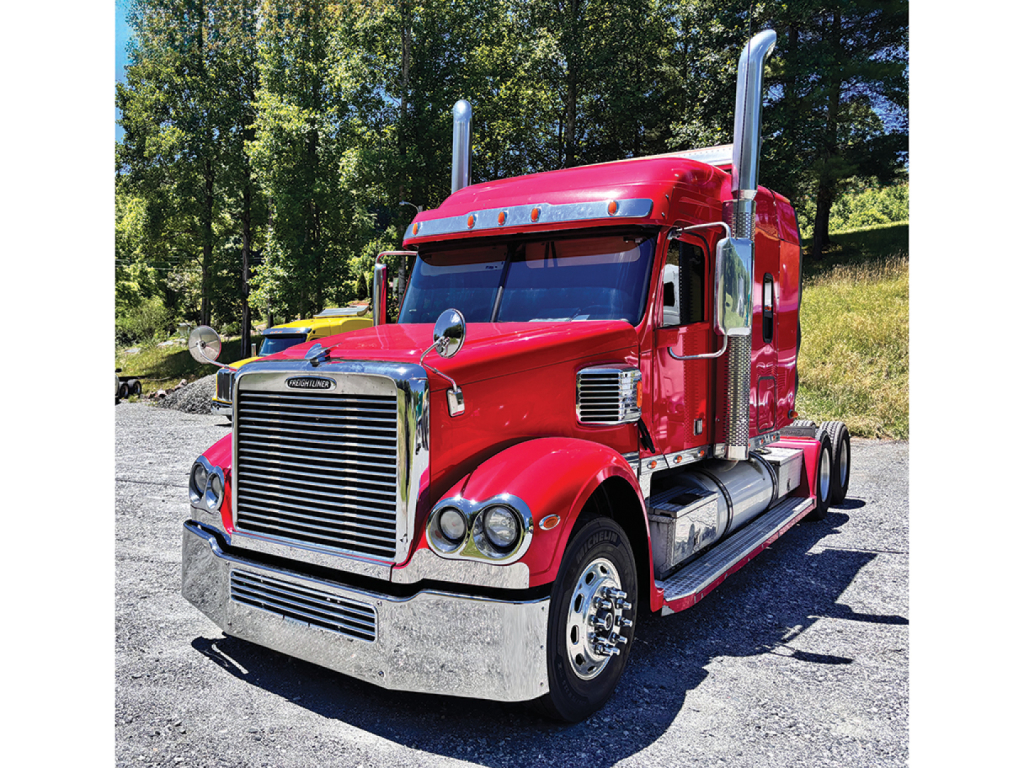
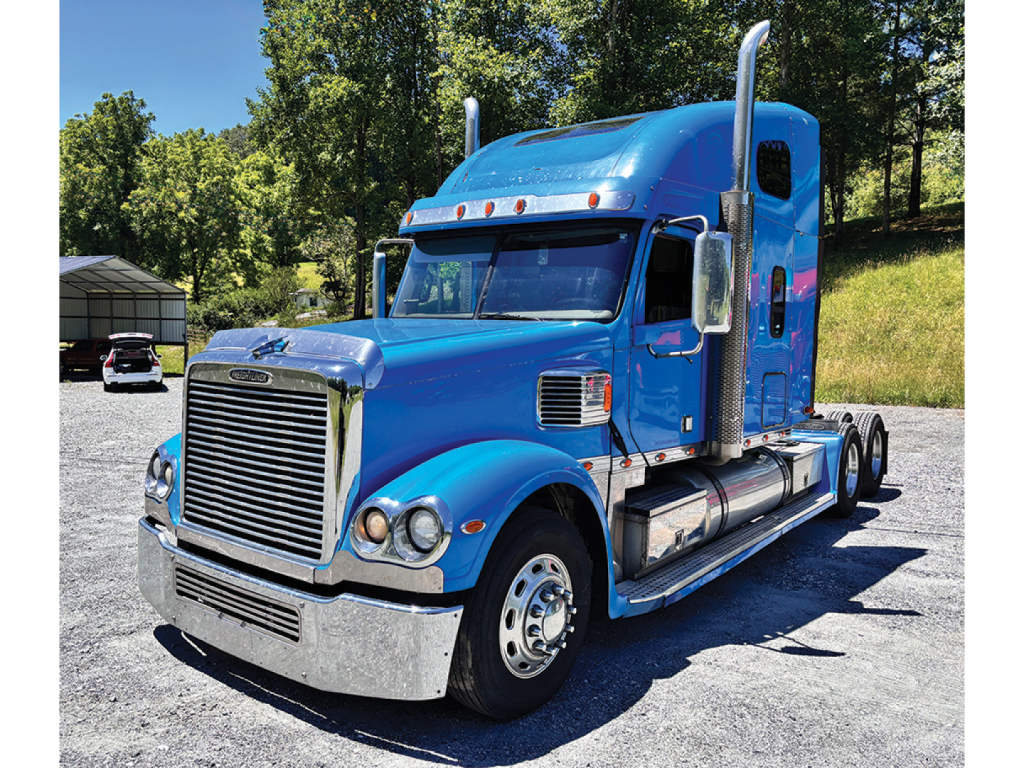
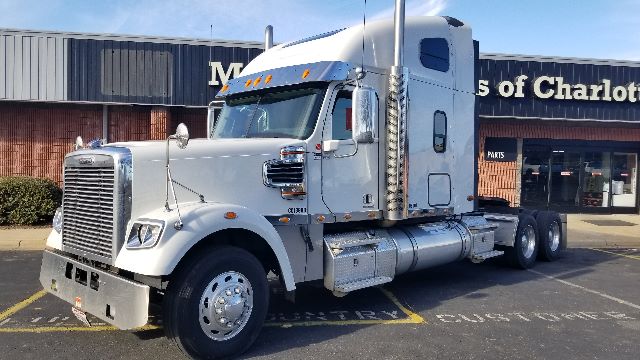
Have 2013 conventional sleeper truck to sell? List it here to reach thousands of buyers.
About 2013 Conventional Sleeper Trucks in North Carolina
The first decision is usually sleeper size and drivetrain. Many 2013 conventional sleepers came with mid-roof or raised-roof cabs, often in the 60-inch to 70-inch range, with stand-up sleepers, upper bunks, and storage for multi-day runs. Common engines in this class include Cummins ISX variants, Detroit diesels, and Volvo powerplants, typically rated from about 400 to 500 horsepower. Buyers will also see both 10-speed and 13-speed manual transmissions, plus automated manuals in some aerodynamic fleet specs. Rear axle ratings around 40,000 pounds are standard, and rear ratios such as 2.64, 3.36, or 3.55 can tell you a lot about intended use. A taller highway gear helps fuel economy on steady interstate lanes, while a deeper ratio may fit heavier freight or more demanding terrain.
Spec details make the difference between a truck that fits your operation and one that becomes expensive to rework. Pay attention to wheelbase, fifth wheel travel, fuel capacity, suspension type, and fairing package. A truck with dual aluminum tanks, cab extenders, side fairings, and quarter fenders is usually aimed at linehaul efficiency. An APU, bunk heater, inverter setup, and upgraded interior can also matter if the truck will stay out for several nights at a time. On a used 2013 conventional sleeper, buyers should closely evaluate emissions system history, engine brake function, clutch or automated transmission performance, suspension wear, and signs of frame or sleeper corrosion. Service records, ECM downloads, tire wear patterns, and evidence of proper DPF and aftertreatment maintenance are especially important on this age of truck.
Conventional sleeper trucks are also known as sleeper tractors or highway sleeper semis, and they remain one of the most versatile classes in the used truck market. A well-matched 2013 spec can still be productive if the powertrain, gearing, and sleeper layout align with the freight you haul. For many buyers, the goal is not just finding a recognizable make or a clean cab, but selecting a truck with the right combination of horsepower, axle ratio, wheelbase, and driver amenities for the lanes it will actually run.
Frequently Asked Questions
What is the typical use for a 2013 conventional sleeper truck?
A 2013 conventional sleeper truck is primarily used for long-haul and regional freight where the driver needs an integrated sleeper compartment for overnight or multi-day trips. These trucks are commonly assigned to van, reefer, flatbed, and dedicated route work because they balance highway comfort, fuel capacity, and tractor versatility. The exact application depends on the axle ratio, wheelbase, engine rating, and sleeper size.
What specs matter most when buying a used 2013 sleeper tractor?
The most important specs are engine make and emissions configuration, transmission type, horsepower, rear axle ratio, wheelbase, sleeper size, and maintenance history. Buyers should also verify rear axle capacity, suspension type, fifth wheel setup, and fuel tank capacity. On a 2013 model, service documentation for the DPF, EGR, DEF system if equipped, and any major engine work is critical because aftertreatment repairs can materially affect operating cost.
Is a 13-speed manual better than a 10-speed or automated transmission in this category?
It depends on the freight and operating style. A 13-speed manual gives the driver more flexibility for heavy loads, grade changes, and speed management, which makes it attractive for specialized or weight-sensitive applications. A 10-speed can be a solid choice for general highway freight with a simpler operating pattern, while an automated manual can improve consistency and reduce driver fatigue in fleet service. The best choice is the one that matches route profile, driver preference, and maintenance support.
What sleeper size is common on 2013 conventional sleeper trucks?
Many 2013 conventional sleepers were built with sleepers in the 60-inch to 70-inch range, including stand-up and raised-roof designs. A 63-inch sleeper is a common middle ground for over-the-road work because it provides enough room for a bunk, storage, and basic living space without pushing wheelbase longer than necessary. Larger sleepers can improve driver comfort, but they may reduce maneuverability and add weight.
What should buyers inspect closely on a 2013 conventional sleeper in North Carolina?
Buyers should inspect the emissions system, cooling system, clutch or transmission operation, suspension components, frame condition, and signs of rust or corrosion around the cab, sleeper, and undercarriage. In a humid Southeast market, electrical condition, air system leaks, and HVAC performance also deserve close attention. A pre-purchase inspection with fault-code review and an ECM report is one of the best ways to confirm how the truck has been operated and maintained.