
2013 Freightliner Conventional Sleeper Trucks For Sale in North Carolina
Shop 2013 Freightliner conventional sleeper trucks with specs, sleeper sizes, drivetrain options, and buyer tips for long-haul use.
Learn more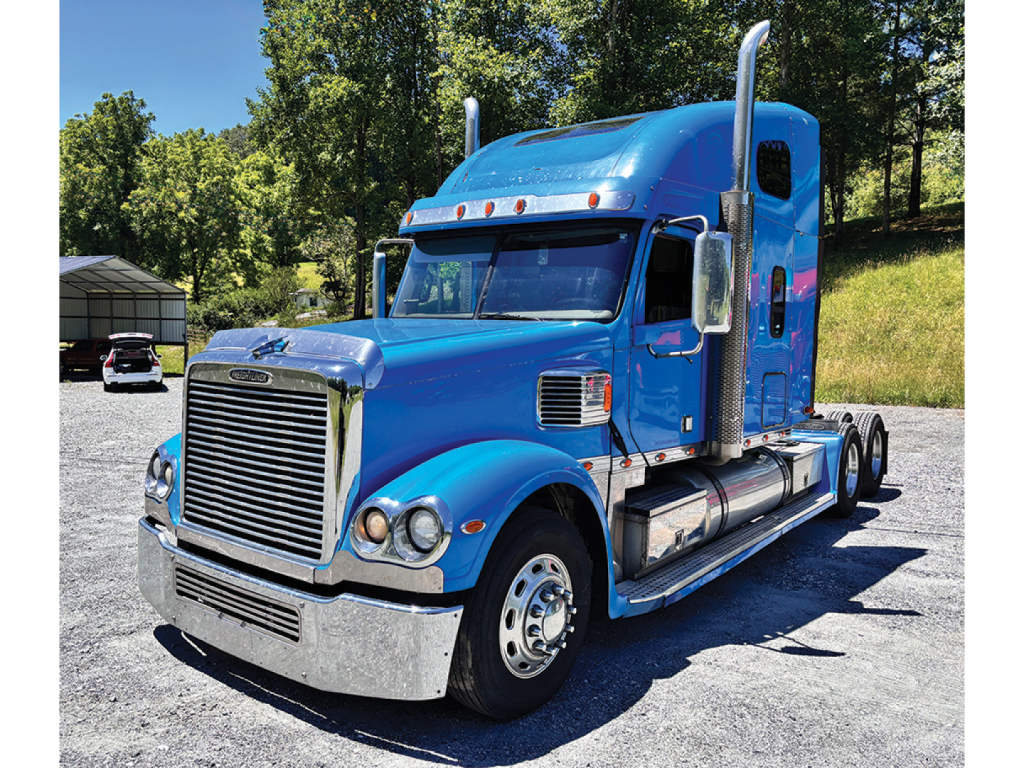
Have 2013 freightliner conventional sleeper truck to sell? List it here to reach thousands of buyers.
About 2013 Freightliner Conventional Sleeper Trucks in North Carolina
The drivetrain matters more than the badge on the hood. Many 2013 Freightliner conventional sleeper trucks were spec'd with Detroit power, especially DD13 and DD15 engines, while some older-style or glider-related configurations may carry Series 60 powerplants. Horsepower commonly falls in the 425 to 560 HP range depending on application, with torque and rear ratio selections built around fuel economy, heavy haul demands, or regional gradeability. Transmission choices are often 10-speed or 13-speed manuals in owner-operator and specialty specs, while automated manuals are also common in fleet-oriented highway tractors. Buyers should match the transmission, rear axle ratio, and tire size to actual cruise speed and load profile, because a tall highway gear can save fuel on flat lanes but feel sluggish in hill country or under heavier gross weights.
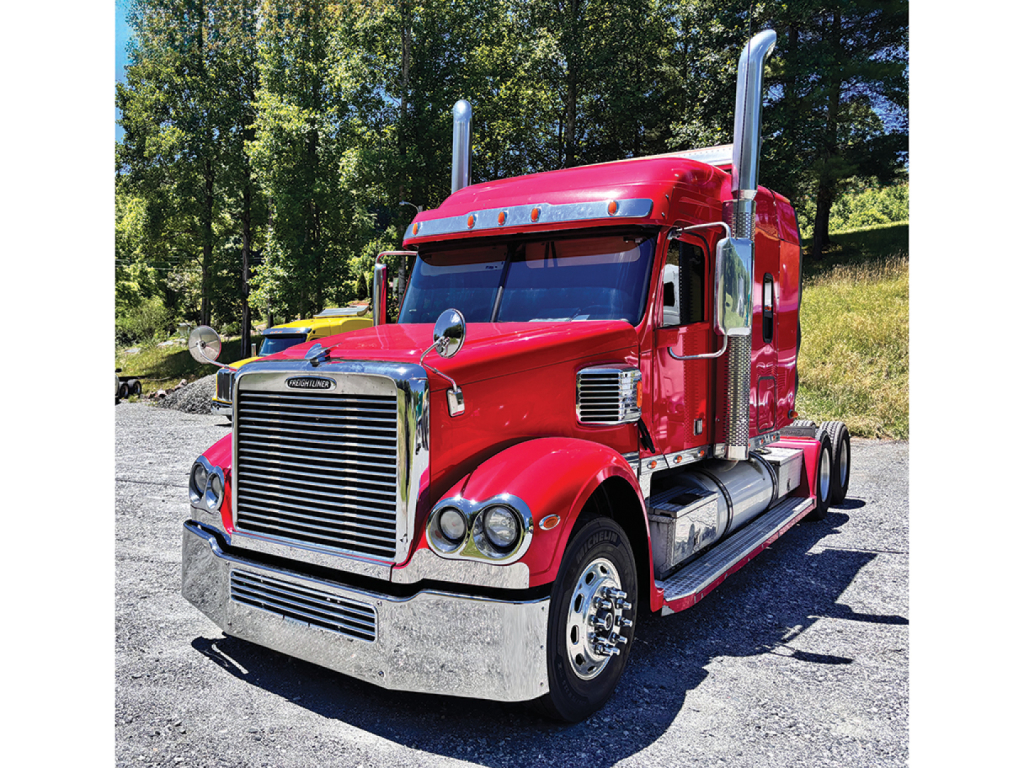
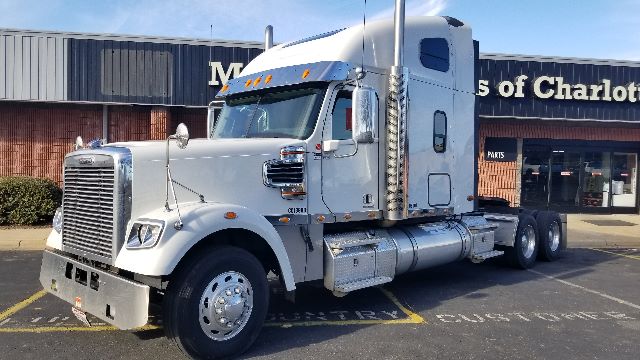
For a sleeper truck, cab and chassis spec is just as important as engine condition. Raised-roof sleepers, dual fuel tanks, full fairings, air slide fifth wheels, aluminum wheels, and air ride suspension are common features that affect both comfort and operating cost. Wheelbase, axle rating, and suspension type should be checked against the lanes you run and the trailer you plan to pull. A truck set up for van and reefer work in the Southeast may not be ideal for heavy flatbed, specialized freight, or steep mountain routes. In North Carolina and across the broader Southeast, buyers often place extra value on cooling system condition, APU or idle-management setup, and clean interior sleeper condition because regional humidity and long summer idle hours can expose weak HVAC and electrical systems quickly.
A 2013 Freightliner sleeper is often a practical fit for long-haul freight, expedited runs, dedicated contract lanes, show-hauler use, and some vocational tractor applications where a sleeper still makes sense. The best buy is usually the truck with a coherent spec and documented maintenance history, not simply the highest horsepower or most chrome. Look closely at emissions system service records, engine brake operation, bunk HVAC performance, frame condition, front-end wear, and signs of heavy idle time. If the truck has a premium owner-operator spec such as a 13-speed, 3.42 or similar rear gearing, polished aluminum, or a larger raised-roof sleeper, make sure those features align with your revenue plan and not just appearance. Freightliner’s wide parts support network remains a major advantage, especially for buyers who want a sleeper tractor that can stay on the road with predictable service access.
Frequently Asked Questions
What engines are common in a 2013 Freightliner conventional sleeper truck?
Detroit engines are the most common in this category, especially the DD13 and DD15 in highway tractors from this period. Some units may also have older Detroit Series 60 engines in glider or specialty configurations. The right engine depends on your freight and route profile. A DD13 can be a solid choice for lighter long-haul work, while a DD15 is more common when buyers want stronger torque for heavier loads, higher average speeds, or more flexibility across mixed terrain.
Is a 10-speed or 13-speed better in a 2013 Freightliner sleeper?
A 10-speed manual is a durable, straightforward choice for general van, reefer, and regional highway work. A 13-speed adds ratio flexibility that helps in heavy haul, rolling terrain, and situations where the driver wants tighter control of RPM and road speed. The better choice comes down to application. If the truck is geared tall and used for fuel-conscious highway operation, a 10-speed may be enough. If the truck will see mountains, oversized loads, or performance-oriented owner-operator use, a 13-speed is often preferred.
What should I inspect first on a used 2013 Freightliner conventional sleeper?
Start with maintenance records, engine diagnostics, emissions system history, and signs of excessive idle time. Then inspect the sleeper itself, including bunk condition, HVAC performance, seals, and any water intrusion. On the chassis side, pay close attention to steer axle wear, suspension bushings, air ride condition, fifth wheel movement, frame corrosion, and driveline vibration. A clean interior or polished exterior does not tell you much if the truck has unresolved aftertreatment issues or neglected front-end wear.
Are 2013 Freightliner sleeper trucks good for long-haul operations?
Yes, this model year remains a viable option for long-haul work when the truck has been maintained correctly and the spec matches the lane. Freightliner conventional sleepers are widely used in over-the-road service because they offer practical sleeper layouts, broad parts availability, and familiar service access. A long-haul buyer should focus on fuel tank capacity, sleeper size, gearing, engine brake performance, and overall comfort features, since those details affect uptime and driver retention as much as the basic powertrain does.
How important are rear axle ratio and wheelbase on a conventional sleeper truck?
They are critical because they directly affect fuel economy, maneuverability, cruise RPM, and how the truck works with a trailer. A taller rear ratio can improve highway fuel efficiency but may reduce startability and pulling performance under heavy loads or on grades. Wheelbase affects bridge compliance, turning radius, ride quality, and kingpin-to-axle relationship. Buyers should evaluate these numbers alongside the transmission, tire size, and intended trailer type instead of looking at any single spec in isolation.