
2012 Conventional Sleeper Trucks For Sale in North Carolina
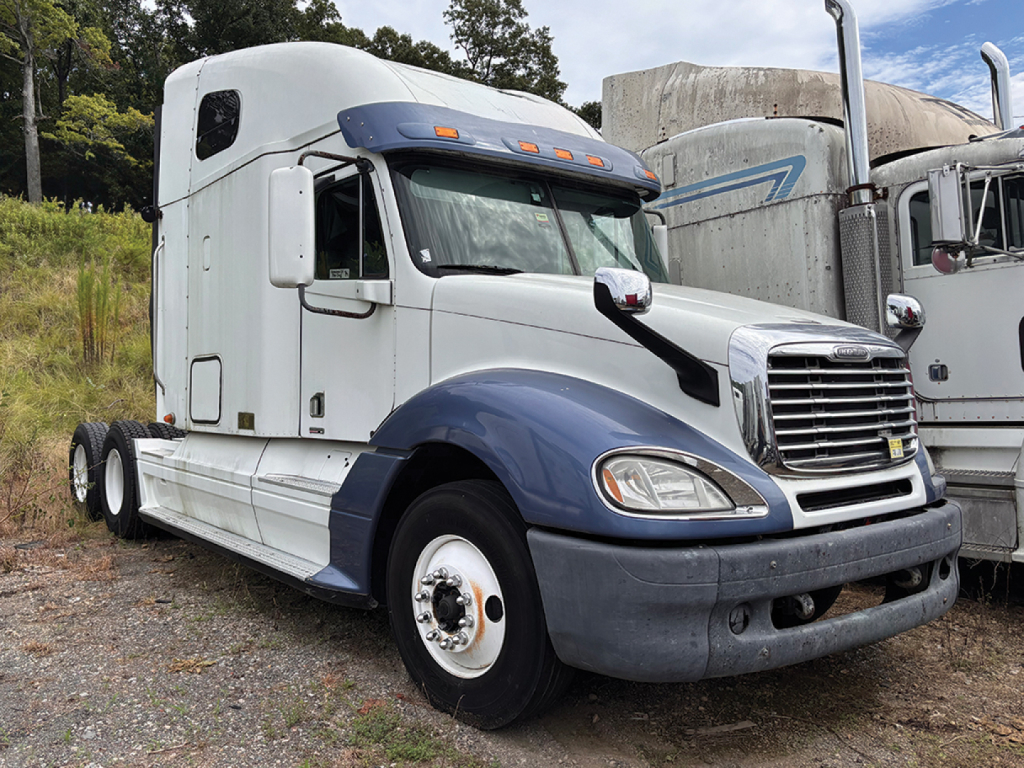
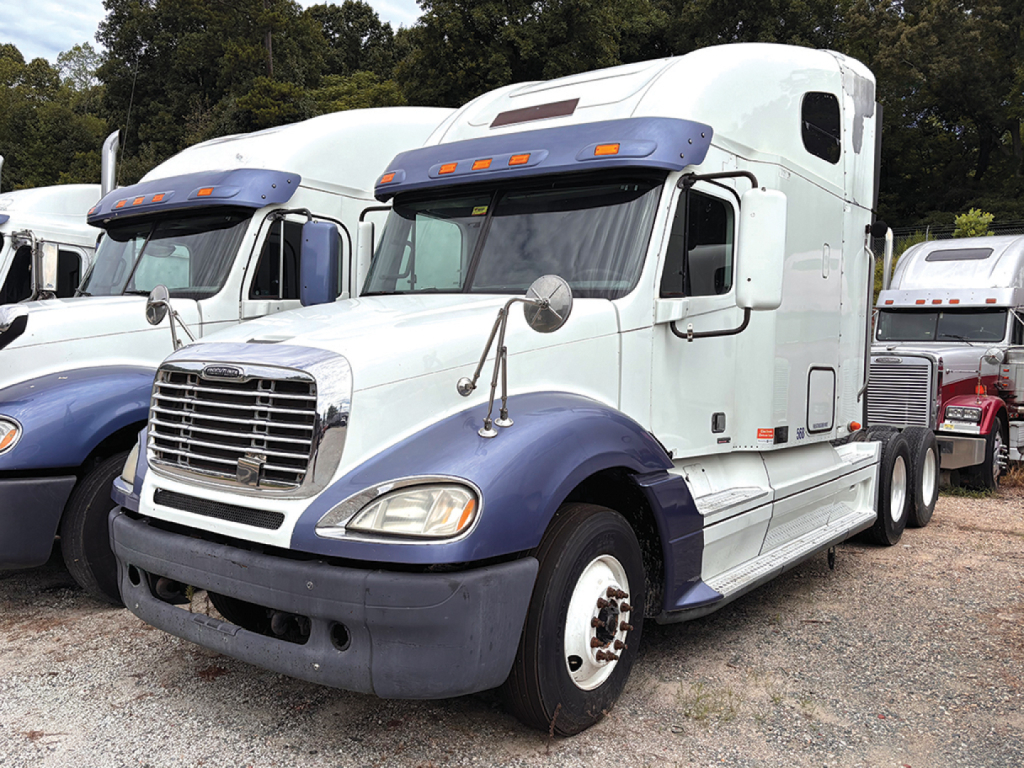
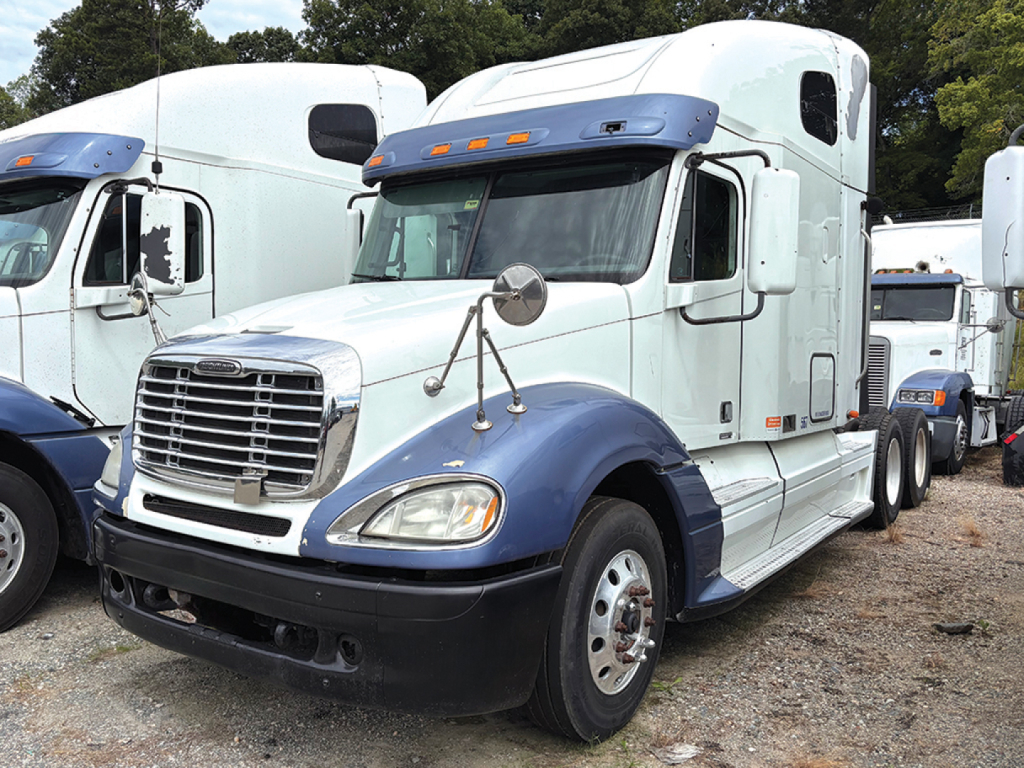

Have 2012 conventional sleeper truck to sell? List it here to reach thousands of buyers.
2012 Conventional Sleeper Trucks in North Carolina
The biggest buying decision on a 2012 conventional sleeper is usually the spec match between engine, transmission, rear ratio, and wheelbase. Many trucks from this year were built with 13-speed or 18-speed manuals, though some automated and automatic options are also in the market. Rear axle ratings around 40,000 pounds are common, and ratios like 2.64, 3.36, or 3.55 can dramatically change how the truck performs on the highway or in heavier pull applications. A tall ratio can favor fuel mileage and lower cruise RPM, while a deeper ratio helps with starts, grades, and vocational crossover work. Buyers should also look at suspension type, including air ride or air leaf, along with fifth wheel style, kingpin setting needs, and tire size such as 22.5 low-pro or 24.5 rubber.
For sleeper buyers, the cab matters beyond the bunk measurement. A 63-inch, 70-inch, or 72-inch sleeper can fit very different operating styles depending on how often the driver stays out and how much interior storage is needed. Raised-roof sleepers improve stand-up room and upper bunk utility, while flat-top sleepers may suit fleets prioritizing lower overall height or a cleaner traditional profile. Common features in this category include dual fuel tanks, engine brakes, cruise control, tilt and telescoping steering, bunk heaters, APU prep or installed APUs, and sliding fifth wheels. On aerodynamic models, side fairings, cab extenders, and horizontal exhaust help reduce drag. On long-hood trucks, buyers often trade some aerodynamic efficiency for appearance, service access, and owner-operator appeal.
A 2012 model year also deserves extra attention to emissions system history, maintenance records, and chassis condition. On any used conventional sleeper, it is smart to review engine hours, idle time, aftertreatment service, clutch life on manual units, transmission calibration on automated units, differential condition, and signs of frame modifications. In North Carolina, many buyers also think about lane profile and freight mix, from long interstate runs on I-40 and I-85 to port-related and regional freight that may benefit from a shorter wheelbase and easier maneuverability. The right truck in this category is not just a make or hood style decision. It is a spec decision tied directly to payload, trailer type, fuel burn, driver comfort, and cost per mile.
Frequently Asked Questions about 2012 Conventional Sleeper Trucks in North Carolina
What should I look for first when buying a 2012 conventional sleeper truck?
Start with the drivetrain spec and make sure it matches the work. Engine horsepower, torque rating, transmission type, rear axle ratio, and wheelbase affect startability, cruise RPM, fuel economy, and trailer compatibility. After that, evaluate sleeper size, emissions system service history, mileage versus engine hours, and the condition of major wear items such as tires, brakes, suspension components, and the fifth wheel.
Are 2012 conventional sleeper trucks good for long-haul use?
Yes, many 2012 conventional sleeper trucks were built specifically for over-the-road service. This model year commonly includes 63-inch to 72-inch sleepers, larger fuel capacity, air ride suspensions, engine brakes, and highway-oriented gearing. The key is choosing a spec that supports your route structure, cargo weight, and driver comfort needs rather than judging the category by model year alone.
What sleeper size is best on a conventional sleeper truck?
The best sleeper size depends on how the truck will be used. A 63-inch sleeper can work well for shorter multi-day runs or fleets that want to keep wheelbase manageable. A 70-inch or 72-inch sleeper usually provides better storage, more living space, and improved comfort for extended over-the-road use. Raised-roof sleepers add stand-up room and often make the upper bunk more practical.
Is a manual or automatic transmission better in a 2012 sleeper truck?
A manual transmission can offer strong driver control, broad service familiarity, and good performance in heavy-haul or mountain applications when paired with the right rear ratio. An automated or automatic transmission can reduce driver fatigue, improve shift consistency, and broaden the pool of available drivers. The better choice depends on driver preference, terrain, maintenance support, and the type of freight the truck will pull.
How important is rear axle ratio on a conventional sleeper?
Rear axle ratio is one of the most important specs on a highway tractor because it directly affects cruise speed, fuel mileage, gradeability, and launch performance. A faster ratio such as 2.64 can favor fuel-efficient highway operation with the right engine and transmission. A deeper ratio such as 3.55 generally helps in heavier applications, hillier routes, and frequent stop-and-start work. Buyers should compare the ratio with tire size, transmission overdrive, and expected gross combination weight.