
2005 Conventional Sleeper Trucks For Sale
Shop 2005 conventional sleeper trucks with common long-haul specs, sleeper sizes, drivetrain options, and buyer tips for used road tractors.
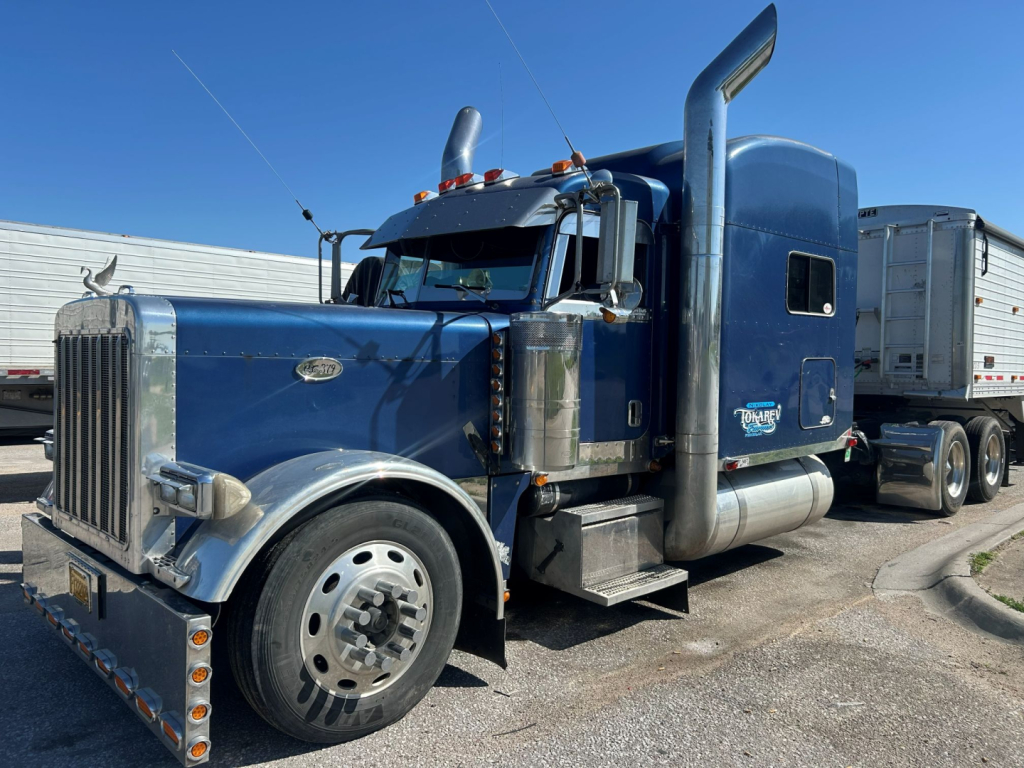
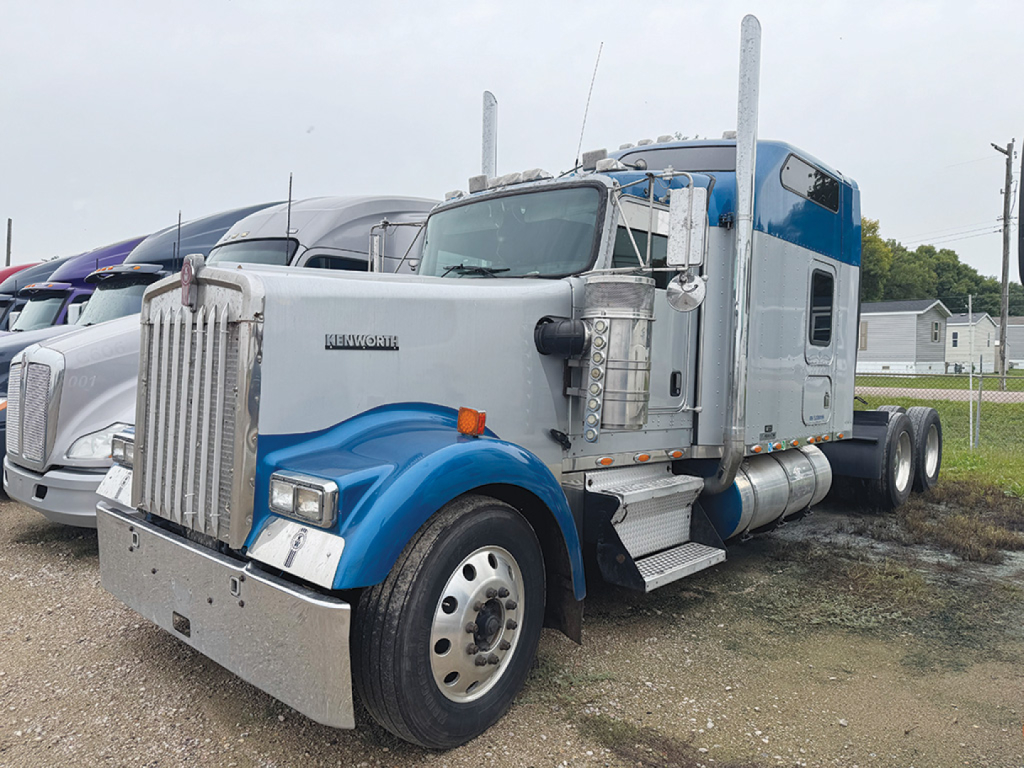
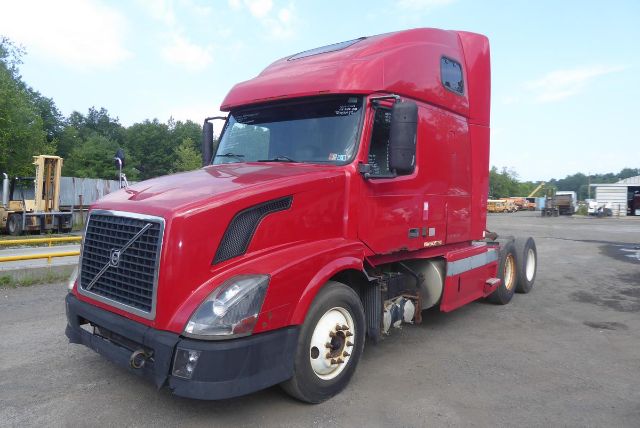
Selling a 2005 conventional sleeper truck? List your 2005 conventional sleeper truck for sale and reach thousands of commercial buyers.
2005 Conventional Sleeper Trucks
The biggest buying decision on a 2005 sleeper truck is usually emissions era, engine family, and transmission spec. Many 2005 road tractors fall into the pre-DPF period, which appeals to buyers looking for simpler exhaust aftertreatment systems and less emissions-related downtime than later trucks. That does not eliminate the need for careful inspection. Service records, overhead history, oil sample results, blow-by condition, coolant quality, and ECM data matter more than badge or horsepower claims. Expect common ratings in the 400 to 500 horsepower range, with torque matched to linehaul work, heavier regional pulls, or specialized freight. Rear axle ratios often land in the fuel-economy-to-pulling-power balance point, so it is worth matching the ratio, tire size, and transmission top gear to your typical gross weight and cruising speed.
Sleeper layout and chassis spec can have a direct effect on revenue and driver retention. A mid-roof or raised-roof 2005 conventional sleeper may come with a 60-inch to 72-inch sleeper, dual tanks, fairings, and air ride suspension, while more basic fleet builds may be lighter on driver amenities. Buyers should pay attention to bunk configuration, HVAC performance, inverter provisions, storage, and the condition of cab mounts, seat bases, dash components, and sleeper seals. On the chassis side, look closely at frame condition, suspension wear, brake type, steering play, differential noise, tire wear patterns, and kingpin setting flexibility if trailer mix varies. If the truck will stay in long-haul service, aerodynamics, fuel capacity, and ride quality usually matter more than cosmetic upgrades.
For many operators, a 2005 conventional sleeper truck makes sense as a dedicated lane tractor, a backup road unit, or an owner-operator truck where mechanical simplicity and lower capital exposure are more important than the newest technology. The best fit depends on how the truck was spec'd and maintained. A clean 2005 model with the right engine, documented service history, solid driveline, and a usable sleeper can still be an effective platform for general freight, agricultural hauling, flatbed work, and regional runs. Buyers should also confirm compliance requirements in the states and ports they run, since emissions and registration rules can affect where an older sleeper tractor can work profitably.
Frequently Asked Questions about 2005 Conventional Sleeper Trucks
What engine and transmission combinations are common in a 2005 conventional sleeper truck?
Most 2005 conventional sleeper trucks were built with linehaul engines from Detroit Diesel, Caterpillar, Cummins, Volvo, or Mack, usually in the 400 to 500 horsepower range. Manual Eaton Fuller 10-speed, 13-speed, and 18-speed transmissions are common, with some early automated manual setups also appearing in this model year. The right combination depends on route profile, gross weight, driver preference, and rear axle ratio.
Is a 2005 conventional sleeper truck pre-emissions?
Many 2005 conventional sleeper trucks are from the pre-DPF era, which is one reason they remain attractive in the used market. That said, emissions configuration still needs to be verified by engine family and build spec, especially if the truck has had repowers, deletes, or other changes over time. Buyers should confirm current compliance status and understand any state or port restrictions before putting an older truck into service.
What should I inspect first on a used 2005 sleeper tractor?
Start with the engine, transmission, differentials, frame, and suspension because those systems drive repair cost and uptime. Review maintenance records, pull ECM data, check for excessive blow-by, inspect coolant and oil condition, and listen for driveline noise during a road test. After that, inspect the sleeper, HVAC, bunk hardware, fuel tanks, fairings, tires, brakes, and electrical system, since age-related wear in those areas can add up quickly.
What sleeper sizes are typical on a 2005 conventional sleeper?
A 2005 conventional sleeper truck commonly has a 60-inch to 72-inch sleeper, although smaller and larger configurations can also be found depending on make and intended application. Mid-roof and raised-roof sleepers were both common in this period. The right size depends on how many nights the truck stays out, how much storage is needed, and whether driver comfort is a priority for the operation.
Is a 2005 conventional sleeper truck a good choice for long-haul work?
It can be, if the truck has a sound maintenance history, the right drivetrain for the lane, and a sleeper configuration that supports the driver schedule. Older highway tractors can still perform well in long-haul service when the engine, cooling system, suspension, and cab components have been properly maintained. The main consideration is balancing lower purchase cost against the higher likelihood of age-related repairs and any operating restrictions tied to emissions rules.