
2004 Conventional Sleeper Trucks For Sale
Compare 2004 conventional sleeper trucks for sale by engine generation, axle gearing, sleeper layout, maintenance records, and regional emissions rules.
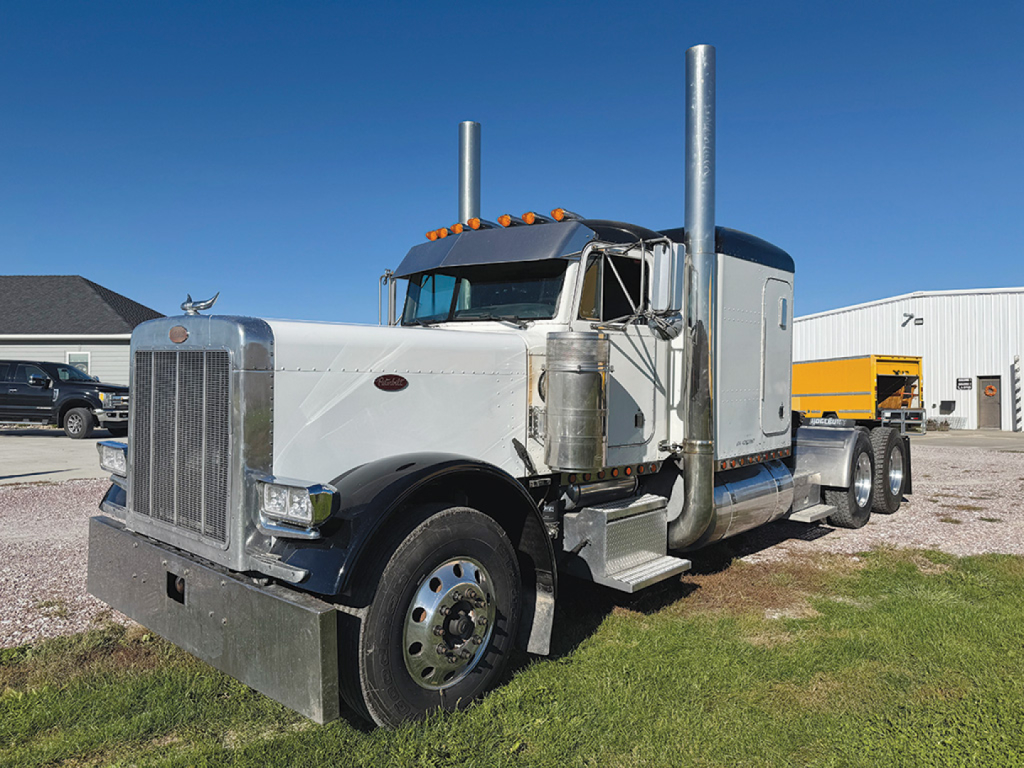
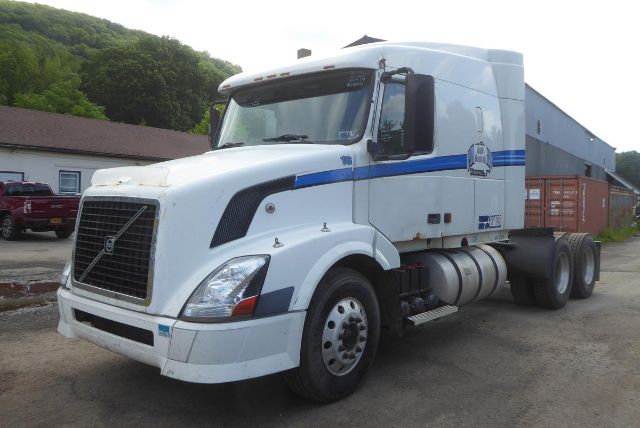

Selling a 2004 conventional sleeper truck? List your 2004 conventional sleeper truck for sale and reach thousands of commercial buyers.
2004 Conventional Sleeper Trucks
Peterbilt 379 and Kenworth W900 or T800 sleepers commonly used Caterpillar C15 or Cummins ISX power, while Freightliner Columbia and Century Class tractors often carried Detroit Series 60 engines. Mercedes-Benz MBE 4000 power also belongs to this Freightliner era, and Volvo VNL sleepers used Volvo D12 or Cummins ISX engines. Verify the installed drivetrain rather than assuming original specifications. Ten-speed manuals suit many highway assignments; thirteen- and eighteen-speed transmissions provide closer ratio choices for changing grades and loads. Long wheelbases and large bunks improve living space but add weight and turning-room requirements.
Require a cold start, a loaded road test, and invoices identifying any engine overhaul, transmission work, or differential replacement. Compare odometer readings with ECM mileage and hours, service records, and wear at the pedals and fifth wheel. Check cooling-system pressure, crankcase blow-by, turbo plumbing, clutch engagement, shift quality, and driveline vibration. Two decades of service also warrant close inspection of frame rails, crossmembers, cab mounts, air lines, suspension bushings, and fifth-wheel mounts. Sleeper leaks, weak bunk heat, and aging air conditioning can turn an otherwise sound used tractor into a costly living-space repair.
If a 2004 tractor is represented as new or unused, verify title history, storage maintenance, and written warranty coverage rather than assuming current factory benefits. Calendar age still affects tires, seals, hoses, and batteries, so unused condition does not eliminate recommissioning work. Confirm whether the 12% US federal excise tax applies to a qualifying first retail sale; model year alone does not determine tax treatment.
Regional suitability can decide the purchase before horsepower does. Most diesel trucks over 26,000 pounds GVWR operating under California's Truck and Bus Regulation need a 2010-or-newer engine, subject to applicable exemptions and compliance provisions. Verify eligibility before assigning a 2004 tractor to California routes. Across the northern United States and Canada, inspect salt-exposed wiring, brake hardware, and frame areas; cold-weather service calls for dependable starting aids and bunk heat. Mountain work emphasizes engine-brake performance and cooling capacity, while Canadian provincial axle and weight rules must be checked against the complete tractor-trailer configuration.
Frequently Asked Questions about 2004 Conventional Sleeper Trucks
Is a 3.55 rear axle ratio good for a 2004 sleeper tractor?
A 3.55 rear axle ratio can suit highway work when transmission top gear and tire size put the engine in its recommended cruise-rpm range. On a 2004 conventional sleeper tractor, compare the complete gearing package rather than choosing by axle ratio alone. Larger tires, direct-drive versus overdrive transmissions, frequent grades, and loaded starts can change the best choice substantially.
Can I trust the ECM mileage on a 2004 sleeper truck?
ECM mileage alone is not reliable proof of total chassis mileage on a 2004 sleeper truck. An ECM replacement, engine swap, or programming change can interrupt the recorded history. Ask a qualified technician to identify the installed engine and ECM, review available operating totals, and compare those figures with dated maintenance invoices and inspection records. Document unexplained discrepancies before buying.
Do 46,000-pound rear axles let a sleeper tractor legally haul more weight?
A 46,000-pound tandem rating does not automatically increase legal payload; the standard US Interstate tandem limit is 34,000 pounds, subject to applicable exceptions. Heavier-rated axles provide component capacity, not blanket permission to exceed road limits. A 2004 sleeper tractor must also satisfy tire ratings, axle spacing, bridge-formula limits, and registered weight. Canadian limits vary by province and combination configuration.
Can a flat-top 2004 sleeper tractor pull a 53-foot dry van?
Yes, a flat-top 2004 sleeper tractor can pull a 53-foot dry van when the fifth wheel, axle loading, and trailer clearances are suitable. Sleeper roof height does not determine coupling compatibility. A low roof without a properly matched fairing can increase aerodynamic drag behind a tall van. Check trailer swing clearance around exhaust stacks, cab accessories, and any headache rack.
Does a 2004 sleeper truck need an APU for overnight parking?
No, an APU is not required simply because a sleeper tractor is a 2004 model, but overnight heating, cooling, and electrical loads need a workable power plan. Compare an APU with battery-powered cooling, shore power, and fuel-fired bunk heat for the intended routes. Inspect charging capacity, battery condition, and installation wiring, and verify local idling restrictions before relying on the main engine overnight.