
2000 Conventional Sleeper Trucks For Sale in North Carolina
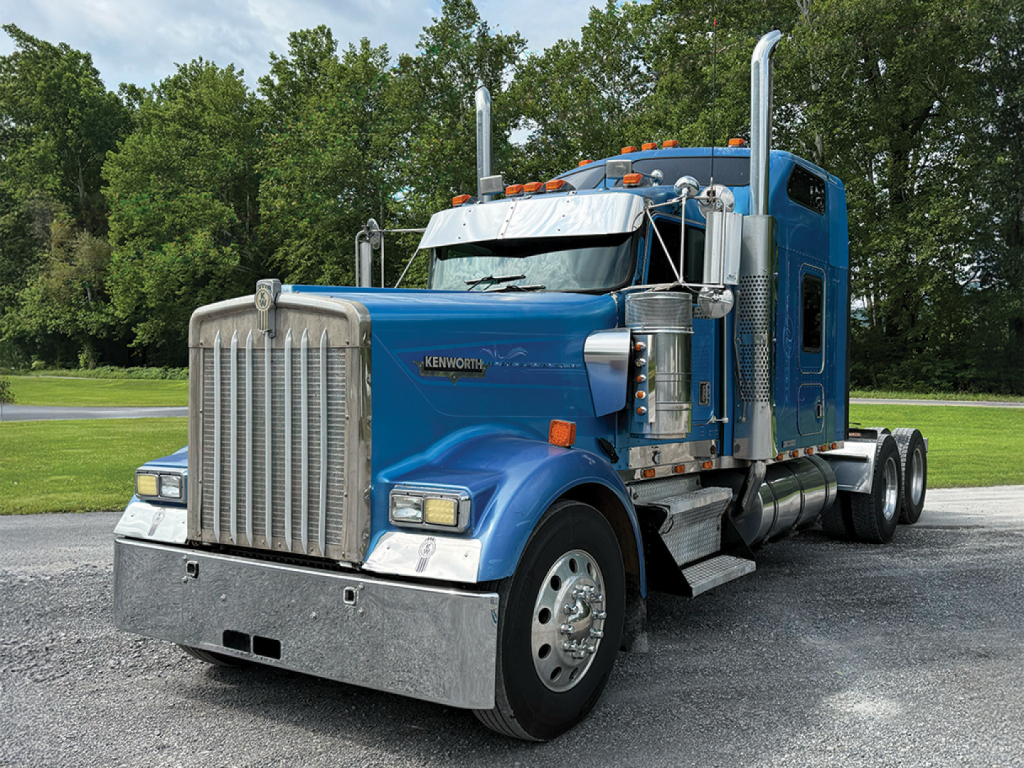
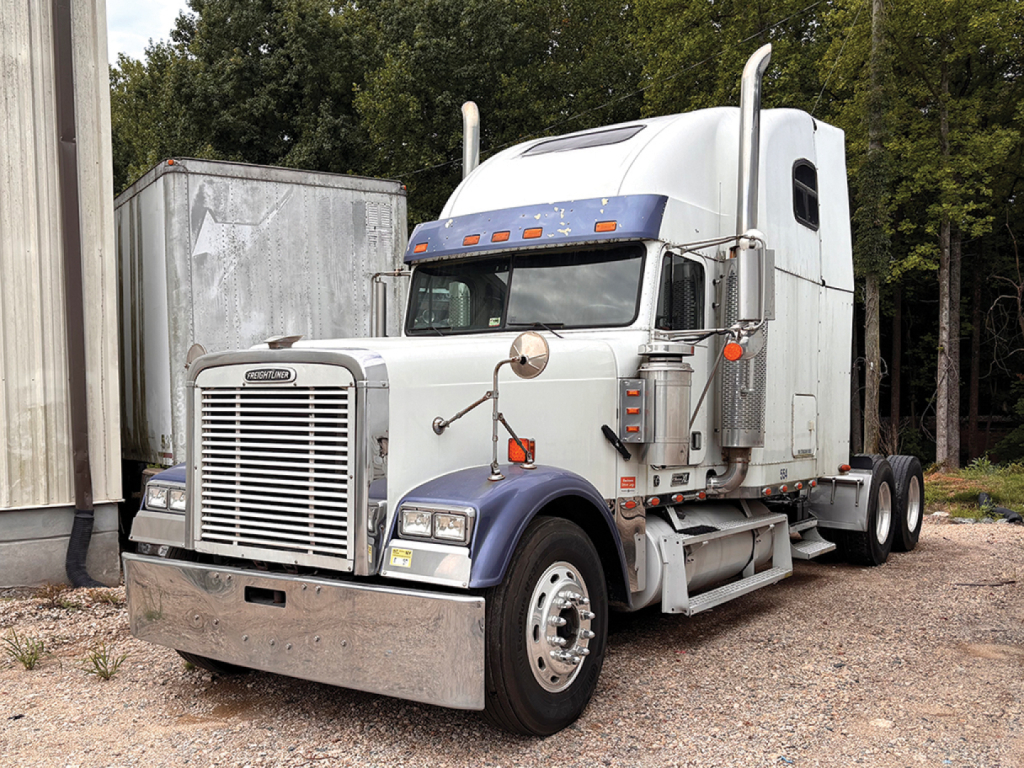
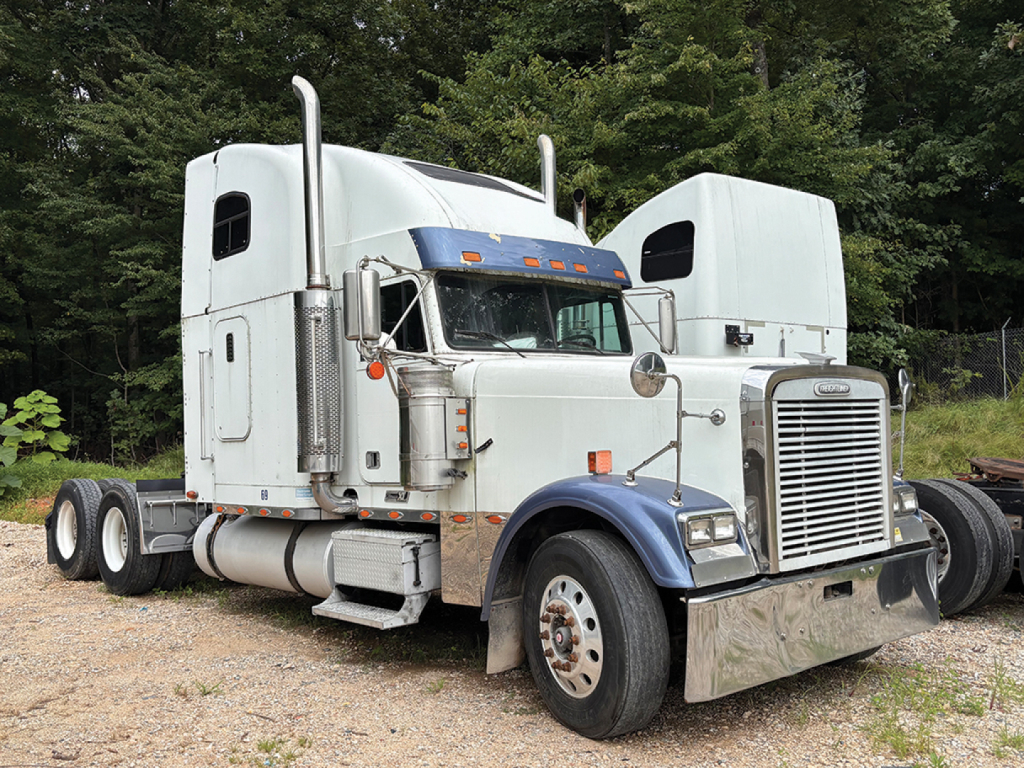
Have 2000 conventional sleeper truck to sell? List it here to reach thousands of buyers.
2000 Conventional Sleeper Trucks in North Carolina
The biggest buying decisions usually start with engine, transmission, and rear axle ratio. Many 2000 conventional sleepers were spec'd with engines in the 400 to 500 horsepower range from Caterpillar, Cummins, Detroit Diesel, or Mack, often paired with 10-speed, 13-speed, or 18-speed manual transmissions. Common applications include dry van, reefer, flatbed, hopper, and general long-haul freight. A lower numerical rear ratio can favor fuel mileage on interstate work, while a deeper ratio is often preferred for heavier loads or more regional routes. Suspension type, wheelbase, and fifth wheel position also affect trailer compatibility, bridge law flexibility, and ride quality.
Sleeper size and cab layout are just as important as the powertrain. On a 2000 conventional sleeper, you will commonly see mid-roof and raised-roof sleepers with room for a bunk, storage cabinets, and basic driver amenities. Dual fuel tanks, fairings, air ride suspension, engine brakes, and sliding fifth wheels are all common spec points in this category. In North Carolina, many buyers use these trucks for East Coast lanes where a balance of maneuverability and highway comfort is important. Cooling system condition, frame integrity, suspension bushings, brake type, and signs of prior engine or transmission work deserve close inspection on any truck of this age.
A well-matched 2000 sleeper tractor can still make sense for an owner-operator, farm operation, export buyer, or small fleet that values mechanical simplicity over newer electronics. The key is to buy by spec and condition, not just by make or mileage. Check sleeper functionality, tire and wheel condition, service records, axle ratings, and any evidence of rebuilds or replacement components. On older conventional sleeper trucks, maintenance history often tells you more than the odometer.
Frequently Asked Questions about 2000 Conventional Sleeper Trucks in North Carolina
What is a conventional sleeper truck?
A conventional sleeper truck is a highway tractor with the engine mounted ahead of the cab and a built-in sleeping compartment behind the seats. It is designed for long-distance freight where drivers need rest space, added storage, and larger fuel capacity than a day cab typically provides.
Why do some buyers look specifically for a 2000 conventional sleeper truck?
Many buyers target a 2000 model year sleeper because it can offer a simpler pre-emissions design compared with later trucks. That can mean fewer aftertreatment components and a more mechanical operating feel, but it also makes condition, service history, and prior repairs much more important in the buying decision.
What specs matter most on an older sleeper tractor?
The most important specs are engine make and horsepower, transmission type, rear axle ratio, suspension, wheelbase, axle ratings, and sleeper size. On an older truck, buyers should also verify brake condition, tire age, frame and cab corrosion, cooling system health, clutch life, and the quality of any engine or transmission overhaul.
Are 2000 conventional sleeper trucks good for long-haul freight?
They can be, provided the truck is properly spec'd and has been maintained well. A 2000 conventional sleeper with the right gearing, adequate horsepower, a functional bunk, and solid fuel capacity can still serve dry van, reefer, flatbed, and general freight work, especially for buyers who prioritize lower acquisition cost and mechanical simplicity.
What should a buyer inspect on a used 2000 sleeper truck in North Carolina?
A buyer should inspect the frame for rust and repairs, check for oil or coolant leaks, review ECM or service documentation if available, and test sleeper components such as HVAC, bunk hardware, and lighting. It is also smart to inspect suspension wear, steering play, driveline condition, kingpin setting flexibility, and overall signs of how the truck was used on regional or long-haul routes.