
2000 Conventional Sleeper Trucks For Sale
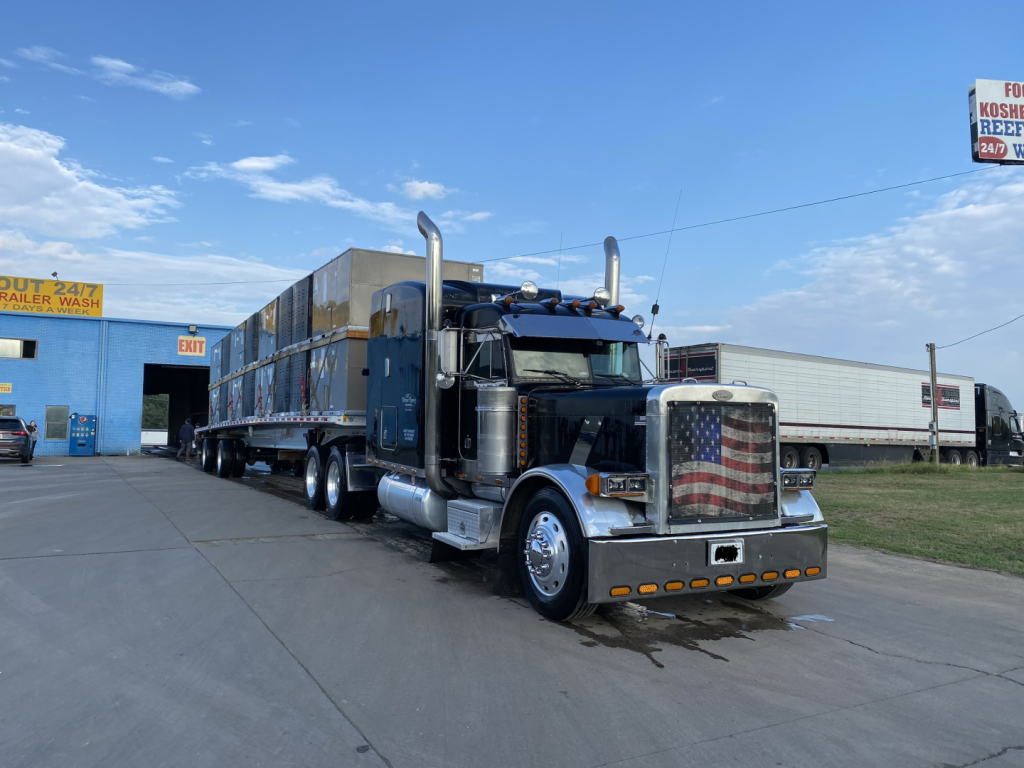
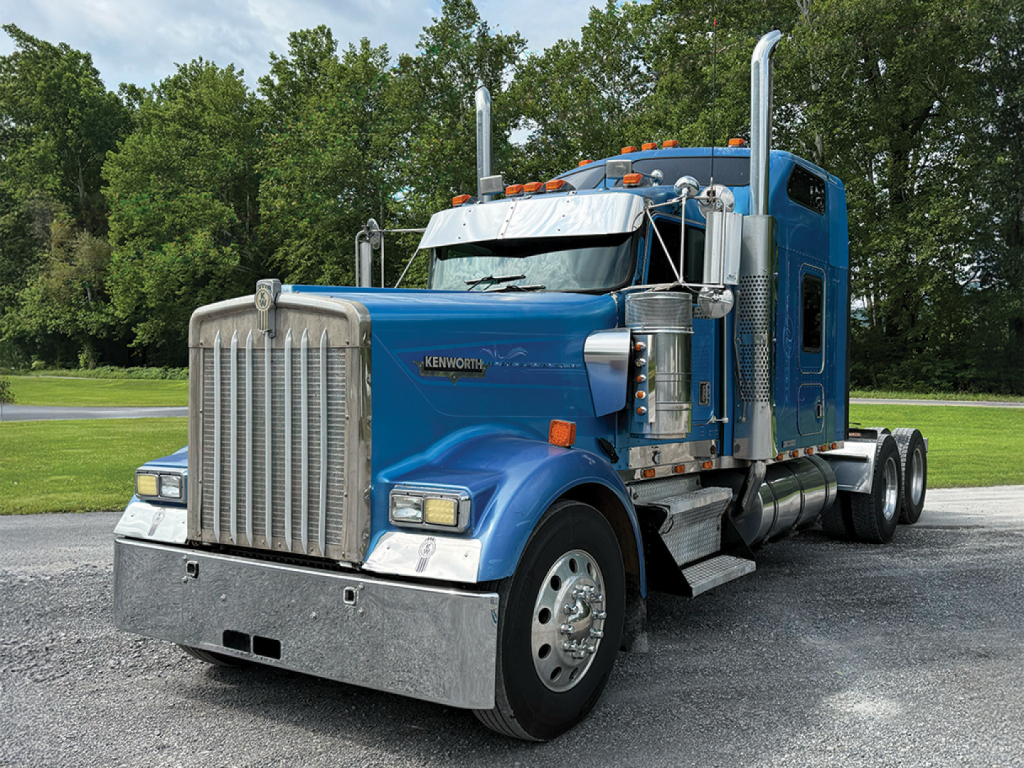
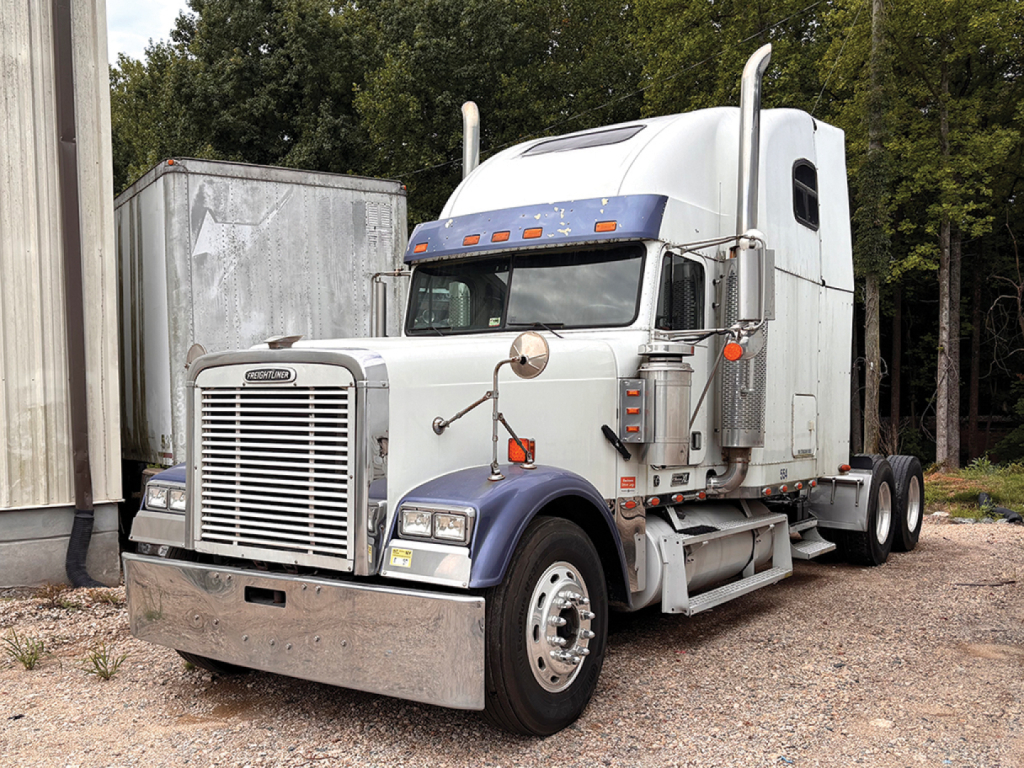
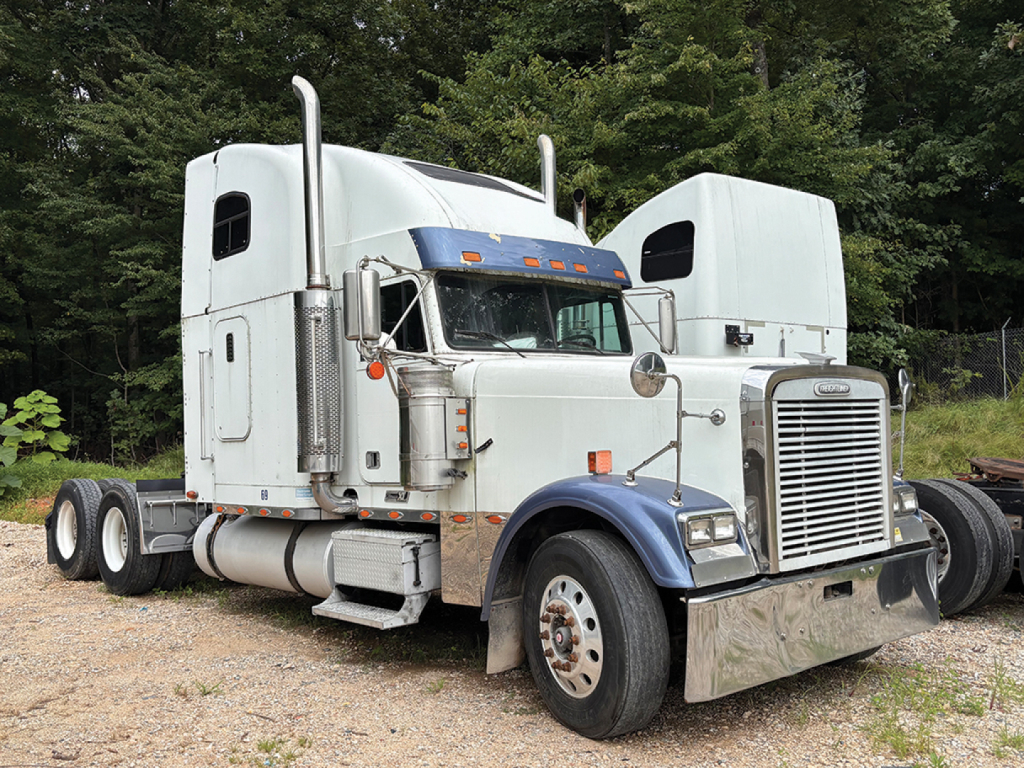
Have 2000 conventional sleeper truck to sell? List it here to reach thousands of buyers.
2000 Conventional Sleeper Trucks
Most 2000 conventional sleeper trucks were built for over-the-road freight and commonly use tandem drive axles, air ride suspension, and sleeper sizes ranging from about 48 inches to 70 inches or more. Typical engines from that era include Detroit Series 60, Caterpillar C10, C12, or C15, Cummins N14 or ISX, and similar heavy-duty platforms depending on make and spec. Horsepower often falls in the 350 to 500 HP range, with 10-speed, 13-speed, or 18-speed manual transmissions being common, though some units may have automated or fleet-oriented specs. Rear axle ratios, wheelbase, and fifth wheel position should match the work. A truck set up for van freight and fuel economy will feel very different from one spec'd for heavier pulls, bulk work, or mixed terrain.
Sleeper configuration deserves close attention because it affects both driver comfort and payload flexibility. Raised roof and mid-roof sleepers from this era can vary widely in storage, bunk layout, HVAC performance, and insulation. Buyers should also look at fuel tank capacity, fairings, cab extenders, and overall aero package if the truck will still see interstate miles. On a 2000 model, age-related items can be just as important as mileage. Wiring repairs, dash and HVAC controls, air system leaks, steering play, kingpins, bushings, and signs of corrosion around cab mounts and crossmembers should all be inspected carefully. If the truck has been converted, rebuilt, or used as a glider-style platform at some point, verify exactly what components were replaced and how the title and VIN history read.
For buyers comparing multiple 2000 conventional sleeper trucks for sale, the best value usually comes from matching the truck's original spec to the intended lane and load profile. A lighter fleet spec may be fine for dry van or reefer work on flatter routes, while a heavier vocational-leaning sleeper tractor may be better suited for agriculture, hopper, flatbed, or equipment hauling. Maintenance records, engine overhaul documentation, transmission and differential history, and tire and brake condition can quickly outweigh a small difference in price. A well-kept 2000 conventional sleeper can still be a practical truck when the drivetrain is sound, the suspension is tight, and the sleeper and cab have been maintained for real road use.
Frequently Asked Questions about 2000 Conventional Sleeper Trucks
What should I look for first when buying a 2000 conventional sleeper truck?
Start with the drivetrain, frame, and service history. On a 2000 model, engine condition, transmission operation, differential noise, suspension wear, and air system integrity are usually more important than cosmetic appearance. Check for blow-by, fluid leaks, clutch condition if equipped with a manual, uneven tire wear, rust at crossmembers and cab mounts, and signs of past frame repairs. Documentation for overhauls or major component replacement adds real value on a truck of this age.
Are 2000 conventional sleeper trucks good for over-the-road use?
They can still work well in over-the-road service if the truck has been maintained properly and the spec fits the operation. Many 2000 conventional sleepers were built as highway tractors with adequate bunk space, dual fuel tanks, and tandem axle setups for van, reefer, and flatbed work. The biggest consideration is not the model year alone but how much life remains in the engine, transmission, cooling system, suspension, and sleeper systems.
What engines are common in a 2000 conventional sleeper truck?
Common engines in this model year include the Detroit Series 60, Caterpillar C-series engines such as the C12 or C15, and Cummins platforms like the N14 or early ISX depending on make and application. These engines were offered in a wide range of horsepower ratings and torque curves, so buyers should confirm the exact CPL, engine brake setup, and service background. Matching the engine to the rear ratio and transmission is important for fuel economy, cruising speed, and grade performance.
Is a manual transmission more common in a 2000 sleeper tractor?
Yes. Manual 10-speed, 13-speed, and 18-speed transmissions are very common in 2000 conventional sleeper trucks. Many buyers still prefer them for simplicity, serviceability, and control in specialized hauling or mixed terrain. The right transmission depends on the job. A 10-speed may suit general highway freight, while 13-speed and 18-speed setups are more desirable for heavier loads, mountain routes, or operations that need more flexibility in gearing.
How important are wheelbase and sleeper size on a 2000 conventional sleeper?
They are important because they affect maneuverability, ride quality, bridge law flexibility, and driver comfort. A longer wheelbase and larger sleeper can improve road comfort and onboard storage for long-haul work, but it may reduce maneuverability in tight docks or local applications. A smaller sleeper or shorter wheelbase may be better for regional runs or mixed-use operations. Buyers should compare wheelbase, kingpin setting, and sleeper layout against trailer length, axle weights, and the routes the truck will actually run.