
Used 2024 Volvo Conventional Daycab Trucks For Sale
Shop used 2024 Volvo conventional daycab trucks. Compare VNR specs, D13 power, wheelbase, axle ratios, and daycab fleet applications.
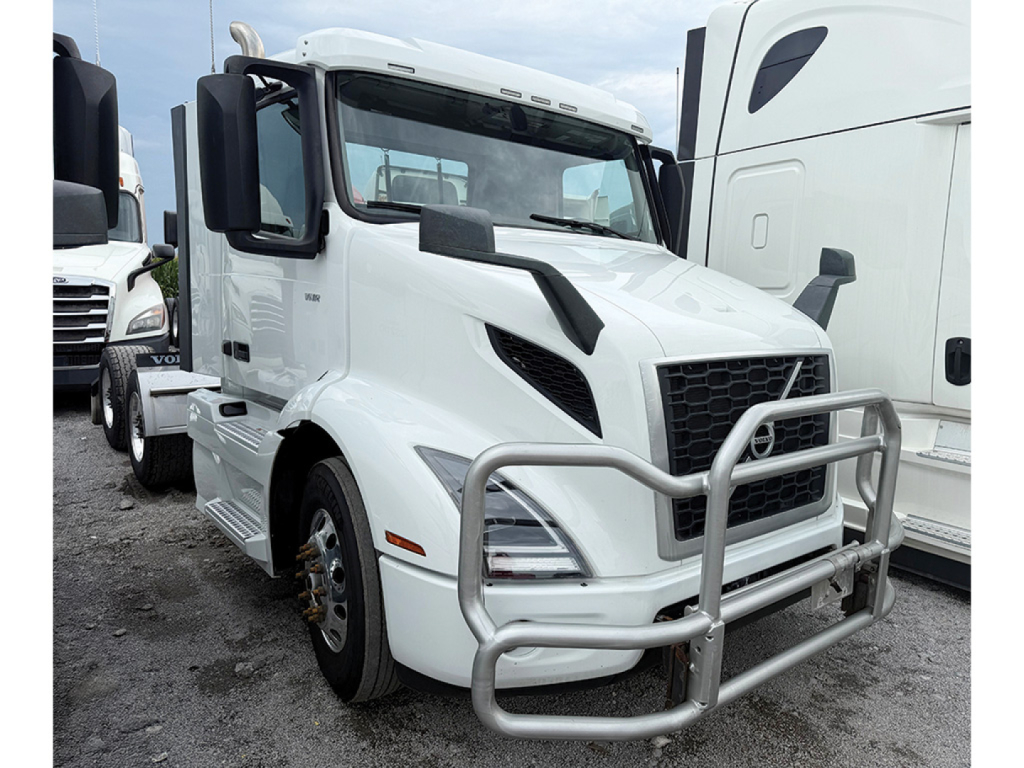
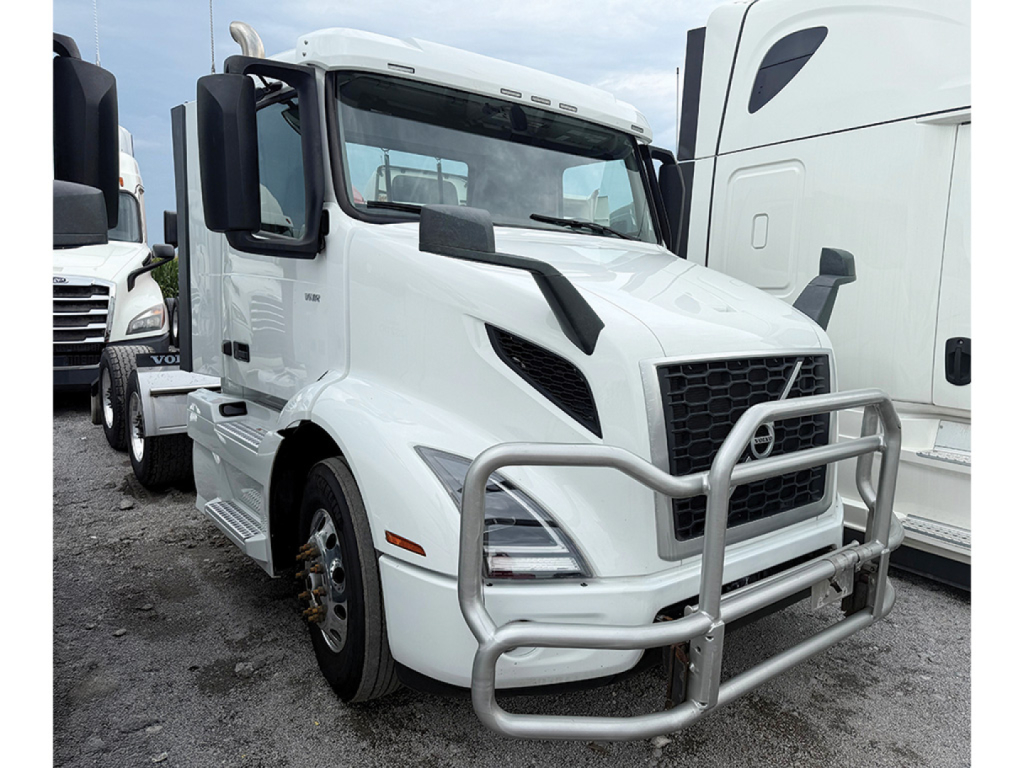
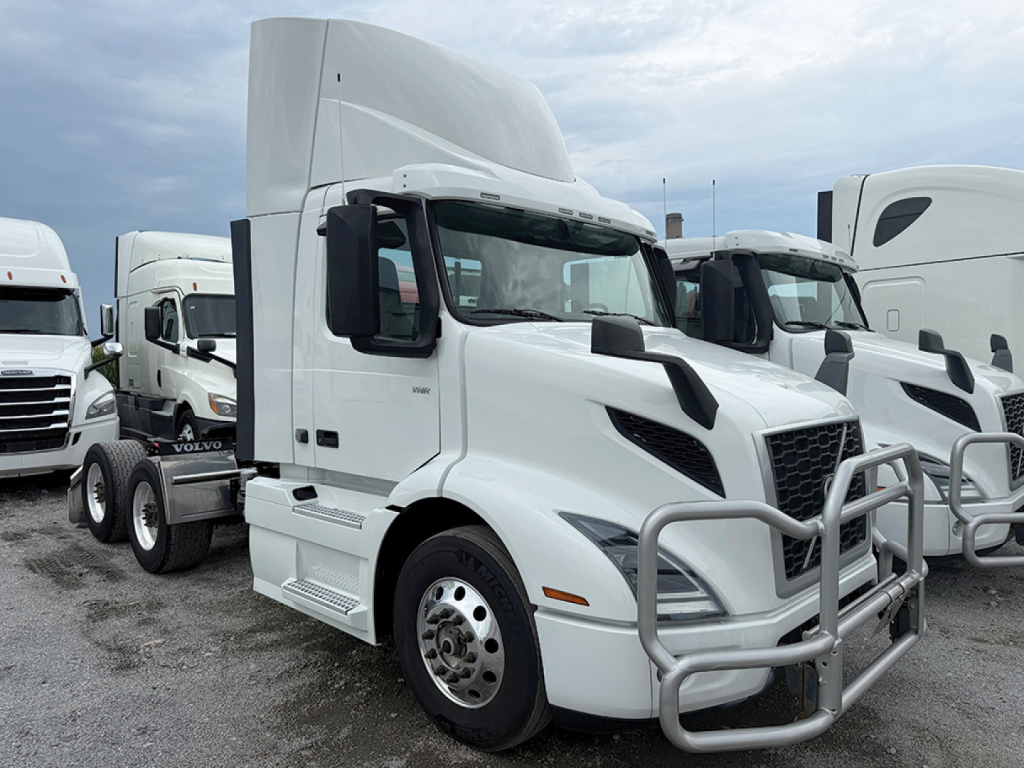
Looking for the easiest place to sell your used 2024 volvo conventional daycab truck? List it here to reach thousands of buyers.
Used 2024 Volvo Conventional Daycab Trucks
The main buying decisions usually start with engine, transmission, axle ratio, and wheelbase. Many Volvo daycabs in this segment are spec’d with the Volvo D13, often in the 405 to 425 horsepower range, paired with the Volvo I-Shift automated manual transmission. That combination is common because it balances fuel economy, launch performance, and driver acceptance across mixed regional routes. Rear axle ratings around 40,000 pounds, ratios in the mid-2s, air ride suspension, and wheelbases in the low-to-mid 170-inch range are typical specs for tandem axle tractors doing van, reefer, or container work. Buyers should also compare fifth wheel setup, including fixed versus air slide, because kingpin settings and trailer interchange requirements can change how useful the truck is in a mixed fleet.
A used 2024 Volvo conventional daycab should also be evaluated for cab and chassis details that affect operating cost. Disc brakes, low-profile 22.5 rubber, aluminum wheels, fairings, cab extenders, and fuel tank configuration all influence maintenance, weight, and efficiency. For city and regional applications, visibility, turning radius, and easy cab access are major strengths of the Volvo daycab platform. Interior features like tilt and telescoping steering, cruise control, HVAC performance, and ergonomic dash layout matter more than some buyers expect because these trucks often run multiple shifts or high-frequency delivery schedules. On trucks with advanced driver assistance systems, buyers should confirm camera, radar, and collision mitigation components are present and functioning, since replacement costs can be significant.
Condition still matters more than model year alone. Review maintenance history, aftertreatment service records, brake and tire wear, suspension condition, transmission calibration history, and any fault codes tied to emissions or safety systems. It is also smart to verify frame condition, wheel seal leaks, fairing damage, and signs of fifth wheel or pintle use that may indicate heavier-duty service. For buyers comparing used 2024 Volvo daycab trucks, the best value usually comes from matching the spec to the route: a short wheelbase and aggressive maneuverability for urban work, or a more highway-oriented aero spec with taller gearing for regional freight.
Frequently Asked Questions about Used 2024 Volvo Conventional Daycab Trucks
What is the most common application for a used 2024 Volvo conventional daycab?
A used 2024 Volvo conventional daycab is most commonly used for regional freight, local distribution, drayage, dedicated contract lanes, and LTL operations. The daycab layout removes sleeper weight and length, which improves maneuverability and makes the truck better suited for routes where the driver returns home daily. In Volvo’s conventional lineup, this type of truck is especially popular where fleets need a balance of fuel economy, tight turning, and comfortable driver ergonomics.
What specs should buyers compare first on a Volvo daycab?
The first specs to compare are engine rating, transmission model, rear axle ratio, wheelbase, suspension, and fifth wheel type. On many late-model Volvo daycabs, the D13 engine and I-Shift automated transmission are the core of the spec, but the axle ratio and wheelbase determine how the truck performs in city traffic versus highway regional service. Buyers should also confirm rear axle capacity, brake type, tire size, and fuel tank setup because those details affect payload, maintenance cost, and trailer compatibility.
Is a Volvo VNR daycab good for city and regional routes?
Yes. The Volvo VNR daycab is widely considered a strong choice for city and regional routes because it combines a relatively compact overall package with aerodynamic design and highway-capable powertrain options. It is easier to maneuver than a sleeper tractor, yet it still has the cab comfort, visibility, and drivetrain refinement needed for longer daily runs. That makes it a practical fit for operations that cross between urban delivery zones and regional interstate lanes.
What should I inspect on a used 2024 Volvo daycab before buying?
Inspect service records first, then verify the condition of the aftertreatment system, transmission operation, suspension, brakes, tires, and steering components. Buyers should scan for active or stored fault codes, check for uneven tire wear, air leaks, fluid leaks, and frame damage, and confirm the fifth wheel and slider operate correctly if equipped. On a 2024 truck, it is also important to check electronic safety systems, cameras, radar units, and calibration status because those components can be expensive to repair or replace.
Why do axle ratio and wheelbase matter on a conventional daycab?
Axle ratio and wheelbase have a direct effect on fuel economy, launch feel, maneuverability, and trailer handling. A shorter wheelbase usually helps in tight yards, docks, and city streets, while a longer wheelbase can improve ride quality and trailer tracking on regional highway runs. A faster rear ratio may favor fuel economy at cruising speed, while a deeper ratio can help with heavier starts or more demanding stop-and-go work. The right combination depends on route length, trailer type, and average payload.