
New Volvo Conventional Daycab Trucks For Sale in Washington
Shop new Volvo conventional daycab trucks in Washington. Compare VNL specs, axle setups, powertrain options, and fleet-ready regional haul features.
Learn moreNo exact matches found for your search
Showing New Conventional Daycab Trucks in Washington instead.

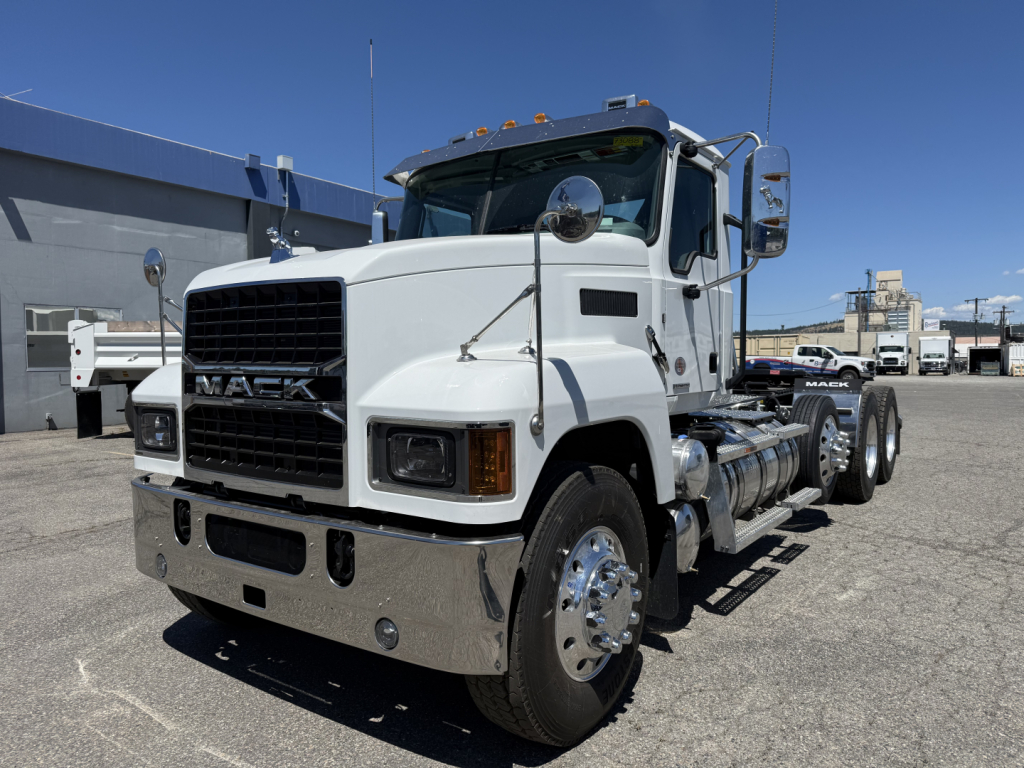
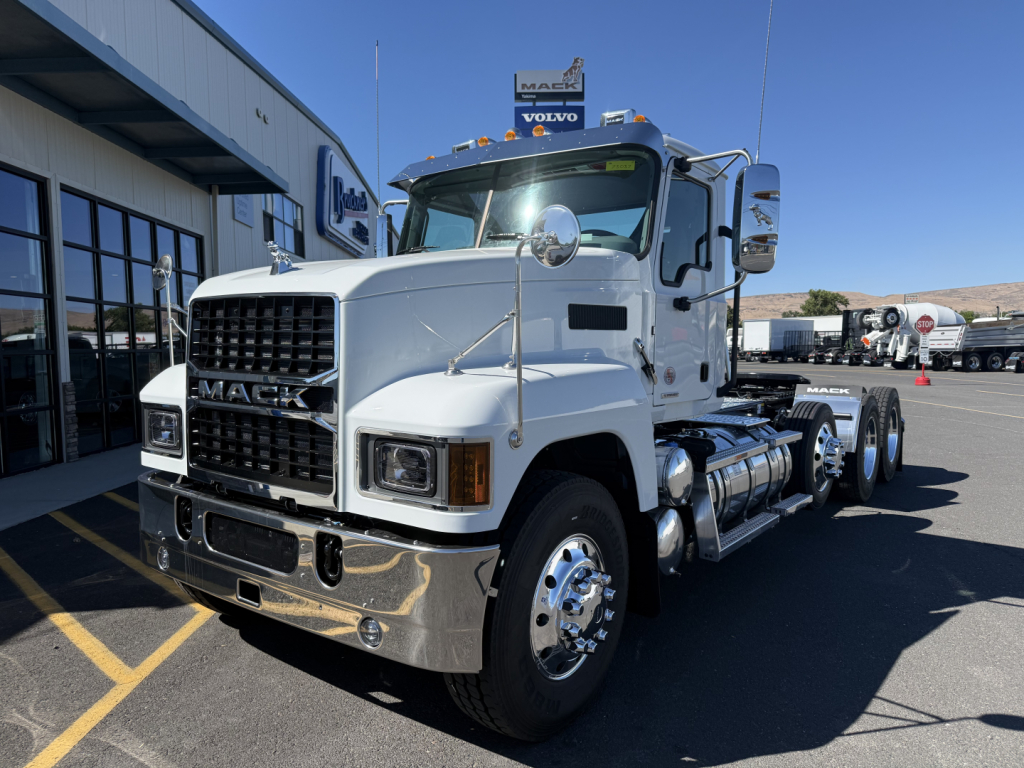
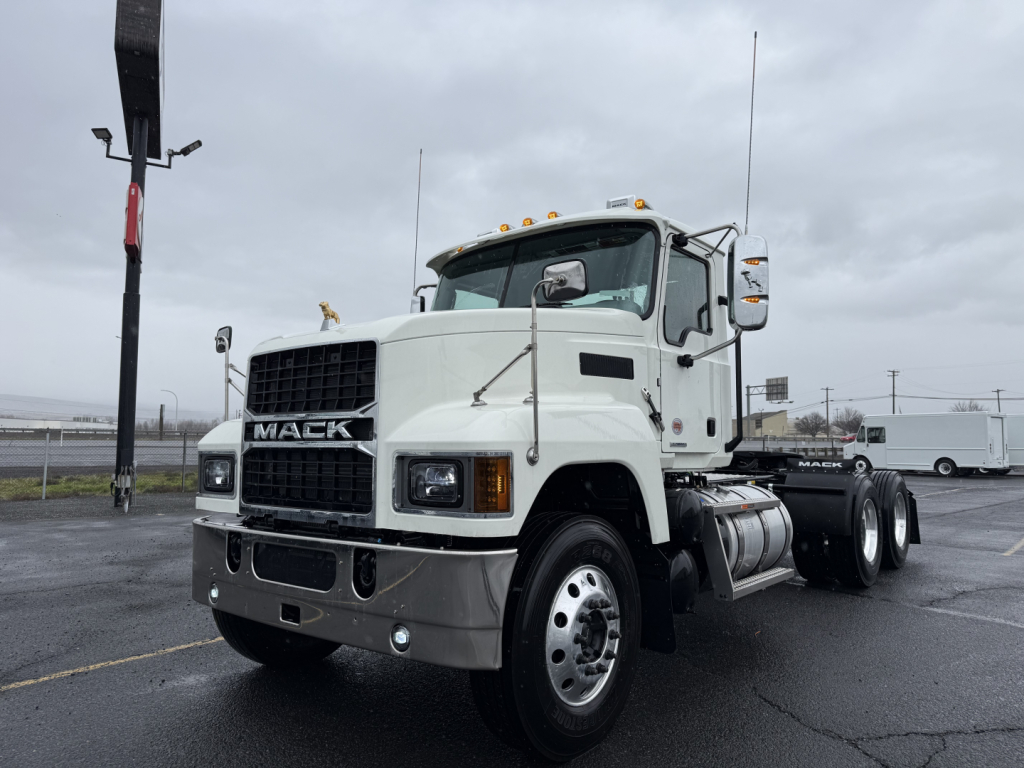
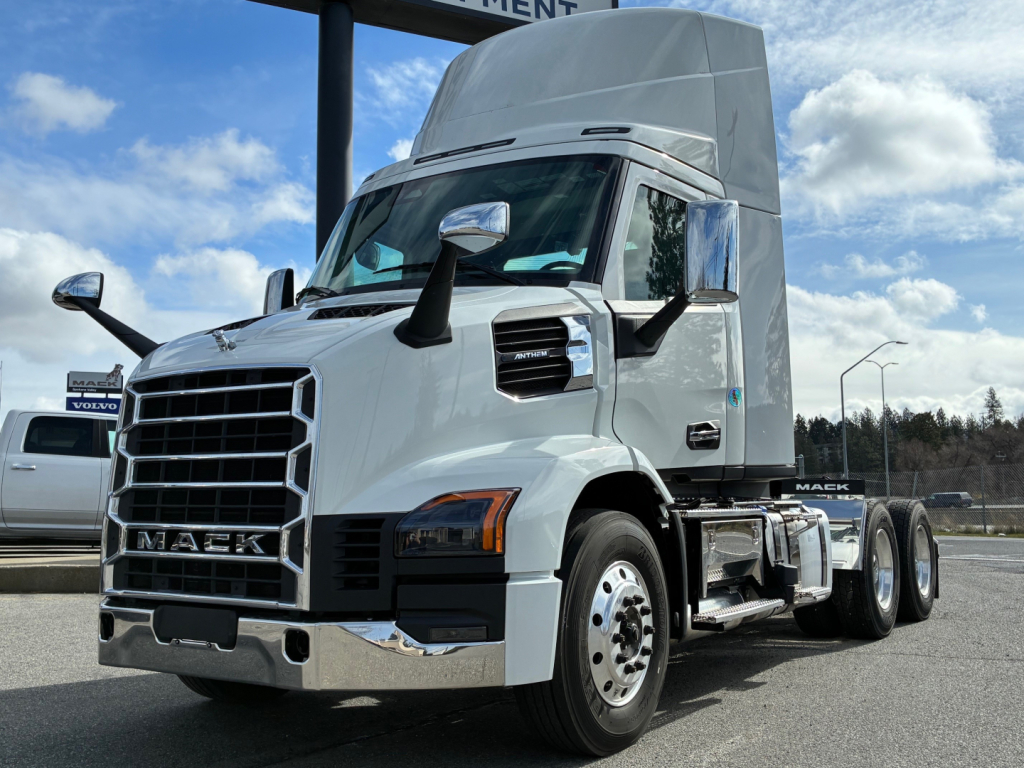
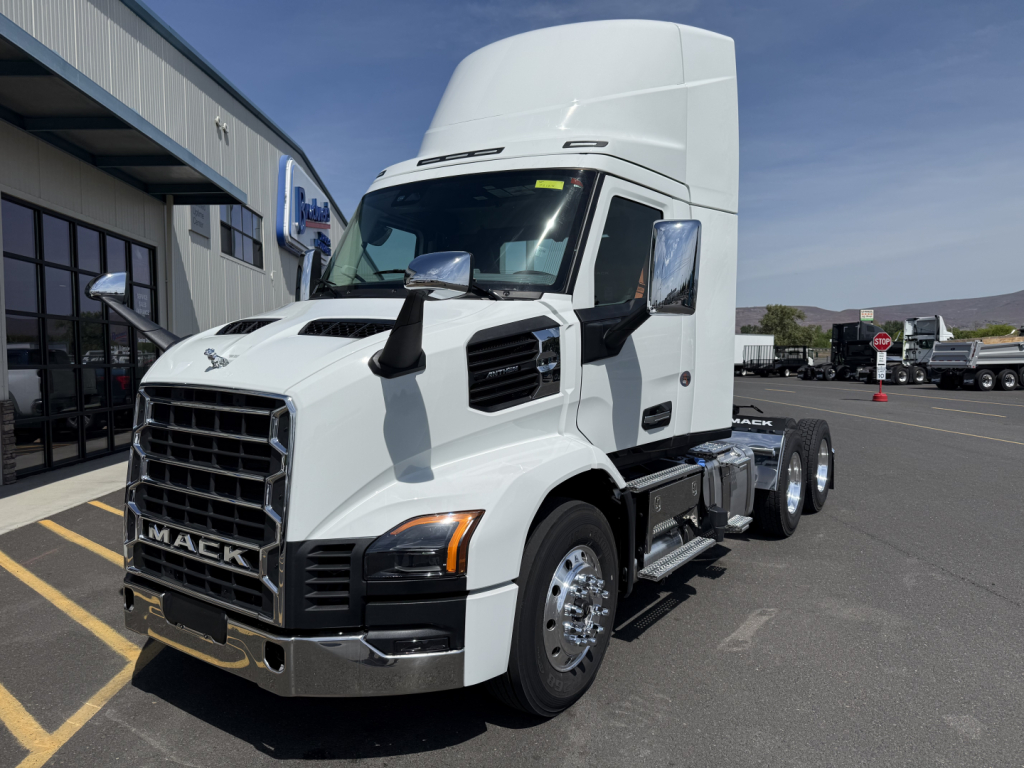
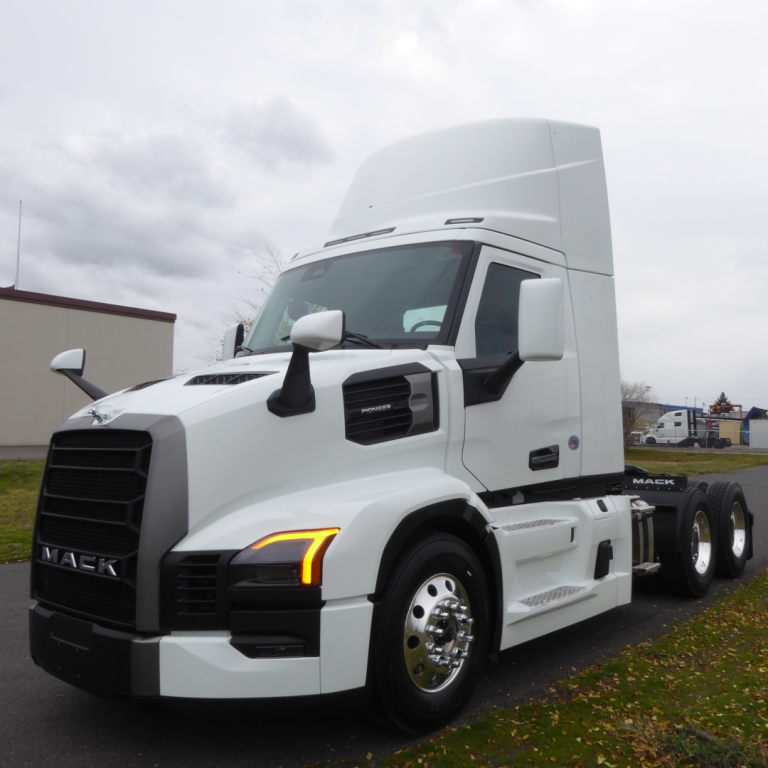
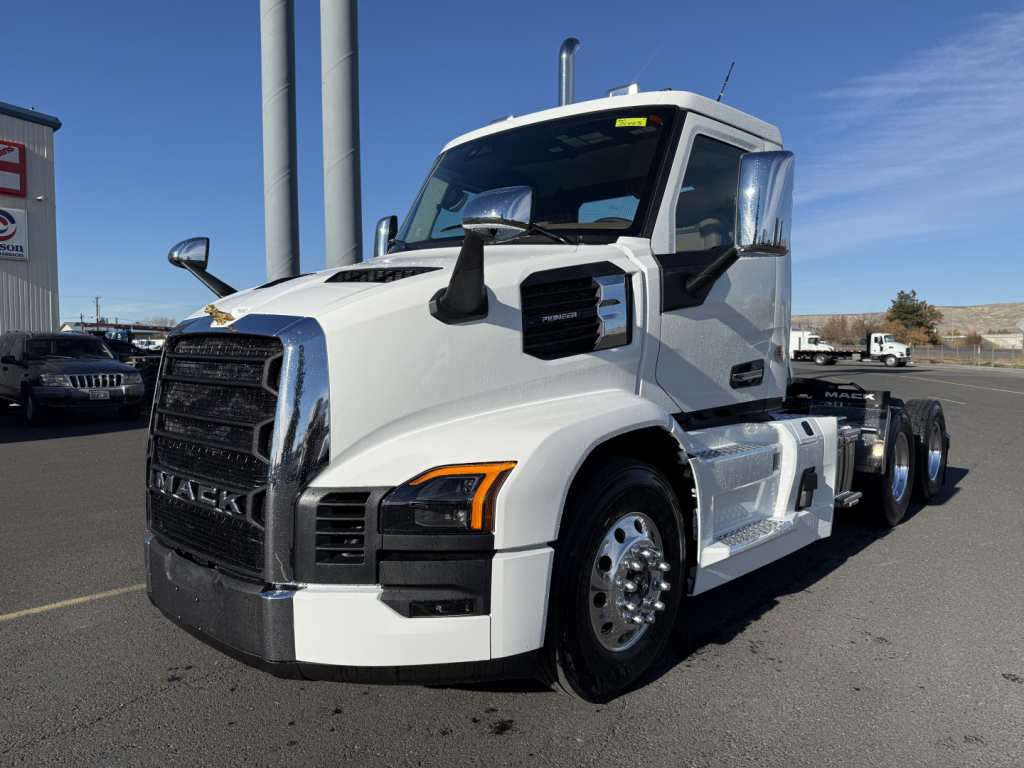
Have new volvo conventional daycab truck to sell? List it here to reach thousands of buyers.
About New Volvo Conventional Daycab Trucks in Washington
For most buyers, the main spec decisions start with axle configuration, wheelbase, and powertrain. A common setup is a tandem axle 6x4 daycab for general freight and heavier regional loads, though some operations may prefer a lighter 4x2 if payload and route conditions allow. Volvo conventional daycab trucks are often spec'd with Volvo D11 or D13 engines paired with the I-Shift automated manual transmission, a combination that appeals to fleets focused on fuel efficiency, predictable shifting, and easier driver onboarding. Rear axle ratio, horsepower, and suspension spec matter more than many buyers expect, especially in Washington where routes can range from flat interstate running to sustained climbs over Snoqualmie Pass or other grade-heavy corridors.
Cab ergonomics are a major reason buyers look at a Volvo daycab. The seating position, dash layout, and steering feel tend to suit high-frequency regional use where the driver is in and out of the truck and still spends a full day on the road. Features like collision mitigation, adaptive cruise, lane support systems, and integrated telematics are common on new models and can make a real difference in fleet safety and operating consistency. Buyers should also pay attention to frame layout, fuel tank placement, PTO readiness, and fifth wheel configuration, since those details affect trailer compatibility, body upfit potential, and service access.
A new conventional daycab also offers advantages in maintenance planning and emissions compliance. New trucks typically bring the latest engine controls, improved aftertreatment strategies, and factory warranty coverage that can reduce downtime risk during the first years of service. For buyers comparing listings, it helps to look past model year alone and verify GVWR, front axle rating, rear suspension type, brake package, wheel and tire spec, and kingpin-to-rear-axle dimension. Those details determine how the truck will actually perform in container haul, dry van, refrigerated freight, dedicated regional lanes, and other daycab applications.
Frequently Asked Questions
What is a Volvo conventional daycab best suited for?
A Volvo conventional daycab is best suited for regional haul, local delivery, drayage, dedicated fleet lanes, and distribution work where a sleeper is not needed. The shorter overall length can improve maneuverability in terminals, ports, and city traffic, while still providing the ride quality and power of a highway tractor. For Washington operations, that makes it a practical fit for freight moving between metro areas, warehouse districts, agricultural regions, and mountain corridors.
Which Volvo engine and transmission setup is most common in a new daycab?
Many new Volvo daycab trucks are spec'd with a Volvo D11 or D13 engine and the Volvo I-Shift automated manual transmission. The D11 often appeals to buyers prioritizing lower weight and fuel economy for regional service, while the D13 is a stronger choice for heavier loads, steeper grades, or higher average gross weights. I-Shift remains popular because it helps with fuel efficiency, reduces driver fatigue, and delivers consistent shift logic across mixed-experience driver pools.
Is a 6x4 or 4x2 Volvo daycab better for Washington routes?
A 6x4 Volvo daycab is generally the more versatile choice in Washington because it provides better traction, higher carrying capability, and stronger performance in mountain and all-weather conditions. A 4x2 can make sense for lighter regional work on predictable routes where weight savings and lower acquisition cost matter more than maximum traction. The right choice depends on freight type, operating terrain, seasonal weather exposure, and target gross combination weight.
What specifications matter most when comparing new Volvo conventional daycab trucks?
The most important specs usually include axle configuration, wheelbase, engine rating, transmission, rear axle ratio, suspension type, and fifth wheel setup. Buyers should also review front axle capacity, GVWR, fuel capacity, brake package, tire size, and kingpin setting compatibility with the trailers in use. These details affect payload, turning radius, gradeability, maintenance access, and how well the truck matches a fleet's lane structure.
Why do fleets choose new Volvo daycabs instead of used ones?
Fleets often choose new Volvo daycabs to gain warranty coverage, current safety technology, updated emissions systems, and a known maintenance baseline from day one. New trucks also allow a buyer to secure the right vocational and fleet spec instead of inheriting compromises from a previous owner. That can matter a lot in regional service, where uptime, driver acceptance, and fuel economy have a direct effect on cost per mile.