
2012 Volvo Conventional Daycab Trucks For Sale in New York
Shop 2012 Volvo conventional daycab trucks for sale in New York. Compare VNM specs, D11 engines, wheelbase, axle ratings, and drivetrain setups.
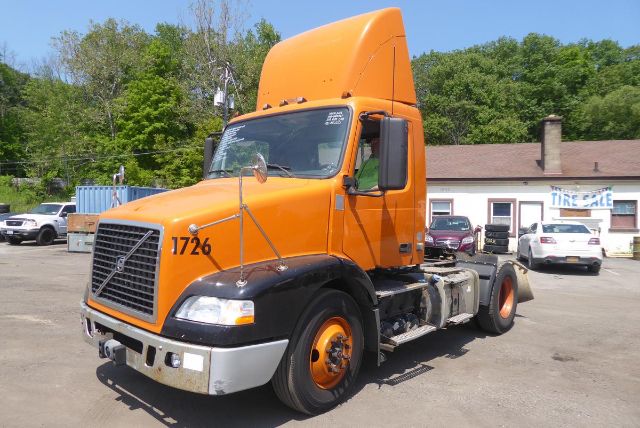
Showing 25 to 25 of 25 results
Have 2012 volvo conventional daycab truck to sell? List it here to reach thousands of buyers.
2012 Volvo Conventional Daycab Trucks in New York
For 2012 Volvo daycabs, the big buying decisions usually start with engine and drivetrain. Common setups include the Volvo D11 around 385 hp, often paired with a 10-speed manual, though exact transmission and axle combinations can vary by prior application. Buyers should pay close attention to rear axle rating, suspension type, and gear ratio because those three items do a lot to determine how the truck will behave in stop-and-go service versus higher-speed regional lanes. A 12,000 lb front axle with a 20,000 to 23,000 lb rear setup is common on lighter VNM daycab configurations, and wheelbases in the mid-150-inch range are typical on shorter tractors designed for agile operation. Stationary or air-slide fifth wheels also matter depending on whether the truck will stay on one trailer type or move across different kingpin settings.
Volvo daycabs from this era are also known for a driver-friendly cab layout, good sightlines, and a relatively quiet interior compared with many older fleet tractors. Many units are spec'd with air disc brakes, 11R22.5 rubber, steel hub-pilot wheels, and air ride suspension. On emissions-equipped 2012 trucks, inspection of the DEF system, turbo condition, fault history, and engine derate events is essential. A buyer should also compare odometer miles against engine hours because high idle time can tell a very different story than mileage alone. Service records for aftertreatment, clutch or transmission work, brake components, and suspension wear points are especially important on a used daycab that has spent years in dense regional service.
In New York, application matters even more because bridge law, local delivery density, port work, and winter corrosion can all influence the right spec. A shorter Volvo VNM daycab can make a lot of sense for borough deliveries, municipal contractor support, and warehouse-to-warehouse freight moves where turning radius and overall length are constant concerns. Buyers evaluating this category should look past just model year and engine badge and instead match the truck to trailer length, loaded weight, route profile, and maintenance tolerance. The best 2012 Volvo conventional daycab is not just the lowest-priced unit. It is the one with the axle, ratio, wheelbase, brake, and emissions spec that fits the work without creating avoidable downtime.
Frequently Asked Questions about 2012 Volvo Conventional Daycab Trucks in New York
What is a 2012 Volvo conventional daycab best suited for?
A 2012 Volvo conventional daycab is best suited for regional hauling, local delivery, container drayage, terminal work, and other operations that return the driver home daily. Its shorter overall length and lighter tractor configuration make it easier to maneuver in tight yards, city streets, and loading docks than a comparable sleeper tractor. It is a strong fit for fleets that prioritize visibility, access, and efficiency over long-haul living space.
What engine and transmission setups are common in a 2012 Volvo VNM daycab?
Many 2012 Volvo VNM daycabs are equipped with a Volvo D11 diesel in the mid-300 horsepower range, often around 385 hp, paired with a manual 10-speed transmission, although fleet specs vary. The exact drivetrain should be evaluated alongside rear axle ratio, suspension rating, and intended trailer weight. A lighter daycab with a manual transmission and moderate gearing can work well in regional and urban service, but the right setup depends on payload, terrain, and average road speed.
What should I inspect on a used 2012 Volvo daycab before buying?
Focus on emissions health, engine fault history, turbocharger condition, DEF system performance, and any signs of derate events. Then inspect brake type and wear, suspension condition, fifth wheel style, axle ratings, frame condition, and tire wear patterns. On a New York truck, corrosion around the frame, crossmembers, air tanks, and brake components deserves extra attention. Comparing engine hours to odometer miles can also help identify a truck that spent excessive time idling in local service.
Is a shorter wheelbase better on a Volvo daycab?
A shorter wheelbase is usually better for city work, tight docks, port terminals, and routes with frequent turning and backing. It improves maneuverability and can make the truck easier to place in congested areas. The tradeoff is that longer wheelbase tractors may offer better ride quality, more frame space for equipment, and more flexibility with certain trailer and fifth wheel positions. The best choice depends on your trailer dimensions, kingpin settings, and typical operating environment.
Why do axle ratio and fifth wheel type matter on a conventional daycab?
Axle ratio affects launch, gradeability, cruise rpm, and fuel economy, so it has a direct impact on how the truck performs in local versus regional service. A deeper ratio can help with heavier loads and stop-and-go operation, while a faster ratio may favor highway efficiency. Fifth wheel type matters because a stationary plate is simple and effective for dedicated trailer work, while an air-slide fifth wheel gives more flexibility when adjusting weight distribution for different trailer lengths or kingpin settings.