
Used Conventional Daycab Trucks For Sale in Ohio
Browse used conventional daycab trucks in Ohio, including regional haul and local delivery specs with tandem or single-axle setups.
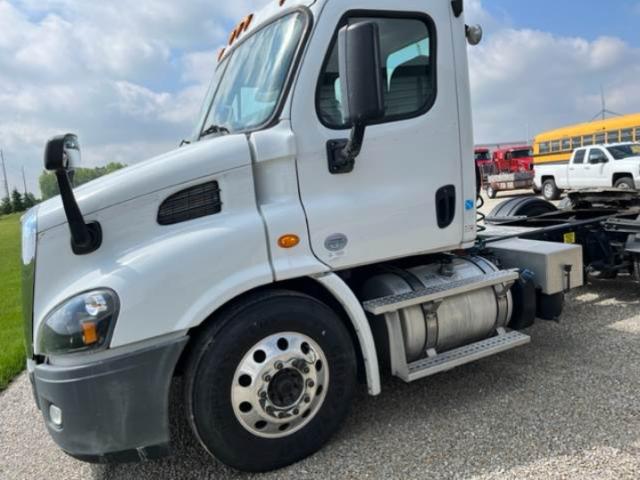
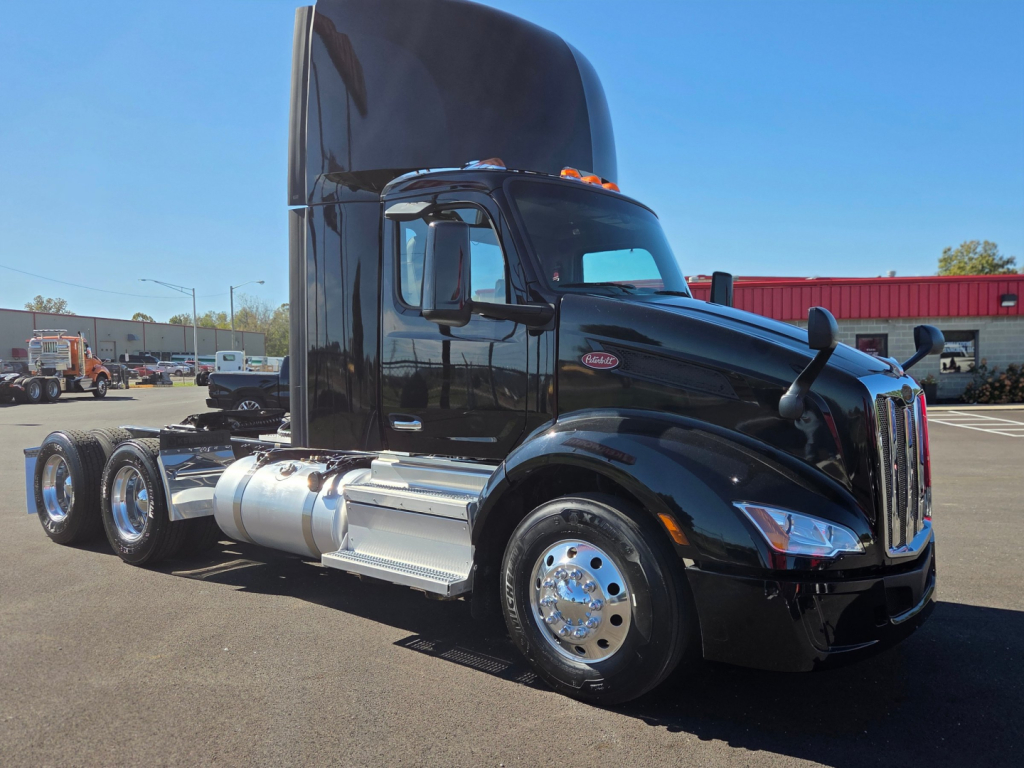
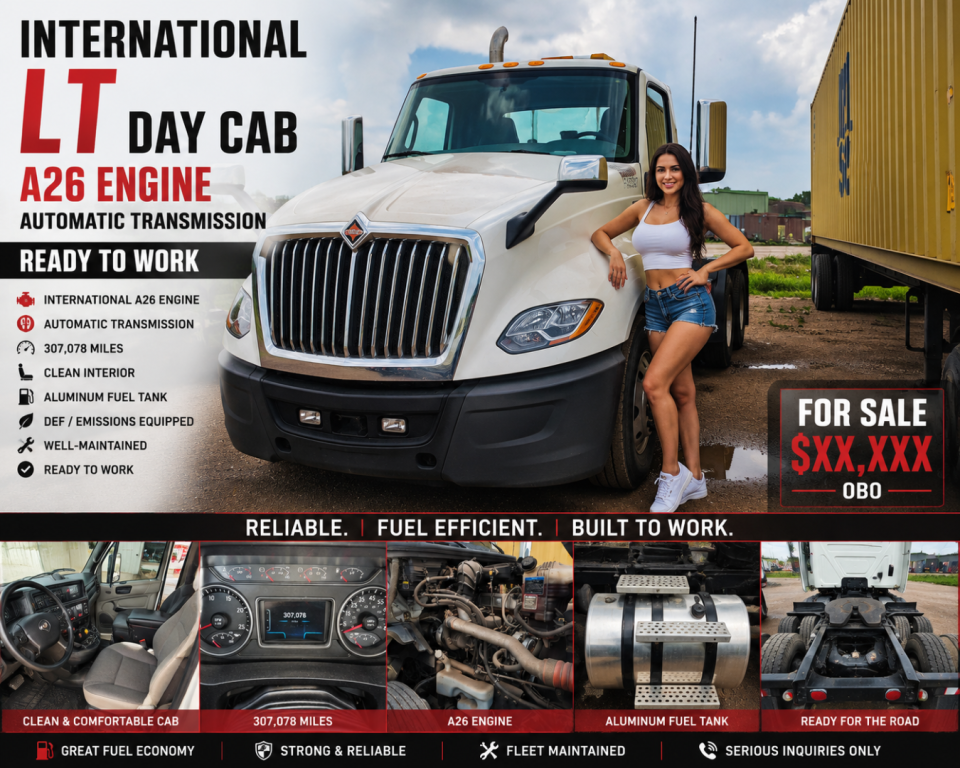
Selling a used conventional daycab truck? List your used conventional daycab truck for sale and reach thousands of commercial buyers.
Used Conventional Daycab Trucks in Ohio
The first decision is usually application. A tandem-axle conventional daycab tractor is common for container work, regional van freight, dump transfer, and dedicated fleet lanes. Typical specs include 400 to 500 horsepower, automated manual transmissions such as mDrive or I-Shift, air ride suspension, and rear axle ratios chosen for fuel mileage or startability depending on the load. Single-axle daycabs and medium-duty conventional straight trucks fill a different role. They are more common in beverage, parcel, box truck, municipal, and local delivery service, often with 240 to 300 horsepower engines, shorter cab-to-axle dimensions, and spring or air ride suspension depending on body type and route conditions.
Buyers comparing used daycabs should look closely at the fifth wheel setup, frame length, and suspension package. An air slide fifth wheel adds flexibility if trailer lengths or kingpin settings vary. A fixed fifth wheel can be simpler for dedicated operations. Wheelbase matters more than many first-time buyers expect because a 182-inch tractor behaves very differently from a 230-inch-plus chassis in tight yards and city alleys. Safety and operating features also deserve attention on later-model trucks, including collision mitigation systems, engine brakes, disc brakes, LED lighting, tire inflation systems, and aerodynamic packages with fairings and cab extenders. These features can reduce driver fatigue, maintenance cost, and total operating expense over a high-stop or high-mile schedule.
Condition matters as much as specification on a used conventional daycab. Review engine hours, idle history, maintenance records, aftertreatment service, clutch and transmission performance, and signs of frame or suspension wear from heavy vocational use. On straight truck variants, inspect the body as carefully as the chassis, including floor condition, scuff liners, E-track, threshold plates, liftgate operation, and roll-up door alignment. A well-matched daycab should fit the route, trailer, and weight profile without carrying unnecessary wheelbase, horsepower, or axle capacity that cuts into efficiency.
Frequently Asked Questions about Used Conventional Daycab Trucks in Ohio
What is a conventional daycab truck?
A conventional daycab truck is a truck with a traditional hooded cab and no sleeper compartment behind the seats. It is designed for local and regional hauling, port work, dedicated routes, and other operations where the driver returns home daily. In the market, these trucks may also be called non-sleeper tractors, day cabs, or conventional non-sleeper trucks.
What should I look for when buying a used daycab in Ohio?
Focus on the truck’s intended job first, then match the wheelbase, axle rating, suspension, and horsepower to that work. Ohio buyers often need a truck that can handle interstate miles, warehouse districts, and tight delivery points in the same week, so maneuverability and gearing matter. Service history, emissions system maintenance, brake type, tire condition, and the presence of features like collision mitigation or an air slide fifth wheel are all worth verifying before purchase.
Is a tandem-axle or single-axle daycab better?
A tandem-axle daycab is usually the better choice for heavier trailer loads, more demanding regional freight, and operations that need stronger traction and higher rear axle capacity. A single-axle daycab can lower empty weight, improve maneuverability, and reduce operating costs in lighter-duty applications. The right choice depends on gross weight, trailer type, route terrain, and whether the truck is pulling a trailer or carrying a body such as a van or flatbed.
Are automated transmissions common in used conventional daycabs?
Yes. Automated manual transmissions are now very common in used daycab trucks, especially in regional fleet spec tractors from Freightliner, Mack, Volvo, Kenworth, and Peterbilt. Systems like Volvo I-Shift and Mack mDrive are popular because they help with fuel economy, driver recruitment, and consistency in stop-and-go operations. Buyers should still check shift quality, software updates, clutch calibration history, and maintenance records on any automated transmission truck.
How important is wheelbase on a daycab truck?
Wheelbase is one of the most important specs because it affects turning radius, bridge compliance, ride quality, and how the truck balances with different trailers or body lengths. A shorter wheelbase is usually easier to place in tight yards and city streets, while a longer wheelbase may be needed for certain body installations, axle spreads, or ride characteristics. The truck should be matched to the kingpin setting, trailer swing clearance, and loading environment it will see every day.