
Used Conventional Daycab Trucks For Sale in Mississippi
Browse used conventional daycab trucks in Mississippi with specs that fit regional haul, port, local delivery, and vocational tractor work.
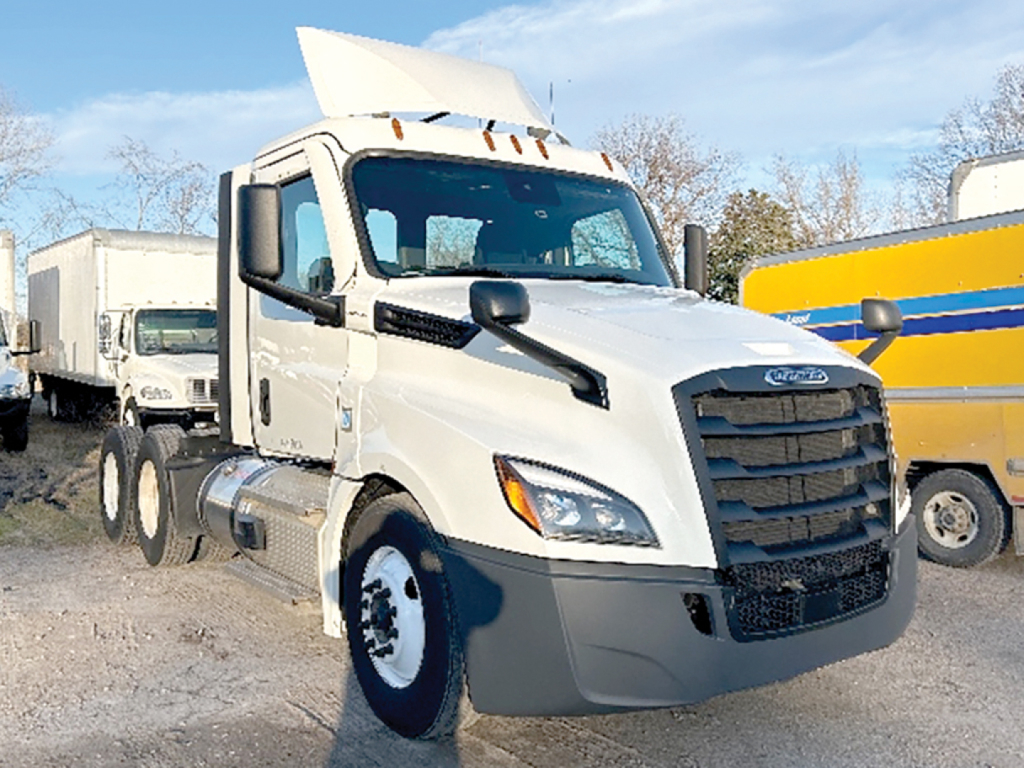
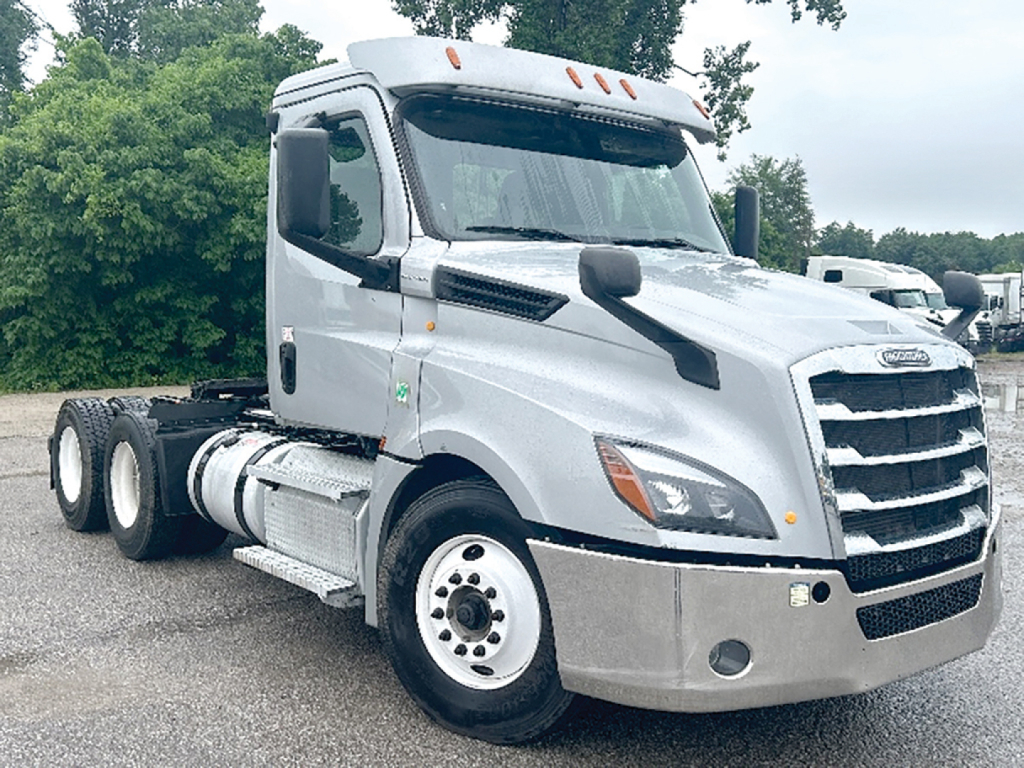
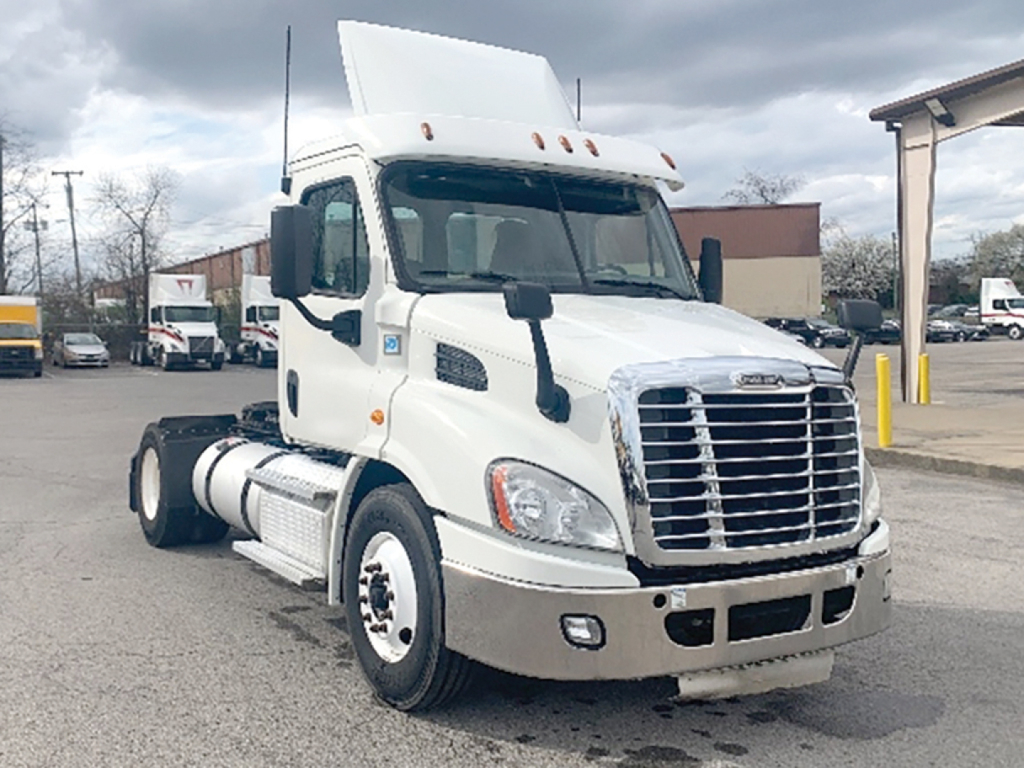
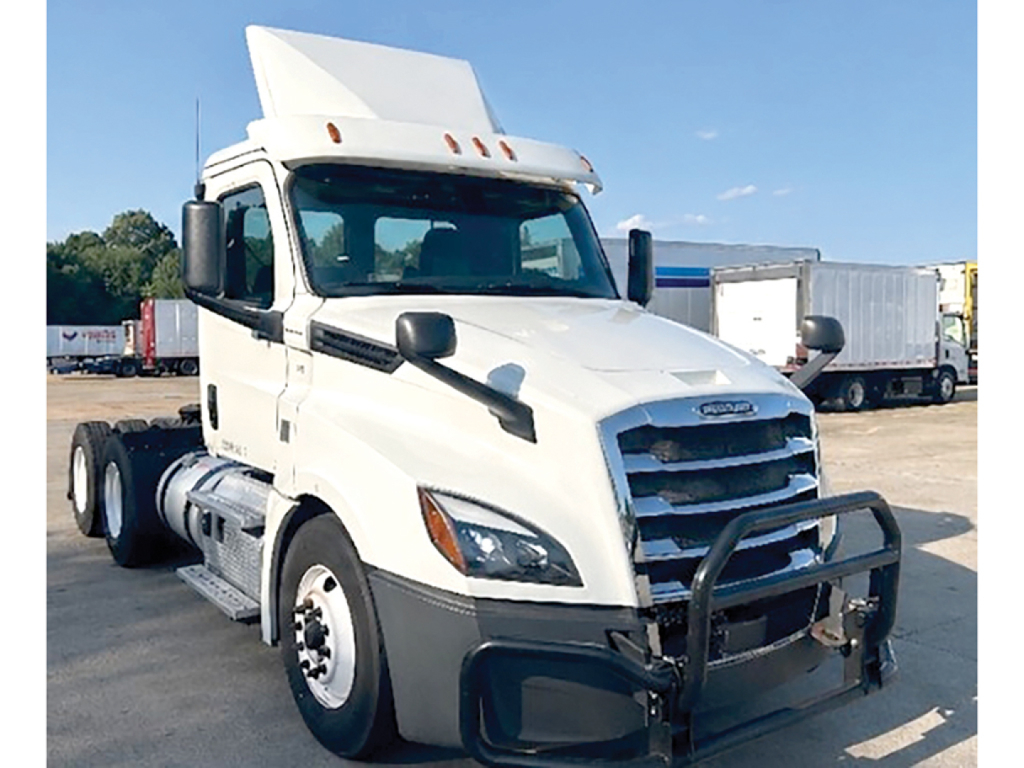
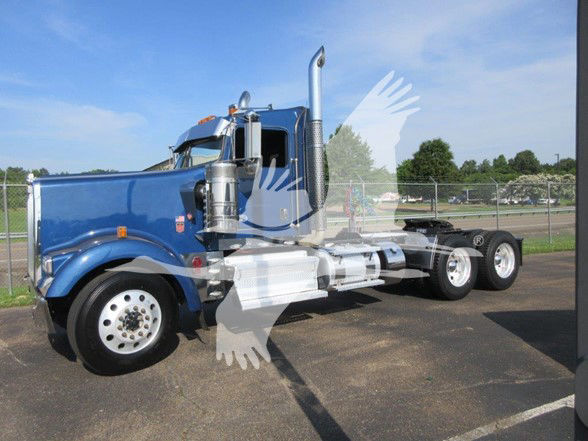

Have used conventional daycab truck to sell? List it here to reach thousands of buyers.
Used Conventional Daycab Trucks in Mississippi
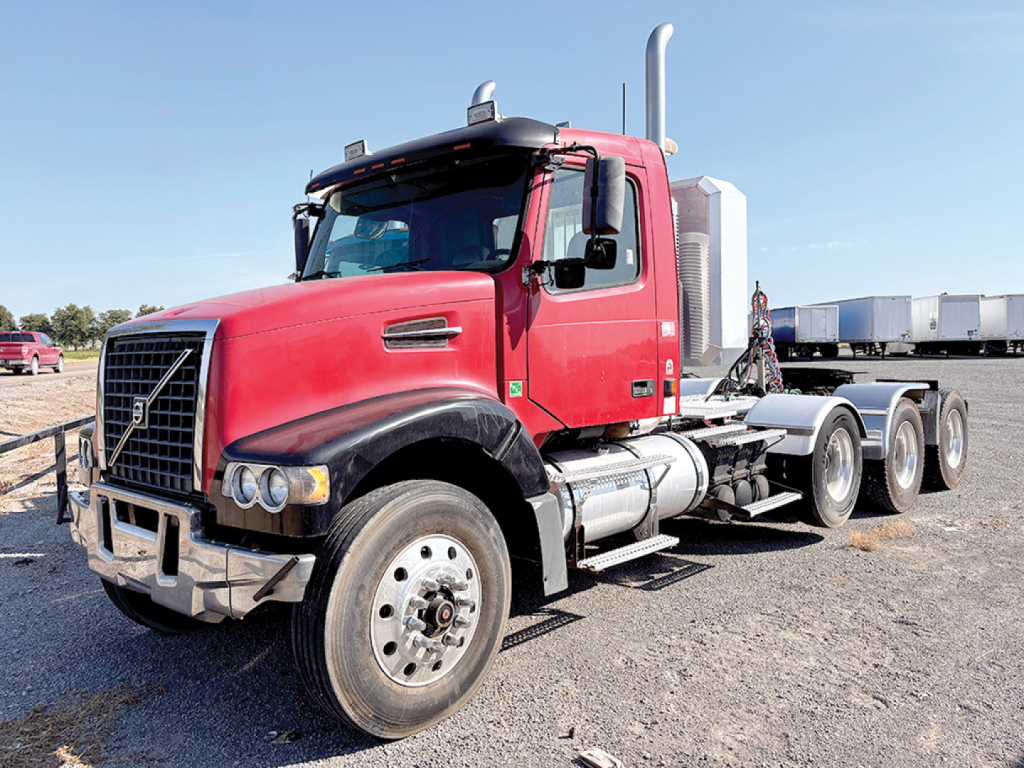
Late-model conventional daycabs often show up with proven fleet specs such as Detroit DD13 or DD15 engines, automated manual transmissions like the DT12, 40,000 lb tandem rears, air ride suspension, and sliding fifth wheels. A shorter wheelbase in the 170 to 180 inch range is common for tighter turning and trailer spotting, while longer wheelbases can offer a smoother ride and more room for fuel capacity or frame-mounted equipment. Ratios like 3.08 generally favor fuel economy and highway speed, while deeper ratios such as 3.70 or 3.91 make more sense for heavier starts, mixed terrain, or vocational applications. Disc brakes, collision mitigation systems, aluminum fuel tanks, and aerodynamic fairings are also common on newer road-spec daycabs.
Mississippi buyers should think carefully about application and geography before narrowing in on make or model. Trucks running I-55, I-20, US-49, or port-related lanes near Gulf Coast freight often benefit from efficient drivetrains, automated shifting, and lower tare weight. Trucks assigned to logging support, aggregate, refuse, or heavier local hauling may need a manual transmission, higher horsepower, larger rubber, stronger gearing, and a more vocational chassis setup. Popular models in this class include the Freightliner Cascadia, Kenworth W900L, and Western Star 4700, but the right choice depends less on brand and more on the truck's axle spec, engine brake, PTO needs, cab layout, and maintenance history.
On a used conventional daycab, condition matters as much as spec. Buyers should look closely at engine hours versus mileage, aftertreatment service records, clutch life on manual units, automated transmission calibration history, suspension wear, kingpin and fifth wheel condition, brake type, and tire match across both axles. Frame modifications, wet kit installation, and prior vocational use can change the truck's value and fit for over-the-road work. A well-matched daycab can be one of the most cost-effective tractors in a fleet because it is simpler than a sleeper, easier to route on local work, and often faster to turn in high-frequency operations.
Frequently Asked Questions about Used Conventional Daycab Trucks in Mississippi
What is a conventional daycab truck used for?
A conventional daycab truck is a non-sleeper tractor designed for local, regional, and dedicated-route hauling where the driver returns the same day. Common uses include dry van, reefer, container, flatbed, dump transfer, yard-to-plant freight, and port drayage. The absence of a sleeper reduces weight and complexity, which can improve payload, maneuverability, and operating efficiency on shorter runs.
What specs matter most when buying a used conventional daycab?
The key specs are engine model and horsepower, transmission type, rear axle ratio, wheelbase, suspension, and rear axle capacity. Those items determine startability, cruise rpm, turning radius, ride quality, and trailer compatibility. Buyers should also verify fifth wheel setup, brake type, fuel capacity, tire size, and whether the truck has options like an engine brake, collision mitigation, PTO provision, or locking differentials.
Is an automatic or manual transmission better in a daycab tractor?
Automated manual transmissions are popular in fleet daycabs because they reduce driver fatigue, help standardize shifting, and can improve fuel economy in regional service. Manual transmissions still make sense in certain heavy-haul or vocational applications where the operation demands more direct driver control, frequent low-speed maneuvering, or specific PTO and gearing requirements. The better choice depends on route profile, driver pool, maintenance support, and load weight.
How do I choose the right axle ratio for a used daycab?
A faster ratio like 3.08 is usually selected for fuel-efficient highway and regional hauling with direct-drive or overdrive transmissions. A deeper ratio like 3.55, 3.70, or 3.91 is better for heavier loads, stop-and-go work, steeper grades, or vocational service where launch performance matters more than low cruise rpm. The correct ratio should be matched to the transmission, tire size, average gross weight, and road speed requirement.
What should I inspect on a used conventional daycab before buying?
Start with maintenance records, fault codes, and any signs of engine, transmission, or aftertreatment repairs. Then inspect the frame rails, suspension bushings, steer axle wear, brake condition, driveline, fifth wheel, and signs of uneven tire wear that may point to alignment or suspension issues. On daycabs that have done heavy local or vocational work, pay extra attention to PTO setup, frame drilling, wet kit installation, and wear around the cab mounts and rear suspension.