
Used Freightliner Conventional Daycab Trucks For Sale in Mississippi
Shop used Freightliner conventional daycab trucks in Mississippi. Compare Cascadia specs, DD13 and DD15 power, wheelbase, axle ratings, and features.
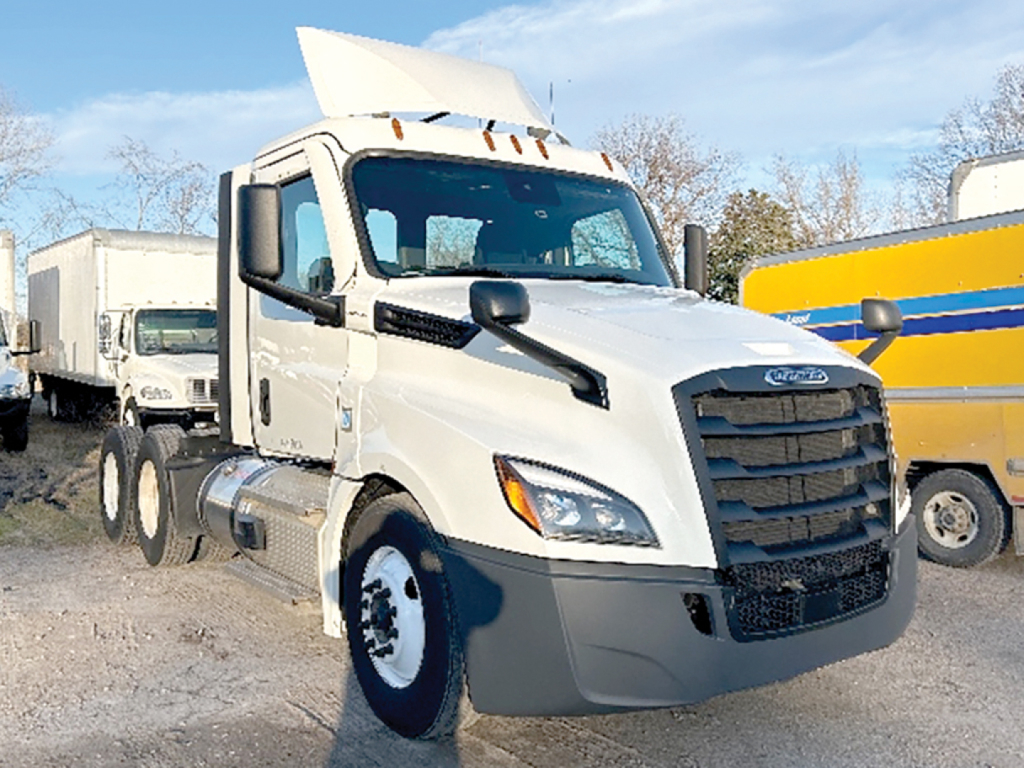
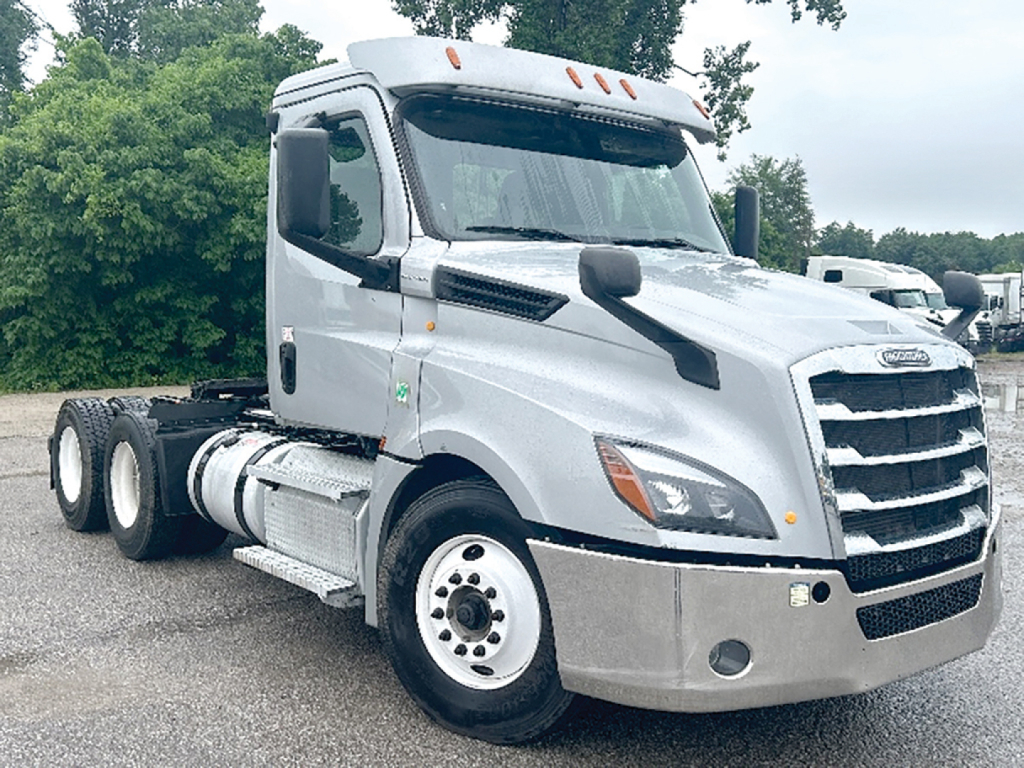
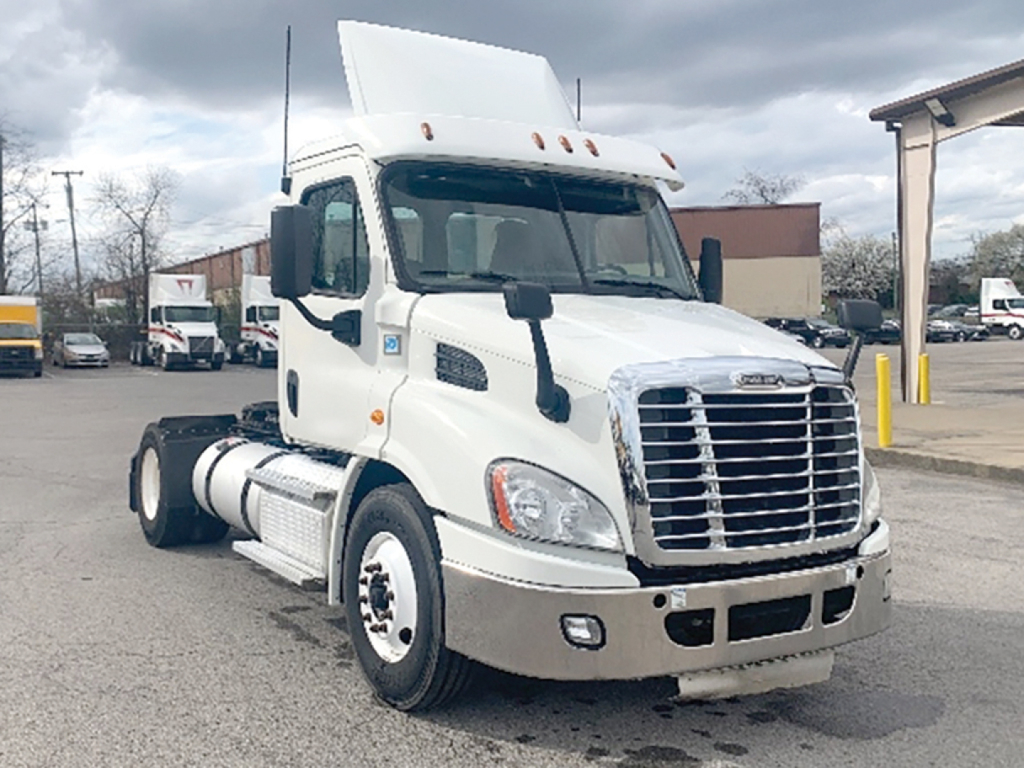
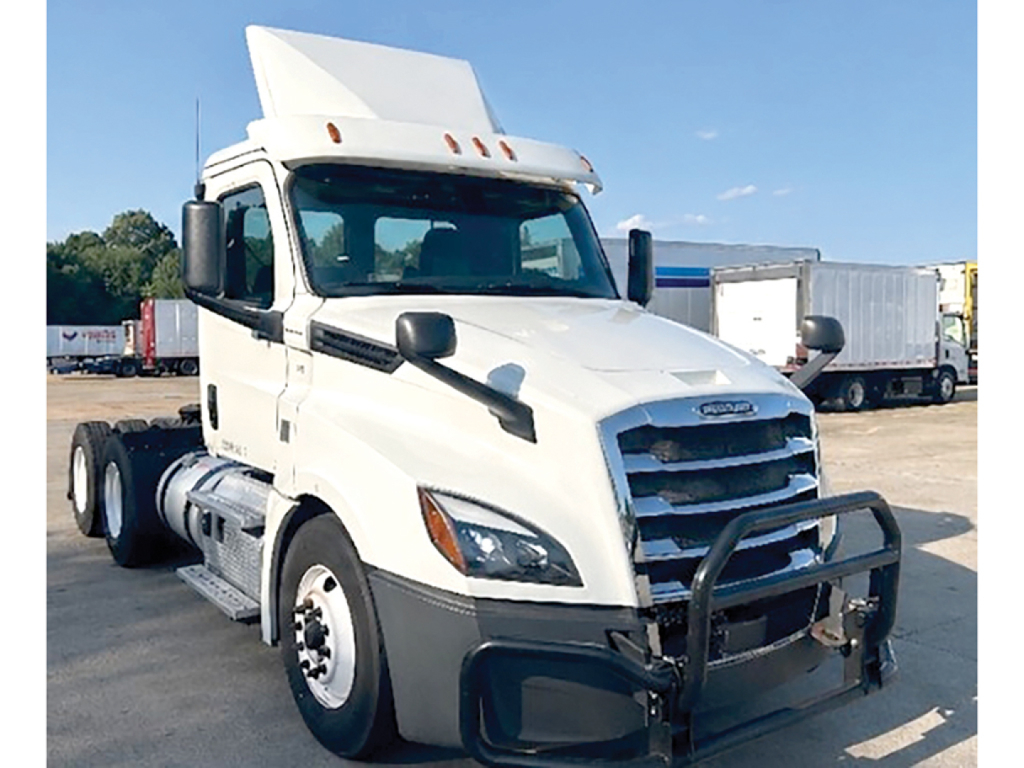

Have used freightliner conventional daycab truck to sell? List it here to reach thousands of buyers.
Used Freightliner Conventional Daycab Trucks in Mississippi
A buyer comparing used Freightliner daycab trucks should start with the powertrain. Many units are spec'd with Detroit DD13 or DD15 engines, typically in the 435 to 455 horsepower range, paired with DT12 automated manual transmissions. That combination is popular for good reason. The DD13 usually fits weight-sensitive regional applications and fuel-focused operations, while the DD15 gives more headroom for heavier gross weights, hill work, and higher average speeds. Rear axle ratings around 40,000 pounds and ratios such as 3.08 are common on fleet-spec trucks built to run efficiently at highway speed. Engine brakes, air ride suspension, and air slide fifth wheels are also frequent specs because they improve control, trailer compatibility, and driver comfort on multi-stop routes.
Cab configuration and chassis dimensions matter just as much as engine choice. A conventional daycab, also known as a non-sleeper semi truck, typically uses a shorter wheelbase than an over-the-road sleeper, which helps in yards, docks, and tighter urban turns. Wheelbases around 178 inches are common on Cascadia daycabs and generally balance maneuverability with ride quality and frame space for tanks and drivetrain components. Buyers should also pay attention to disc versus drum brakes, tire size, fuel tank capacity, fairings, quarter fenders, and collision mitigation systems. Safety technology, tilt and telescoping steering, cruise control, power windows, and driver comfort features can make a real difference in retention when the truck runs every day with multiple drivers.
On a used Freightliner daycab, the best value usually comes from matching the prior fleet spec to your freight and route profile. A truck used in regional van or reefer service may be ideal for dedicated highway lanes, while a truck heading into heavier vocational or terminal duty may need closer inspection of suspension condition, fifth wheel wear, brake life, idle hours, and maintenance records. Freightliner conventional daycabs remain a practical choice because they are easy to source, easy to service, and widely accepted across for-hire, private fleet, and owner-operator applications. For Mississippi buyers, that translates into a truck class that can cover distribution corridors, agricultural freight, warehouse transfers, and short-haul container work without the added cost of a sleeper platform.
Frequently Asked Questions about Used Freightliner Conventional Daycab Trucks in Mississippi
What is a Freightliner conventional daycab truck best used for?
A Freightliner conventional daycab truck is best suited for regional hauling, local pickup and delivery, dedicated shuttle runs, drayage, and terminal-to-terminal freight. The non-sleeper cab reduces overall length and weight compared with a sleeper truck, which helps with maneuverability, payload efficiency, and operating cost. This configuration is a strong fit when drivers return home daily or when routes do not require overnight accommodations.
What is the difference between a Detroit DD13 and DD15 in a used Freightliner daycab?
The Detroit DD13 is commonly chosen for fuel-conscious regional applications and moderate gross weights, while the DD15 is better suited for heavier loads, stronger pulling power, and routes with more demanding terrain or sustained highway speed. Both engines are widely used in Freightliner Cascadia daycabs, but the right choice depends on freight type, average load, and duty cycle. Buyers should compare horsepower, torque, rear axle ratio, and maintenance history instead of choosing by engine model alone.
Why does wheelbase matter on a conventional daycab truck?
Wheelbase affects turning radius, ride quality, trailer clearance, and chassis packaging. A shorter wheelbase generally improves maneuverability in tight yards and dock areas, while a slightly longer wheelbase can improve ride stability and allow more space for fuel tanks or equipment. On a used Freightliner daycab, wheelbases around the high-170-inch range are common because they provide a practical balance for regional highway work and frequent trailer spotting.
Are automated manual transmissions common in used Freightliner daycabs?
Yes. Many late-model Freightliner daycabs are equipped with the Detroit DT12 automated manual transmission. This setup helps standardize shifting across drivers, can reduce clutch-related wear compared with manual operation, and often supports fuel economy targets in fleet service. When evaluating a used unit, buyers should still confirm software updates, clutch health, calibration history, and how the truck performed in its previous duty cycle.
What should I inspect first on a used Freightliner daycab?
Start with engine hours, maintenance records, fault code history, aftertreatment performance, transmission operation, brake condition, tire wear, suspension components, and fifth wheel wear. On fleet daycabs, pay close attention to signs of heavy stop-and-go use, extended idling, and repeated trailer hookups. Cab condition, collision mitigation equipment, and axle ratio should also be checked because those details affect driver acceptance, safety, and how well the truck fits the intended route.