
Used Conventional Daycab Trucks For Sale in Massachusetts
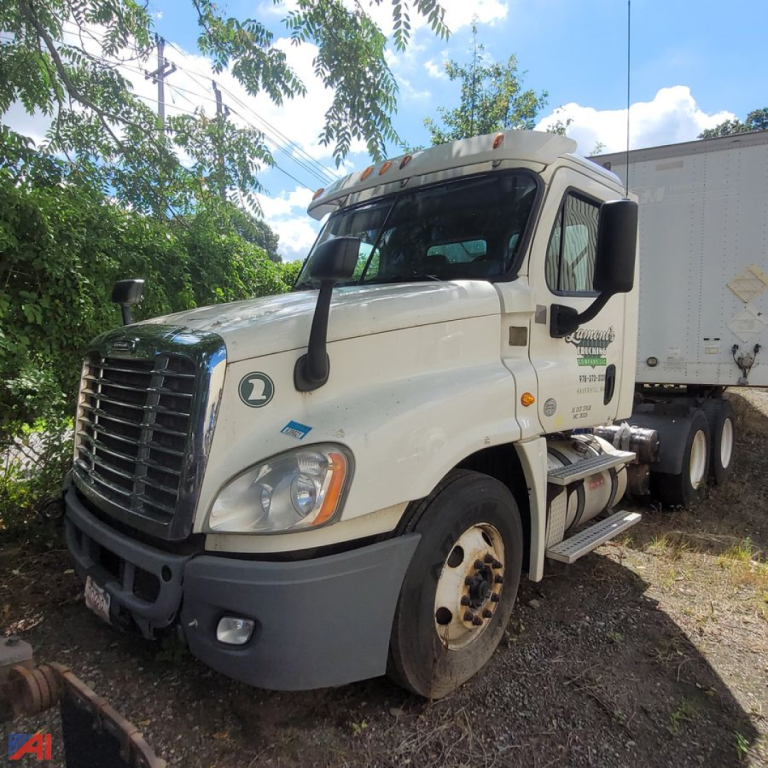
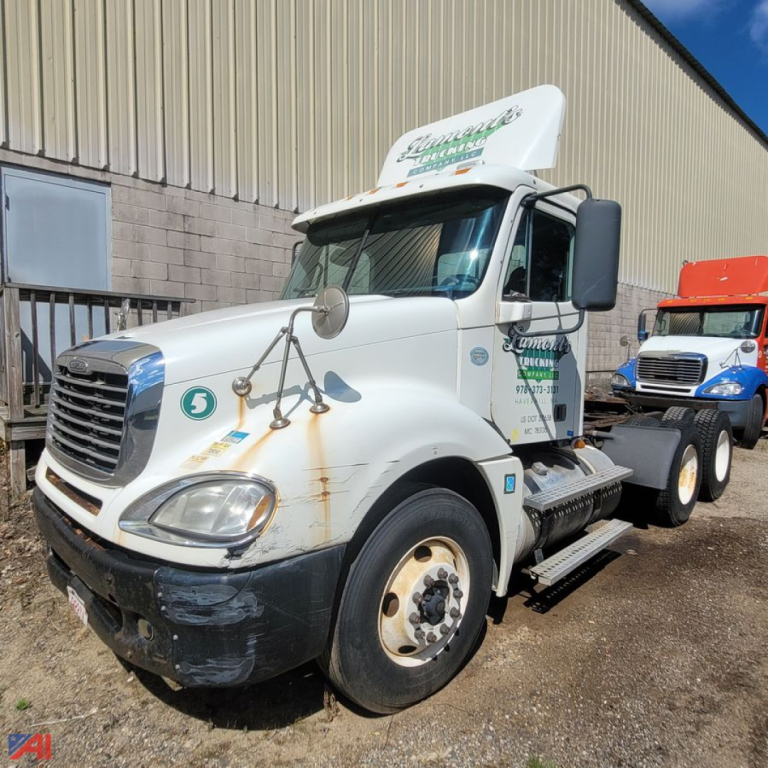
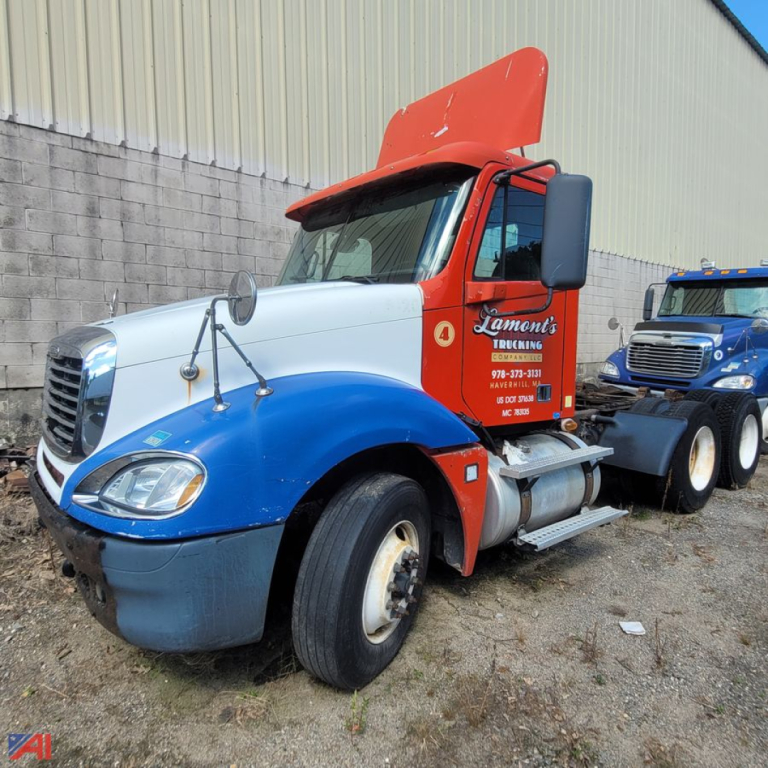
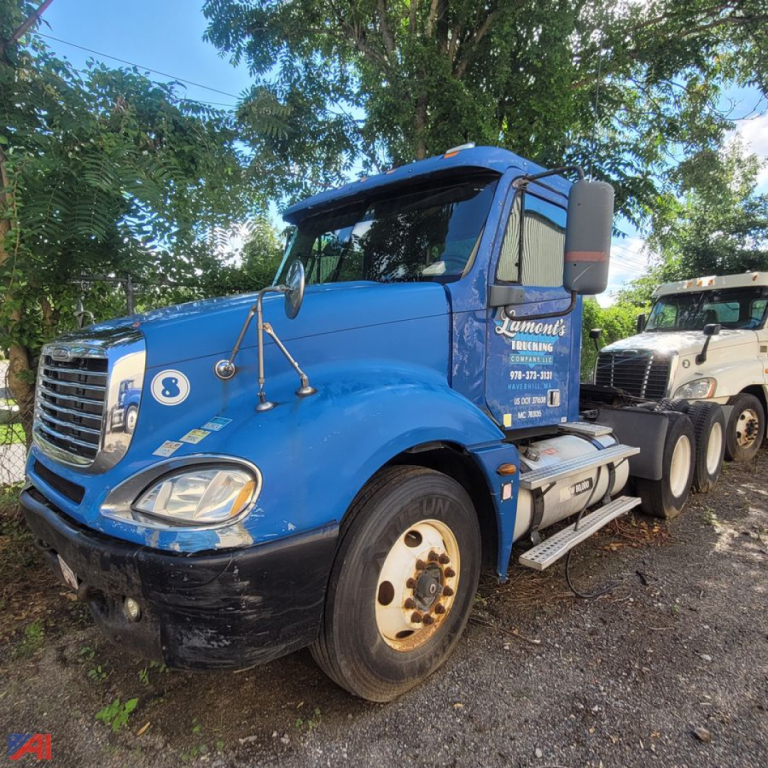
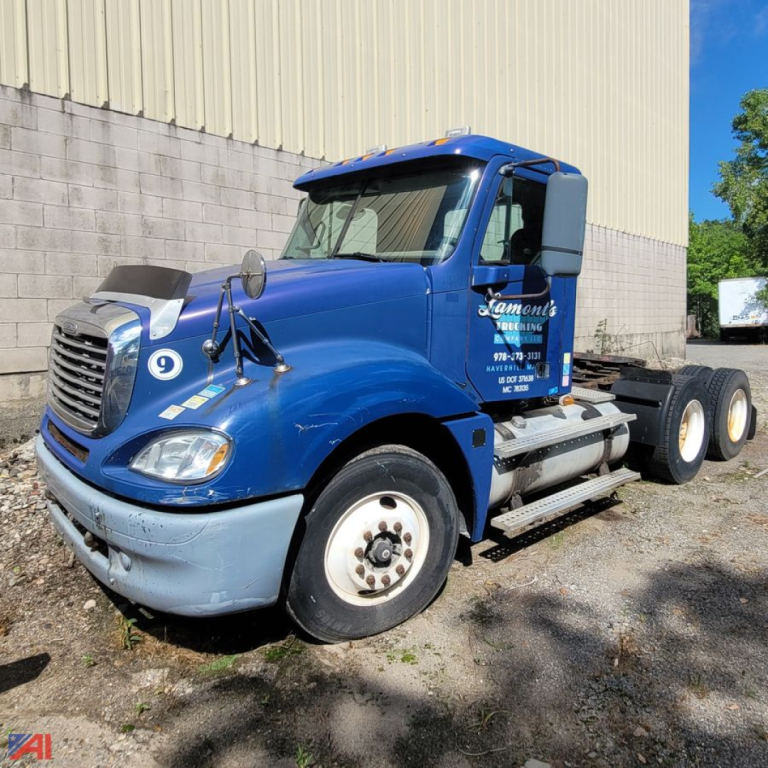
Have used conventional daycab truck to sell? List it here to reach thousands of buyers.
Used Conventional Daycab Trucks in Massachusetts
The first decisions usually come down to application and spec. A used conventional daycab can be set up as a 4x2 or 6x4 tractor, with single or tandem rear axles, varying suspension ratings, and fifth wheel positions that matter for bridge law compliance and trailer swing clearance. Common engines in this class include Detroit, Cummins, and Paccar platforms, paired with manual, automated manual, or automatic transmissions depending on fleet preference and driver pool. For heavier vocational use, buyers often look closely at frame specs, PTO capability, front axle capacity, locking differentials, and suspension type. For regional freight, fuel economy, wheel cut, and maintenance history usually rise to the top.
On a used truck in Massachusetts, rust and prior duty cycle matter as much as make and model. Cab mounts, crossmembers, frame rails, battery boxes, air tanks, brake hardware, and electrical connections should all be checked carefully, especially on trucks that have spent years in snow and road salt. It also pays to confirm aftertreatment status, engine hours versus odometer miles, idle history, DPF service records, and any fault code patterns that point to EGR, SCR, or DEF-related issues. If the truck will be paired with specific trailers, verify fifth wheel height, rear axle ratio, tire size, and kingpin setting compatibility before purchase.
Popular models in the conventional daycab segment include Freightliner Cascadia and Columbia, along with Kenworth T680 and T800, Peterbilt 579 and 367, International LT and 8600-series, Volvo VNL daycabs, and Mack Anthem or Pinnacle configurations. The best used conventional daycab trucks are not defined by badge alone. Buyers usually get the best result by matching GCWR, wheelbase, cab layout, suspension, and emissions system complexity to the actual route and load profile. A lighter regional tractor spec can be ideal for LTL, dry van, and container work, while a heavier vocational daycab may be better suited to dump, lowboy, or tanker service.
Frequently Asked Questions about Used Conventional Daycab Trucks in Massachusetts
What is a conventional daycab truck used for?
A conventional daycab truck is typically used for local and regional hauling where the driver returns the same day and does not need a sleeper berth. Common uses include dry van freight, container drayage, tanker work, dump and construction hauling, municipal service, and terminal-to-terminal operations. The shorter cab layout reduces weight and can improve maneuverability compared with a sleeper tractor.
What should I inspect first on a used daycab truck in Massachusetts?
Start with frame and rust condition, especially on trucks exposed to winter salt. Check frame rails, crossmembers, cab mounts, brake components, air tanks, wiring, battery boxes, and suspension hardware for corrosion. After that, review engine hours, maintenance records, aftertreatment service history, tire condition, and any active fault codes so you can separate cosmetic wear from expensive mechanical risk.
Is a 4x2 or 6x4 better for a conventional daycab?
A 4x2 daycab can make sense for lighter regional freight where lower weight, better fuel economy, and fewer drivetrain components are priorities. A 6x4 is usually the better choice for heavier loads, rougher job sites, winter traction, and applications that demand higher durability. The right setup depends on axle weight, terrain, trailer type, and how often the truck operates in mud, snow, or uneven surfaces.
Are older used daycab trucks more reliable because they have simpler emissions systems?
Some buyers prefer pre-2010 or early emissions-era trucks because they may have fewer aftertreatment components than newer models. That can reduce certain repair exposures, but age also brings its own issues such as wiring deterioration, worn suspensions, injector problems, oil leaks, and hard-to-source parts on some platforms. Reliability depends more on maintenance history, current mechanical condition, and how the truck was previously used than on model year alone.
What specs matter most when matching a daycab tractor to trailers?
The key specs are fifth wheel height, kingpin setting compatibility, wheelbase, rear axle ratio, tire size, and axle capacities. Those factors affect bridge law compliance, turning clearance, trailer level ride height, and overall drivability. Buyers should also confirm GCWR, suspension rating, and PTO needs if the truck will be used in tanker, dump, or hydraulic applications.