
Used 2022 Conventional Daycab Trucks For Sale in New York
Shop used 2022 conventional daycab trucks in New York. Compare wheelbase, engine, axle ratio, transmission, and fifth wheel specs.
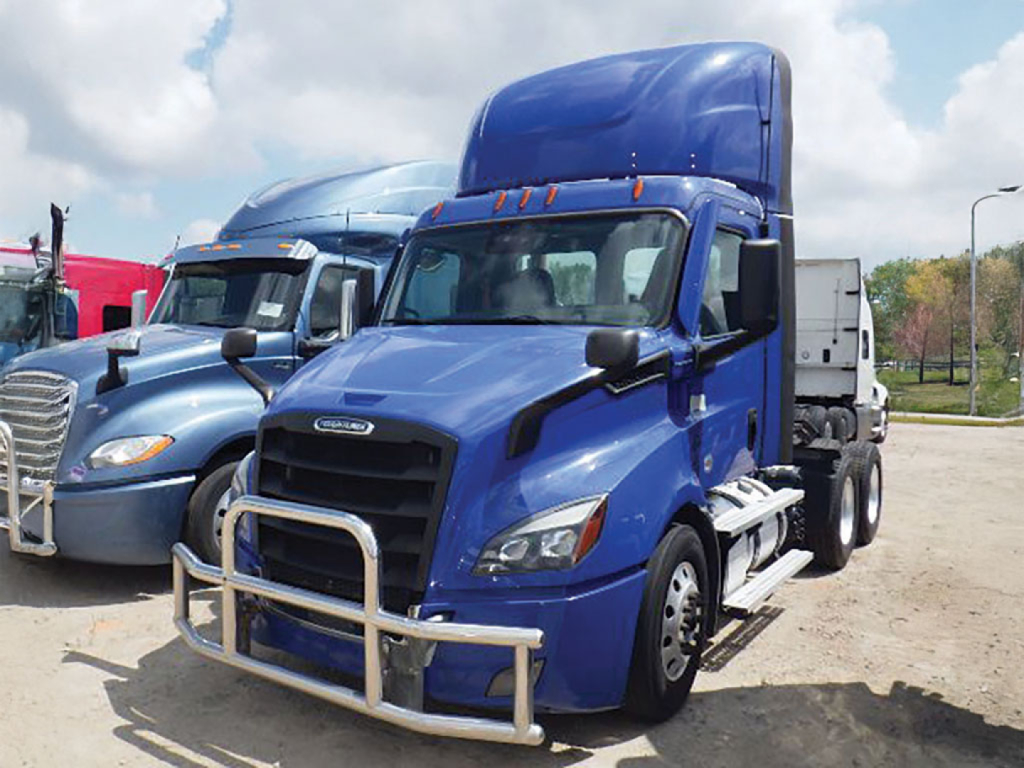
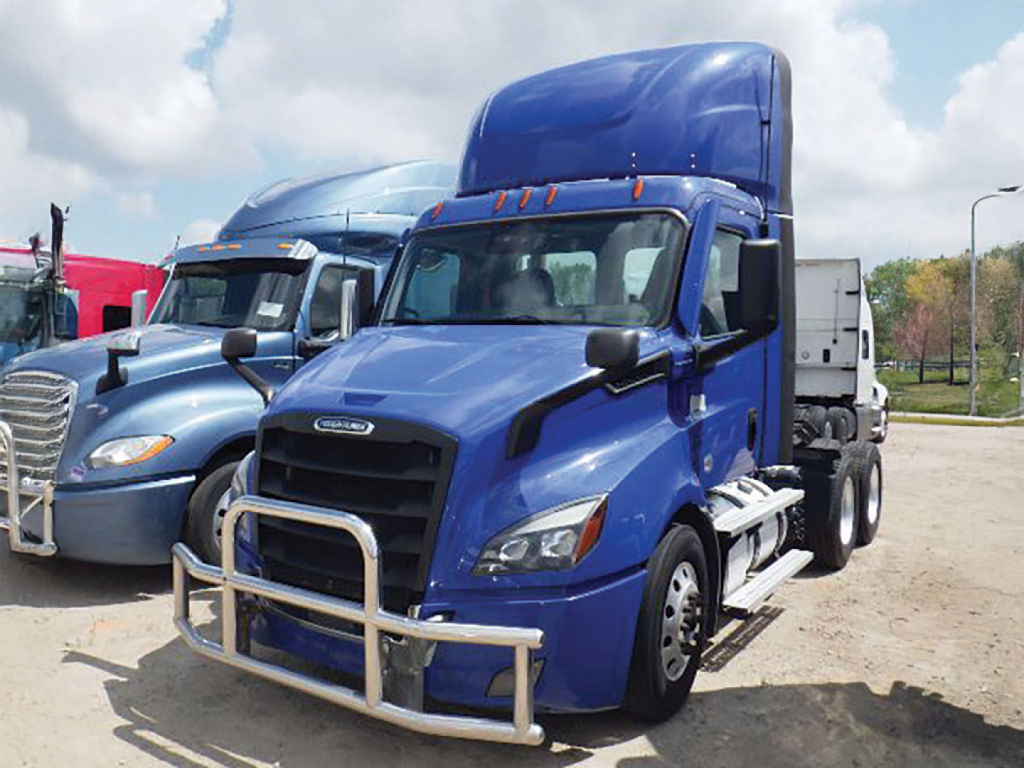
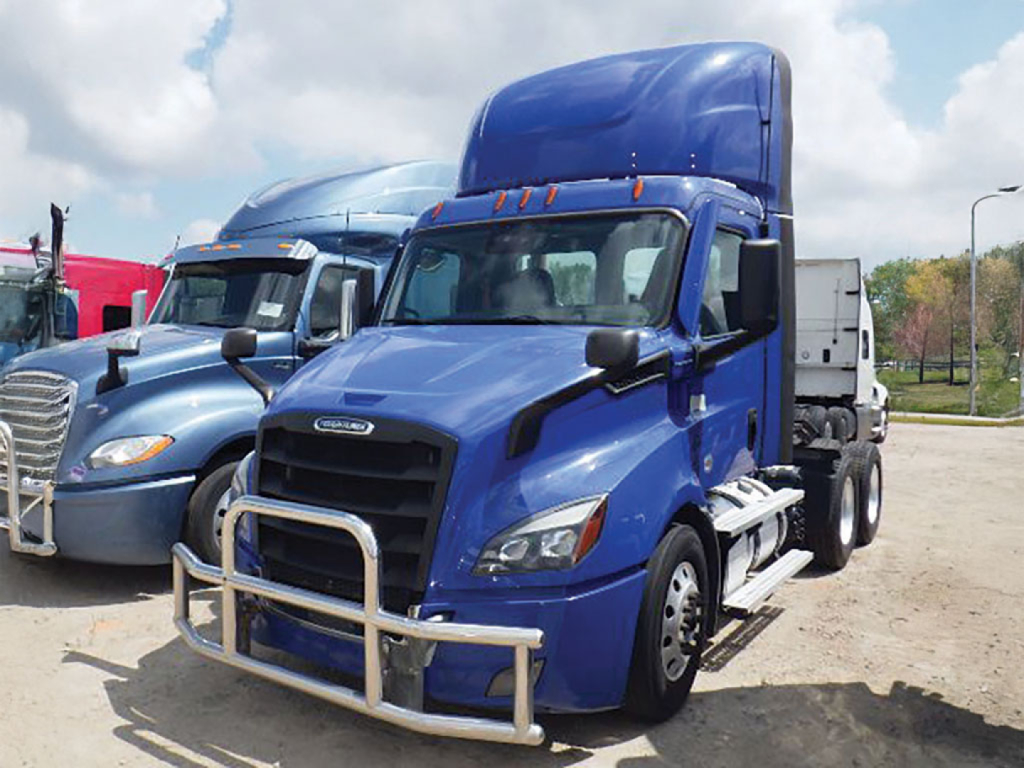
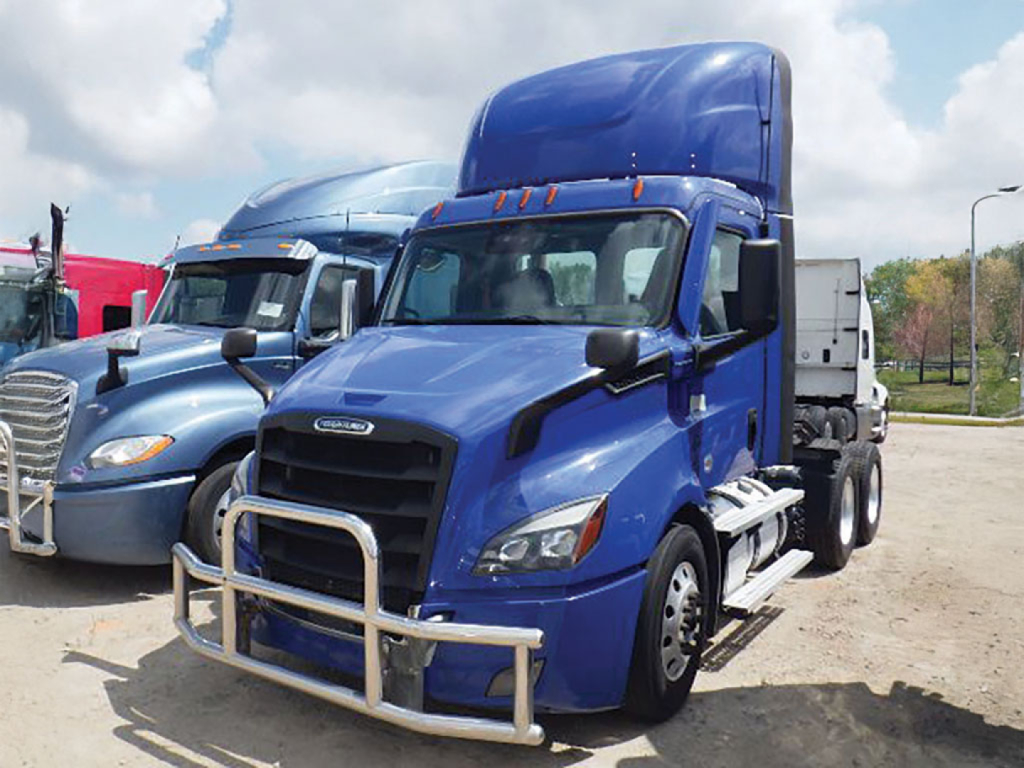
Have used 2022 conventional daycab truck to sell? List it here to reach thousands of buyers.
Used 2022 Conventional Daycab Trucks in New York
The first specs to compare are axle setup, wheelbase, horsepower, transmission, and rear ratio. Most conventional daycab trucks in this class are set up as tandem axle road tractors, though single axle daycabs are common for lighter regional work. Typical engines fall in the 350 to 455 horsepower range, often paired with automated manual transmissions, with some manual boxes still in service. Wheelbases commonly run from the mid-150s to around 190 inches depending on fuel capacity, fifth wheel position, and bridge-law needs. A shorter wheelbase improves turning radius, while a longer setup may better support heavier spec, larger tanks, or more stable highway manners. Rear axle ratios such as 3.08, 3.23, 3.42, or 3.55 tell you a lot about intended duty cycle, fuel economy expectations, and startability under load.
For buyers evaluating used 2022 daycabs, the important questions are less about badge and more about application match. Check gross axle ratings, suspension type, and whether the truck has an air-slide or stationary fifth wheel. Air ride suspension is common and usually preferred for ride quality and traction, while a locking differential or power divider can matter in yard, refuse-adjacent, or winter conditions. In New York, corrosion exposure is a real consideration, so frame condition, crossmembers, cab mounts, brake and air lines, and fifth wheel plate wear deserve close attention. Confirm aftertreatment service history, look for fault codes tied to SCR or DPF systems, and verify engine hours against odometer reading for a better picture of true duty cycle.
Cab layout and driver environment still matter on a daycab because these trucks spend long hours in stop-and-go service. Look for air ride seats, tilt and telescoping steering, working HVAC, clean interior electronics, and visibility features that make urban driving easier. Many 2022 conventional daycabs also include collision mitigation, adaptive cruise functions, lane warnings, and improved telematics integration, which can be valuable for fleet compliance and driver retention. If the truck will run port, construction support, beverage, tanker, or LTL work, make sure the spec matches the trailer set and terrain. The best used 2022 conventional daycab truck is the one with a documented maintenance history, a wheelbase and ratio suited to the route, and a drivetrain built for the exact weight and stop frequency of the job.
Frequently Asked Questions about Used 2022 Conventional Daycab Trucks in New York
What is a conventional daycab truck used for?
A conventional daycab truck is primarily used for local and regional hauling where the driver returns home daily and does not need a sleeper berth. Common applications include container drayage, LTL, dedicated freight, dump and tanker support, food and beverage distribution, and terminal-to-terminal runs. The shorter cab and reduced overall length make a daycab easier to maneuver in cities, yards, and tight customer locations than a sleeper tractor.
What should I look for when buying a used 2022 conventional daycab in New York?
Focus on wheelbase, axle ratings, engine horsepower, transmission type, rear axle ratio, and fifth wheel configuration first, then inspect condition items that are especially relevant in New York. Road salt and winter exposure can accelerate corrosion on frames, brackets, air tanks, lines, and electrical connections. It is also important to review emissions system service records, brake condition, tire wear patterns, suspension bushings, and engine hours. A truck with the right spec and a strong maintenance history is usually a better buy than one with more cosmetic appeal but a mismatched drivetrain.
Is a single axle or tandem axle daycab better?
It depends on payload, trailer type, and route. A single axle daycab is lighter, often more fuel-efficient, and well suited for lighter regional freight or specialized local work. A tandem axle daycab is the more common choice for general freight because it offers greater traction, higher load carrying capability, and broader compatibility with heavier trailers and interstate operations. Buyers should match axle configuration to legal weight requirements and the freight they actually plan to pull.
What rear axle ratio is best for a conventional daycab?
The best rear axle ratio depends on speed, terrain, and load. Faster ratios such as 3.08 or 3.23 are commonly chosen for fuel-efficient highway and regional work, especially when paired with an overdrive or automated transmission. Ratios like 3.42 or 3.55 can provide better startability and flexibility in heavier loads, steeper grades, or frequent stop-and-go service. The ratio should be evaluated together with tire size, engine torque rating, and transmission gearing, not by itself.
Are 2022 daycab trucks a good choice for fleet buyers?
Yes, a used 2022 daycab can be a strong fleet purchase because it is modern enough to offer current safety features, improved cab ergonomics, and emissions-era refinements while still coming at a lower cost than new equipment. For fleet use, consistency matters, so buyers should pay attention to software updates, telematics compatibility, maintenance records, and any remaining warranty support or dealer service access. Standardized specs across multiple trucks also simplify driver training, parts stocking, and shop scheduling.