
Used 2020 Conventional Daycab Trucks For Sale in Oklahoma
Shop used 2020 conventional daycab trucks in Oklahoma. Compare wheelbase, horsepower, axle specs, gearing, transmissions, and local haul setups.
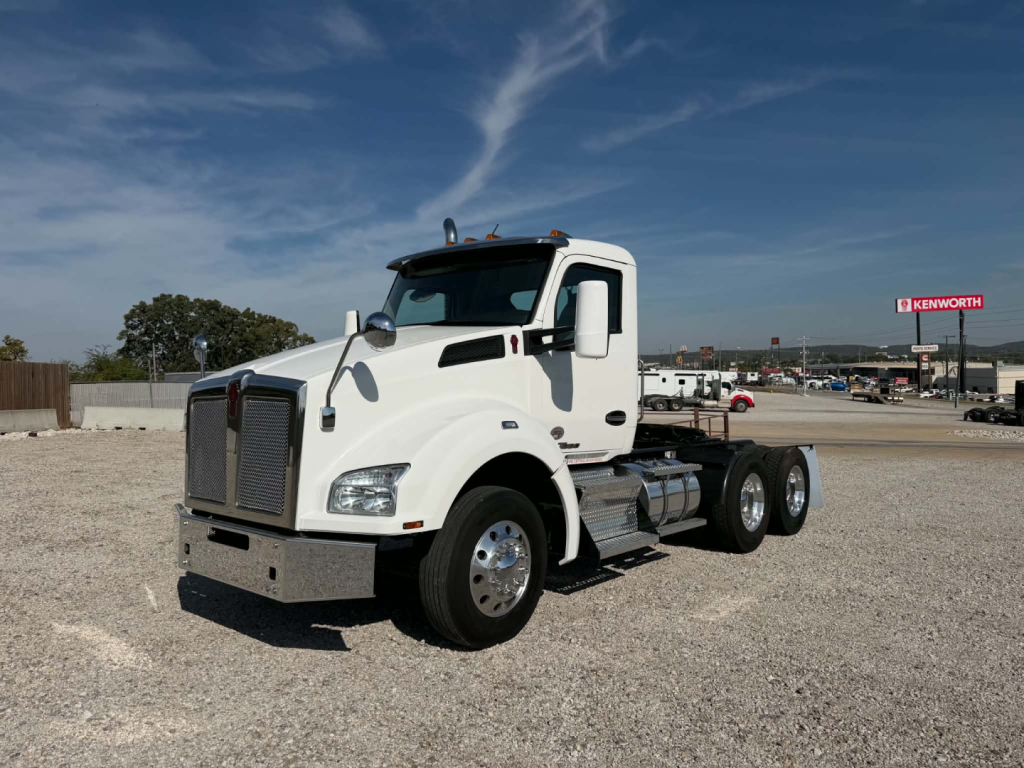
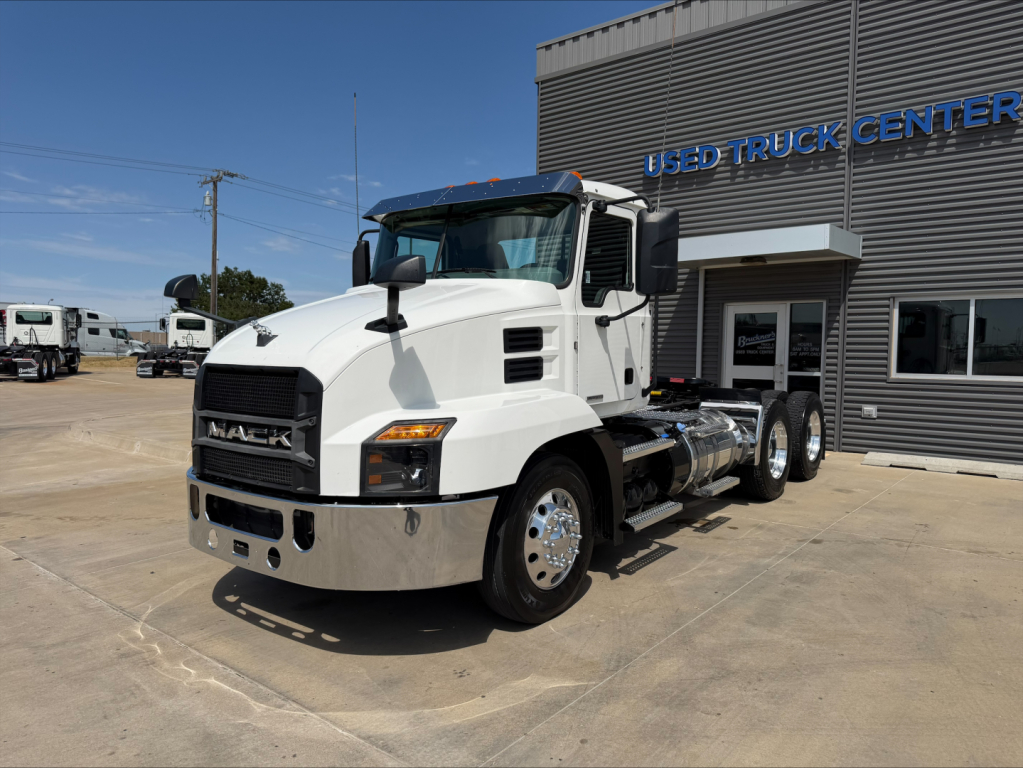
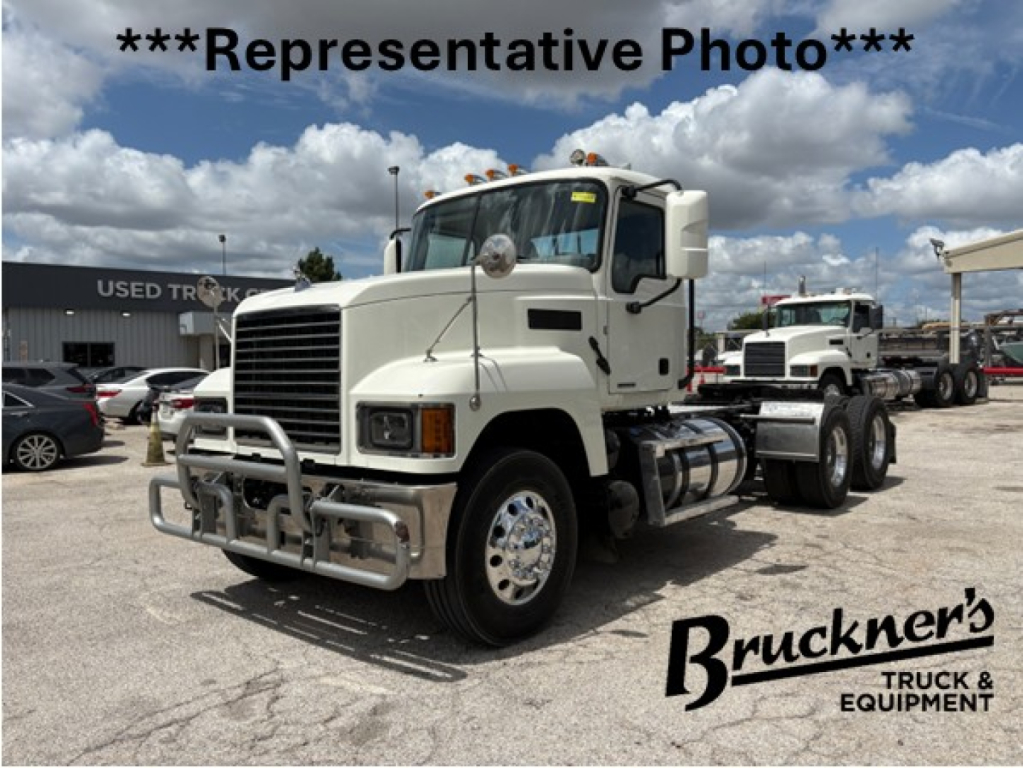
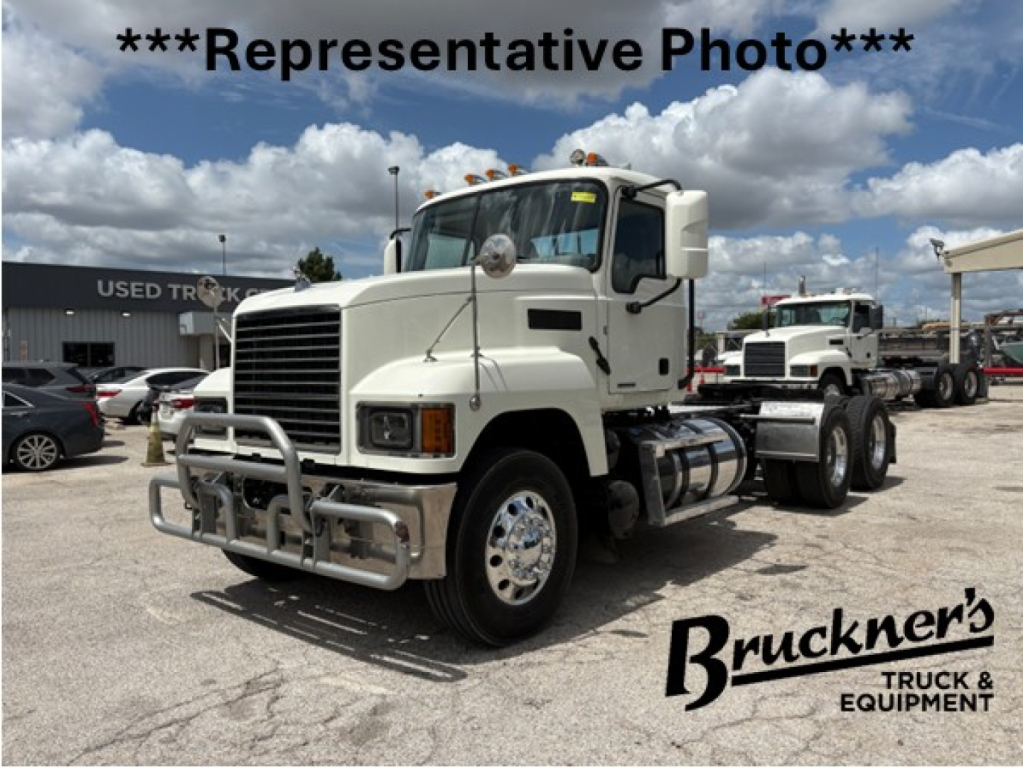
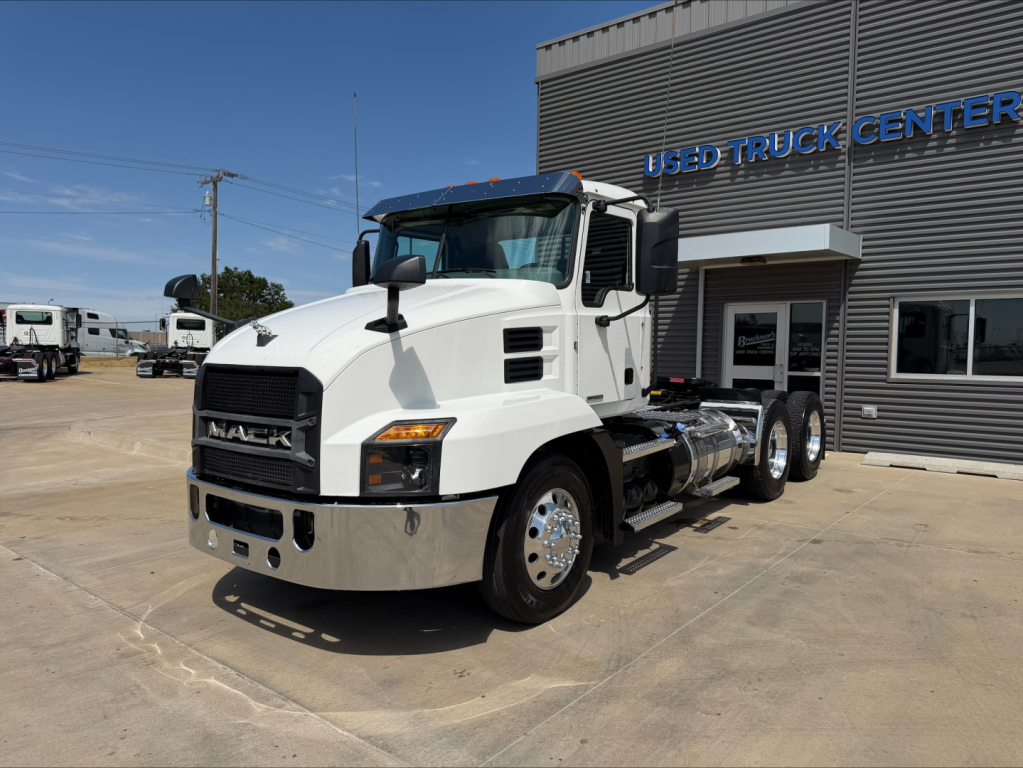
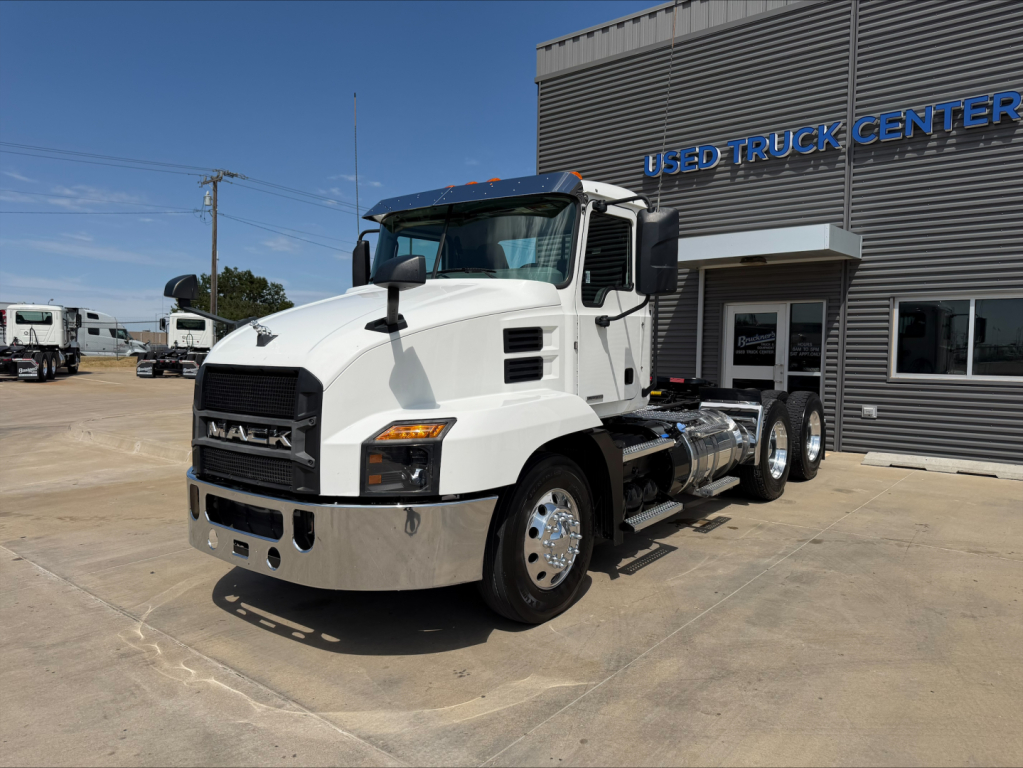
2020 Mack PI64T
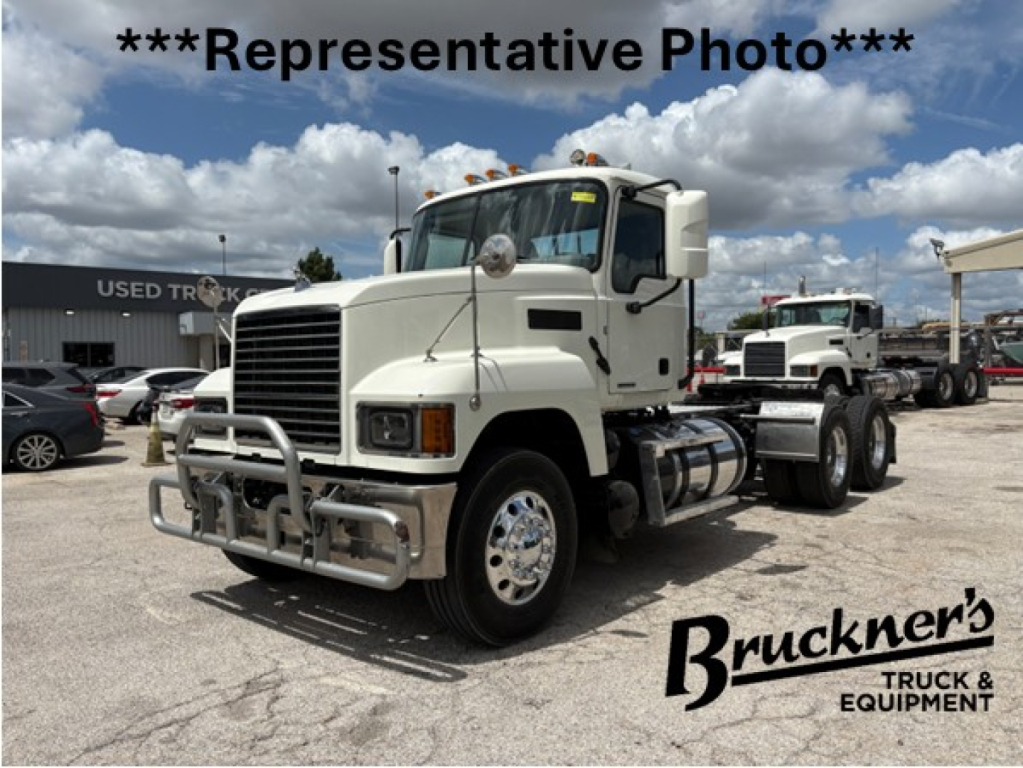
2020 Mack PI64T
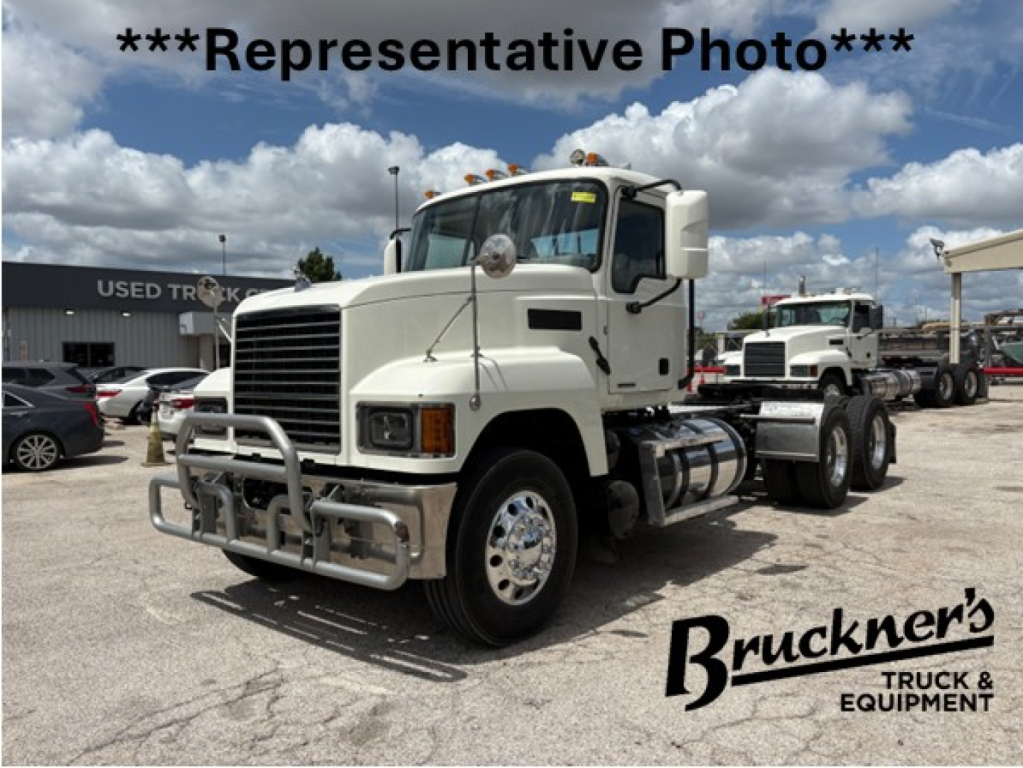
2020 Mack PI64T
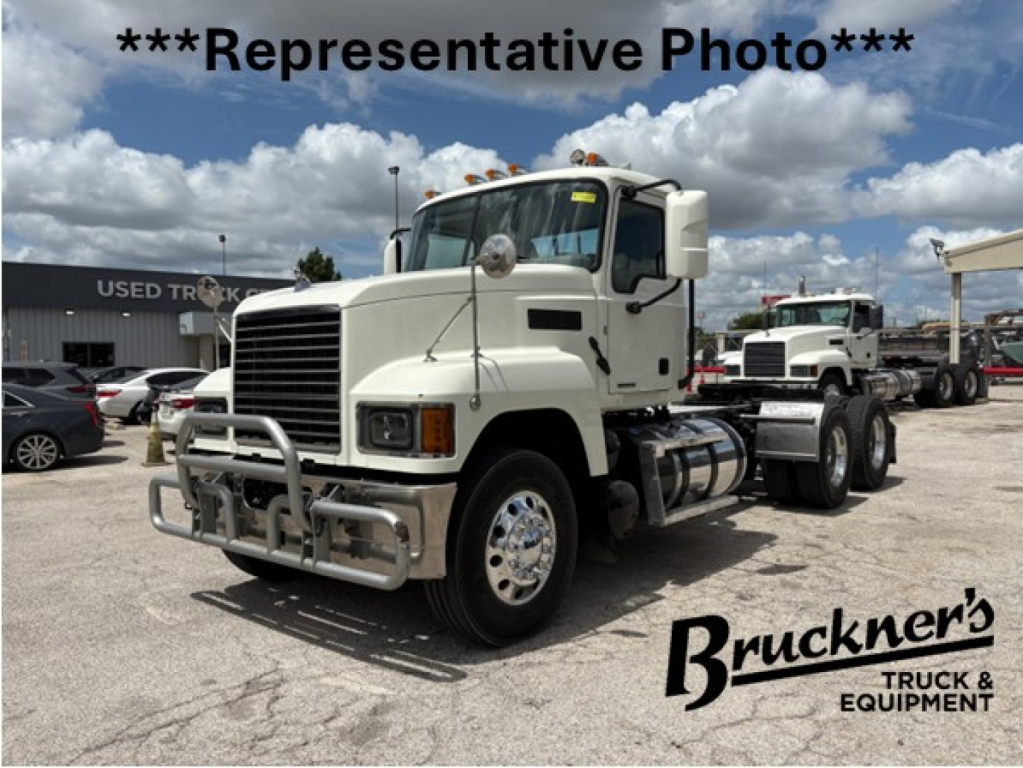
2020 Mack PI64T
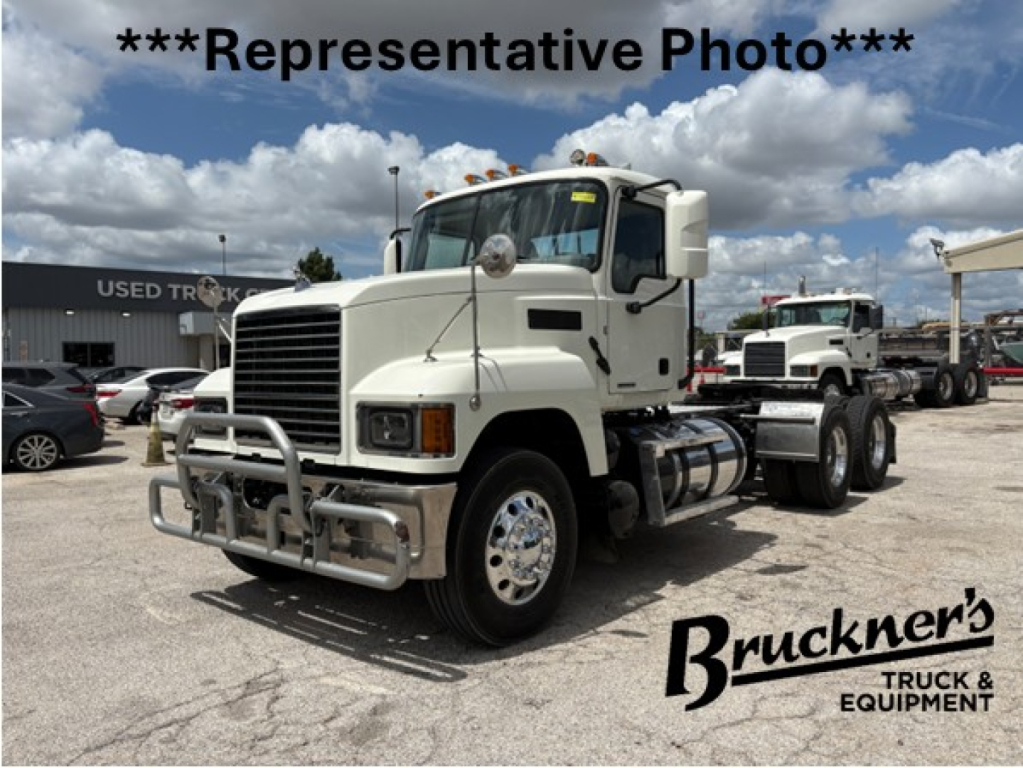
2020 Mack PI64T
Selling a used 2020 conventional daycab truck? List your used 2020 conventional daycab truck for sale and reach thousands of commercial buyers.
Used 2020 Conventional Daycab Trucks in Oklahoma
For a 2020 daycab, the most important spec decisions usually start with engine rating, transmission type, axle package, and wheelbase. Many trucks in this class are set up with 12,000 to 14,600 lb front axles, 38,000 to 40,000 lb rear axles, and air ride suspensions. Horsepower often falls in the 425 to 505 hp range, with automated manual transmissions such as Mack mDrive or Volvo I-Shift common in fleet-configured units. Rear axle ratios like 3.25, 3.36, or 3.56 can significantly change launch feel, cruise rpm, and fuel burn. A shorter wheelbase around 180 to 197 inches generally favors city work and tighter job sites, while longer setups closer to 220 inches can provide better frame space and trailer positioning flexibility.
Buyers comparing used 2020 conventional daycab trucks should pay close attention to fifth wheel placement, kingpin settings, and the relationship between wheelbase and trailer gap. That matters if the truck will pull multiple trailer lengths or operate with different body styles. Fuel capacity is another practical consideration. Dual tanks can extend route flexibility, but tank size should match payload needs and chassis weight targets. Tire profile, suspension spec, and cab equipment also affect daily use. Low-pro 22.5 tires can help with height and gearing preferences, while full-size 24.5 rubber may suit certain regional or vocational applications. Safety and driver-assist systems became more common by 2020, including adaptive cruise control, collision mitigation, and integrated braking systems.
Condition is where used 2020 daycabs separate themselves. Focus on engine hours versus mileage, emissions system history, transmission calibration updates, and documented service intervals for DPF cleaning, injector work, clutch actuators, and suspension wear items. On fleet-maintained trucks, matched specs can be a real advantage for standardizing parts and driver familiarity. A well-chosen conventional daycab from this model year can still offer strong value for fleets and owner-operators that need a modern aerodynamic chassis, reliable automated driveline, and a spec tuned for regional revenue miles rather than long-haul sleeper duty.
Frequently Asked Questions about Used 2020 Conventional Daycab Trucks in Oklahoma
What is a conventional daycab truck best used for?
A conventional daycab truck is best suited for local and regional hauling where the driver returns home daily and does not need a sleeper. Common applications include dedicated freight lanes, drayage, tanker work, dump and transfer service, agricultural hauling, and short-haul dry van or flatbed operations. The main advantages are lower tare weight, easier maneuvering, simpler cab access, and reduced complexity compared with a sleeper tractor.
What specs matter most when buying a used 2020 daycab?
The key specs are engine horsepower and torque, transmission type, front and rear axle ratings, wheelbase, rear axle ratio, suspension, and fifth wheel setup. Those specs determine how the truck launches under load, how efficiently it cruises, how well it turns in tight areas, and what trailers it can handle. Buyers should also verify fuel tank capacity, tire size, and any driver-assist systems because those details affect operating cost and day-to-day usability.
Is an automated manual transmission a good choice in a daycab?
For many fleets and owner-operators, an automated manual transmission is a strong fit in a daycab because it reduces driver fatigue, improves consistency in stop-and-go service, and can help protect the driveline from poor shifting habits. Systems such as Mack mDrive and Volvo I-Shift are widely used in regional applications. The truck should still be evaluated for clutch actuator condition, software updates, and service history, especially on higher-mileage used units.
How does wheelbase affect a conventional daycab truck?
Wheelbase affects turning radius, trailer gap, ride quality, and the amount of usable frame space on the chassis. Shorter wheelbases are usually preferred for city routes, tight yards, and frequent backing. Longer wheelbases can improve ride stability and allow more flexibility for fuel tank sizing, axle spacing, and fifth wheel placement. The right choice depends on trailer length, kingpin setting, and the type of loading docks or job sites the truck will see.
What should I inspect on a used 2020 daycab before purchase?
A serious inspection should include engine blow-by, fault codes, aftertreatment history, transmission operation, suspension wear, brake condition, tire wear pattern, and signs of frame or fifth wheel damage. Service records are especially important on emissions-era trucks because DPF cleaning intervals, DEF system repairs, and sensor replacements directly affect reliability. Engine hours should also be reviewed alongside mileage, since a daycab in urban or vocational service can accumulate substantial idle time.