
Used 2020 Conventional Day Cab Trucks For Sale in Colorado
Used 2020 conventional day cab trucks for sale in Colorado: compare mountain gearing, engine brakes, emissions records, and winter corrosion risks.
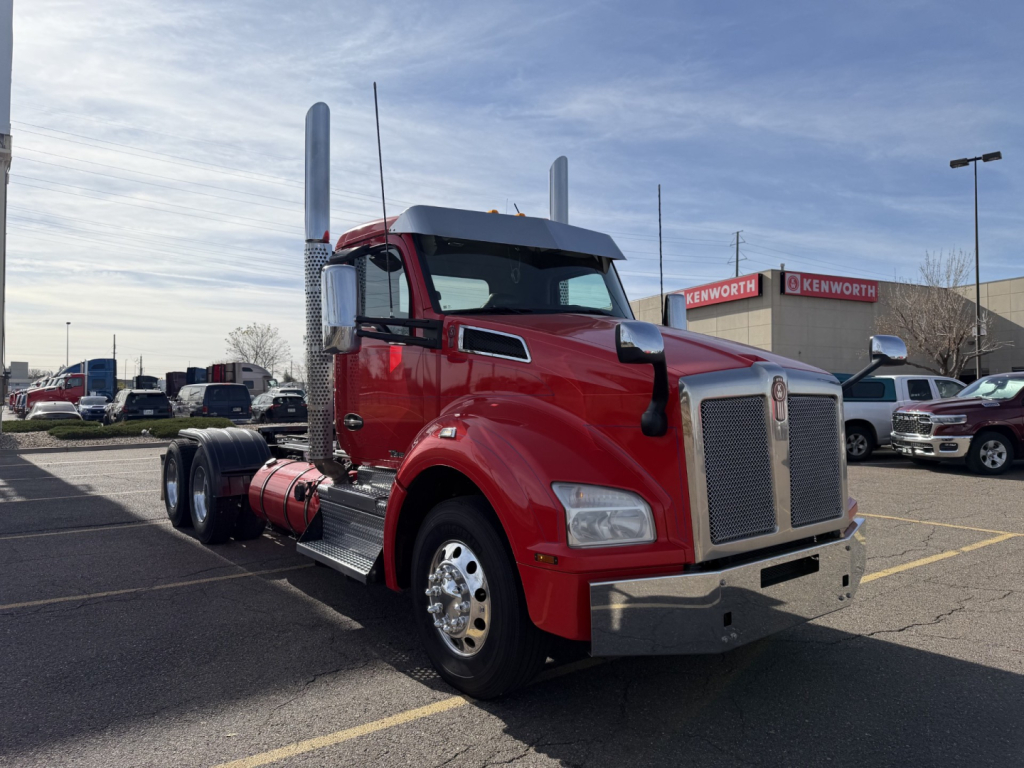
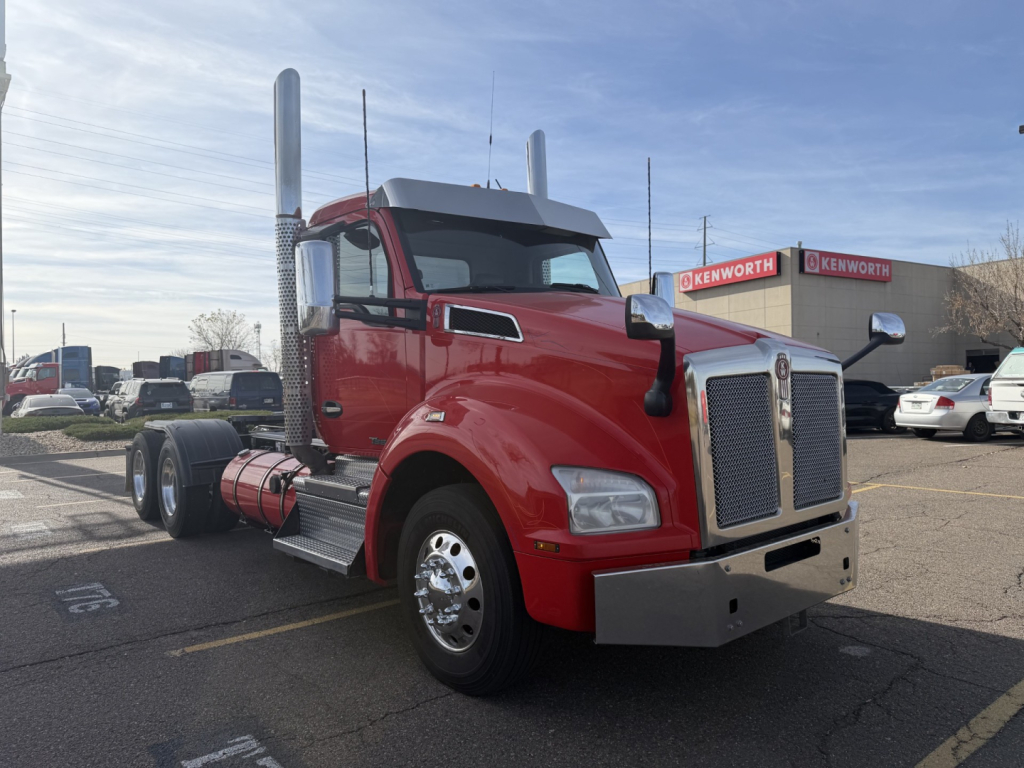
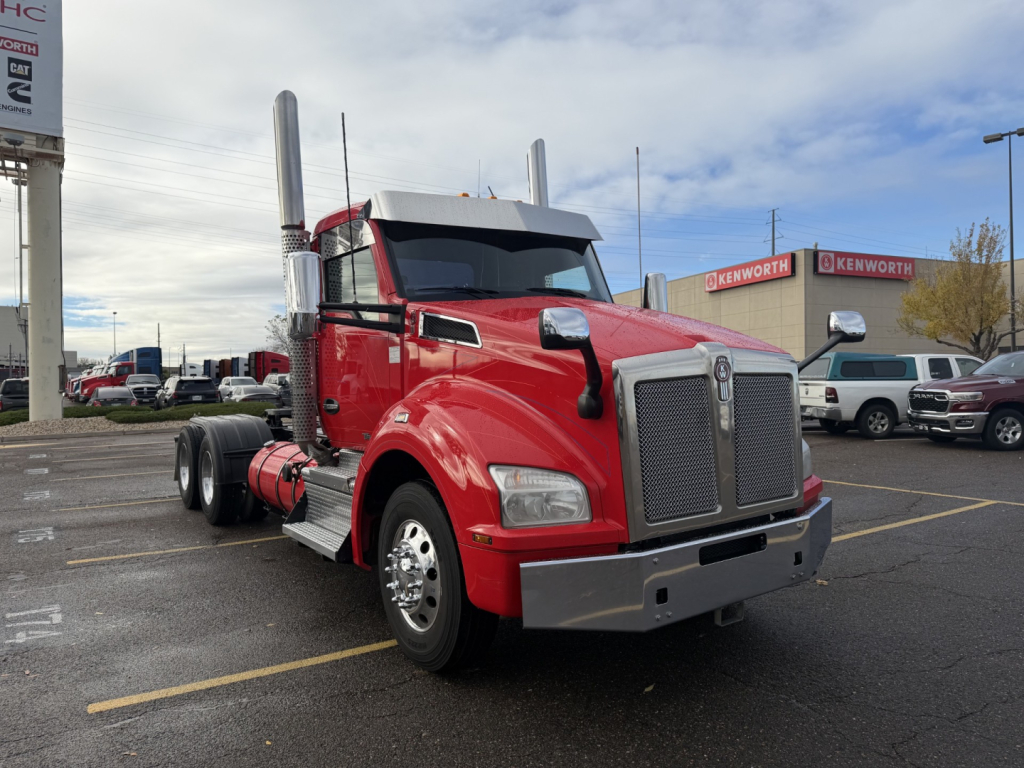
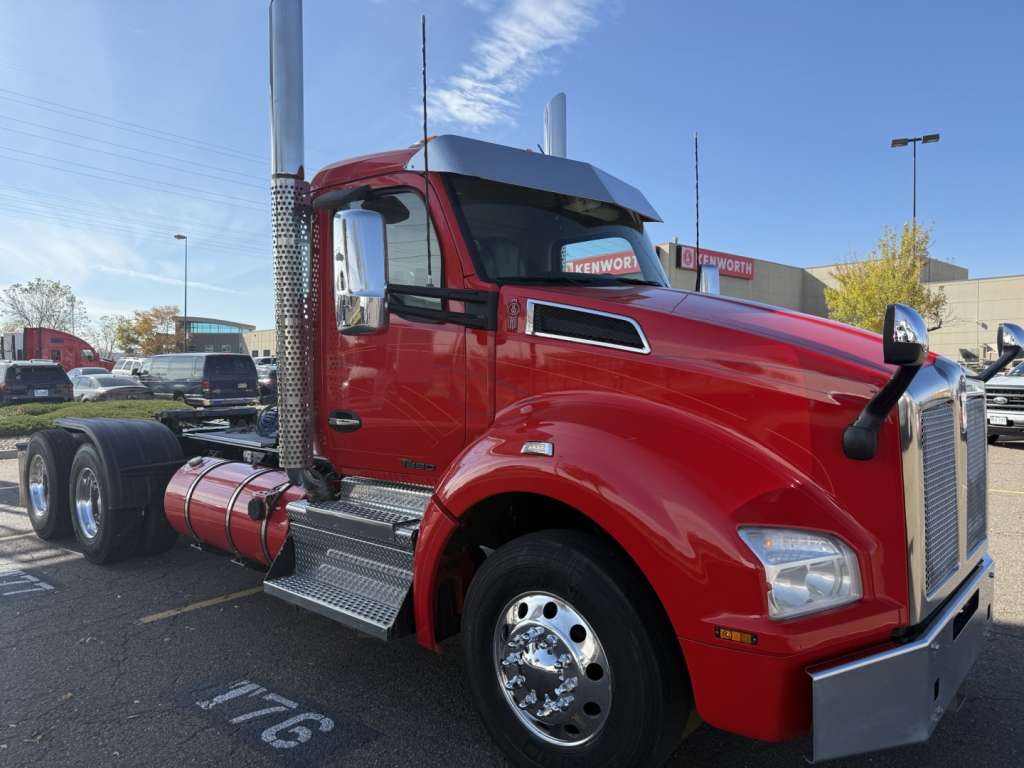
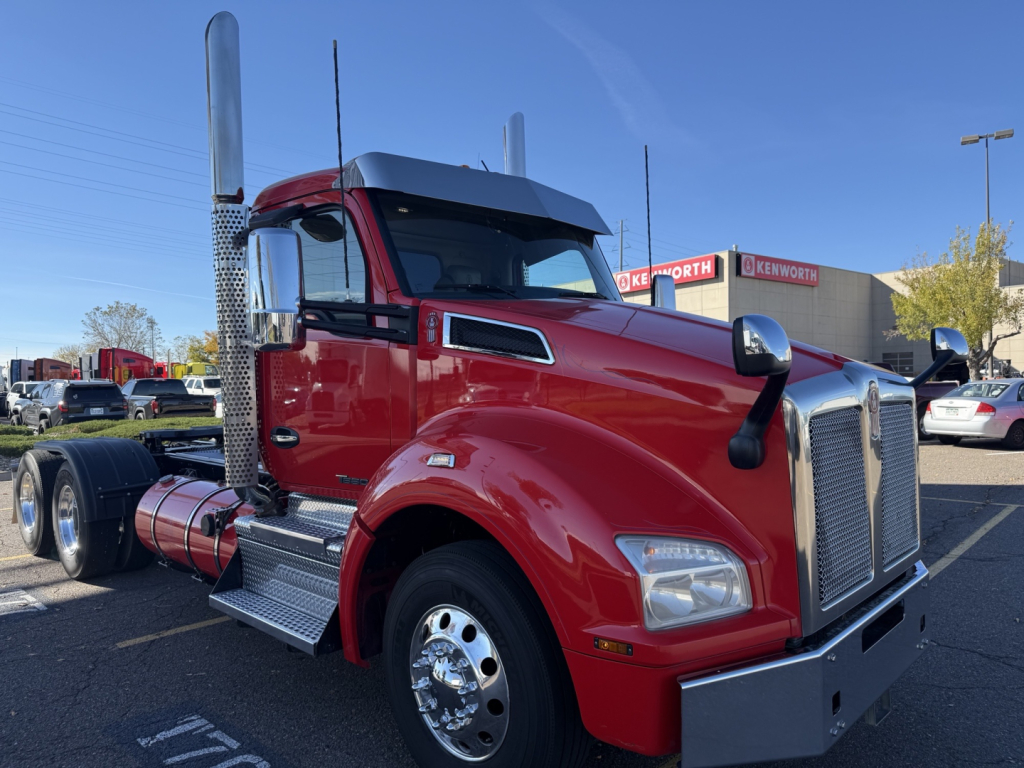
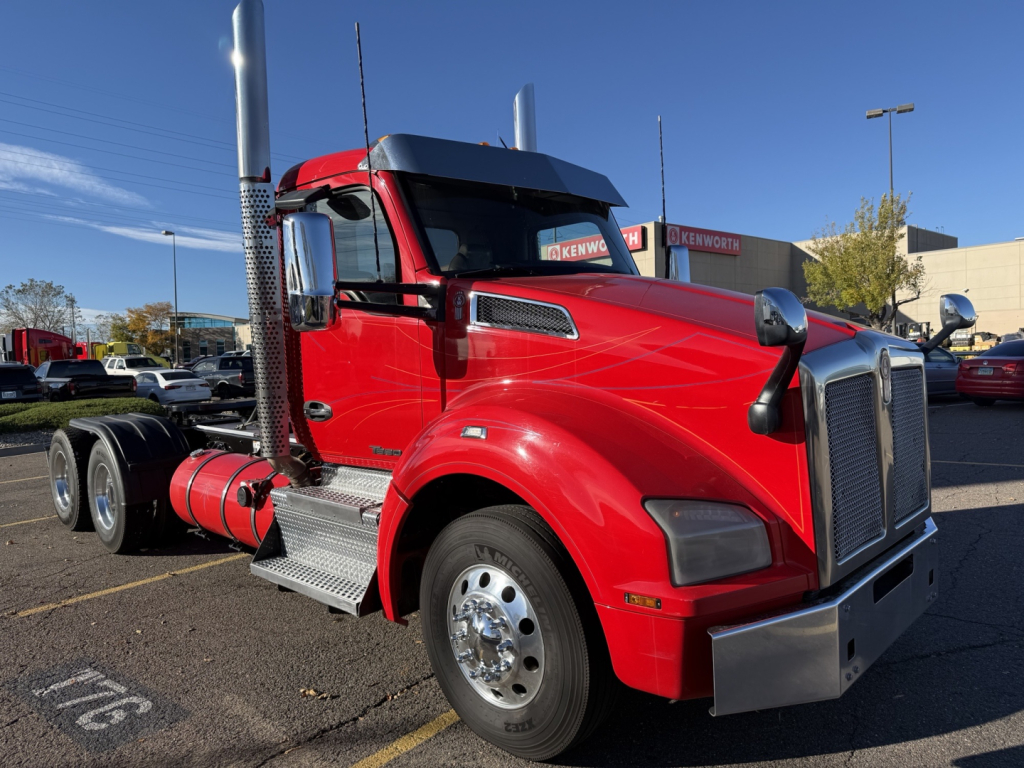
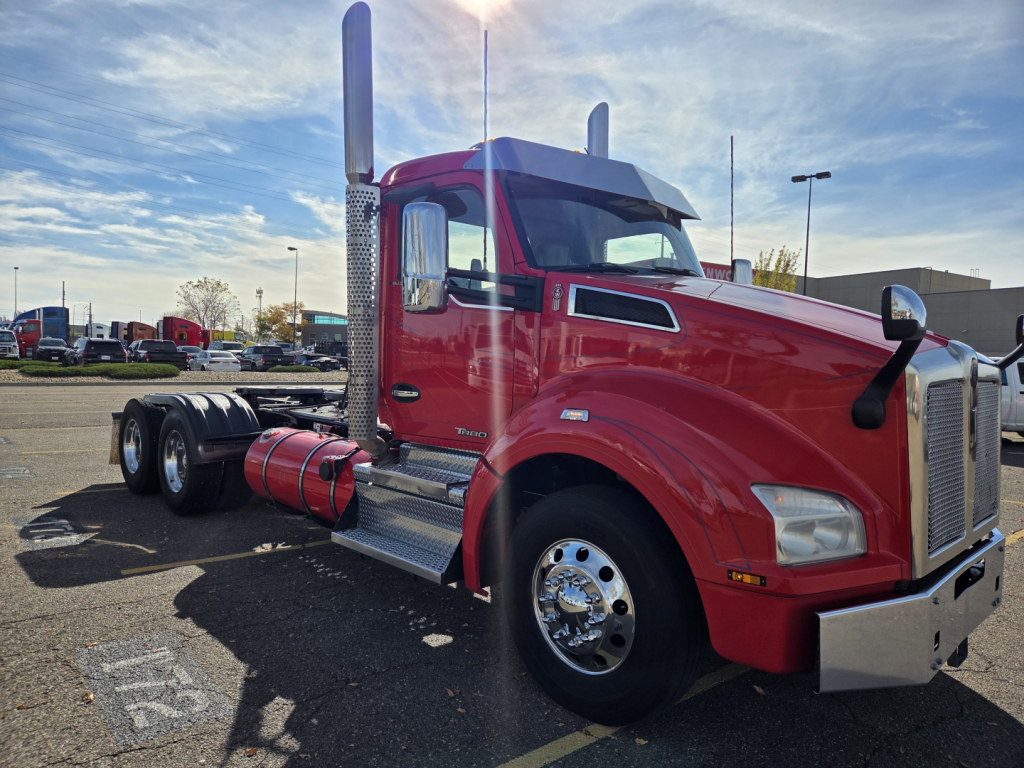
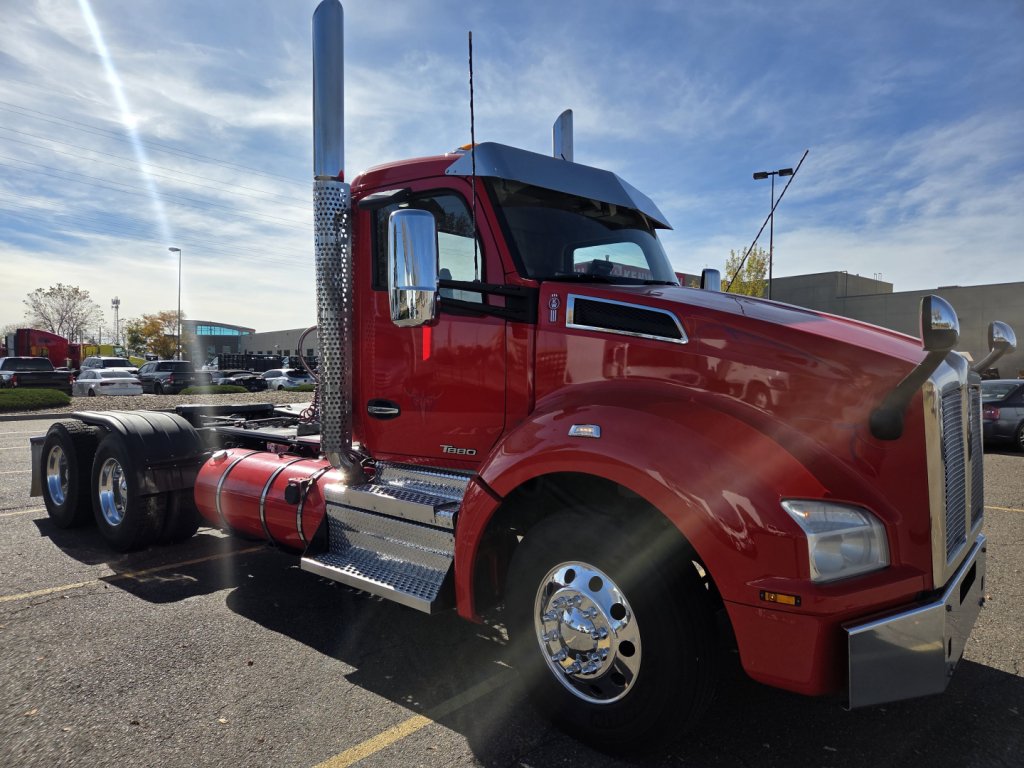
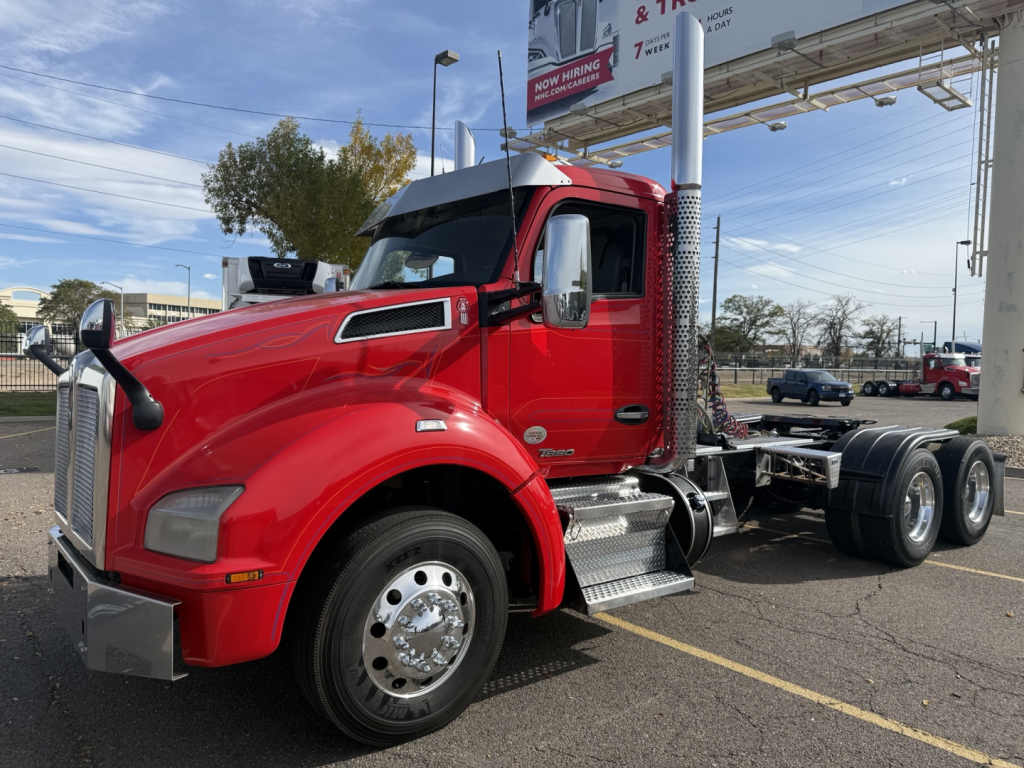
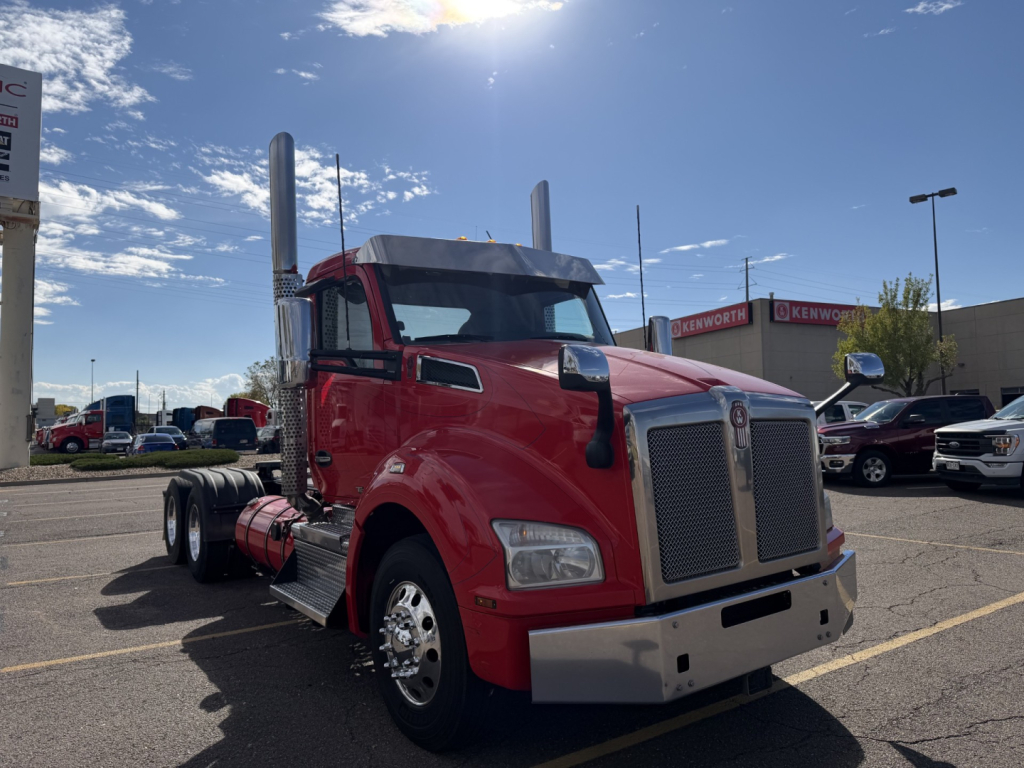
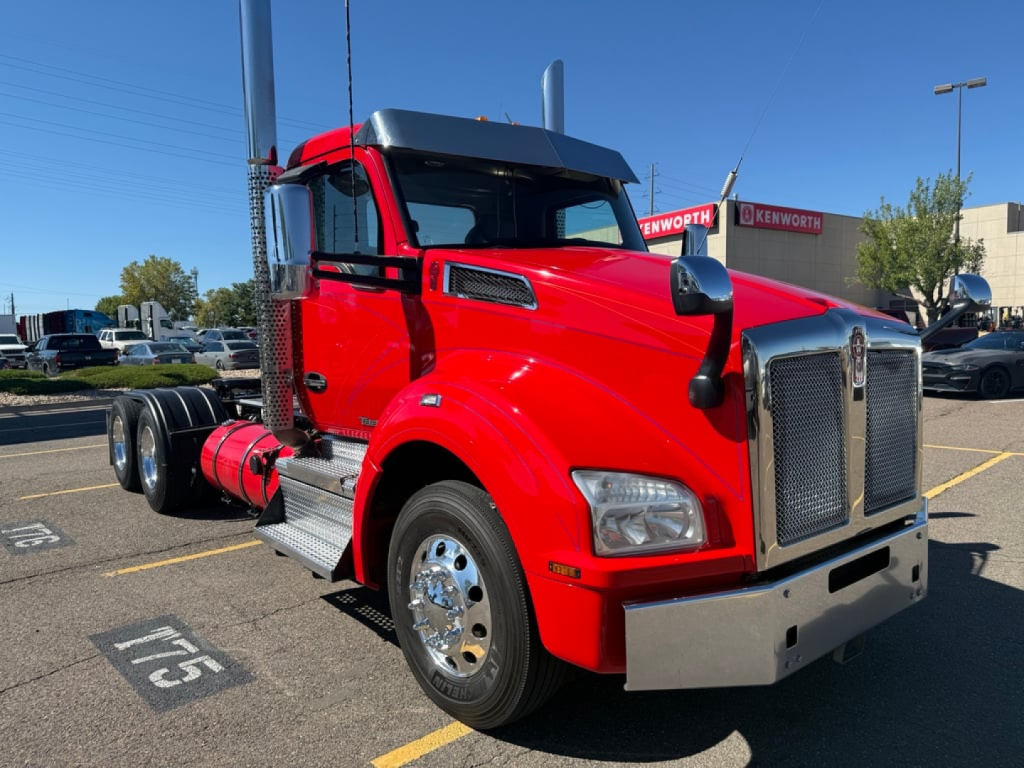
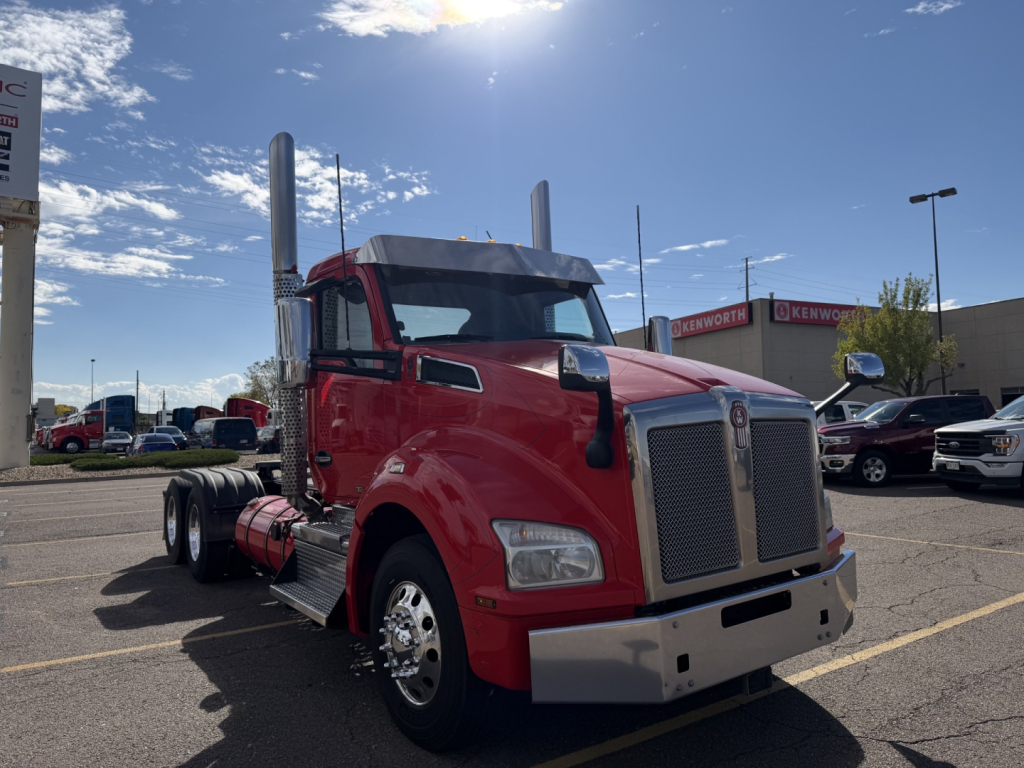
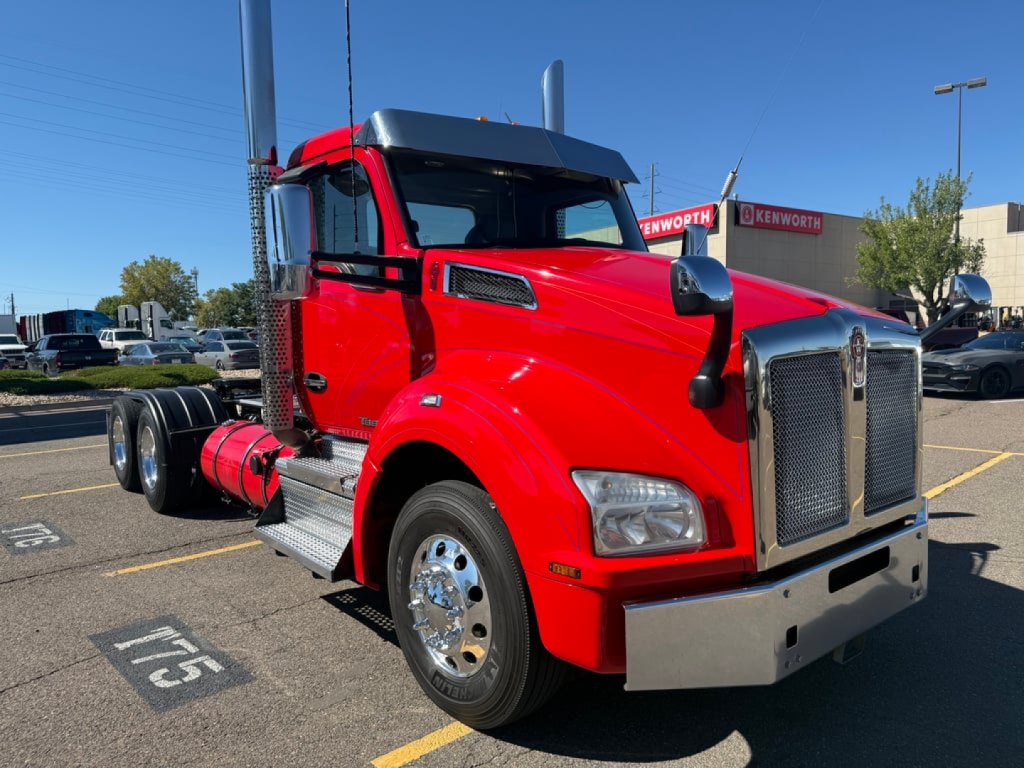
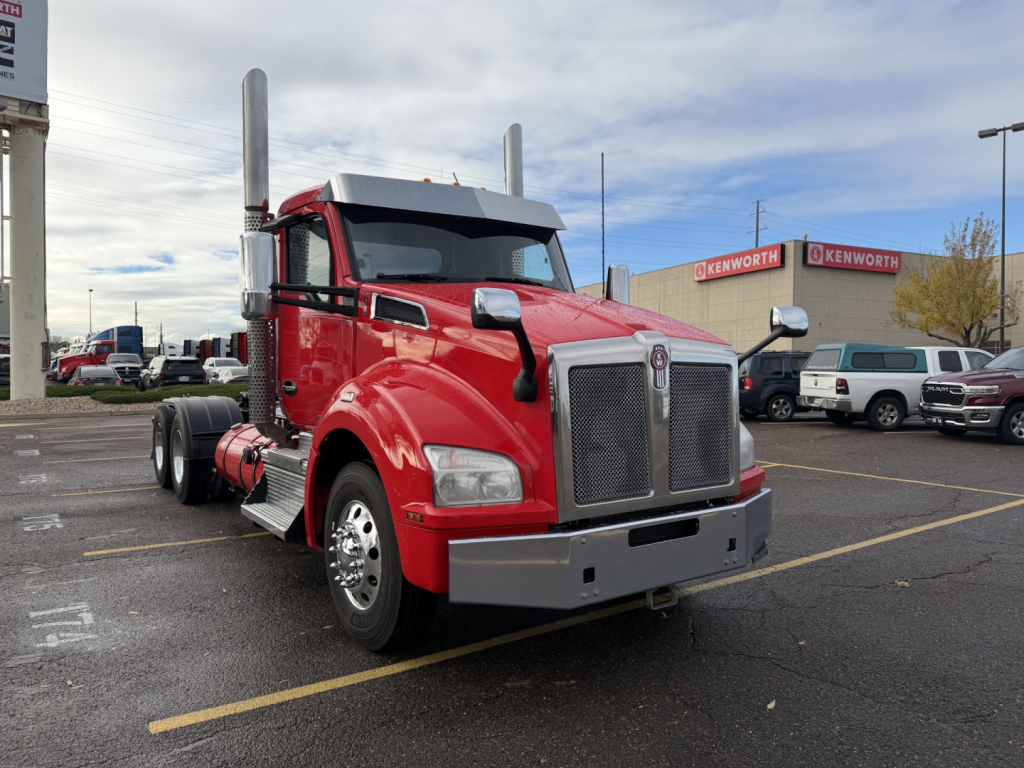
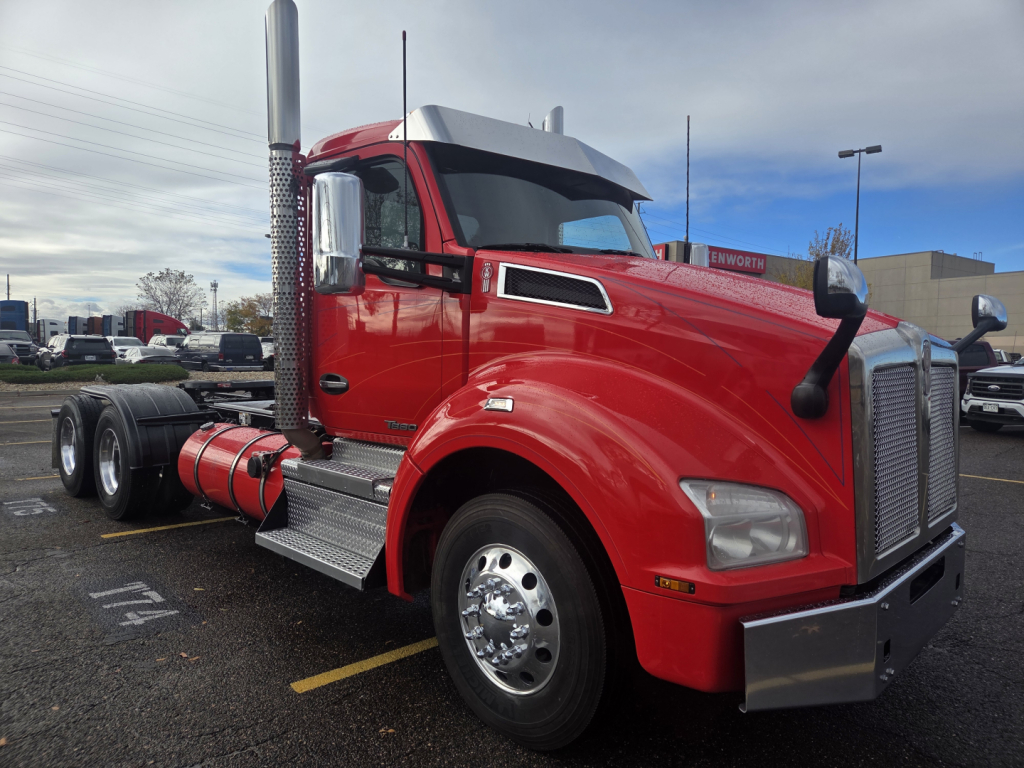
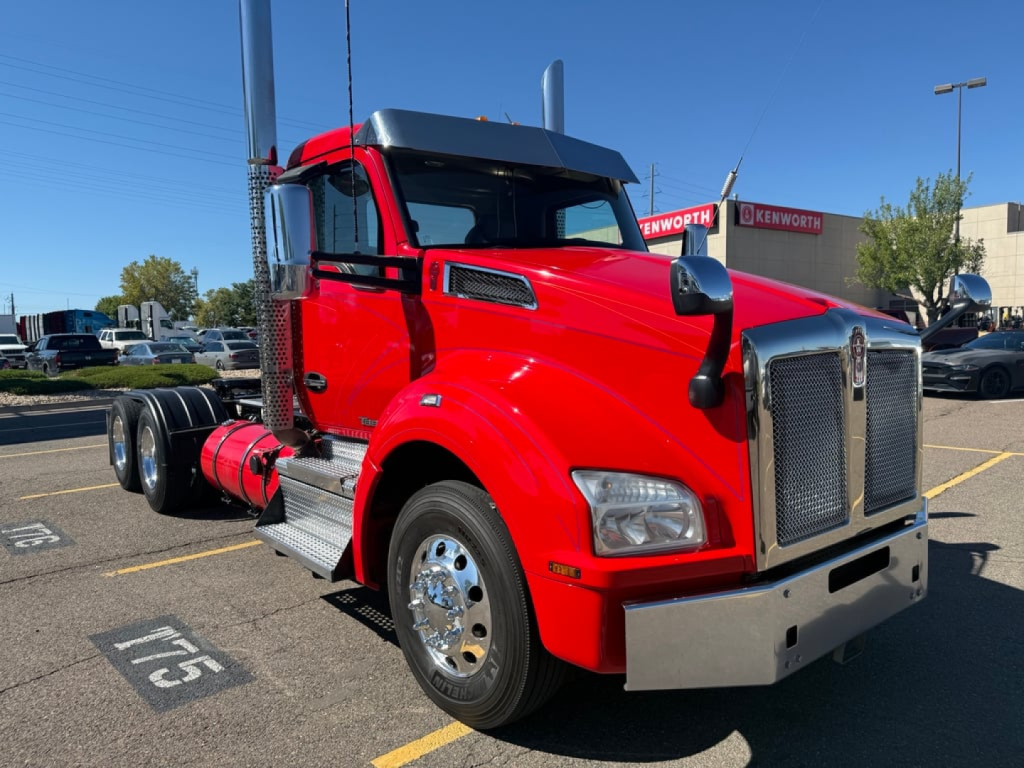
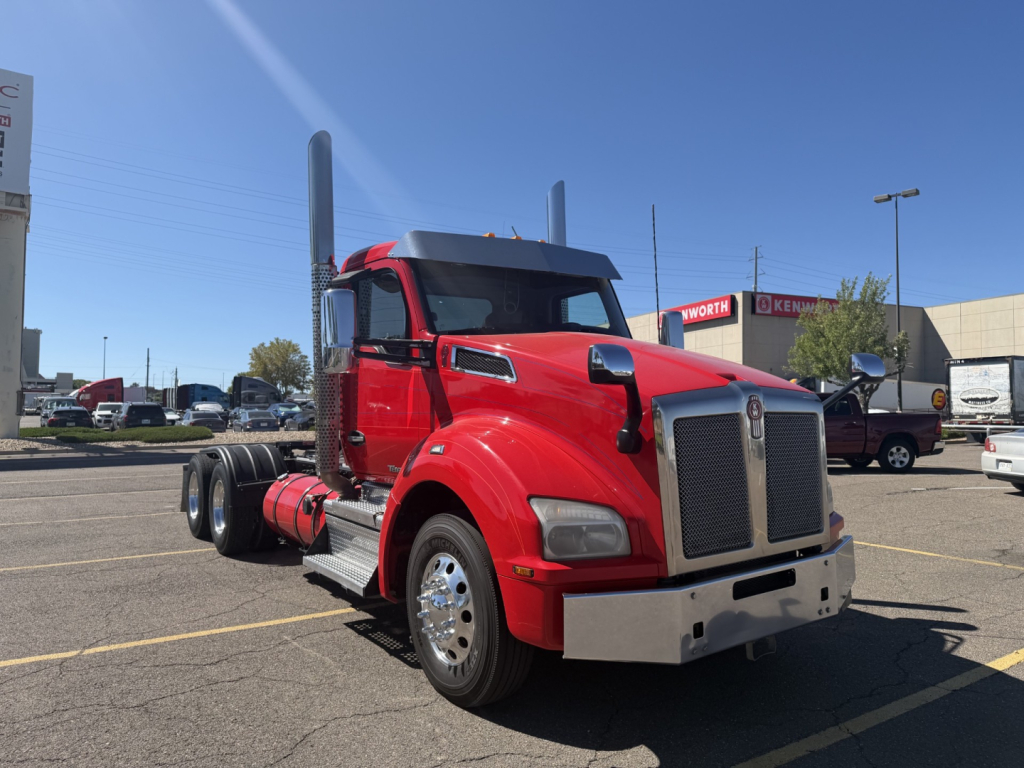
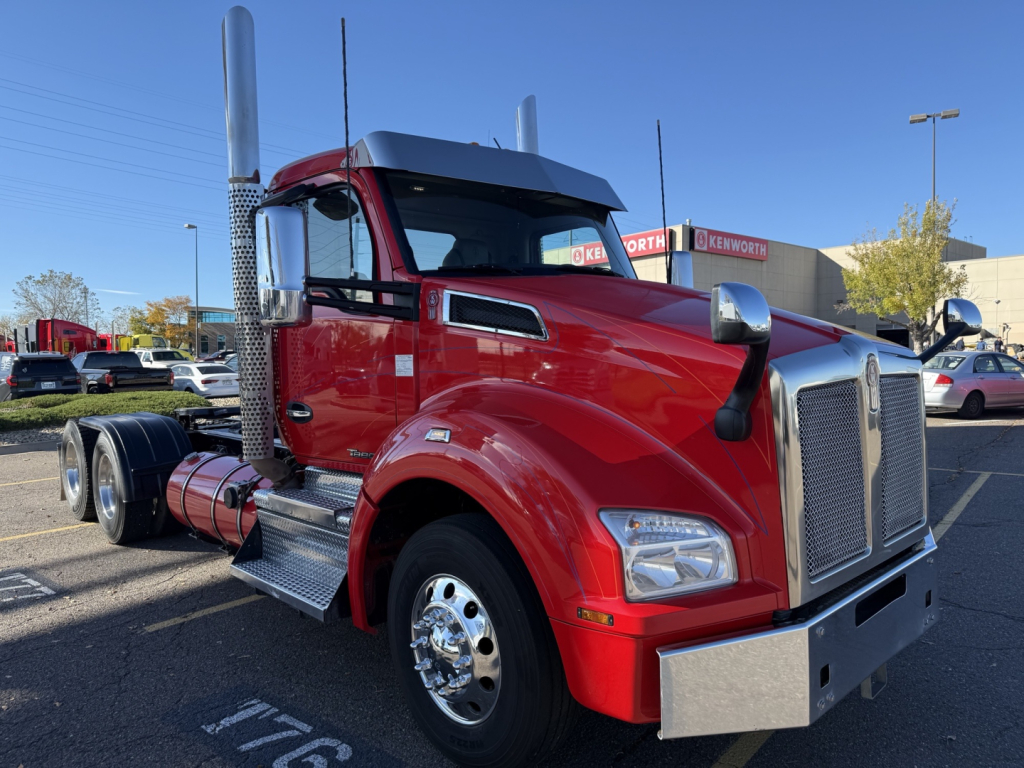
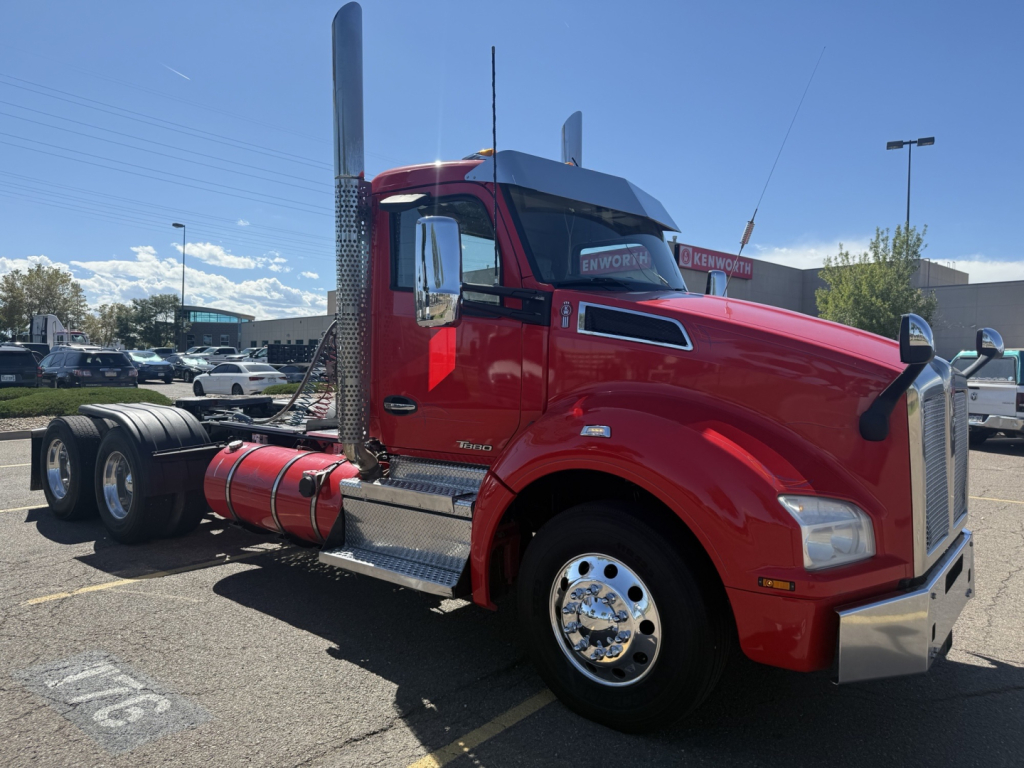
Selling a used 2020 conventional day cab truck? List your used 2020 conventional day cab truck for sale and reach thousands of commercial buyers.
Used 2020 Conventional Day Cab Trucks in Colorado
A Kenworth T880 with a PACCAR MX-13 represents a vocational-oriented choice; Freightliner Cascadia tractors with Detroit power and Volvo VNL tractors with D13 engines also serve regional day cab work. Compare automated manual, manual, and automatic transmissions by actual build specification, not seller shorthand. Wheelbase, fifth-wheel position, and trailer swing clearance determine yard usability and weight distribution. For end dumps or other hydraulic trailers, verify PTO compatibility, hydraulic flow, reservoir capacity, and hose routing.
A 2020 diesel day cab generally carries GHG17-era emissions equipment, including a DPF and SCR with DEF injection. Obtain an ECM download showing total hours, idle hours, fault history, and any recorded derate events, then reconcile those records with service invoices and odometer readings. Request DPF cleaning or replacement records and inspect DEF dosing components, exhaust sensors, and evidence of tampering. A loaded road test should check boost response, coolant temperature, engine-brake operation, and shift quality. Inspect driveline joints, differential noise, clutch condition where applicable, and fifth-wheel jaw wear.
Colorado winter service warrants a close look at frame rails, crossmembers, air tanks, brake hardware, and electrical connectors for deicer corrosion. Check the air dryer, battery condition, coolant freeze protection, and tire condition before mountain work. A Colorado location does not establish the truck's operating history; maintenance records and prior registration history can reveal earlier Snow Belt service or severe-duty use.
Frequently Asked Questions about Used 2020 Conventional Day Cab Trucks in Colorado
Do I need to carry chains in a day cab tractor in Colorado?
Colorado requires commercial vehicles rated over 16,000 pounds to carry tire chains from September 1 through May 31 on designated mountain corridors. A heavy day cab tractor falls within that requirement. Approved alternative traction devices may qualify under state rules, but carrying equipment and installing equipment are separate obligations. Verify current CDOT route coverage and chain-installation requirements for the tractor's axle configuration before dispatch.
Will any wet kit on a used 2020 day cab work with an end dump trailer?
An end dump requires a wet kit matched to the trailer cylinder's pressure, flow, and usable oil-volume requirements. A hydraulic system previously used for another trailer type is not automatically compatible. On a used 2020 day cab tractor, confirm the pump specification, relief setting, reservoir capacity, control arrangement, and coupler compatibility. Verify that the transmission supports the installed PTO and that PTO operation follows the transmission manufacturer's requirements.
Can a day cab with 40,000-pound rear axles legally carry 40,000 pounds on the tandem in Colorado?
A 40,000-pound tandem rating does not authorize 40,000 pounds on Colorado Interstate highways; the standard federal tandem limit is 34,000 pounds. The axle rating describes equipment capacity, not legal road loading. A day cab and trailer combination must also satisfy gross-weight limits, bridge-formula requirements, tire ratings, and other applicable restrictions. Fifth-wheel adjustment can redistribute weight, but it cannot increase legal axle limits.
Does a 2020 day cab always have a 2020 emissions-certified engine?
No. A 2020 conventional day cab's chassis model year does not, by itself, establish the engine's emissions certification year. Verify the engine emissions label, engine serial number, and manufacturer build records rather than relying on the title alone. An engine replacement or unusual chassis configuration requires closer documentation review. Confirm that the engine, calibration, and installed aftertreatment form a compliant configuration before purchasing the tractor.