
Used 2019 Conventional Daycab Trucks For Sale in Texas
Shop used 2019 conventional daycab trucks in Texas. Compare wheelbase, engine, transmission, axle ratio, and spec for regional hauling.
Learn more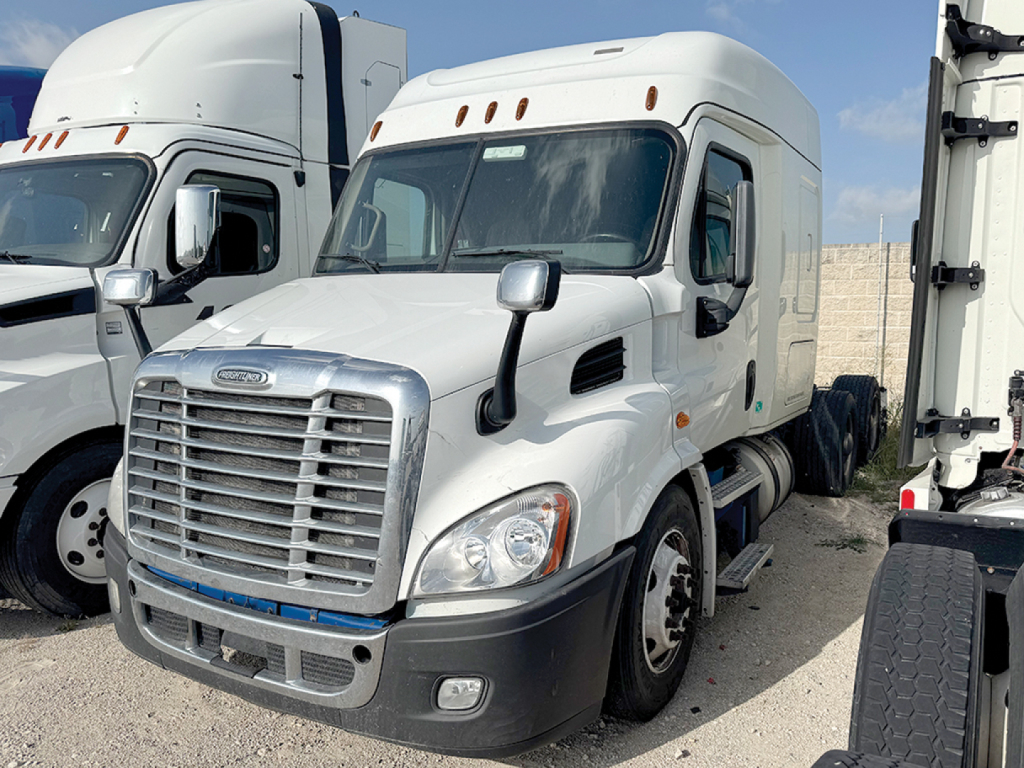
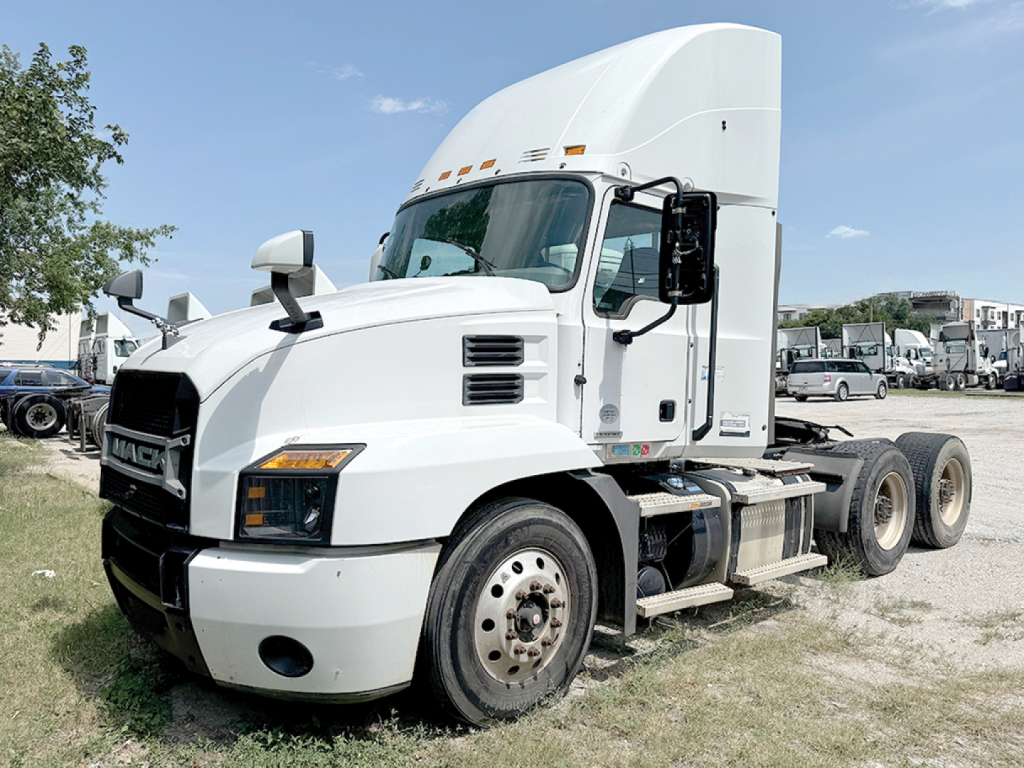
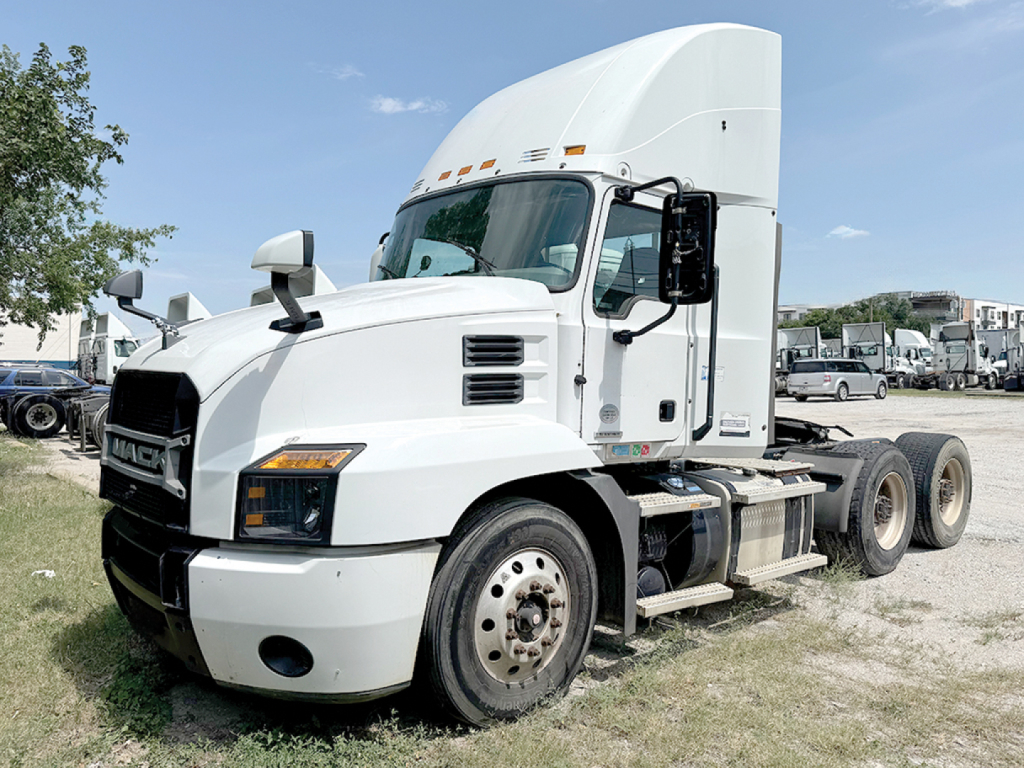
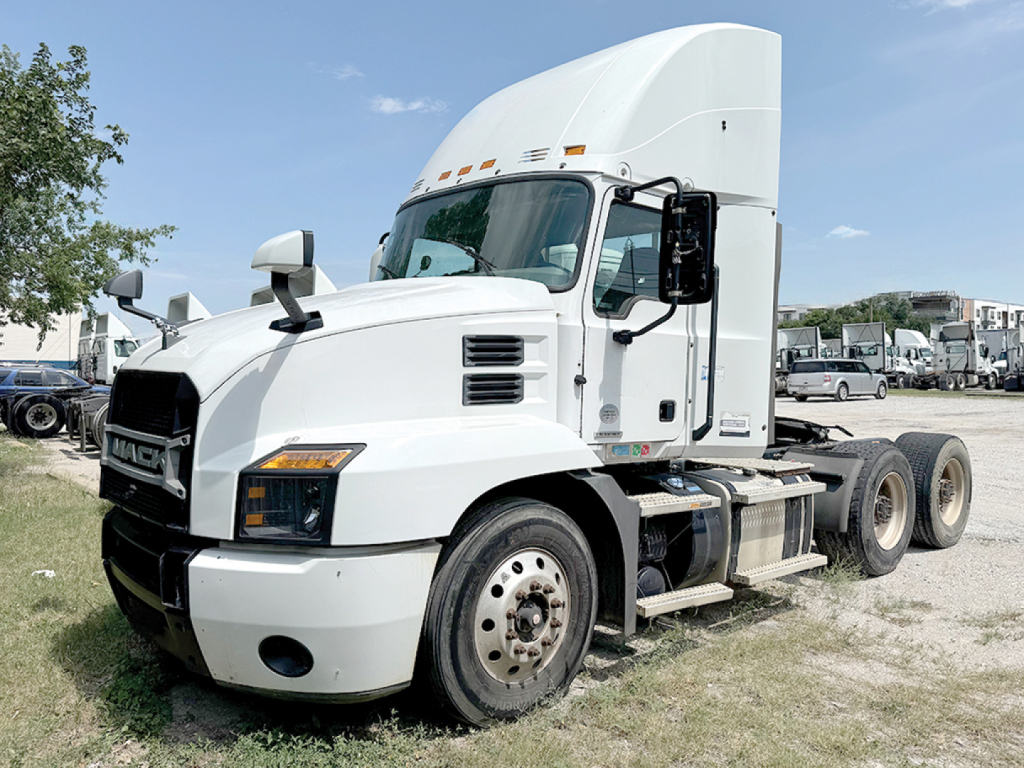
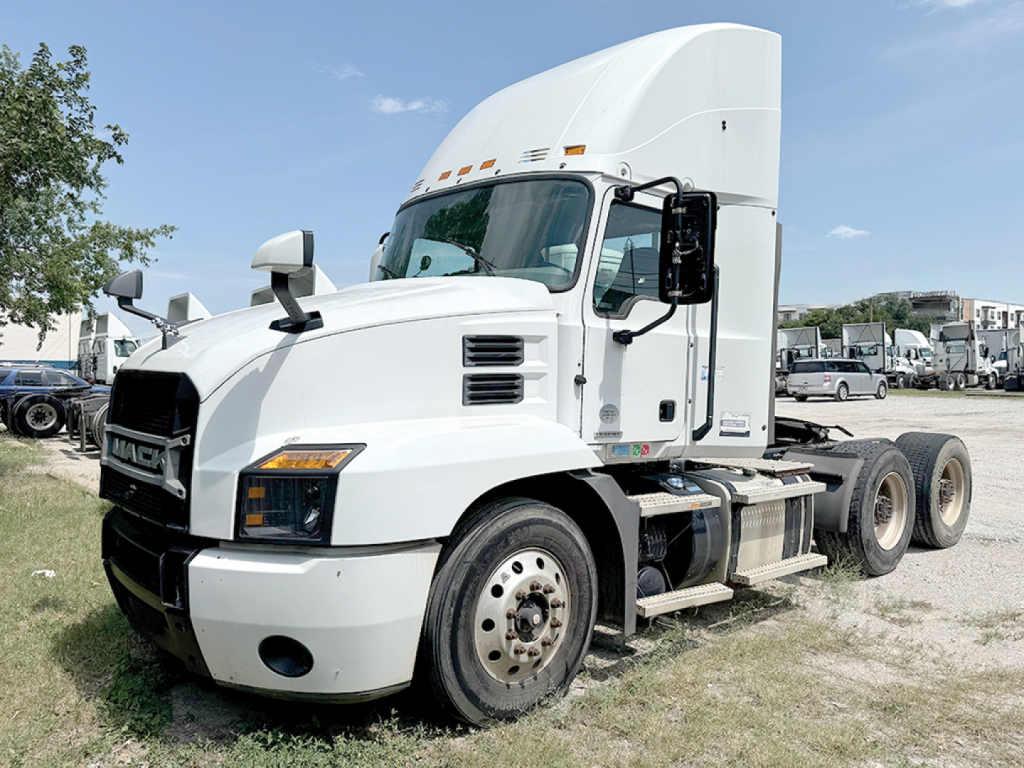
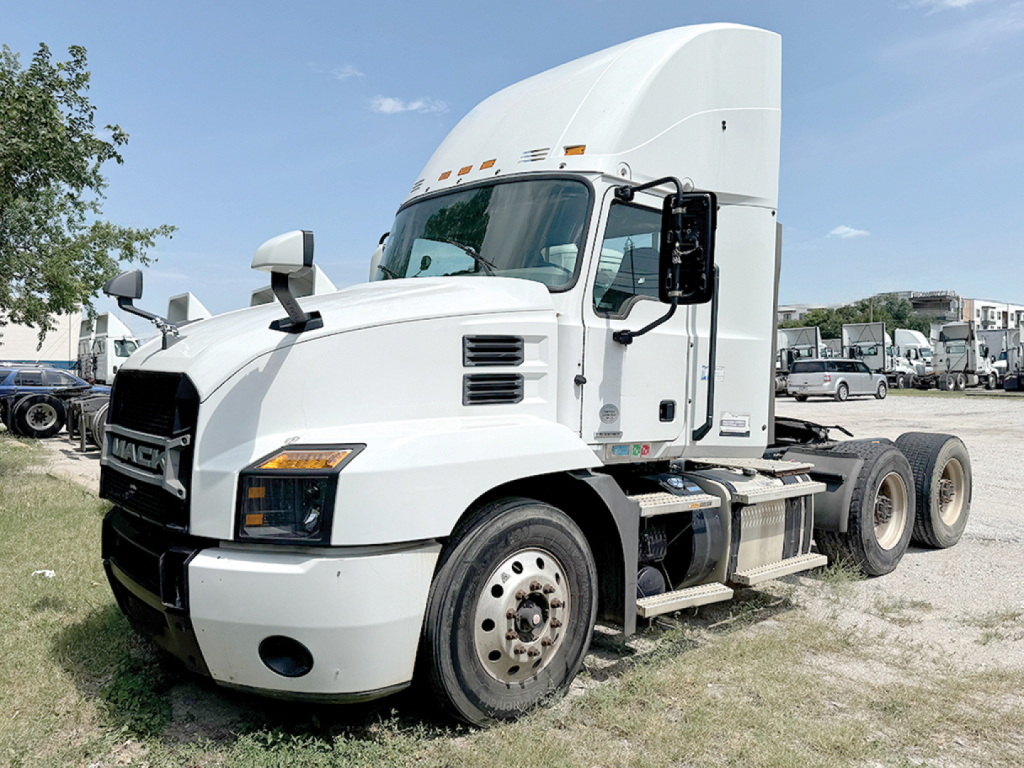
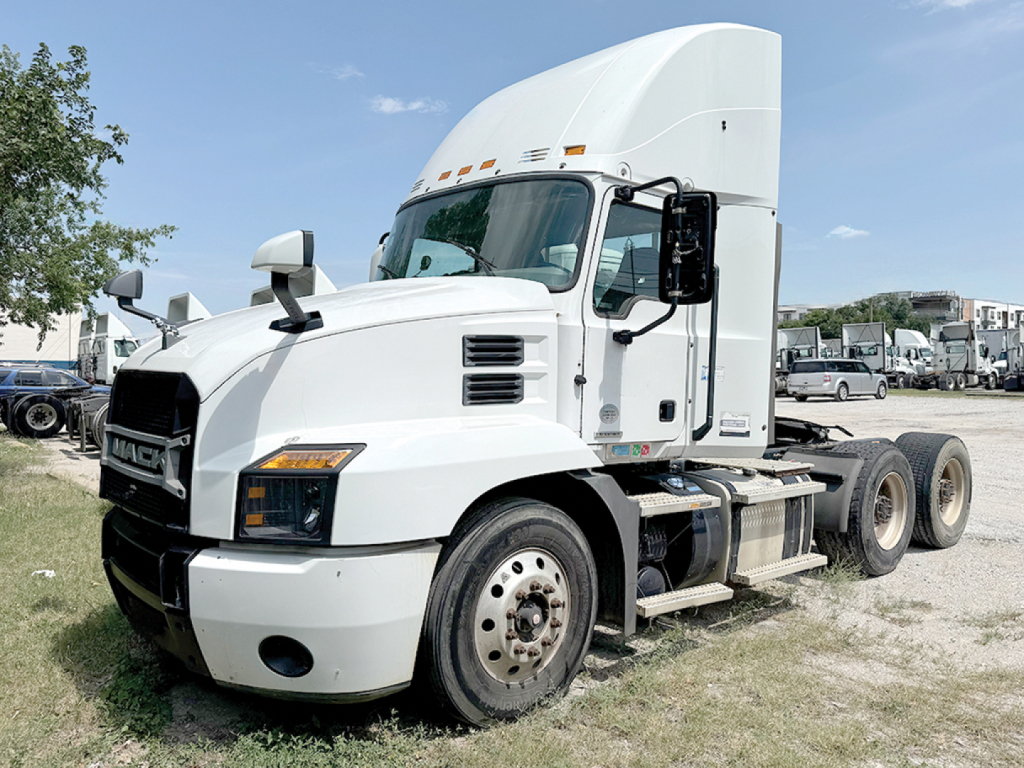
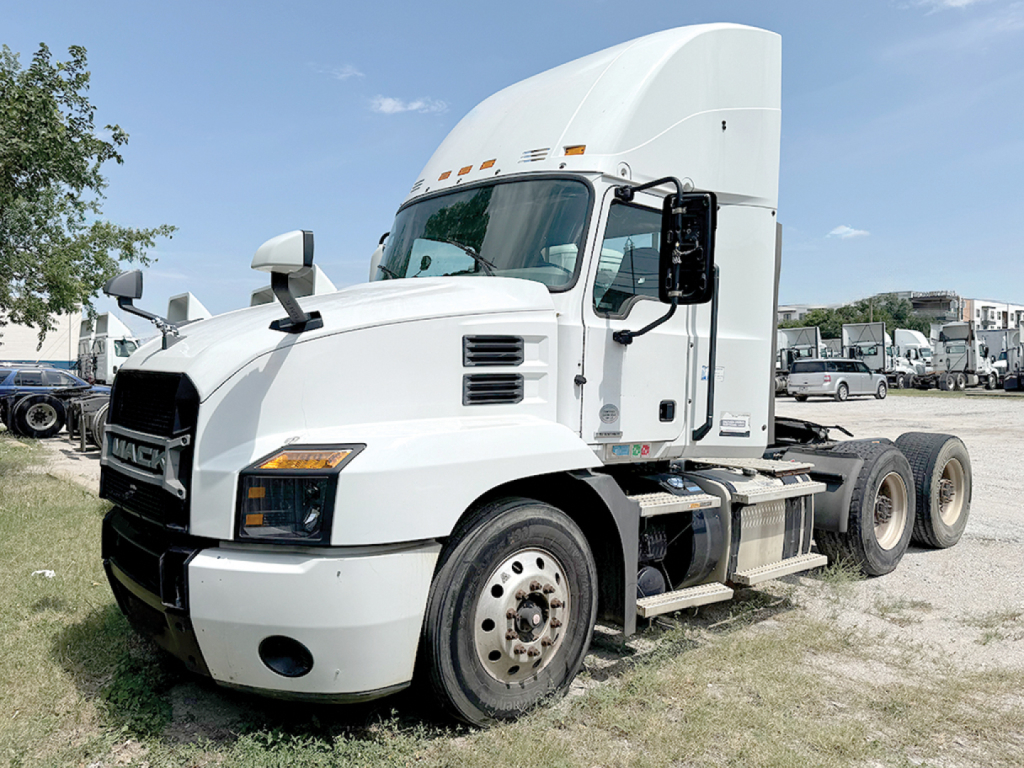
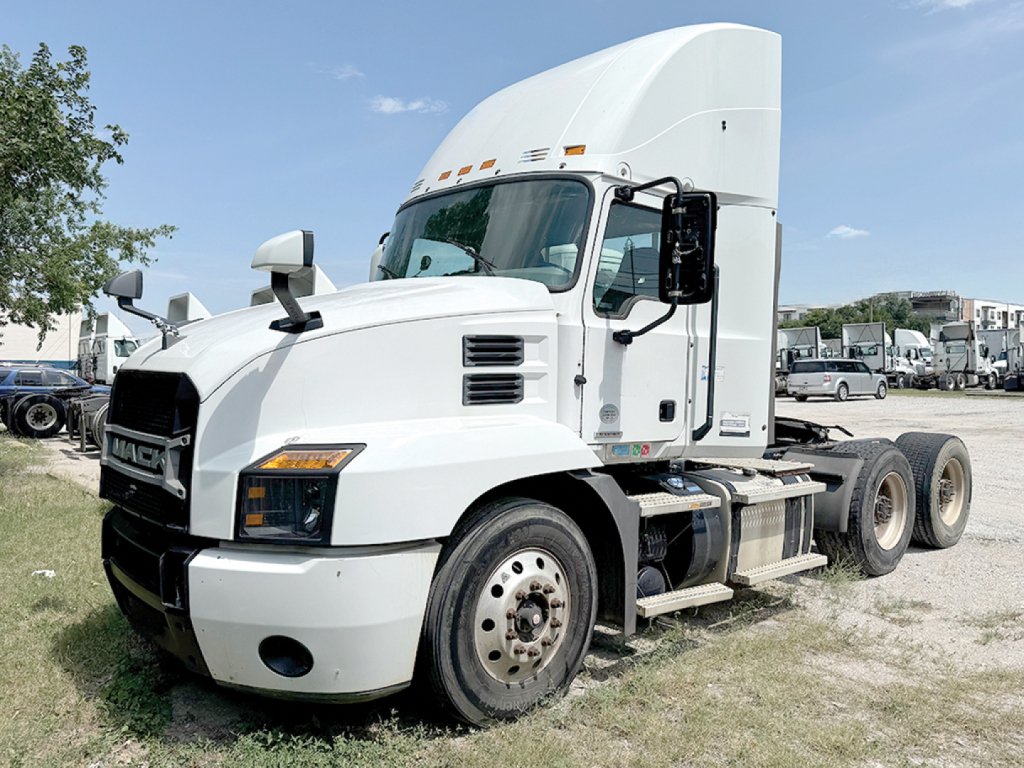
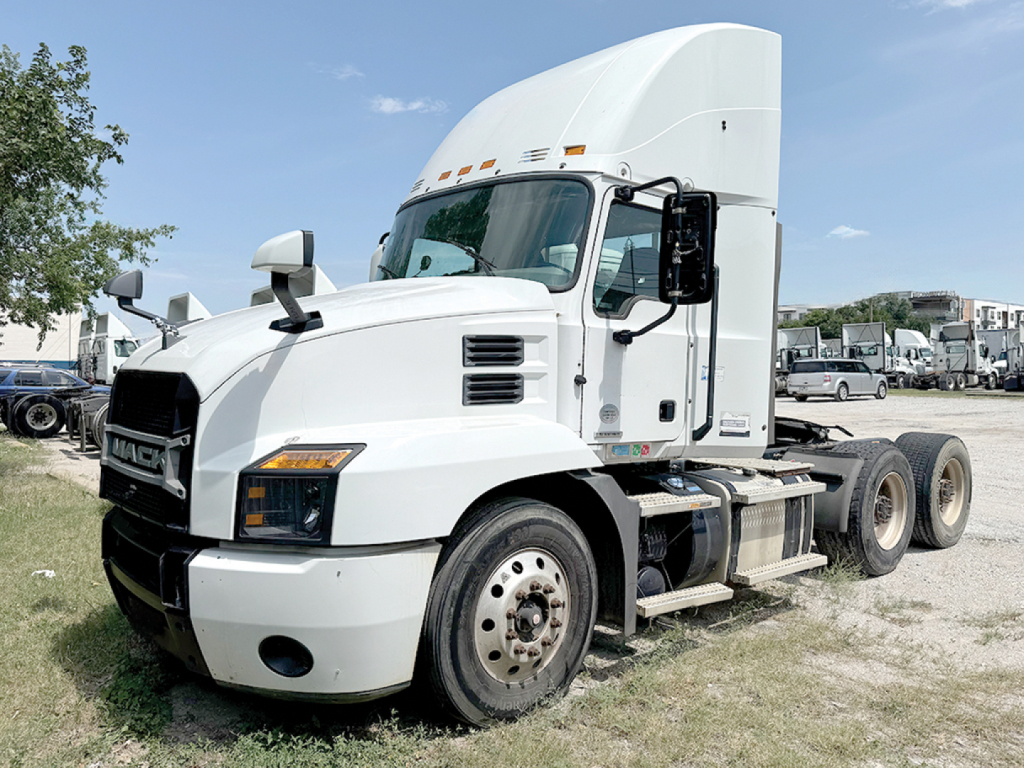
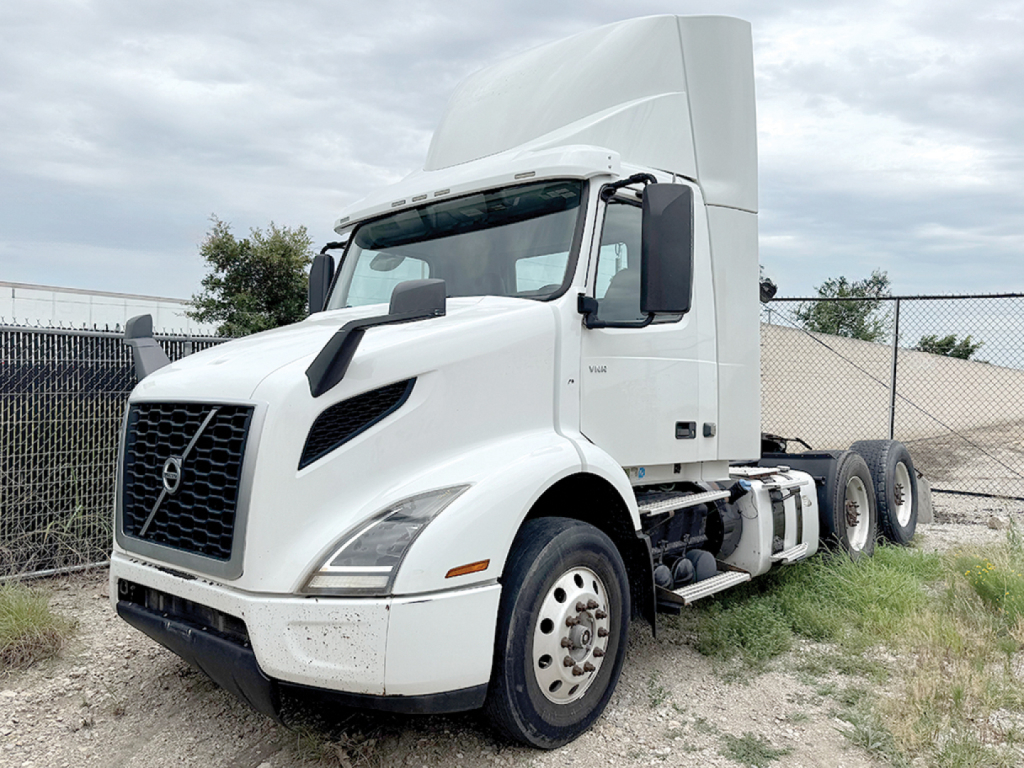
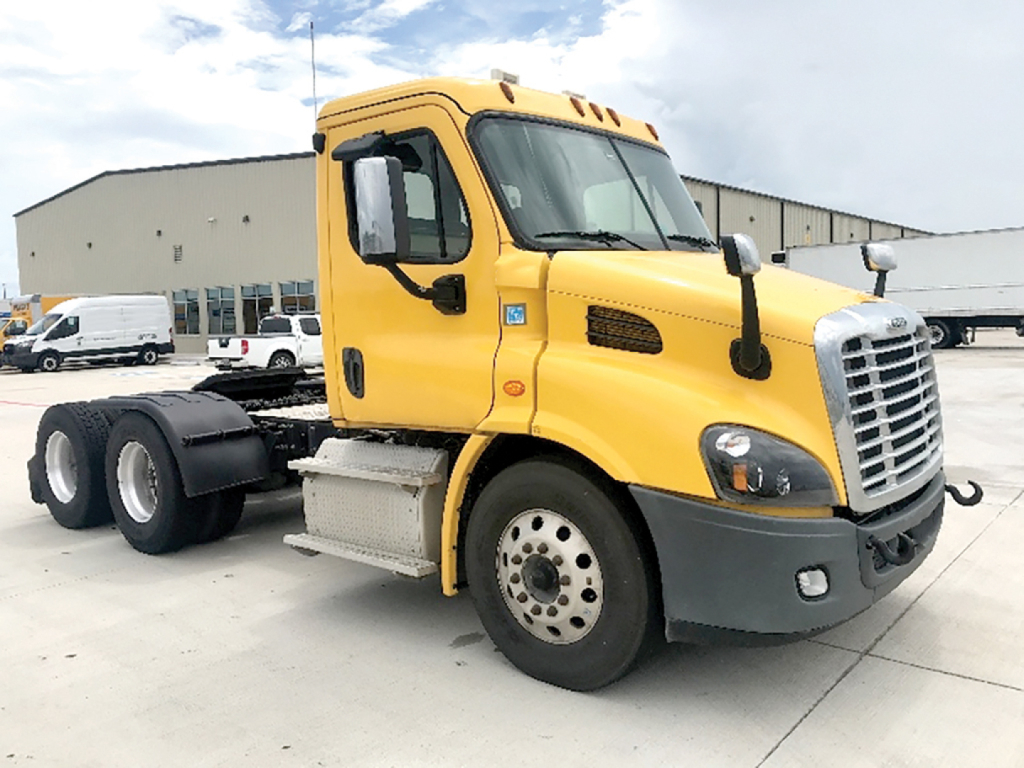
Showing 1 to 12 of 22 results
Have used 2019 conventional daycab truck to sell? List it here to reach thousands of buyers.
About Used 2019 Conventional Daycab Trucks in Texas
Transmission choice matters because it changes driver acceptance, fuel economy, and maintenance planning. Many 2019 conventional daycabs were built with automated manuals like the Detroit DT12, Eaton Endurant, Volvo I-Shift, or Mack mDRIVE, while some fleets still preferred 10-speed or 13-speed manuals. Automated transmissions usually help in stop-and-go regional service and can improve consistency across multiple drivers. Manual transmissions still appeal to buyers running specialized freight or fleets with in-house maintenance that prefer a simpler spec. Rear axle ratio is another major decision point. Ratios like 2.64, 2.79, 3.08, or 3.36 can significantly affect launch performance, cruise RPM, and fuel burn depending on trailer weight and route profile.
Texas buyers should also pay close attention to cooling system condition, emissions history, and chassis layout. A 2019 truck will typically have newer aerodynamics and safety electronics than older daycabs, but it is still old enough that DPF service records, DEF system repairs, and fault history deserve a close review. Look at the fifth wheel setup, sliding versus fixed position, if your trailer mix varies. Check frame rail space and back-of-cab clearance for wet kits, headache racks, deck plates, and airline routing if the truck will be used in vocational or heavy regional applications. Features like heated mirrors, air slide fifth wheel controls, dump valve controls, and lane departure or lane keep systems can also matter in daily operation.
The best used 2019 conventional daycab is not just the one with the lowest miles. It is the one with a spec that matches the freight, legal weights, and driver environment. For dry van and reefer lanes, aerodynamic highway specs with taller gearing often make sense. For port work, short hauls, or heavier trailer starts, a shorter wheelbase and deeper ratio may be the better choice. Review engine hours along with odometer miles, confirm tire and brake life, inspect suspension bushings and kingpins, and verify maintenance intervals before comparing price. A well-matched 2019 daycab can still deliver strong service life and predictable operating cost in Texas regional operations.
Frequently Asked Questions
What is a conventional daycab truck used for?
A conventional daycab truck is built for routes that do not require a sleeper berth. It is commonly used for regional hauling, local pickup and delivery, drayage, dedicated fleet work, LTL operations, and short to medium-length highway runs. The absence of a sleeper reduces overall weight and can improve maneuverability, which is useful in urban terminals, distribution centers, and frequent drop-and-hook service.
What should I look for in a used 2019 conventional daycab?
Start with the drivetrain spec, mileage, engine hours, and service history. Buyers should compare engine model, horsepower, transmission type, rear axle ratio, wheelbase, suspension, and front and rear axle ratings to make sure the truck fits the intended freight. It is also important to review emissions system repairs, fault codes, DPF and DEF service history, tire condition, brake wear, suspension components, and fifth wheel condition. A truck with the right spec and documented maintenance is usually a better value than one priced lower but poorly matched to the application.
Are automated transmissions a good choice in a 2019 daycab?
Automated manual transmissions are a strong choice for many regional and fleet applications. They help reduce driver fatigue, improve shift consistency, and often support better fuel economy than inconsistent manual shifting. In a 2019 conventional daycab, common automated options include the Detroit DT12, Eaton Endurant, Volvo I-Shift, and Mack mDRIVE. Buyers should still confirm clutch calibration history, software updates, and road test performance, especially during low-speed maneuvers and loaded starts.
What wheelbase is best for a conventional daycab?
The right wheelbase depends on trailer type, axle placement, and how the truck will be used. Shorter wheelbases are easier to maneuver in tight yards, city docks, and port environments. Longer wheelbases may provide better ride quality, more frame space for accessories, and improved compatibility with certain trailer settings. Many highway-oriented daycabs fall in the 175 to 215 inch range, but the best choice comes down to bridge law, trailer swing clearance, and the need for equipment mounted behind the cab.
Why does axle ratio matter on a used daycab truck?
Axle ratio affects launch power, cruising RPM, gradeability, and fuel economy. A taller ratio such as 2.79 or 3.08 is often preferred for lighter highway freight and better fuel efficiency at speed. A deeper ratio such as 3.36 can improve startability and pulling performance for heavier loads or more frequent stop-and-go work. On a used 2019 daycab, axle ratio should be considered together with engine torque, tire size, and transmission gearing so the truck performs correctly in its intended duty cycle.