
Used 2019 International Conventional Daycab Trucks For Sale in Texas
Shop used 2019 International conventional daycab trucks in Texas. Compare LT and RH specs, A26 power, axle ratings, wheelbase, and 5th wheel setups.
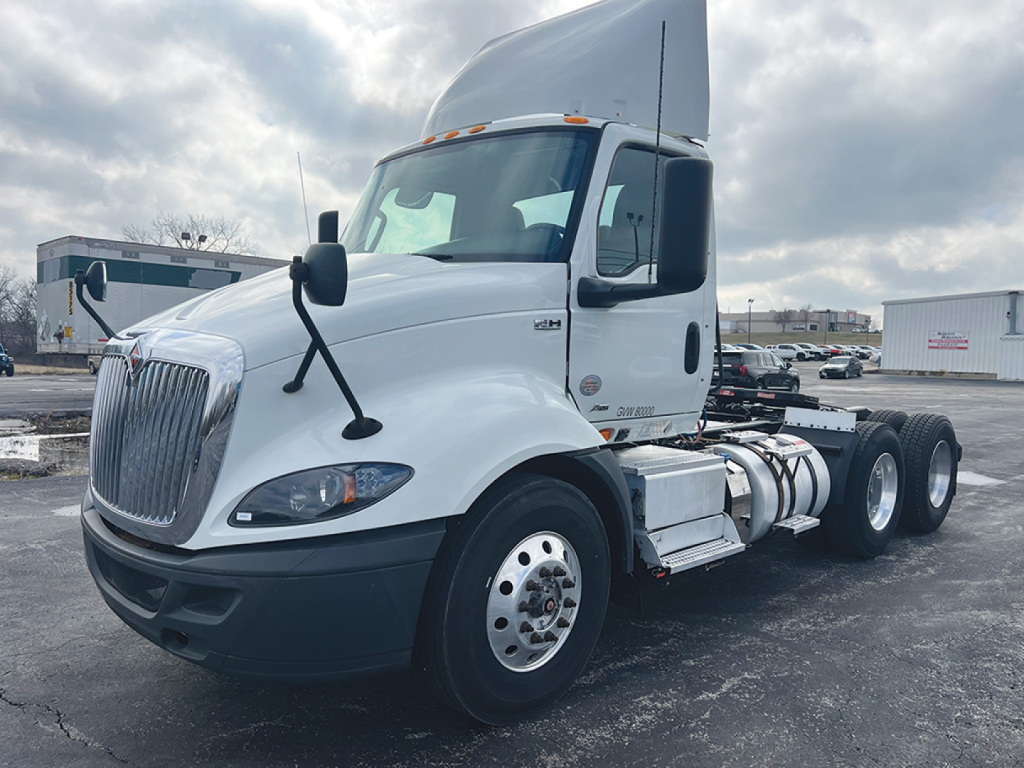
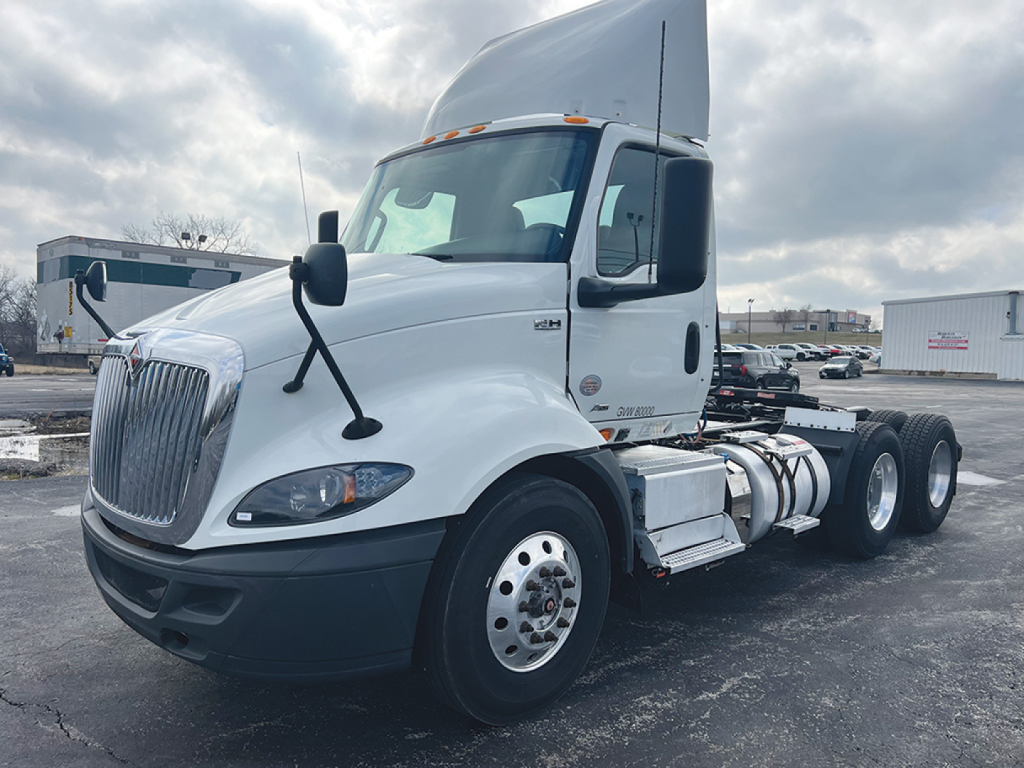
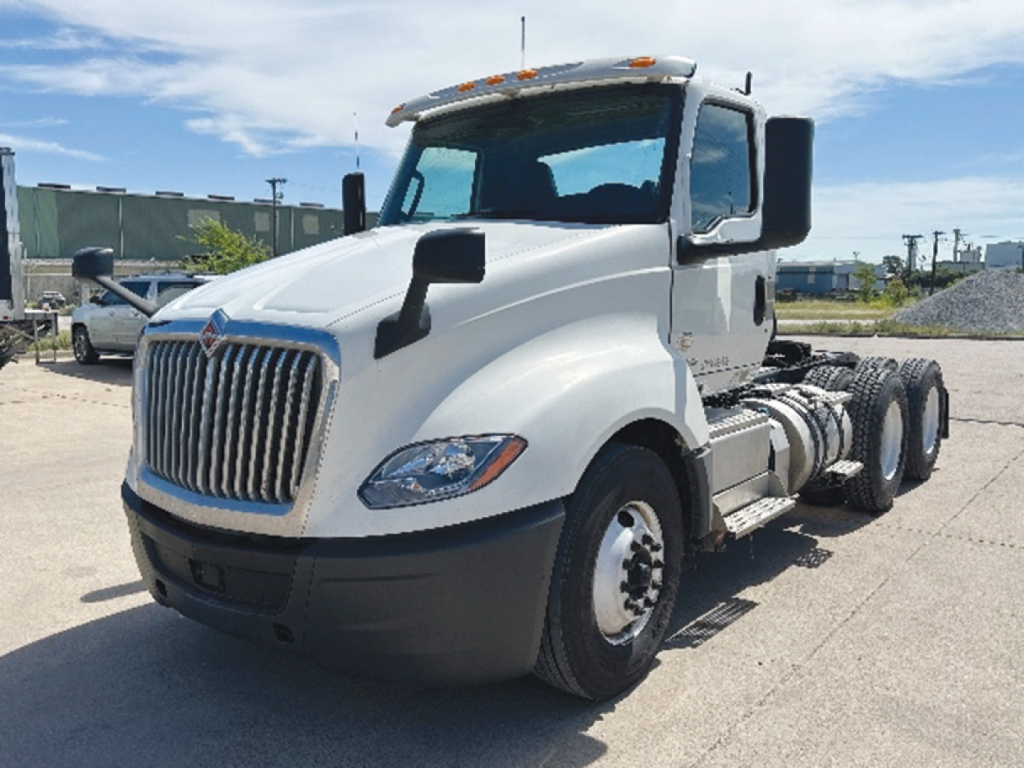
Have used 2019 international conventional daycab truck to sell? List it here to reach thousands of buyers.
Used 2019 International Conventional Daycab Trucks in Texas
The key spec decision usually starts with drivetrain and axle configuration. Many 2019 International daycabs are spec'd with the Navistar A26 in the 400 to 430 horsepower range, often paired with an Eaton automated manual transmission. Common rear axle ratings run from lighter single-axle setups for regional or vocational-adjacent work up to 40,000-pound tandem rears for heavier highway freight. Buyers should match axle ratio and wheelbase to the job. A 2.47 or 2.79 ratio can favor fuel economy and linehaul efficiency, while a 3.25 or 3.42 ratio may better suit stop-and-go work, heavier starts, or routes with more grade changes. Wheelbases in the mid-160s to upper-170s are common, and 5th wheel setup matters too. A stationary 5th wheel can be fine for standardized trailer fleets, while an air-slide gives more flexibility for kingpin settings and axle spread compliance.
Cab and chassis details are just as important on a used daycab. Air ride suspension, air ride cab, engine brake, collision mitigation, disc brakes, and low-profile 22.5 rubber are all common features buyers will want to compare. International daycabs from this period often include dual aluminum fuel tanks, power windows, cruise control, tilt and telescoping steering, and aerodynamic equipment like roof fairings, cab extenders, and quarter fenders. For Texas buyers, cooling performance, A/C condition, and overall idle-time wear deserve a close look. So do steer tire wear patterns, suspension condition, transmission calibration, aftertreatment history, and signs of frame or fifth wheel plate abuse from heavy terminal service.
A well-matched 2019 International conventional daycab can deliver a good balance of operating cost, driver acceptance, and parts support. The LT generally leans toward highway and regional fleet use with a more aerodynamic profile, while the RH is often favored in urban and vocational-oriented applications where visibility and maneuverability are priorities. The best choice depends less on badge and more on how the truck was spec'd and maintained. Engine hours, ECM history, axle ratio, brake type, fuel capacity, suspension spec, and 5th wheel position will tell you more than appearance alone.
Frequently Asked Questions about Used 2019 International Conventional Daycab Trucks in Texas
What is the difference between a 2019 International LT daycab and a 2019 International RH daycab?
The LT is typically spec'd as a more aerodynamic highway tractor for regional and fleet freight, while the RH is commonly used in urban, regional, and vocational-oriented service where maneuverability and visibility are important. Both can be configured as conventional daycabs, and both may use the Navistar A26 with automated transmissions. The real difference comes down to wheelbase, axle rating, suspension, and intended application rather than model name alone.
What engine and transmission are common in a used 2019 International conventional daycab?
A common setup is the Navistar A26 diesel rated around 400 to 430 horsepower, often paired with an Eaton automated manual transmission. This combination is popular in fleet service because it balances fuel economy, driver ease of use, and highway performance. Buyers should still confirm horsepower, torque rating, transmission model, and service history because trucks in the same year can be spec'd very differently.
Is a single-axle or tandem-axle 2019 International daycab better?
A single-axle daycab can make sense for lighter regional routes, local delivery, or operations prioritizing lower empty weight and better maneuverability. A tandem-axle truck is the better fit for standard over-the-road trailer work, heavier payloads, and broader resale flexibility. The right choice depends on trailer type, gross combination weight, route profile, and whether axle spread or kingpin position adjustments are part of daily operations.
What should I inspect on a used 2019 International daycab in Texas?
Pay close attention to A/C performance, aftertreatment condition, engine brake operation, suspension wear, steer and drive tire patterns, and fifth wheel condition. In Texas service, trucks may see heavy heat load, long idle time, congested metro traffic, and frequent short-haul cycling, all of which can affect cooling systems, emissions components, and clutch or transmission behavior. ECM data, maintenance records, and evidence of frame or cab damage are also important before purchase.
Why does axle ratio matter on a conventional daycab?
Axle ratio affects launch performance, cruise RPM, fuel economy, and how well the truck matches its route and trailer weight. Lower numerical ratios such as 2.47 or 2.79 are often chosen for fuel-efficient highway work, while higher numerical ratios like 3.25 or 3.42 can help with heavier loads, more starts and stops, or mixed terrain. A truck with the wrong ratio for the job can feel underpowered or cost more to operate over time.