
Used 2019 Conventional Daycab Trucks For Sale in New York
Shop used 2019 conventional daycab trucks in New York. Compare wheelbase, axle ratios, engines, transmissions, and regional hauling specs.
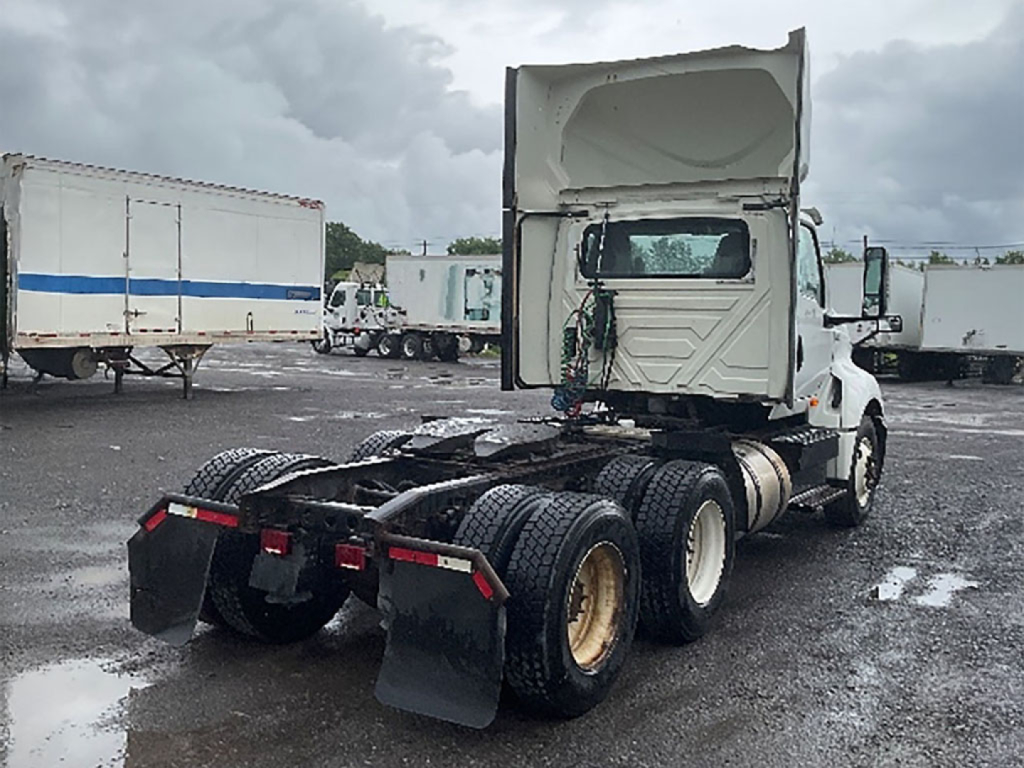
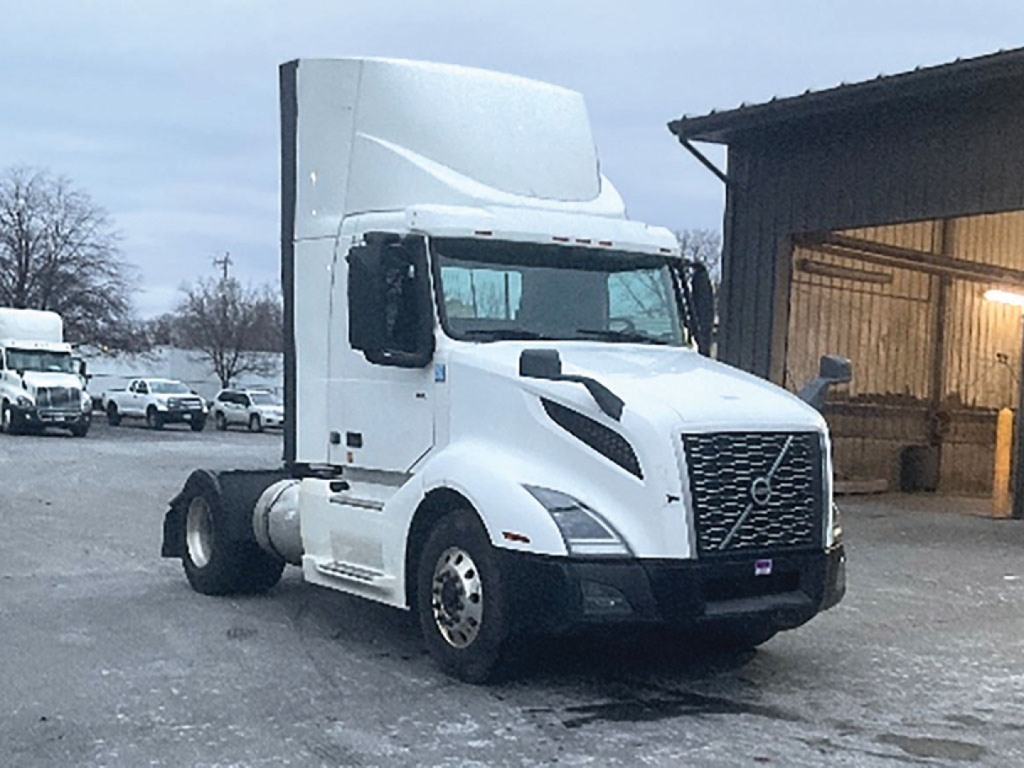
2019 Volvo VNR 300
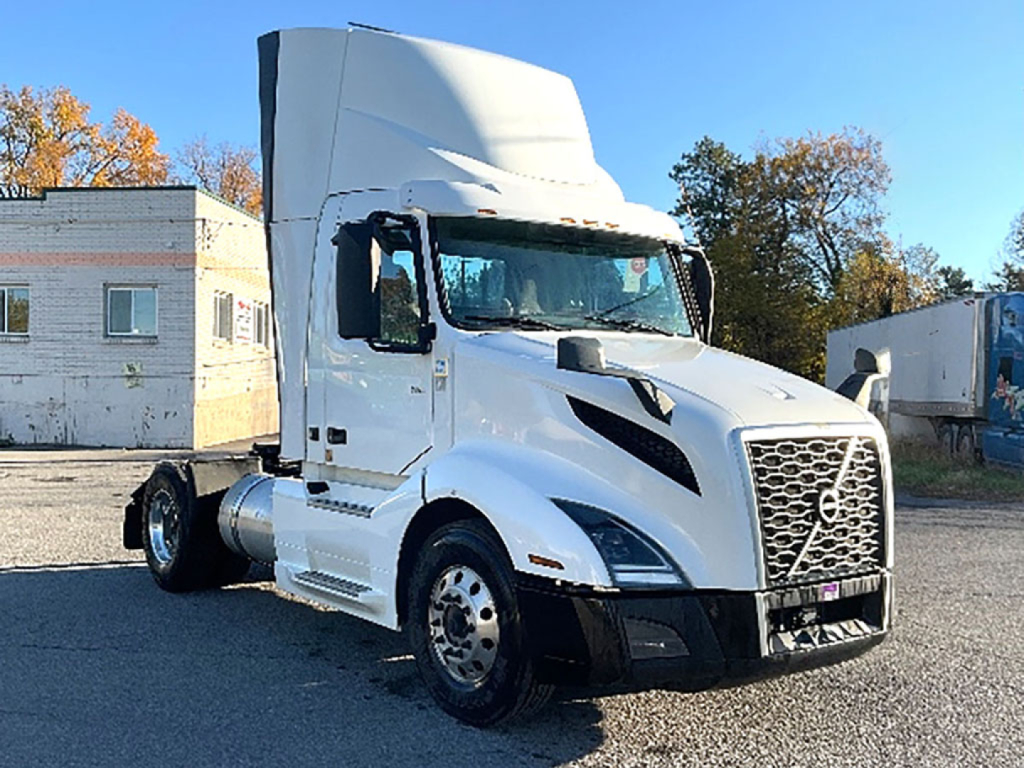
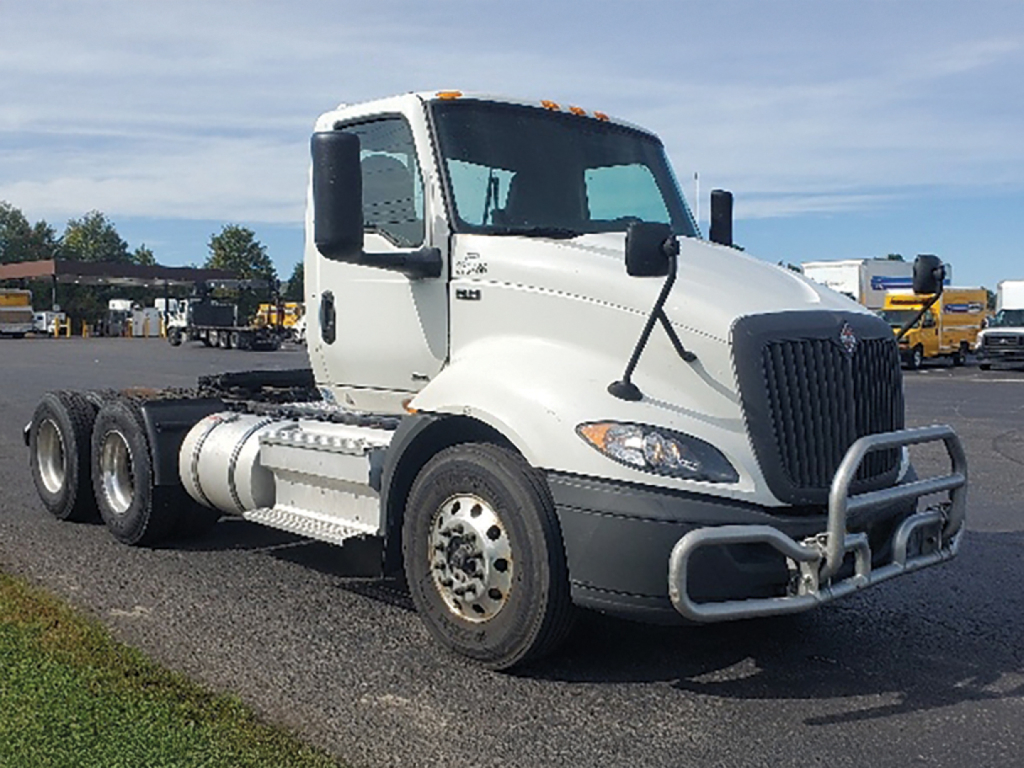
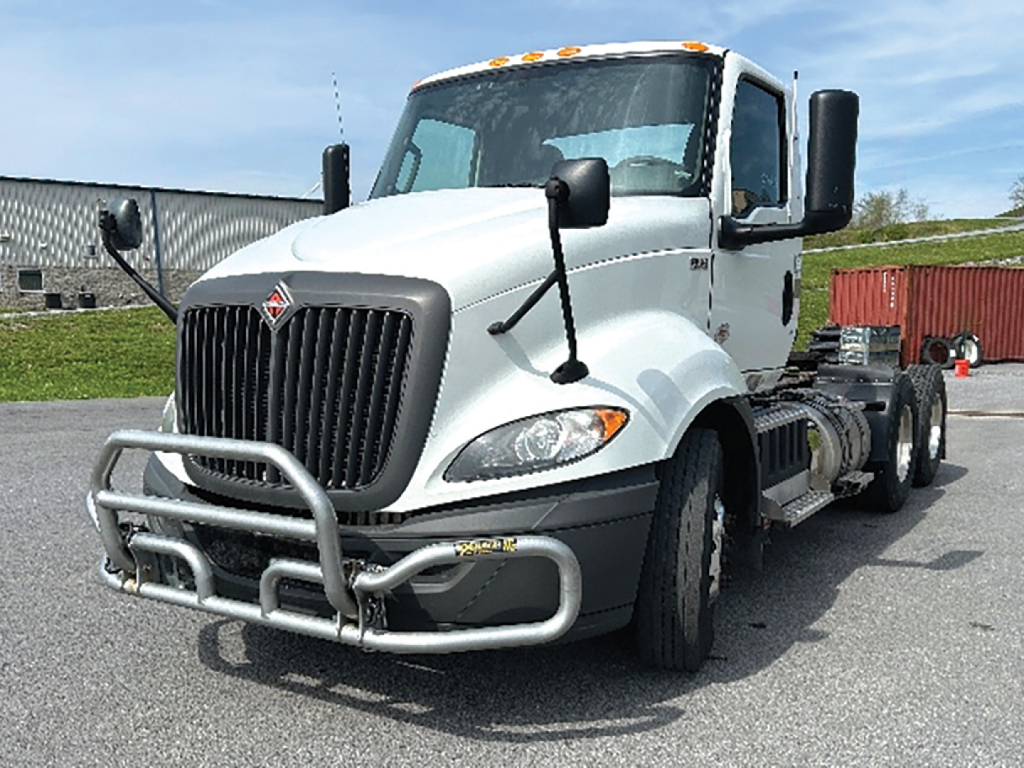
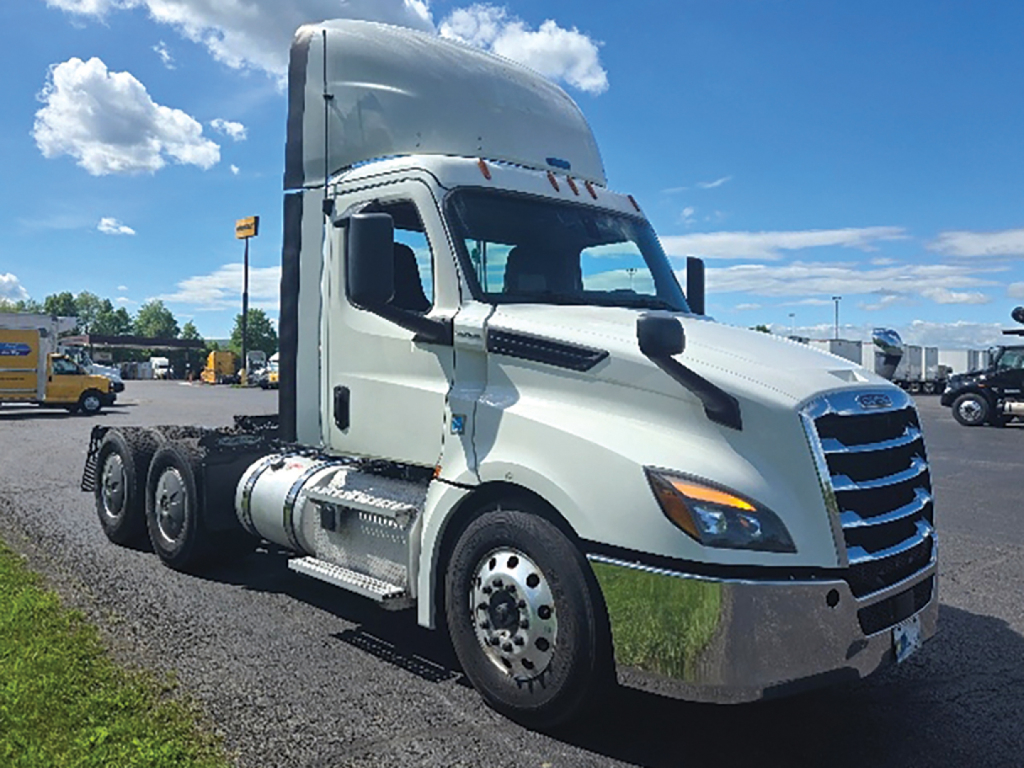
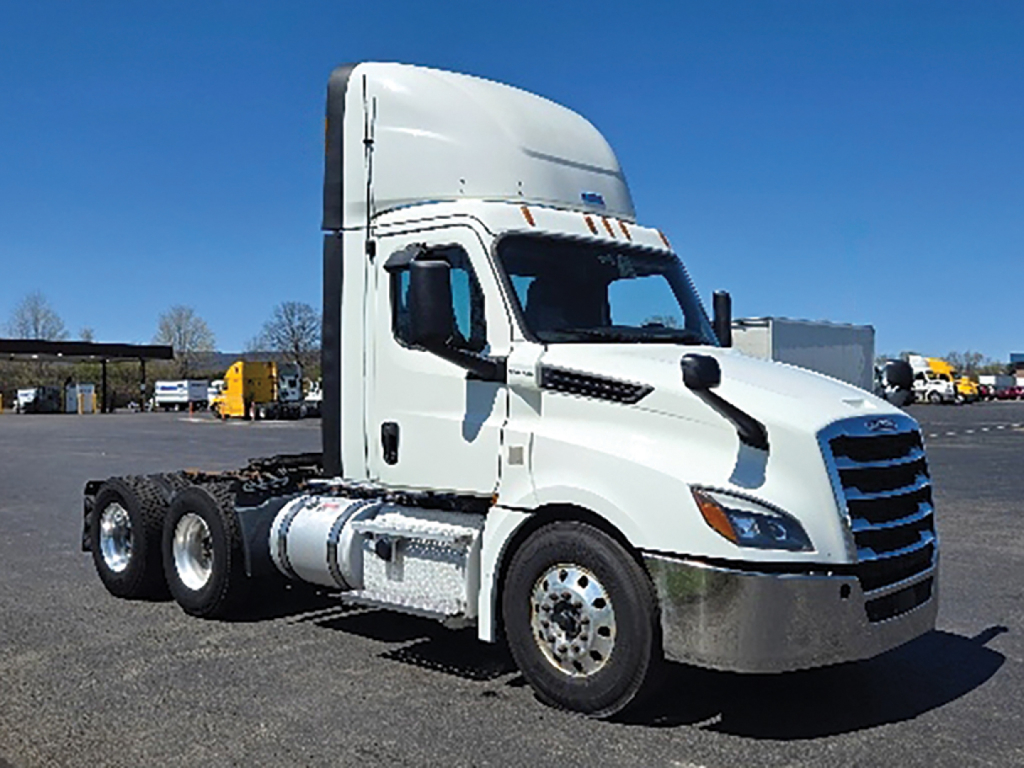
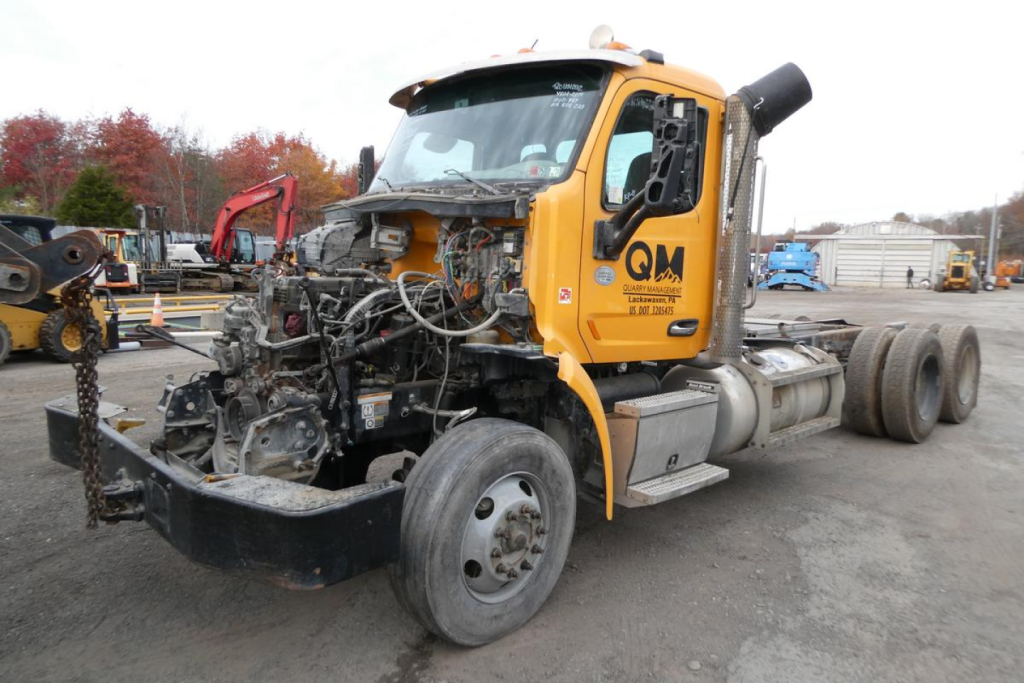
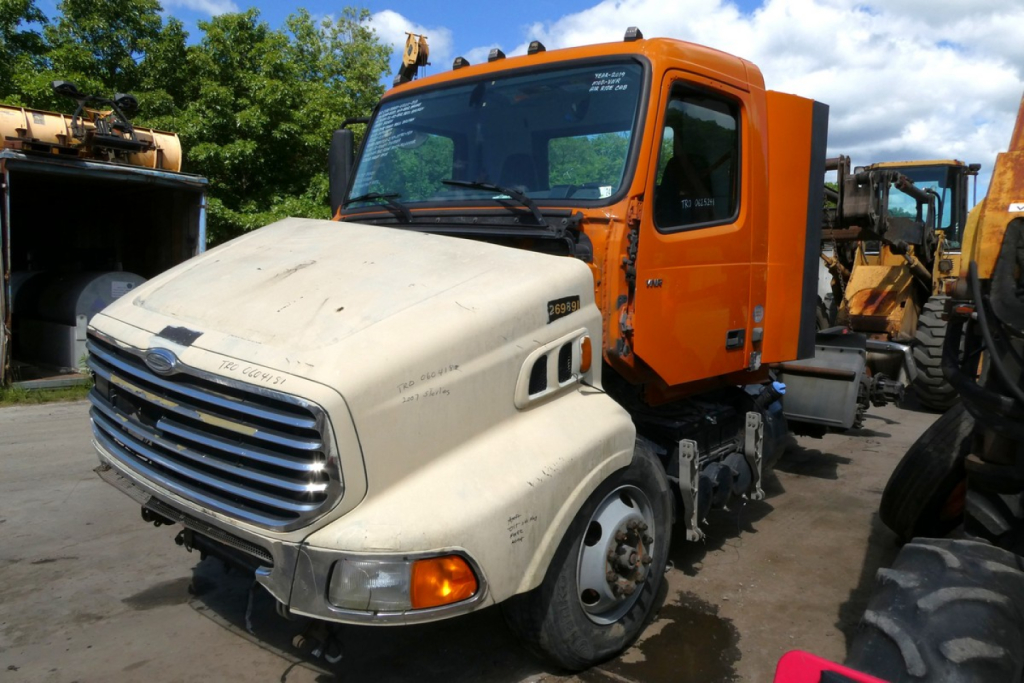
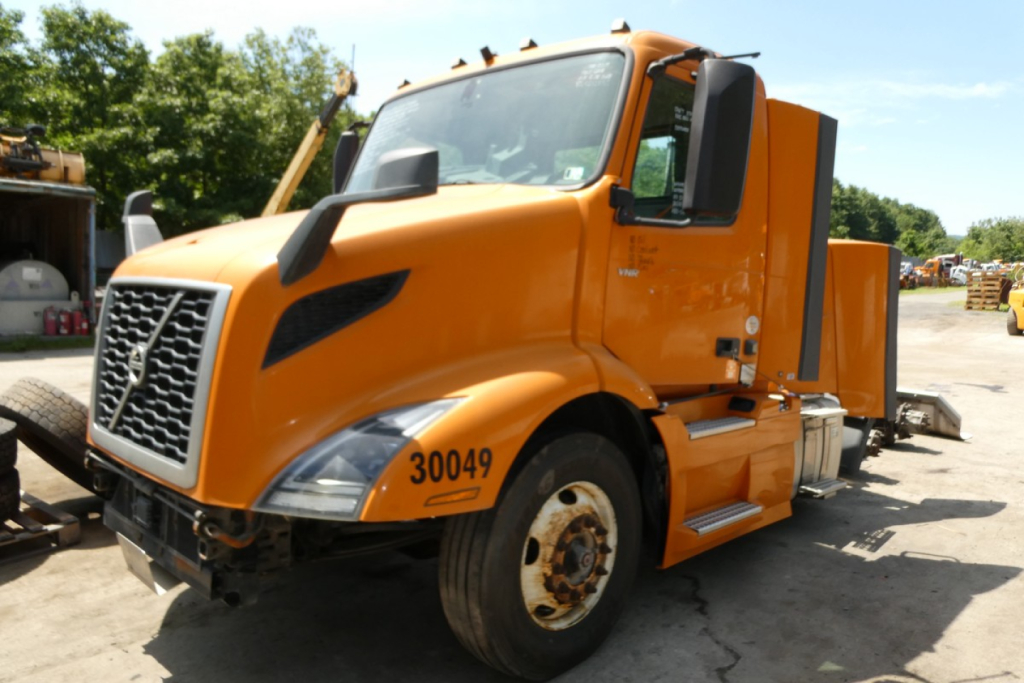
Have used 2019 conventional daycab truck to sell? List it here to reach thousands of buyers.
Used 2019 Conventional Daycab Trucks in New York
The key buying decision on a conventional daycab is not just make or engine. It is how the truck was spec'd. Common configurations include 12,000-lb front axles, 23,000-lb single rears or 40,000-lb tandem rears, with wheelbases often ranging from the mid-150s to low-170s depending on intended use. A tandem-axle daycab with an air-slide fifth wheel and a 3.08 to 3.70 rear ratio can cover a wide range of dry van, reefer, container, and short regional trailer work. Buyers comparing listings should pay attention to cab-to-axle measurement, kingpin setting compatibility, suspension type, brake spec, and whether the truck carries a single frame or double frame. Air-ride suspensions and air disc brakes are especially attractive for fleets focused on ride quality, maintenance access, and repeatable stopping performance.
Powertrain selection on a used 2019 conventional daycab usually comes down to proven regional engines in the 11L to 15L class and either a 10-speed manual, 12-speed automated manual, or similar fleet transmission. Automated manuals are common on newer daycabs because they reduce driver fatigue in heavy traffic and can help standardize fuel economy across a fleet. For New York operations, buyers should look closely at idle hours, aftertreatment service history, DEF system condition, and ECM data alongside odometer miles. A truck that spent its life on local or port duty may show lower miles but higher engine hours, and that usage pattern should be priced differently than a highway-oriented unit. Tire size, hub-pilot wheel setup, and fairing height also matter if the truck will rotate among different trailer types or operate in mixed urban and interstate lanes.
Cab condition and vocational fit are just as important as drivetrain. Daycabs are chosen for easy entry and exit, simpler maintenance, lower tare weight, and better maneuverability around yards and city streets. The best match depends on the trailer lengths you pull, how often you scale near gross, and whether the truck will stay inside the five boroughs, run upstate, or move freight across the Northeast corridor. A well-matched used 2019 conventional daycab can give a buyer the right balance of emissions compliance, driver-friendly controls, and fleet-ready spec without stepping into a sleeper tractor that is heavier, longer, and less efficient for local work.
Frequently Asked Questions about Used 2019 Conventional Daycab Trucks in New York
What is a conventional daycab truck best used for?
A conventional daycab truck is best suited for regional hauling, local freight movement, drayage, terminal-to-terminal work, and dedicated routes where the driver returns home daily. It uses a standard hooded tractor layout but does not have a sleeper compartment, which reduces overall length and weight. That makes it a practical choice for operations that need tighter turning radius, easier dock access, and better maneuverability in congested areas such as New York metro freight lanes.
What specs matter most when buying a used 2019 conventional daycab?
The most important specs are axle configuration, wheelbase, engine rating, transmission type, rear axle ratio, suspension, and fifth wheel setup. Buyers should also verify cab-to-axle dimensions, front and rear axle ratings, brake type, and gross vehicle weight rating because those details determine trailer compatibility and legal payload potential. In a used 2019 truck, service records for emissions components, engine hours, and ECM mileage are especially important because they help explain how the truck was actually used.
Is an automated manual transmission a good choice in a daycab?
An automated manual transmission is a strong fit for many daycab applications, especially in urban and regional work with frequent stops. It reduces clutch wear from inexperienced drivers, lowers fatigue in traffic, and can improve consistency in fuel economy and shifting habits across a fleet. Buyers should still confirm calibration history, clutch condition, and software support, but for many 2019 daycabs an automated manual is a practical and common spec rather than a specialty option.
How do miles and engine hours affect the value of a used daycab?
Miles and engine hours need to be evaluated together. A daycab used in city or port service can accumulate high idle time and operating hours with relatively modest road miles, while a regional highway truck may show higher miles with lower idle exposure. Higher hours can mean more wear on aftertreatment components, cooling systems, and accessories even if the odometer looks attractive. The best valuation comes from comparing odometer, ECM data, service history, and the truck's prior application as a package.
Why are wheelbase and axle ratio important on a conventional daycab?
Wheelbase affects turning radius, bridge law flexibility, trailer swing, and overall maneuverability. A shorter wheelbase generally works better in tight city environments, while a longer wheelbase may improve ride quality and trailer compatibility for broader regional use. Rear axle ratio affects launch, cruise rpm, fuel economy, and how well the truck handles heavier loads in stop-and-go traffic. Those two specs together have a major impact on how a daycab performs in real freight operations.